-
·
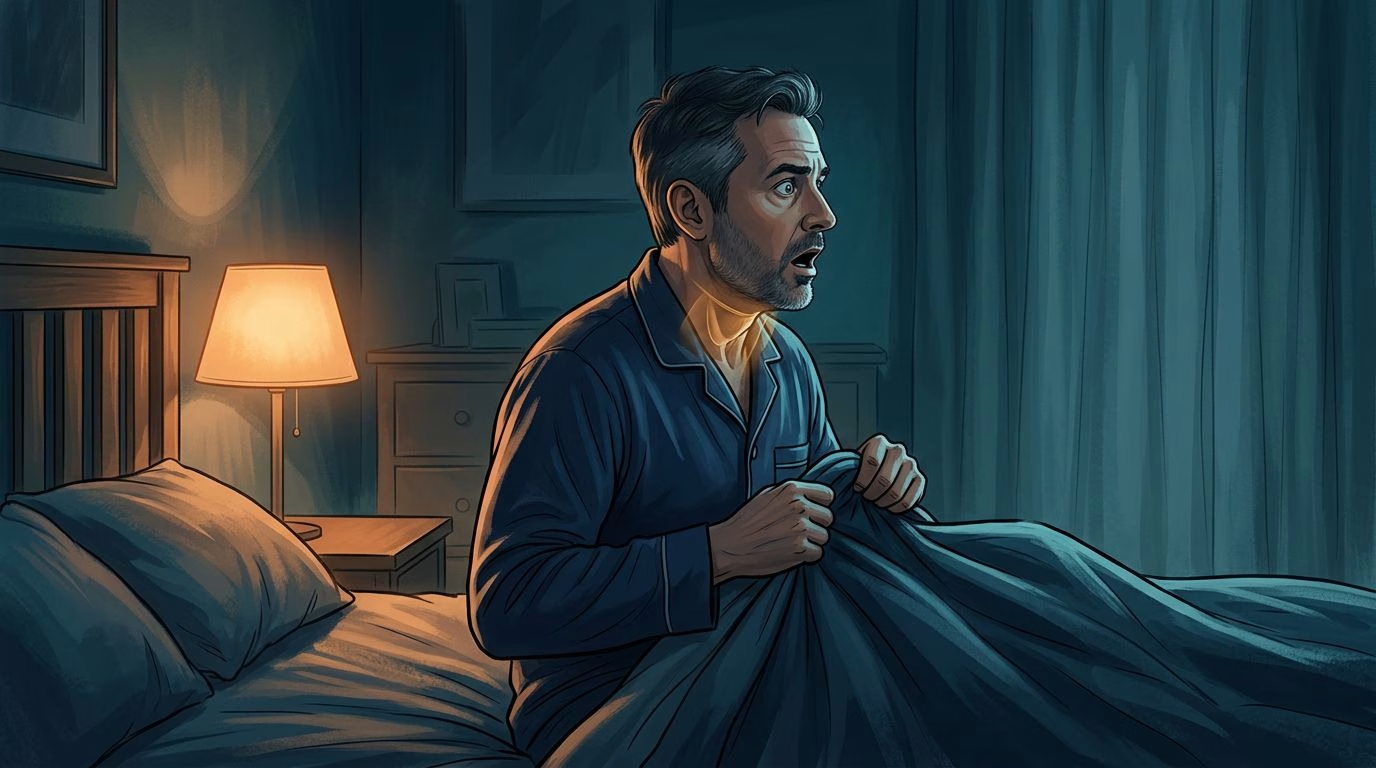
Sleep-Related Laryngospasm: Why You Wake Gasping
A sleep-related laryngospasm is a sudden closure of the vocal cords during sleep. This closure is usually brief, but it can cause a genuine suffocation sensation without completely blocking the airway. With sleep-related laryngospasm, you may wake with coughing and choking or a sharp, high-pitched sound as air returns. The episode can feel much longer…
-
·
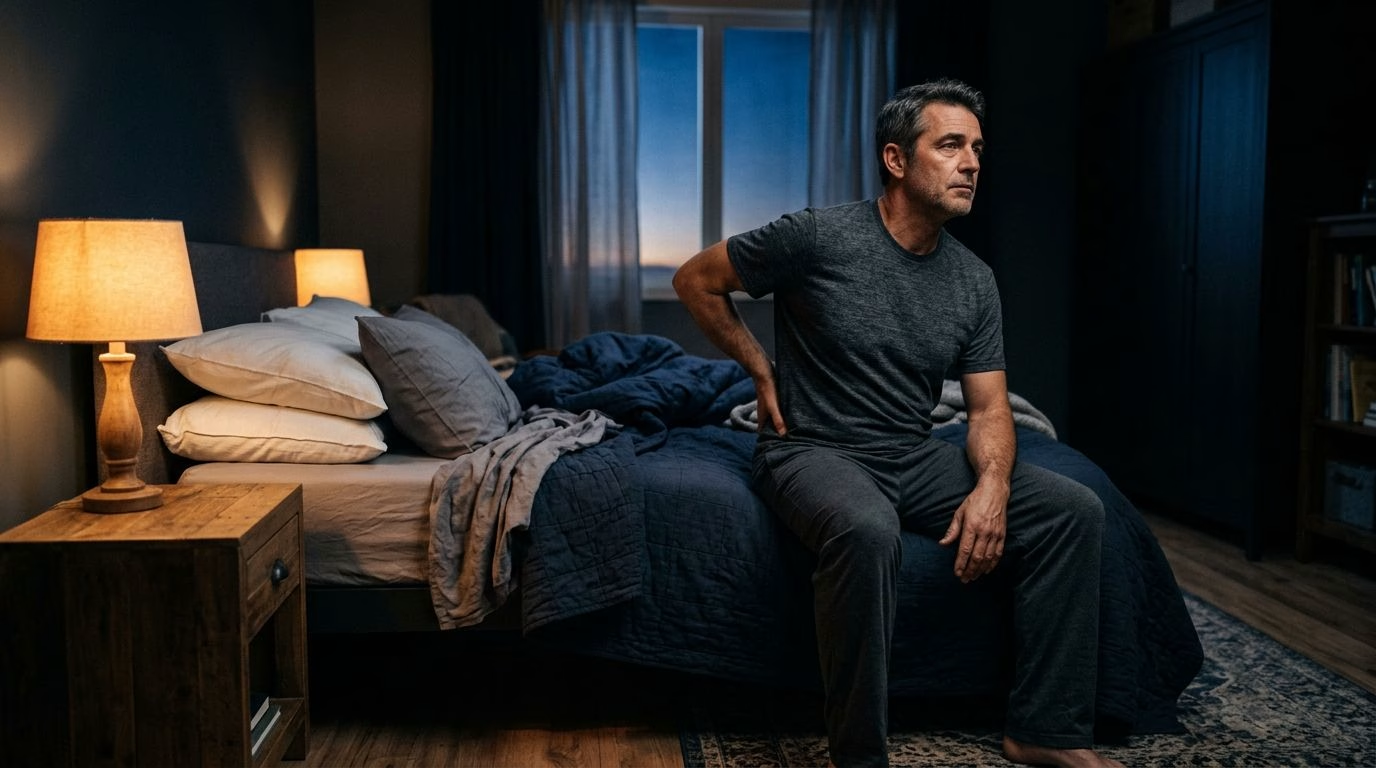
Insomnia and Chronic Pain: A Practical Way Out
Estimates suggest that 50% to 80% of people living with persistent pain also experience sleep problems. This can leave you exhausted before the day has even begun. A poor night often heightens pain the next day, then makes the following bedtime feel threatening. Treating sleep and pain as linked problems can gradually reduce that pressure.…
-
·
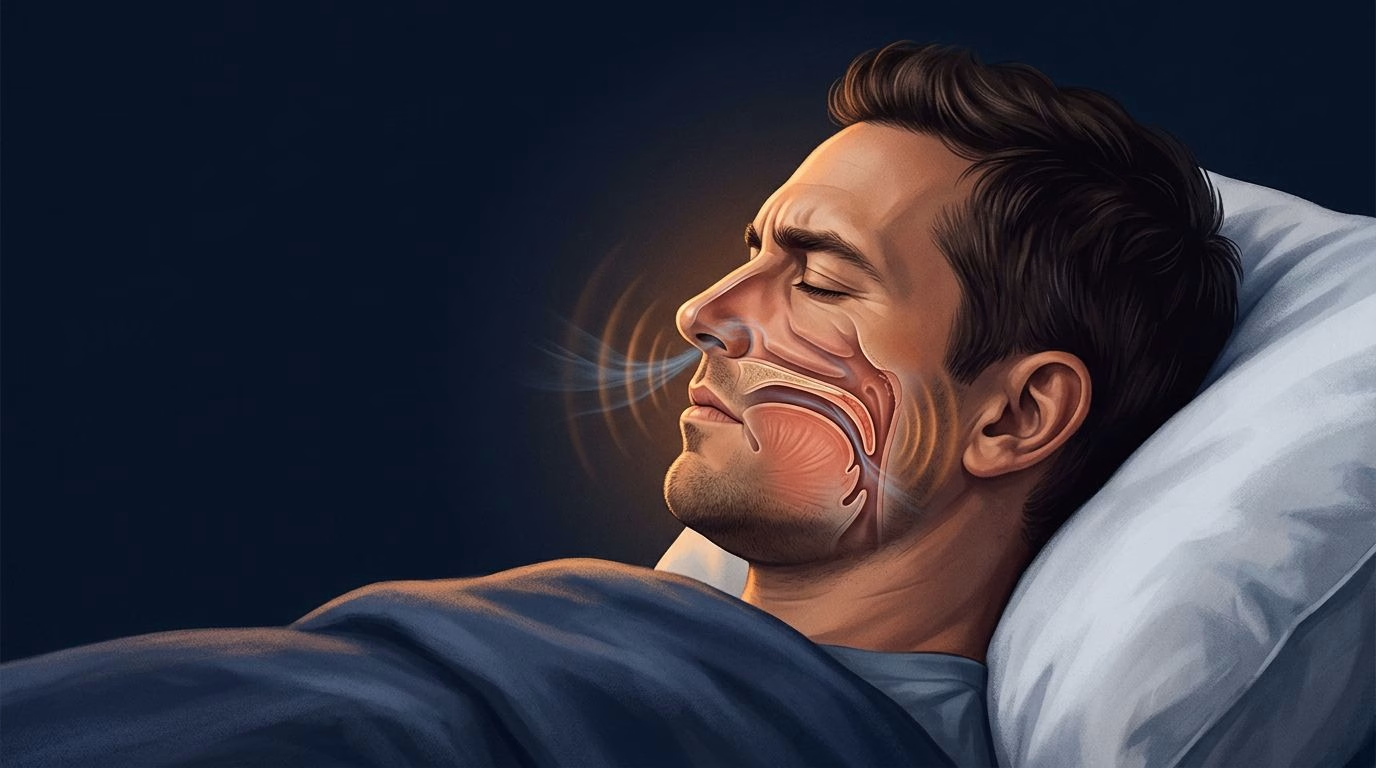
Upper Airway Resistance Syndrome: Symptoms and Treatment
An overnight sleep test can look normal even when effortful breathing breaks up sleep again and again. For people with UARS, that mismatch can make years of chronic fatigue feel hard to explain. The airway narrows rather than fully closing, so oxygen levels may barely change. Yet the brain still has to wake briefly to…
-

·
Night Leg Cramps at Bedtime: Causes and Relief
A leg cramp can begin when you have been completely still, often pulling you from sound sleep. The sudden hard knot in your calf or foot is painful, but these muscle cramps, known as night leg cramps, are common and usually pass without lasting harm. The pain may last seconds or several minutes. However, the…
-
·
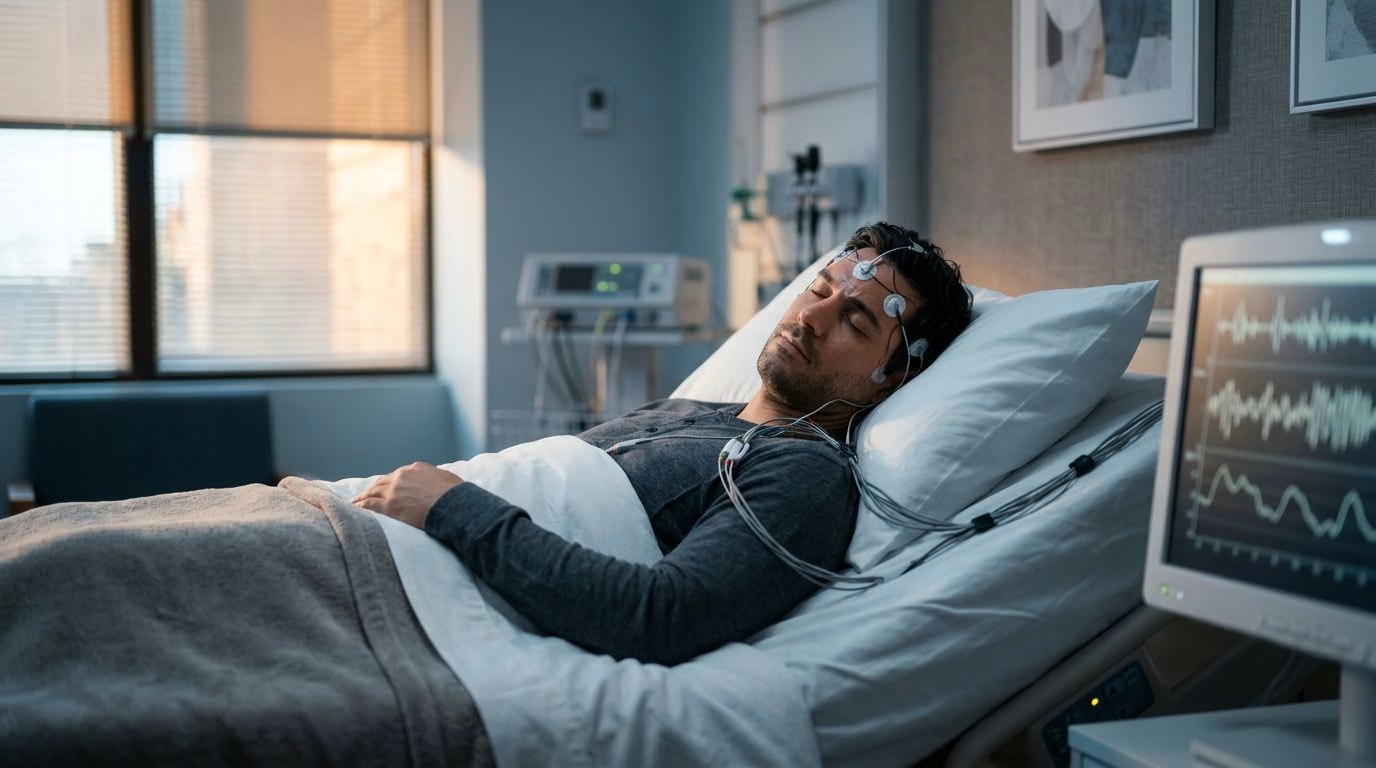
Multiple Sleep Latency Test: What Narcolepsy Testing Shows
A person can feel awake during a nap yet show clear sleep on the recording. A multiple sleep latency test measures your sleep latency, rather than how rested you think you feel. If excessive daytime sleepiness affects work, school, driving, or family life, this test can provide useful answers. The American Academy of Sleep Medicine…
-
·
What Happens During an Overnight Sleep Study
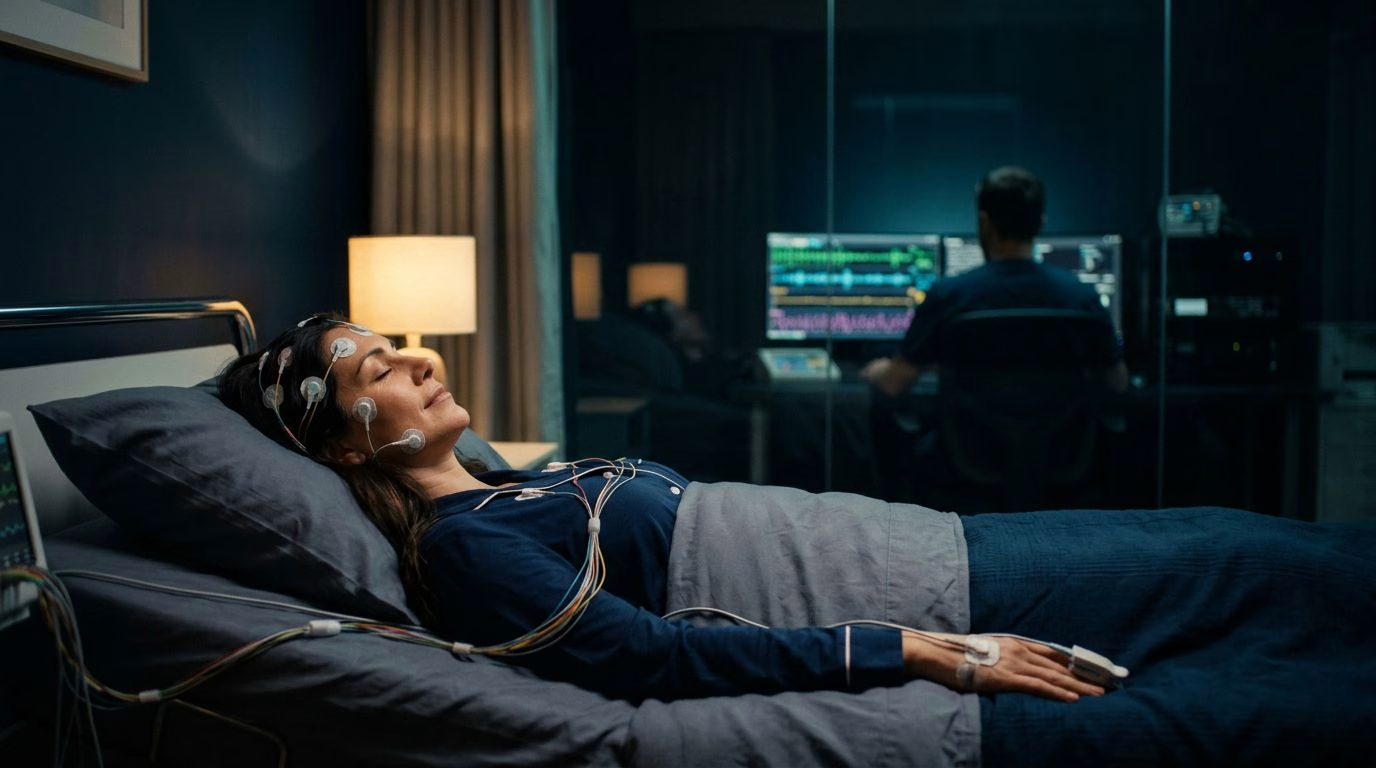
Most people wake briefly several times a night without remembering it. During a sleep study, clinicians record those changes, assessing breathing, brain waves, sleep quality and signs of possible sleep disorders. The unfamiliar room, taped sensors and idea of being monitored can feel unsettling. However, you don’t need a perfect night’s sleep for the recording…
-
·
Idiopathic Hypersomnia: A Clear UK Guide to Daily Life
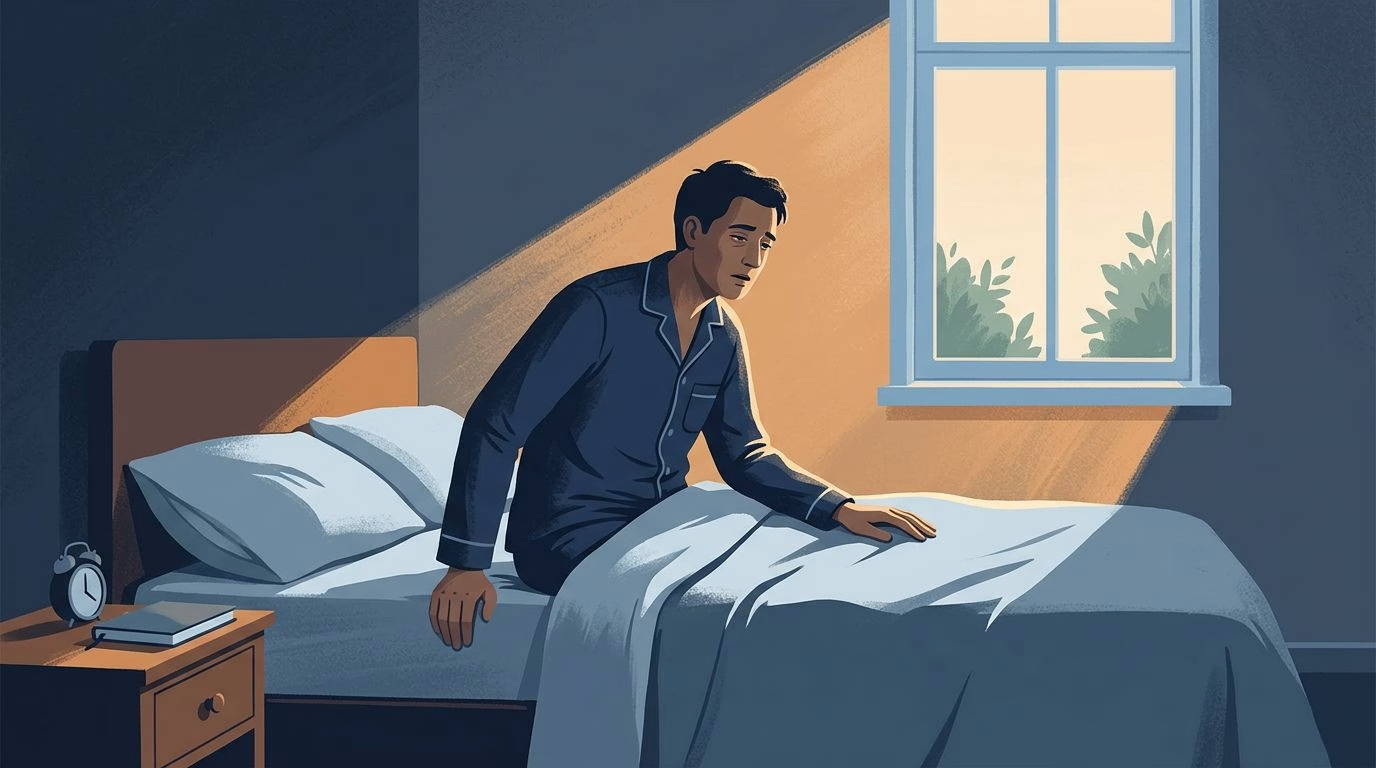
Some people with this rare, chronic sleep disorder sleep for 11 hours or more, yet still wake feeling as though they have missed the night. Idiopathic hypersomnia is a neurological disorder affecting sleep and wake regulation. Its excessive daytime sleepiness is not ordinary tiredness or a lack of effort, and staying awake can feel physically…
-
·
Cannabis REM Sleep: Why Nightly Use Can Backfire
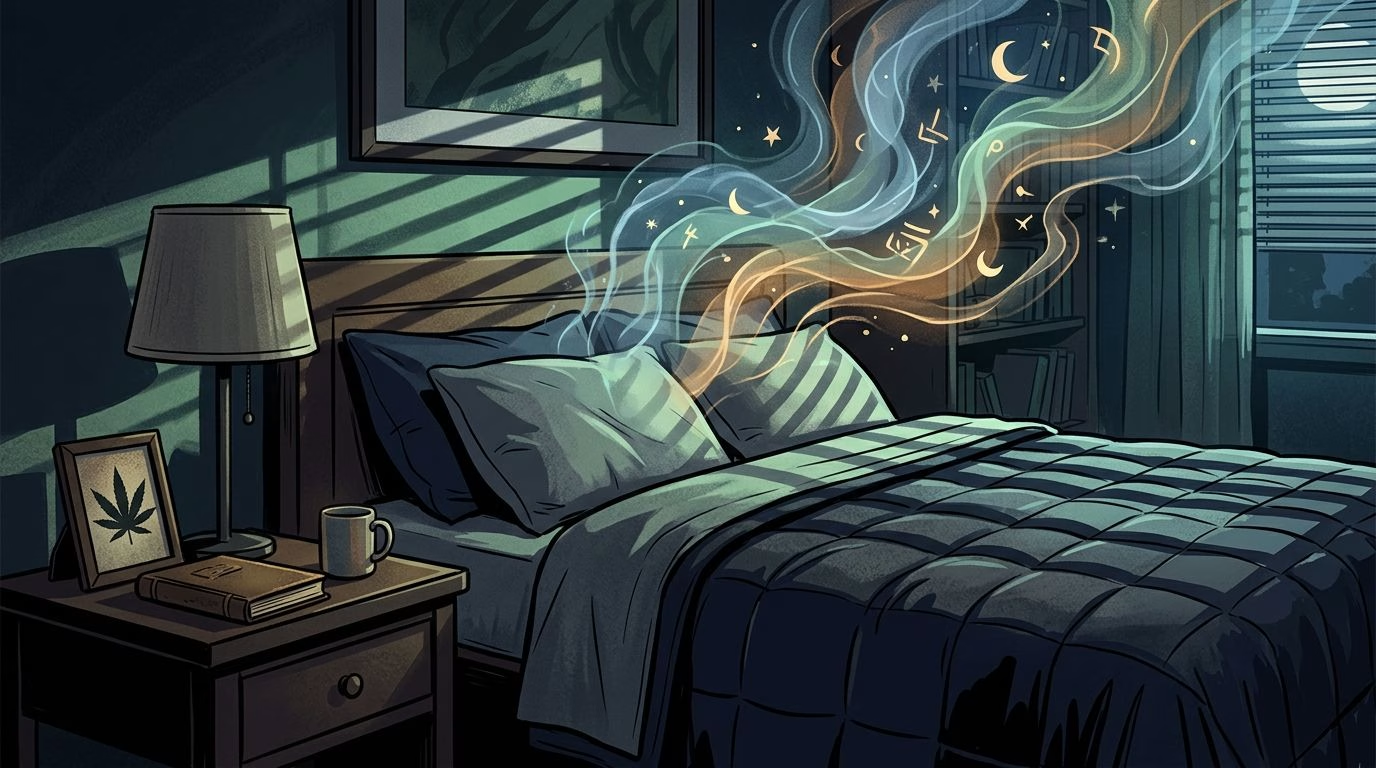
Stopping regular cannabis can bring back intense dreams within days. That change is often linked to cannabis REM sleep effects, as well as the way THC interacts with the endocannabinoid system, rather than a sudden failure to sleep. Medical cannabis may help some people drift off faster, especially when stress or pain keeps them awake,…
-
·
Sleepiness vs Fatigue: How To Tell What Is Draining You
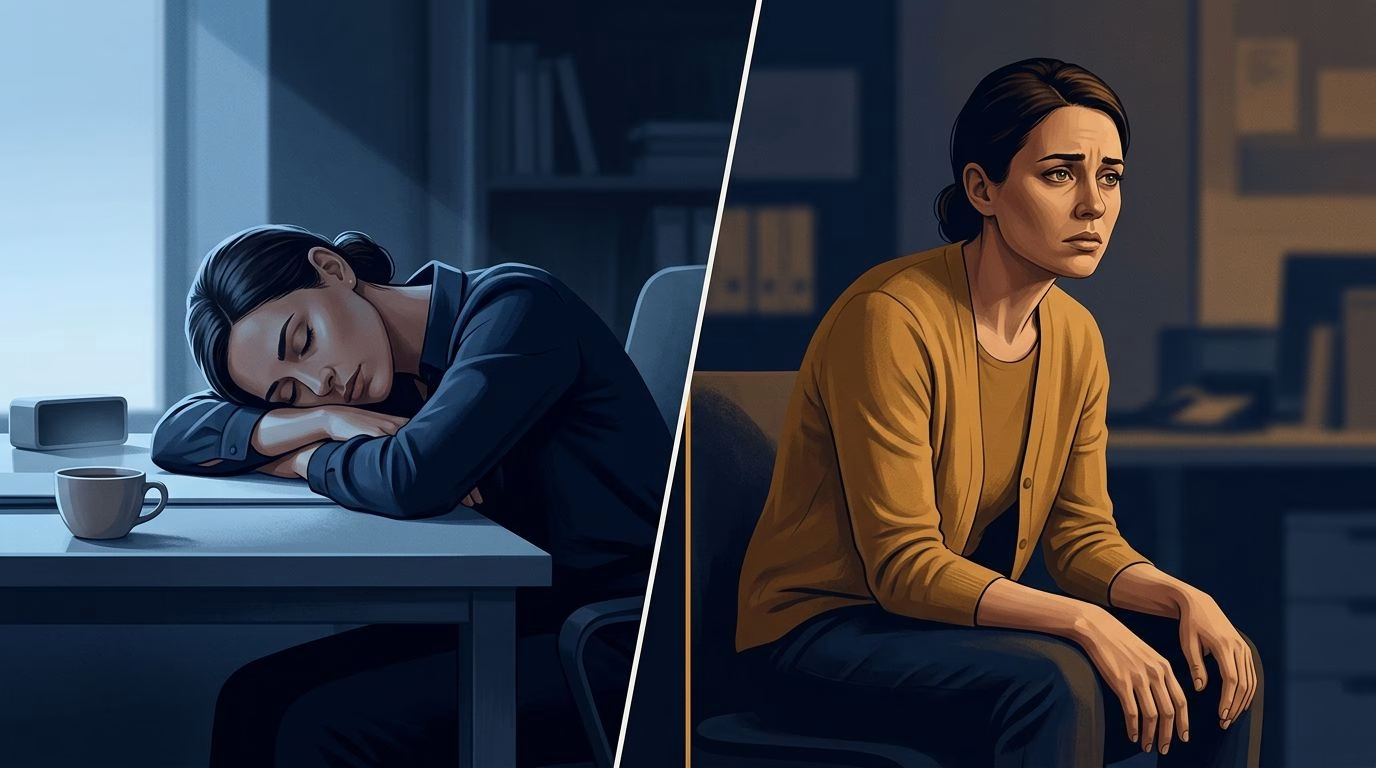
About one in three adults regularly gets fewer than seven hours of sleep a night. Yet a lack of sleep duration is only one reason you might feel wiped out, as poor sleep quality can also drive persistent daytime sleepiness. The difference between sleepiness vs fatigue matters because the right response is different. One calls…
-

·
Mattress Firmness for Lower Back Pain: A Practical Guide
A 2003 Lancet trial followed 313 people with chronic non-specific lower back pain for 90 days, and medium-firm mattresses outperformed firm ones for pain and disability. Guidance regarding mattress firmness lower back pain often gets reduced to one unhelpful rule: buy the hardest bed you can tolerate. Your spine needs support, but it also needs…
-
·
Sleep Groaning: What Catathrenia Sounds Like And What Helps
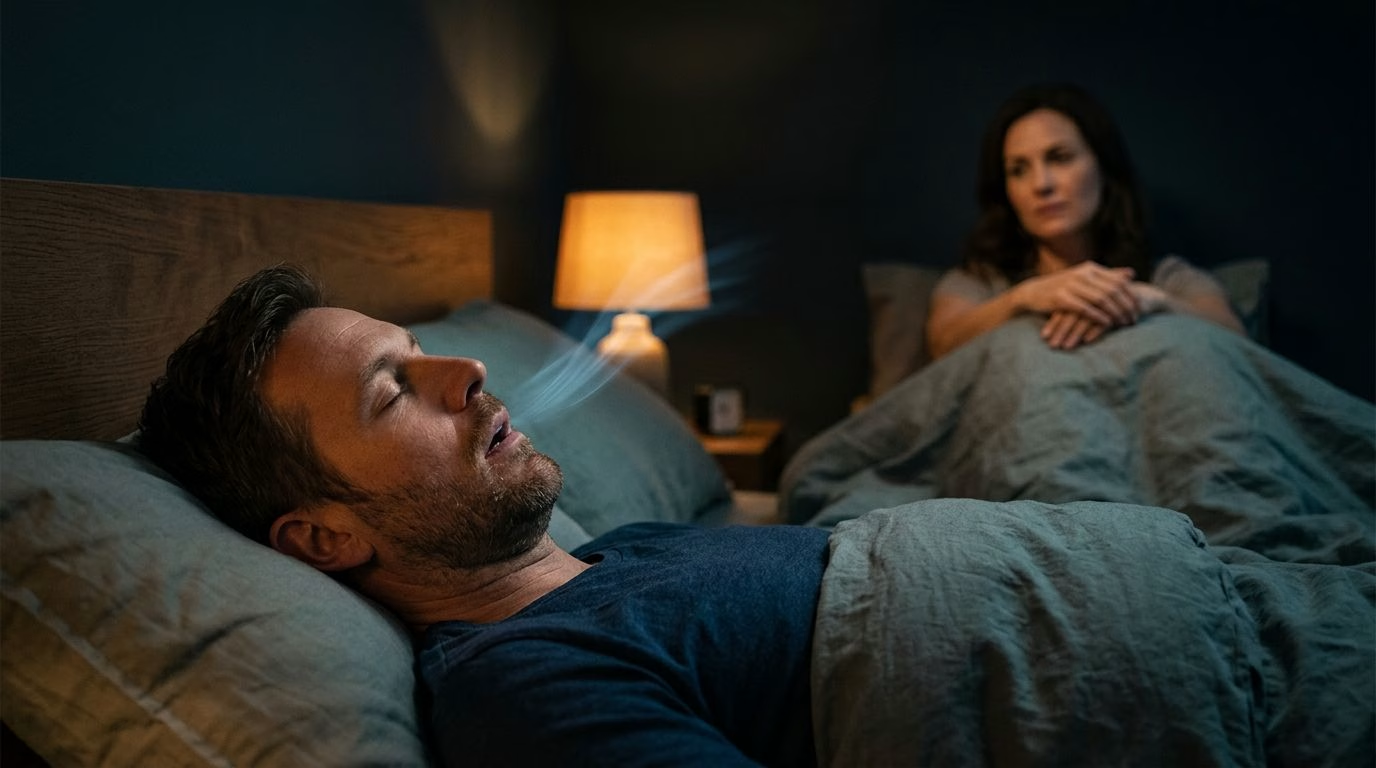
A long, low groan during sleep can sound alarming, yet the person making it often has no idea it happened. Nocturnal groaning and catathrenia sleep groaning are usually more disruptive for sleep partners than dangerous for the sleeper, but catathrenia still deserves a proper check if breathing seems irregular. The sound can be mistaken for…
-
·
Morning Headaches: Sleep Causes You Should Know
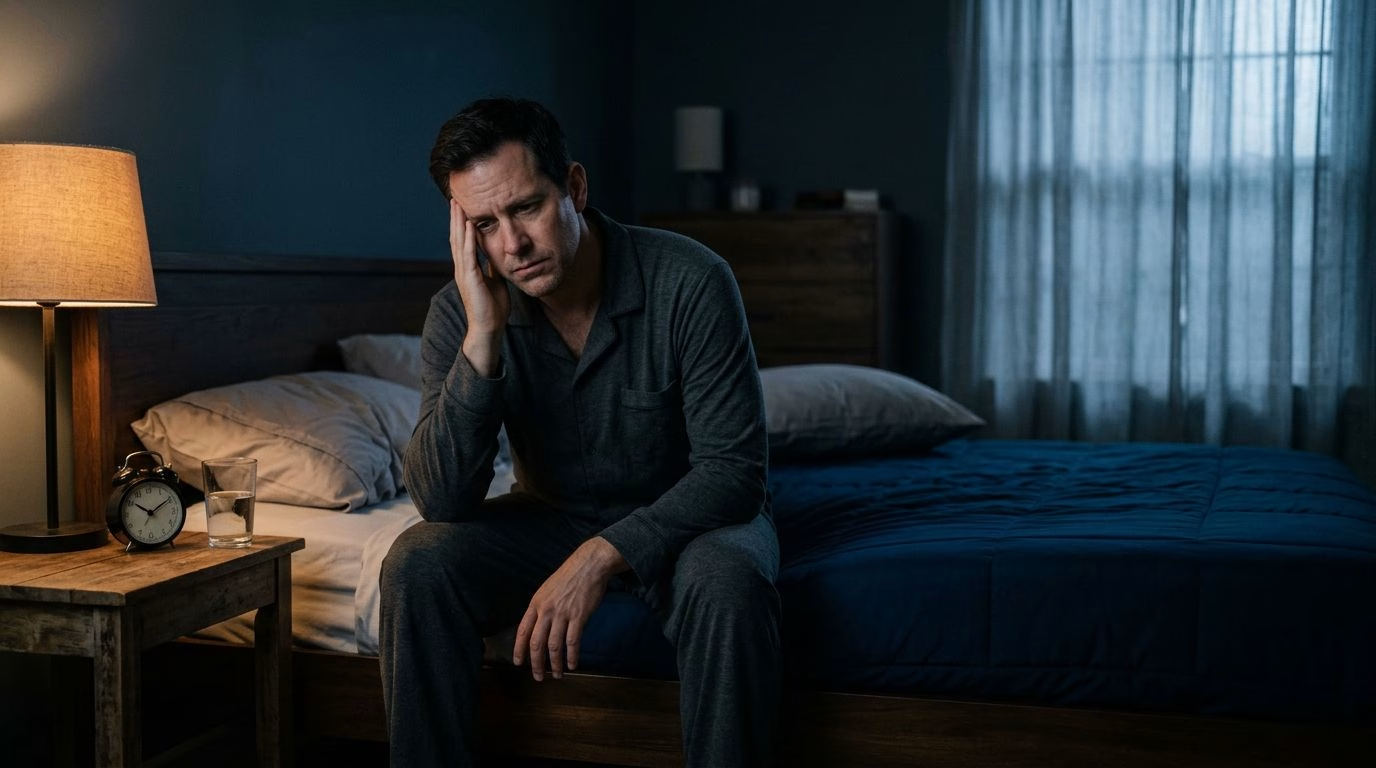
Waking up with morning head pain before your feet even reach the floor can point to what happened overnight, rather than simply starting a difficult day. When looking at morning headaches sleep causes, issues often include poor overall sleep quality, teeth grinding, disrupted breathing, and shifts in caffeine or alcohol habits. The pattern matters more…
-

·
Best Pillow Height for Neck Pain: Find Your Fit
An adult head weighs about 4.5 to 5.5 kg, and your head and neck rely on proper support for hours each night. A pillow that holds your head at the wrong angle can leave you stiff before the day has begun. Finding the correct pillow height is essential to ease neck pain, though this measurement…
-
·
Best Bedroom Temperature for Sleep: A Research-Based Range
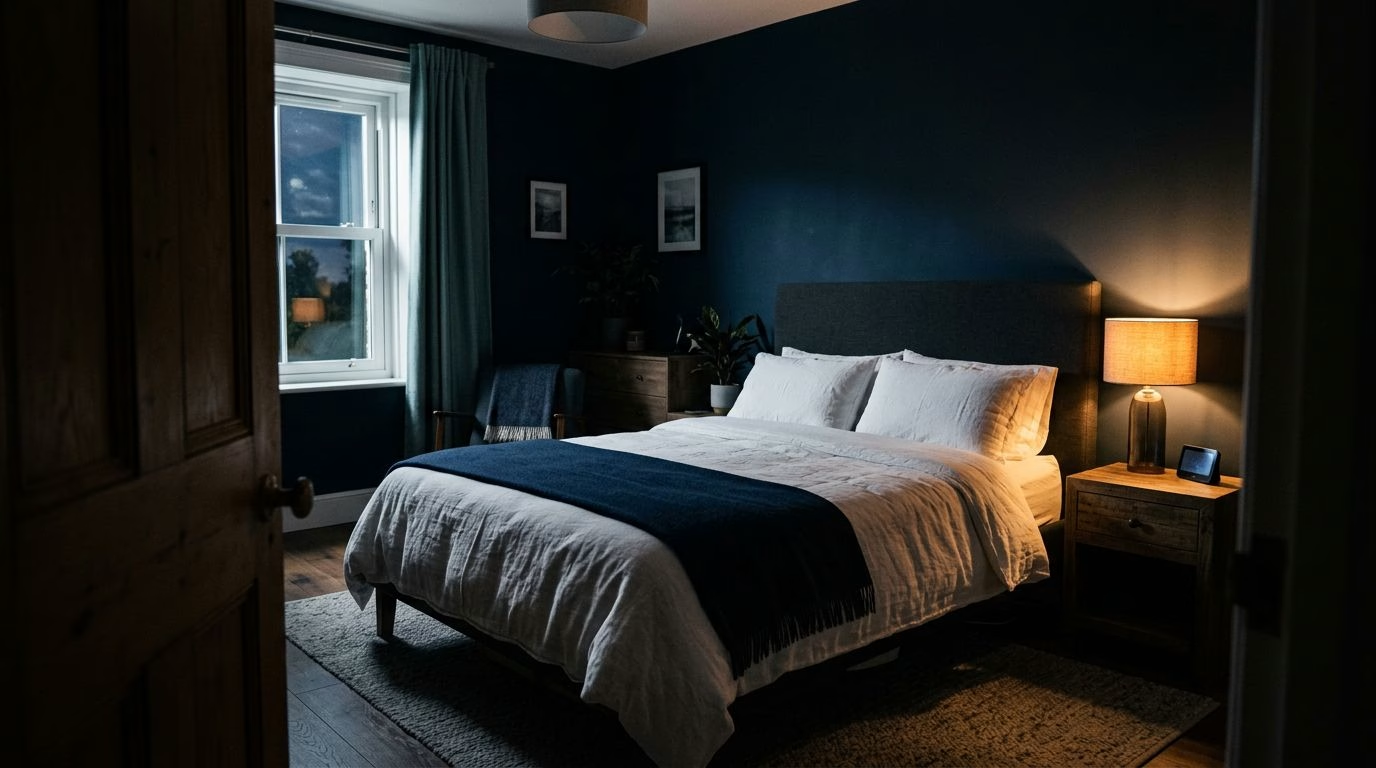
A room that feels pleasantly warm before bed can become stifling by 3 am. For most adults, the best bedroom temperature for sleep sits around 18 to 20 C, providing an ideal sleeping temperature alongside the right bedding, health, age, and home adjustments. Sleep needs a small drop in core body temperature. When your bedroom…
-

·
How to Sleep Better During Pregnancy Without Risky Shortcuts
Dealing with sleep deprivation during pregnancy doesn’t always call for more time in bed. A steady wake-up time often helps your body clock reset for the following night, which can ease the frustration of pregnancy insomnia. Learning how to sleep better during pregnancy means working with a changing body, rather than trying to force sleep…
-
·
Sleep and Migraine: How Poor Rest Can Trigger Attacks
A change in sleep can trigger migraine even when you have slept for longer than usual. For many people, sleep and migraine are closely linked because the brain responds badly to sudden changes in timing, quality, and routine. A short night, a weekend lie-in, or several restless nights can lower your threshold for a migraine…
-
·
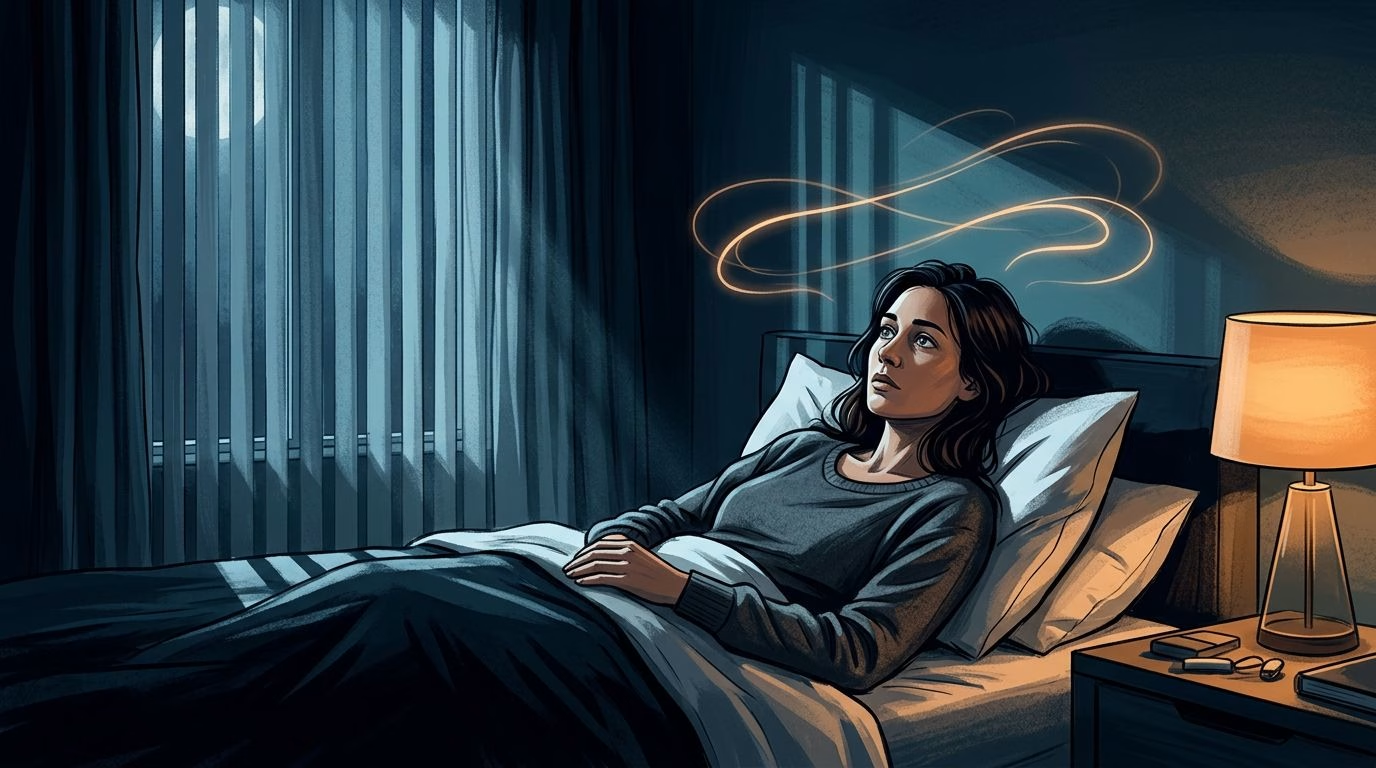
ADHD and Sleep: Why Rest Feels So Hard to Manage
One controlled study found insomnia in 67% of adults with ADHD, compared with 30% of adults without ADHD. If your body is tired but your thoughts keep running, you are not failing at rest. ADHD and sleep can affect each other in both directions, creating a cycle that is difficult to break. A poor night…
-
·
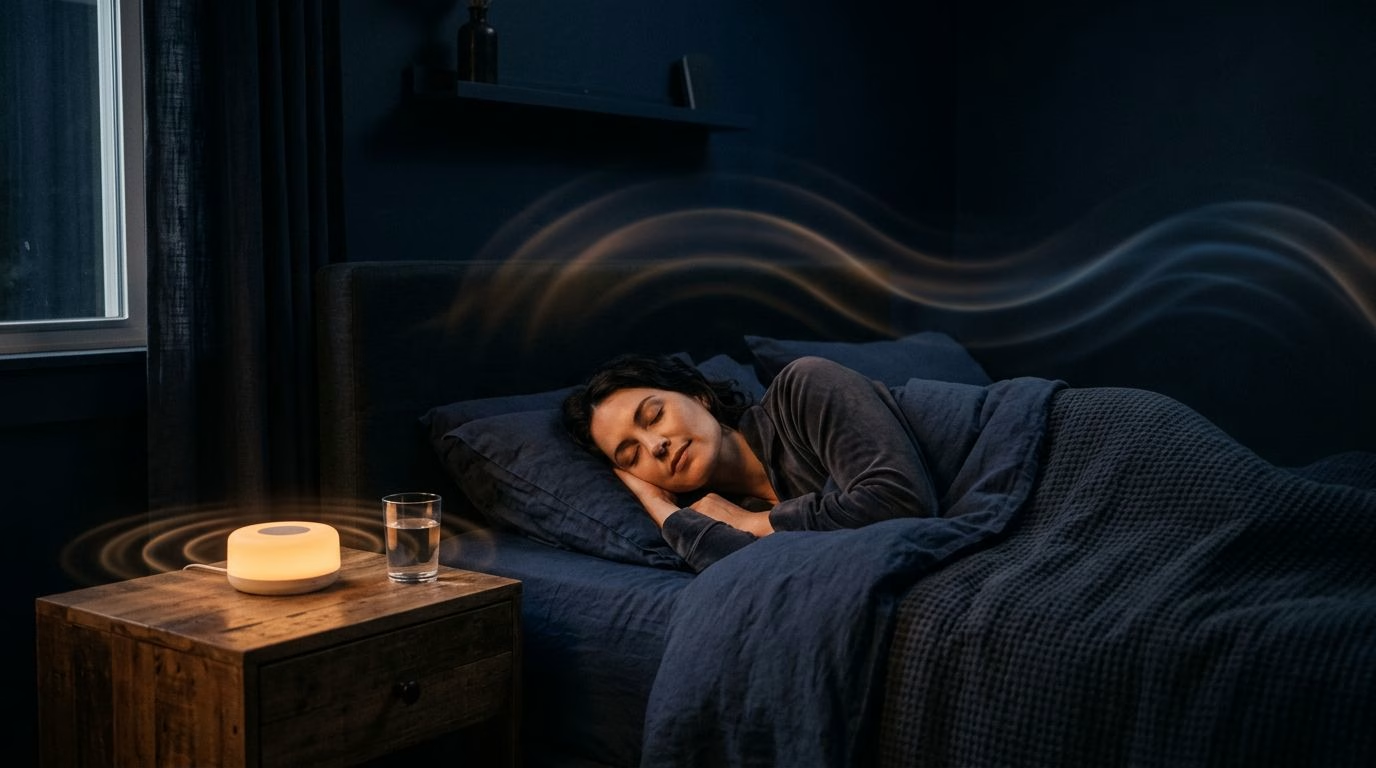
How to Sleep With Tinnitus: Nighttime Relief That Helps
Tinnitus often seems louder at night even when the sound itself has not changed. When the house goes quiet and distractions fade, the ringing, buzzing, or hissing sensations can take centre stage, making it challenging for many people to sleep with tinnitus. Poor sleep can also make the condition feel harder to handle the following…
-
·
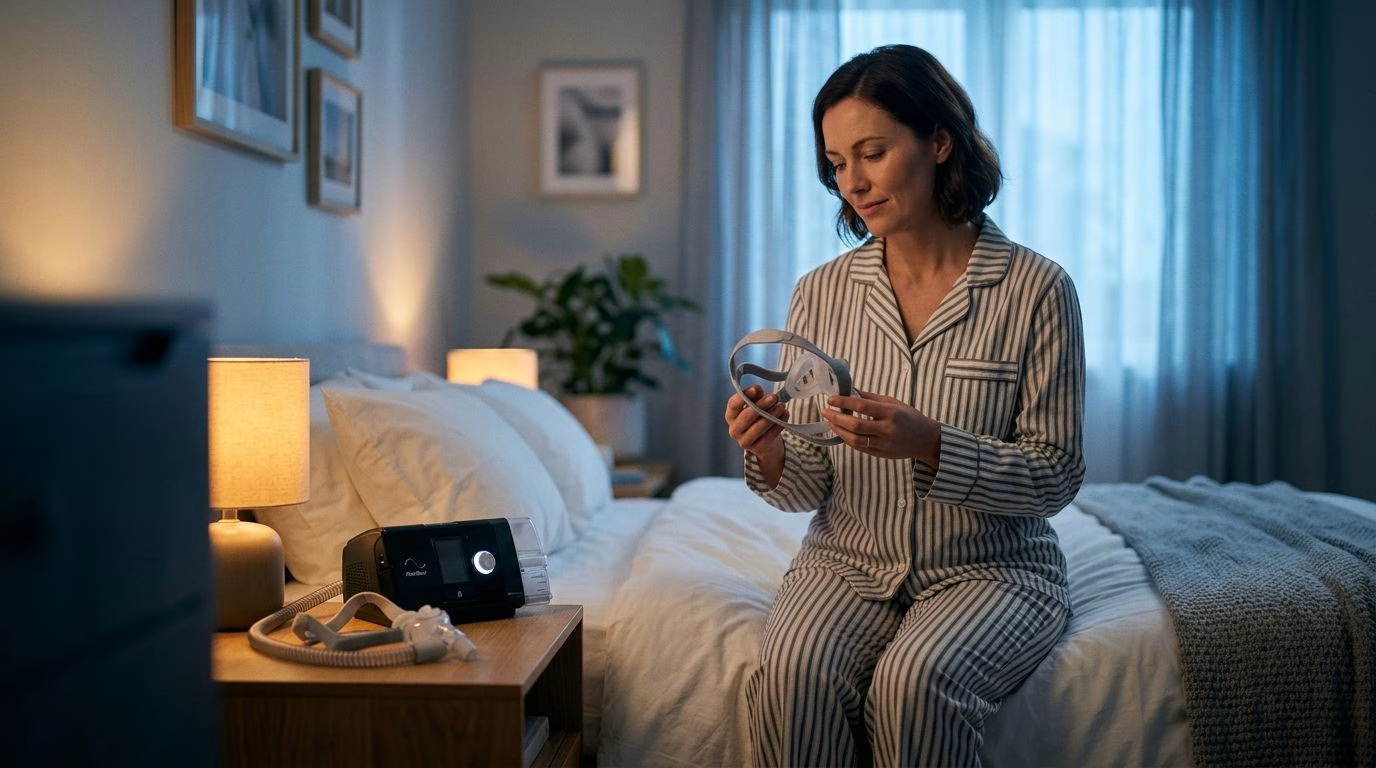
CPAP First Week: A Practical Comfort Guide
CPAP pushes ordinary room air, not oxygen, through your mask. That simple fact surprises many people when they begin CPAP therapy as a treatment for sleep apnea. Your CPAP first week can feel awkward, noisy, or far more emotional than expected. The aim is not a flawless eight-hour night straight away. It is to make…
-
·
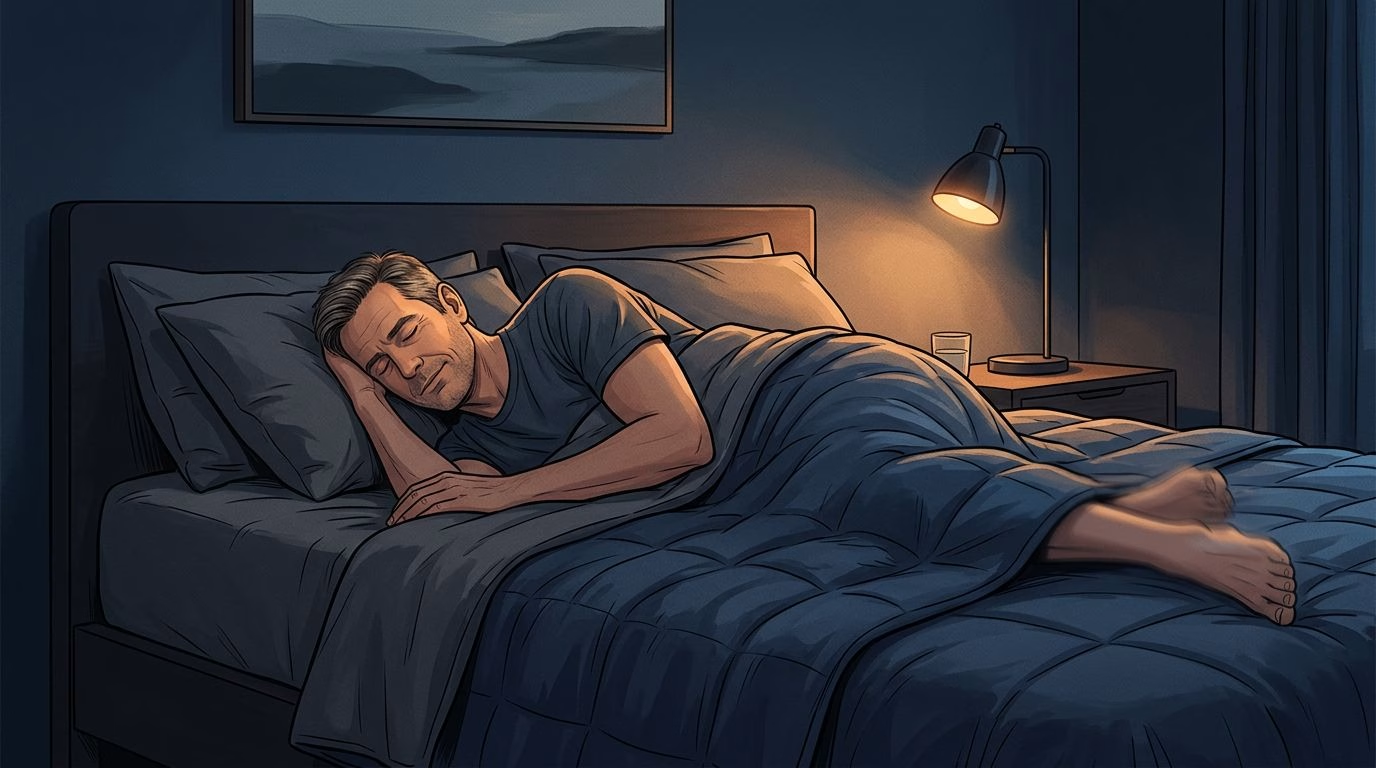
Periodic Limb Movement Disorder: Symptoms and Treatment
A leg can move repeatedly during sleep without waking its owner, yet still leave them exhausted by morning. Periodic limb movement disorder can fragment sleep in ways that are easy to miss, especially when a partner notices the movements first. The condition is treatable, but it needs a proper assessment. Frequent night-time movements can also…