-

·
Sleep Consistency Explained: Why Wake Time Matters Most
Your body can often cope with a later night better than a shifting alarm. That sounds backwards, because most sleep advice starts with bedtime. Yet sleep consistency is built from repeated timing cues, and the strongest one usually arrives when you wake. A steady morning tells your brain when to boost alertness, when to expect…
-
·
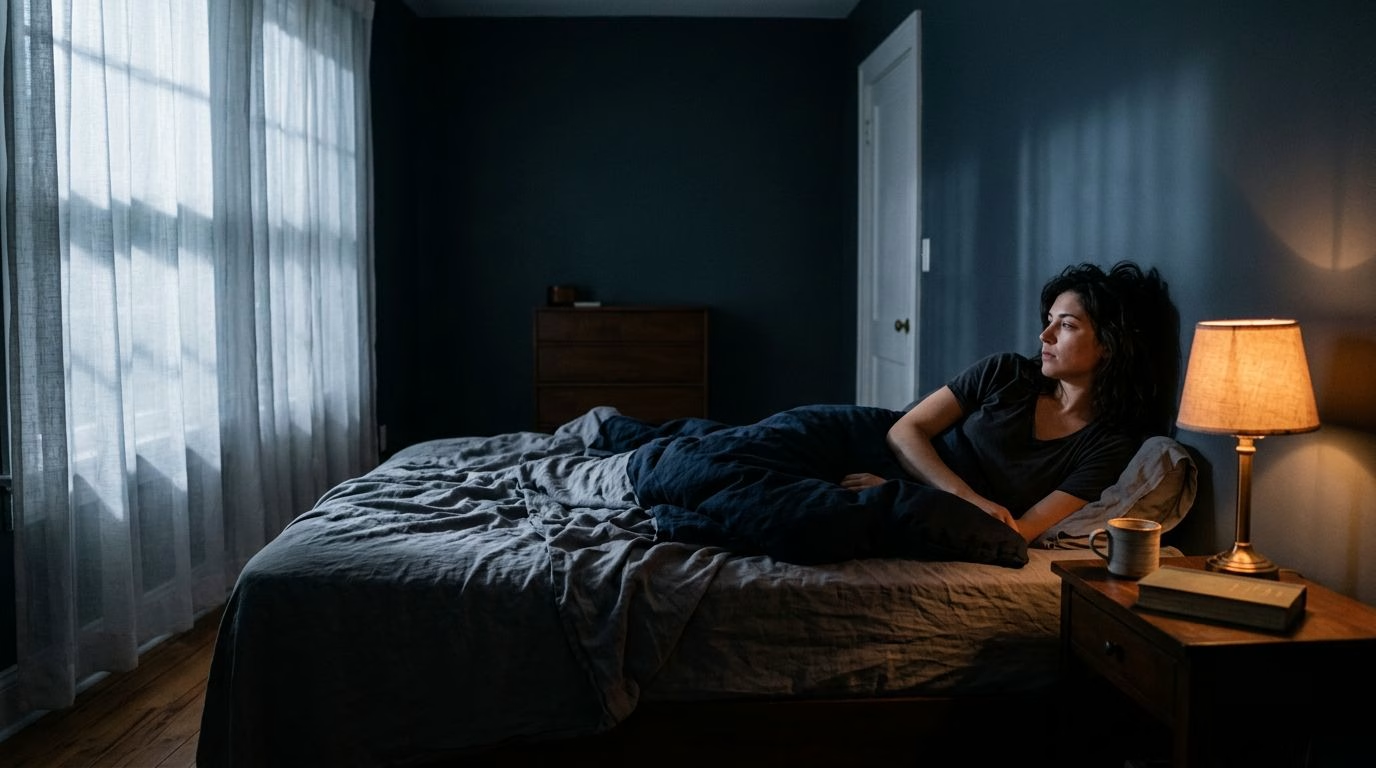
Sleep Maintenance Insomnia Explained: How To Fall Back Asleep
Most people wake briefly during the night, but many never remember it. The problem starts when you wake up, feel alert, and stay that way. If that happens often, you may be dealing with sleep maintenance insomnia, which means you can fall asleep at first but struggle to get back to sleep after waking. That…
-

·
Blue Light at Night: How Screens Delay Sleepiness
A bright phone held close to your face can act like a tiny lamp for your body clock. That matters because your brain uses light to decide when to feel awake and when to wind down. If you scroll in bed, you are not only filling time. You may be nudging sleepiness later than you…
-

·
Sleep Anxiety: Why Bedtime Fear Builds and How to Stop It
The harder you try to force sleep, the more alert you often feel. That is what makes sleep anxiety so draining. Bedtime stops feeling restful and starts feeling like a test you might fail. You may dread the pillow, watch the clock, or scan your body for signs of wakefulness. Then the fear of a…
-

·
Body Temperature And Sleep: How To Fall Asleep Faster
You usually fall asleep faster when your body cools, not when it warms. If you go to bed overheated, sleep can feel stubborn and far away. That’s why body temperature and sleep are so closely linked. Small changes, from cooler bedding to better bath timing, can help your body switch into night mode with less…
-

·
Sleep Debt Explained And How To Recover Without Oversleeping
Large population studies suggest about one in three adults get less than seven hours of sleep a night. If you’ve been shaving an hour off here and there, your body keeps track. That running shortfall is sleep debt, and it often shows up as brain fog, short temper, cravings, and low motivation before you feel…
-

·
A Personal Log: Coin Flips and Hand Putty for Post-Stroke Finger Tingling
Imagine a simple coin toss deciding your daily therapy. For one month, that was my reality as I documented a personal experiment to tackle persistent tingling in my little finger after a right-side stroke. Key Takeaways Consistent, gentle sensory stimulation can help recalibrate the brain’s connection to an affected limb. Simple, repetitive tasks like flipping…
-
·
Caffeine Timing For Calm Focus And Better Sleep
Caffeine doesn’t “add” energy, it blocks adenosine receptors, preventing the chemical adenosine from telling your brain you’re tired. That’s why the same coffee can feel like clean focus one day, and jittery overdrive the next. The difference often comes down to caffeine timing, not willpower. Get the timing right and you can feel steady, productive,…
-

·
Learn Your Chronotype: The Best Time For You To Sleep
Most people can feel wide awake at 22:30, while someone else is fighting sleep at 21:00. That isn’t a character flaw, it’s biology. If you’re forcing the wrong sleep schedule, life can feel like permanent jet lag. You might “do everything right” and still wake up groggy, crave caffeine too late, or hit a wall…