
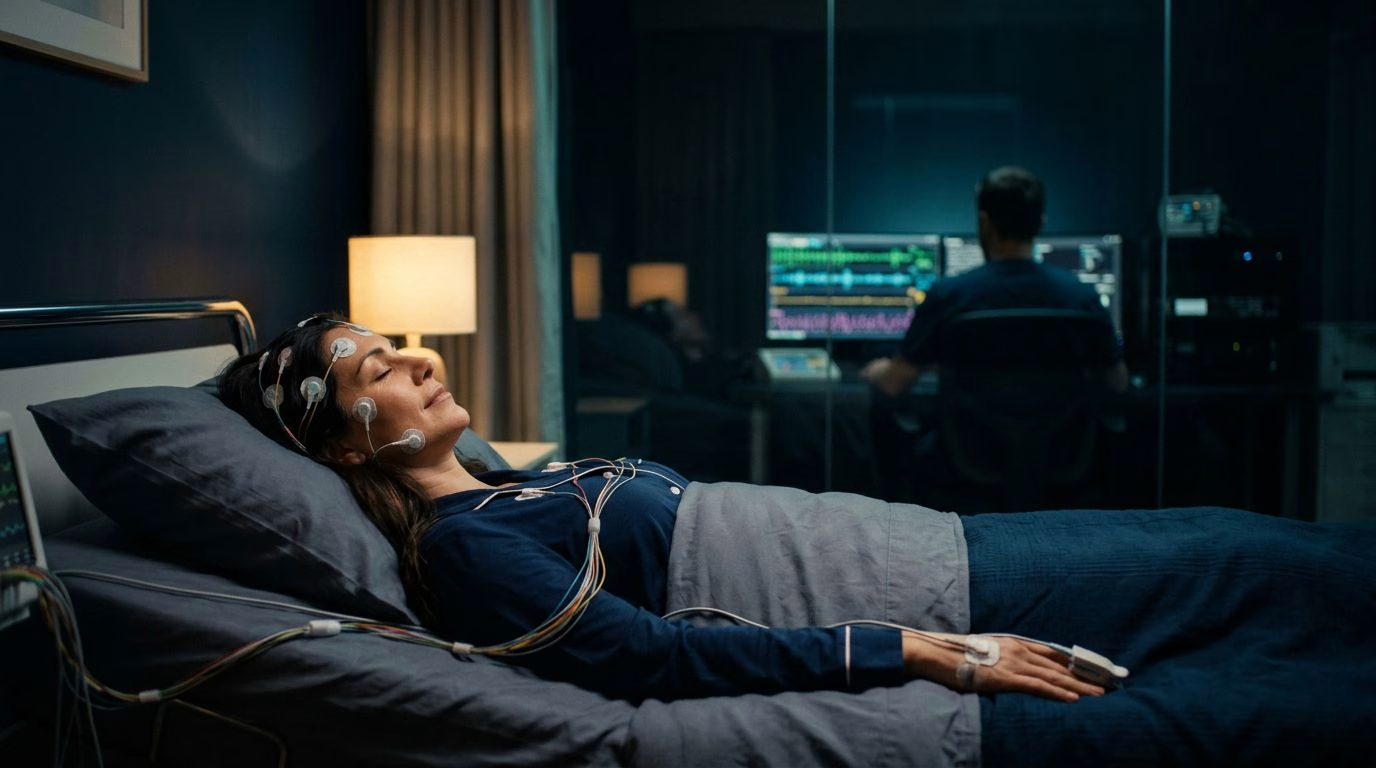
Most people wake briefly several times a night without remembering it. During a sleep study, clinicians record those changes, assessing breathing, brain waves, sleep quality and signs of possible sleep disorders.
The unfamiliar room, taped sensors and idea of being monitored can feel unsettling. However, you don’t need a perfect night’s sleep for the recording to help.
Knowing the routine before you arrive makes the experience feel far more manageable.
Key takeaways
- A laboratory sleep study, called polysomnography, records sleep, breathing, heart rhythm, oxygen saturation and movement.
- You usually arrive at the sleep center in the early evening, then leave after the equipment comes off the next morning.
- Small sensors attach to your scalp, face, chest, finger and legs with adhesive or soft straps.
- A technologist watches the signals from another room and can help if a lead comes loose.
- You can get up to use the toilet, although staff may need to disconnect and reconnect a few leads.
- Avoid alcohol, caffeine and afternoon naps unless your clinic gives different instructions.
- A poor night’s sleep rarely ruins the sleep study because clinicians assess many signals together.
- If early results show severe obstructive sleep apnea, some centres may begin pressure-mask treatment during a split-night study.
- A healthcare provider may select a home sleep apnea test for suitable patients, but it provides less detail than laboratory polysomnography.
What Happens During an Overnight Sleep Study
A sleep study is a detailed recording of what your body does while you sleep. It may take place in a sleep center, hospital ward room or specialist sleep laboratory. The room usually feels more like a basic hotel room than a hospital bay, with a bed, bathroom access and monitoring equipment nearby.
Clinicians use the sleep study when symptoms need more investigation than a simple snoring report can provide. The test can help assess sleep apnea, periodic limb movements, unusual sleep behaviours and some sleep disorders. It also records respiratory signals that may reveal breathing changes overnight.
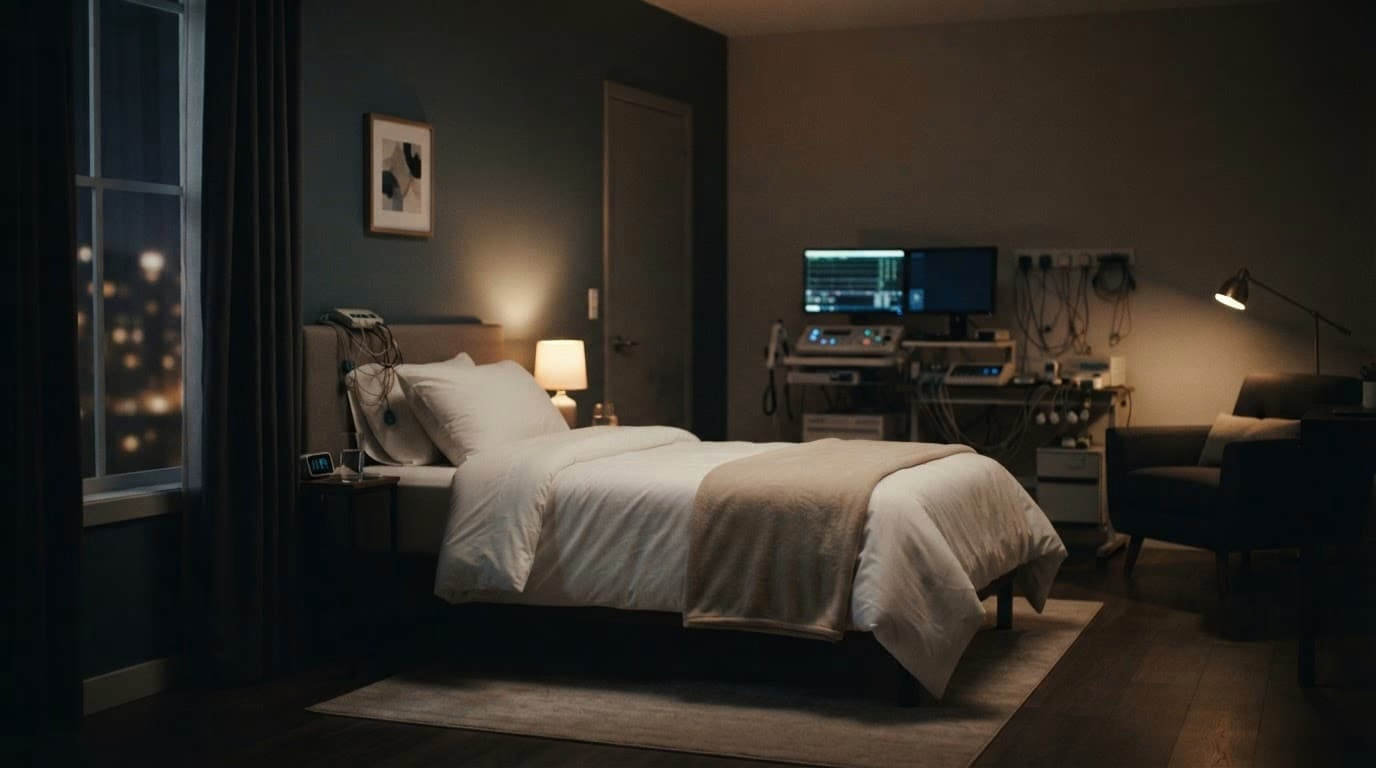
Polysomnography is a full recording that also shows sleep stages. This matters when someone wakes often, has possible REM sleep behaviour disorder or needs assessment for narcolepsy. An overnight recording often comes before a daytime multiple sleep latency test, sometimes called a nap study.
A home sleep apnea test can detect many cases of the condition. Yet in-lab polysomnography captures a wider range of brain waves, eye movements and sleep architecture, using more sensors than a home test.
Prepare Without Changing Your Usual Night
Your appointment letter takes priority because each sleep service has its own instructions. In general, keep your normal sleep routine before the sleep study to support good sleep hygiene. Don’t stay up deliberately late to make yourself exhausted, and don’t spend the day in bed hoping to “save” sleep.
Caffeine can delay sleep and change your normal pattern. Alcohol may make you sleepy at first, but it fragments sleep later and can worsen breathing events. Many NHS sleep services ask patients to avoid caffeine after 2 pm on the study day, alongside alcohol and daytime naps.
Use this practical plan unless your clinic tells you otherwise:
- During the week before, complete any sleep diary and wear any activity monitor your clinic has provided.
- On the day, eat your usual evening meal and avoid caffeine, alcohol and unplanned naps before your sleep study.
- Before leaving home, wash your hair and skin, then avoid oily creams, heavy make-up and hair products. They can weaken the adhesive contact needed for sensors.
- Pack loose nightwear, toiletries, prescribed medicines, glasses, a book and anything small that helps your bedtime routine.
Do not stop prescribed medication unless the healthcare provider who arranged the study tells you to. Some medicines affect sleep or breathing, but the team needs to know what you normally take.
For shift workers, tell the sleep clinic about your actual sleep hours as soon as you receive the appointment. A daytime recording may suit some schedules better, but the team must plan this in advance. Avoid an extra nap before the test unless they ask for one, because sleep pressure builds through time awake.
Arriving At The Sleep Centre
Most people arrive at the sleep center in the early evening. Set-up can take up to 90 minutes, although the exact timing varies. Some NHS services apply equipment from around 5.30 pm, while others ask patients to arrive closer to 7 pm.
A technologist, neurophysiologist or trained nurse will show you the room and explain what happens before the sleep study begins. They will ask about your medical history, usual bedtime, medication and any recent illness. Raise practical concerns with the healthcare provider arranging your appointment, including pain, anxiety, mobility needs or frequent toilet visits.
Many people worry that they will feel trapped by the equipment. Tell the technologist if you have claustrophobia or dislike things touching your face. The technologist can show you each of the sensors before fitting them and pause the set-up if you need a break. They can talk through a positive airway pressure mask trial while you are sitting upright.
The study records your usual sleep patterns as closely as possible. Staff expect you to move, wake up and need the toilet during the night.
Some rooms at the sleep center have video monitoring, usually with low light or infrared equipment. This helps staff match movements or unusual behaviours with the recording. It is part of the clinical test, not a test of how neatly you sleep.
The Sensors And Monitoring Equipment
The sensors used during a sleep study look more complicated than they feel. At the sleep center, most are light, flexible and connected to a small bedside recording box. A technologist uses mild paste to attach leads, then checks every signal before lights-out.
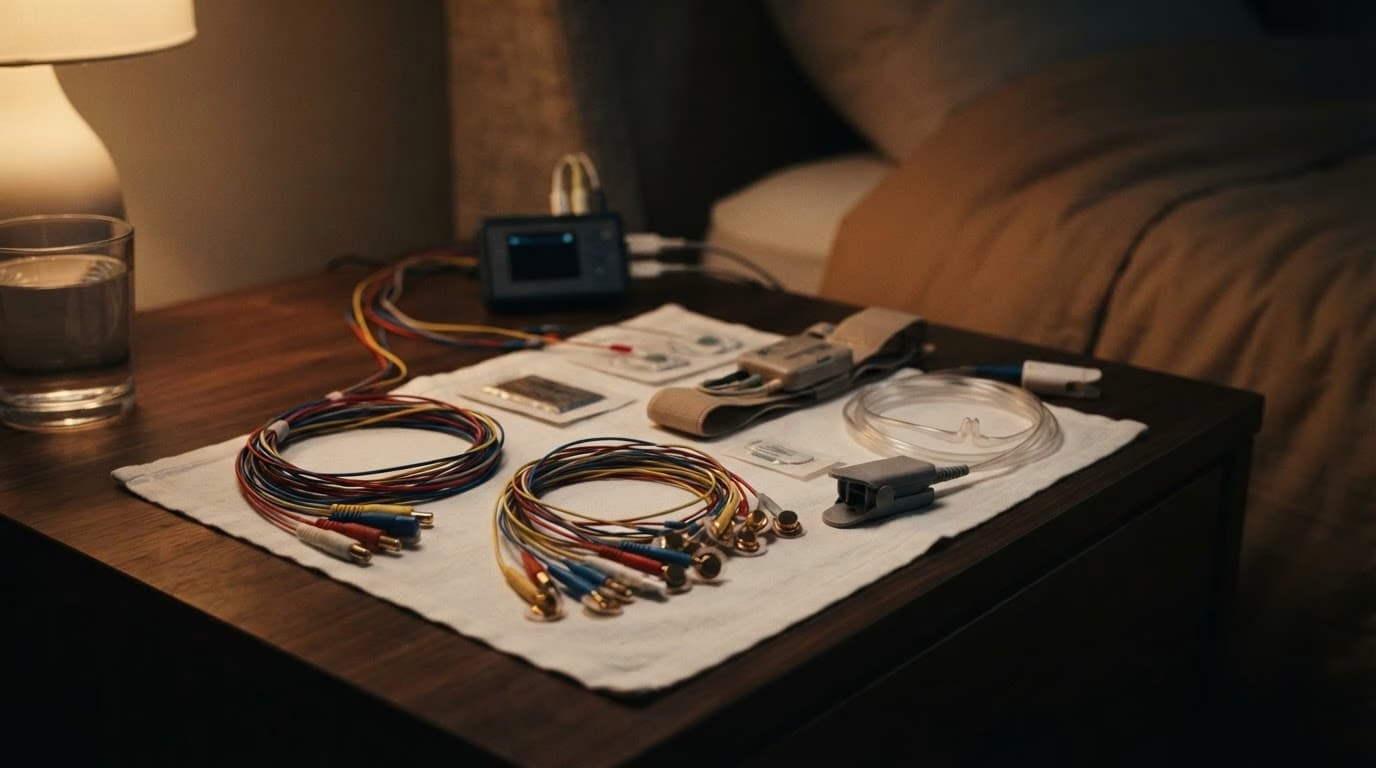
A full polysomnography setup often includes the following equipment and sensors.
| Signal | Typical Placement | What It Records |
|---|---|---|
| EEG (electroencephalogram) electrodes | Scalp | Brain waves and sleep stages |
| EOG leads | Near the eyes | Eye movements, including REM sleep |
| EMG (electromyogram) leads | Chin and legs | Muscle tone and limb movements |
| ECG pads | Chest or upper body | Heart rate and rhythm |
| Airflow lead | Under the nose | Breathing through the nose and mouth |
| Effort bands | Chest and abdomen | Respiratory effort |
| Pulse oximeter | Finger | Pulse and blood oxygen level |
| Position lead | Chest or body | Whether you sleep on your back or side |
The electrodes sit on the skin, and the sensors and wires allow some movement. You can usually turn over and sleep in your usual position. If a wire comes loose, staff can reattach it.
A standard overnight test does not involve needles, radiation or sedative medication. The common side effect is mild skin redness or itching where adhesive touched the skin. Shampoo and warm water normally remove paste from the hair the next morning.
The Night, Bathroom Breaks And Split-Night Studies
After the equipment check, the sensors begin recording your sleep study while you settle. Lights usually go out close to your normal bedtime where possible. You can read beforehand if the clinic allows it, but avoid scrolling on your phone once you are trying to sleep.
A technologist monitors the recording from a nearby control room at the sleep center. Staff may speak through an intercom if they need you to adjust position or if a signal drops out. You can also call for help if you feel unwell, need the toilet or become anxious.
For a bathroom break, the technologist usually disconnects the recording box or a few leads, then reconnects them when you return. This can feel inconvenient, but it is routine. Don’t pull off sensors or untangle cables alone.
A single restless night does not make the sleep study useless. Clinicians can often score respiratory events, oxygen changes, limb movements and disrupted sleep, even when you feel you barely slept. They also compare the recording with your symptoms and sleep diary.

Sometimes, the recording becomes a split-night study. If the team identifies enough early evidence of serious obstructive sleep apnea, they may fit a positive airway pressure mask for the second part.
CPAP delivers gentle pressurised air to keep the airway open. A split-night approach can show whether treatment improves airflow, oxygen levels and sleep disruption. It does not happen automatically, and some people need a separate fitting or titration night.
Home Tests And In-Lab Studies
A home sleep apnea test is often the first option for adults with straightforward symptoms of suspected sleep apnea. You collect the device, wear it in your own bed and return it the next day. It usually records airflow, breathing effort, pulse and oxygen saturation.
The choice depends on the clinical question. Your healthcare provider selects the test based on your symptoms and diagnostic needs.
| Home sleep apnea test | In-Lab Sleep Study |
|---|---|
| Takes place in your own bed | Takes place in a monitored sleep center |
| Focuses mainly on breathing and oxygen saturation | Records breathing, sleep stages, heart rhythm and movement |
| Uses fewer sensors | Uses a wider set of sensors and often video |
| May suit likely uncomplicated symptoms | Helps investigate complex symptoms or unclear results |
| Cannot confirm how much time you were asleep | Measures sleep and wake periods directly |
Signal failures or long periods awake can affect a home result, and a negative or technically poor test may need follow-up. It also cannot assess narcolepsy, detailed sleep stages, many sleep disorders or unusual night-time movements. In those cases, a sleep study using polysomnography gives the clinician a fuller recording.
How Results Are Scored And What Happens Next
The next morning, staff remove the sensors and you can wash away any paste. After the sleep study, you may feel tired after sleeping somewhere unfamiliar. Avoid driving if you feel too sleepy. Most people leave the sleep center or go to work, unless they are staying for daytime nap testing.
The technologist collects the data, but a qualified clinician interprets the final report. During the sleep study, the recording is usually reviewed in short blocks, often 30-second segments. This shows your sleep stages, including wakefulness, light sleep, deep sleep and REM sleep.
The report may include total sleep time, sleep efficiency, awakenings, oxygen levels, heart rate and limb movements. For suspected sleep apnea, it often reports the apnoea-hypopnoea index. This measures breathing events per hour of sleep.
Your sleep study results are rarely ready before you leave. Waiting times vary by NHS trust and clinic, so ask when to expect your follow-up appointment with a healthcare provider. Treatment may include airway pressure therapy, a mandibular advancement device, positional advice, medication review or another referral, depending on the findings.
If you use private medical insurance, ask for pre-authorisation before the test. Check whether the quote includes the overnight recording, specialist interpretation, consultation and any mask therapy trial. NHS referrals usually form part of your usual care, though parking and travel costs may still apply.
Conclusion
An overnight sleep study turns a confusing night of snoring, waking or daytime exhaustion into measurable information. The sensors may feel unfamiliar, but they are temporary, and staff expect normal sleep disruptions.
Follow your clinic’s preparation advice, take your usual nightwear and mention any worries before the equipment goes on. A clear record can support an accurate diagnosis and a treatment plan that fits your sleep.
FAQ
Can I Sleep On My Side During A Sleep Study?
Yes. The sensors and leads usually allow you to turn and change position. In fact, body position can help clinicians see whether breathing problems worsen when you sleep on your back.
What If I Cannot Fall Asleep At The Sleep Centre?
Tell the technologist if you are awake for a long time or feel anxious. They can check that the sensors are comfortable and note the delay. Even limited sleep often gives useful information.
Is A Sleep Study Painful?
No. The leads sit on the skin and do not use needles. Some people get mild redness or itching from adhesive, especially if they have sensitive skin.
Can I Wear Nail Varnish Or False Nails?
Ask your clinic before the appointment. A finger pulse oximeter needs good contact with the skin, so some centres ask you to remove nail varnish, gel polish or false nails.
What Is A Split-Night Study?
It records your usual sleep first, then may add treatment during the remaining hours if the findings support it. This can provide diagnostic and treatment information in one visit.
Can I Have A Home Sleep Apnea Test Instead?
Possibly. A healthcare provider decides whether a home test suits your clinical picture and symptoms. An in-clinic recording may be better when symptoms are complex or another condition needs checking.
How Long Does It Take To Receive Sleep Study Results?
The timing depends on the clinic’s reporting workload and follow-up process. Ask before you leave, as results often take days or weeks rather than arriving the next morning.
Does A Sleep Study Diagnose Narcolepsy?
An overnight recording can rule out other causes of sleepiness and assess your sleep pattern. However, suspected cases often need a nap study, formally called a Multiple Sleep Latency Test, the following day.
Can I Bring A Partner Or Family Member?
Policies vary between sleep centres. Contact the clinic beforehand if you need support because of anxiety, disability, language needs or another health condition.
Do I Need To Bring My CPAP Machine?
Bring it if the clinic asks you to, especially if you already use it. If the study is assessing untreated breathing problems, the team will tell you whether to leave it at home.
Leave a Reply