
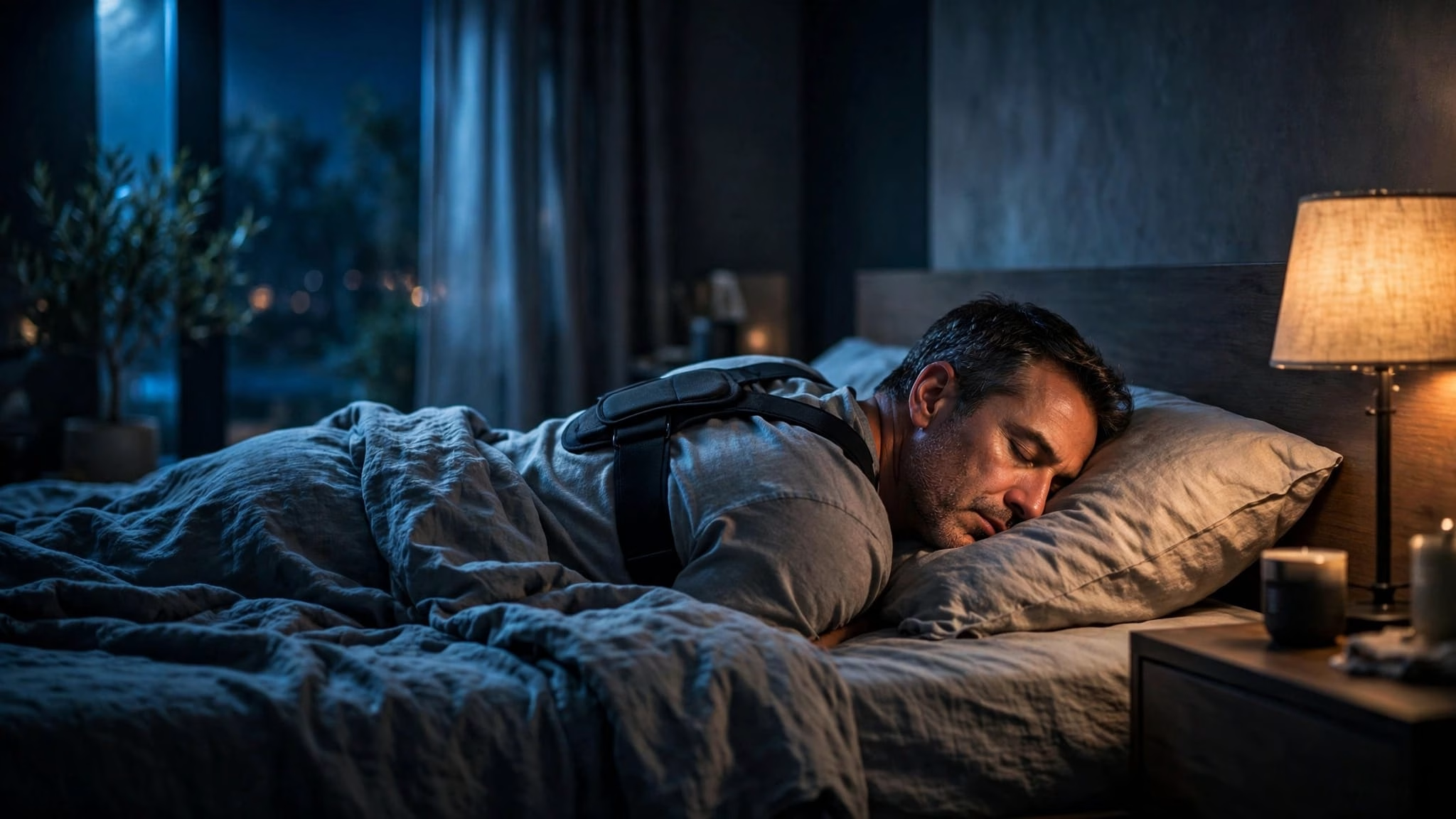
Sleeping in the supine position can worsen airway obstruction and trigger repeated breathing pauses for some people. Positional therapy sleep apnea treatment aims to keep you off your back, but it targets positional obstructive disease, not every form of sleep apnoea.
If you snore, wake gasping, or feel exhausted despite enough time in bed, don’t assume these symptoms confirm obstructive sleep apnoea or that side-sleeping is a cure. The right approach starts with knowing what happens in your own sleep.
Key Takeaways
- Positional therapy may help people whose obstructive sleep apnoea is much worse when they sleep on their back.
- A sleep study can compare breathing events in side and back positions, which helps identify positional disease.
- CPAP usually reduces breathing events more than positional therapy, especially in moderate or severe sleep apnoea.
- NICE advises considering positional modifiers for mild or moderate positional OSAHS when other options are unsuitable or not tolerated.
- Simple aids include body pillows, adapted nightwear, belts and backpack-style devices.
- Vibro-tactile trainers detect back-sleeping and use gentle vibration to prompt a position change.
- Quieter snoring doesn’t prove that breathing pauses have stopped or that oxygen desaturation is no longer occurring.
- Chest, shoulder, neck and back discomfort can limit use and disrupt sleep quality, so comfort matters as much as device choice.
- Persistent daytime sleepiness, gasping or drowsiness at the wheel needs prompt medical advice.
What Positional Sleep Apnoea Means
Obstructive sleep apnoea happens when throat tissues narrow or close the upper airway during sleep. Your chest keeps trying to breathe, but airflow reduces or stops until a brief arousal restores it.
Positional obstructive sleep apnoea is a pattern within that condition. Breathing events happen far more often when you’re lying flat on your back than when you sleep on your side.
Why Back-Sleeping Can Block The Airway
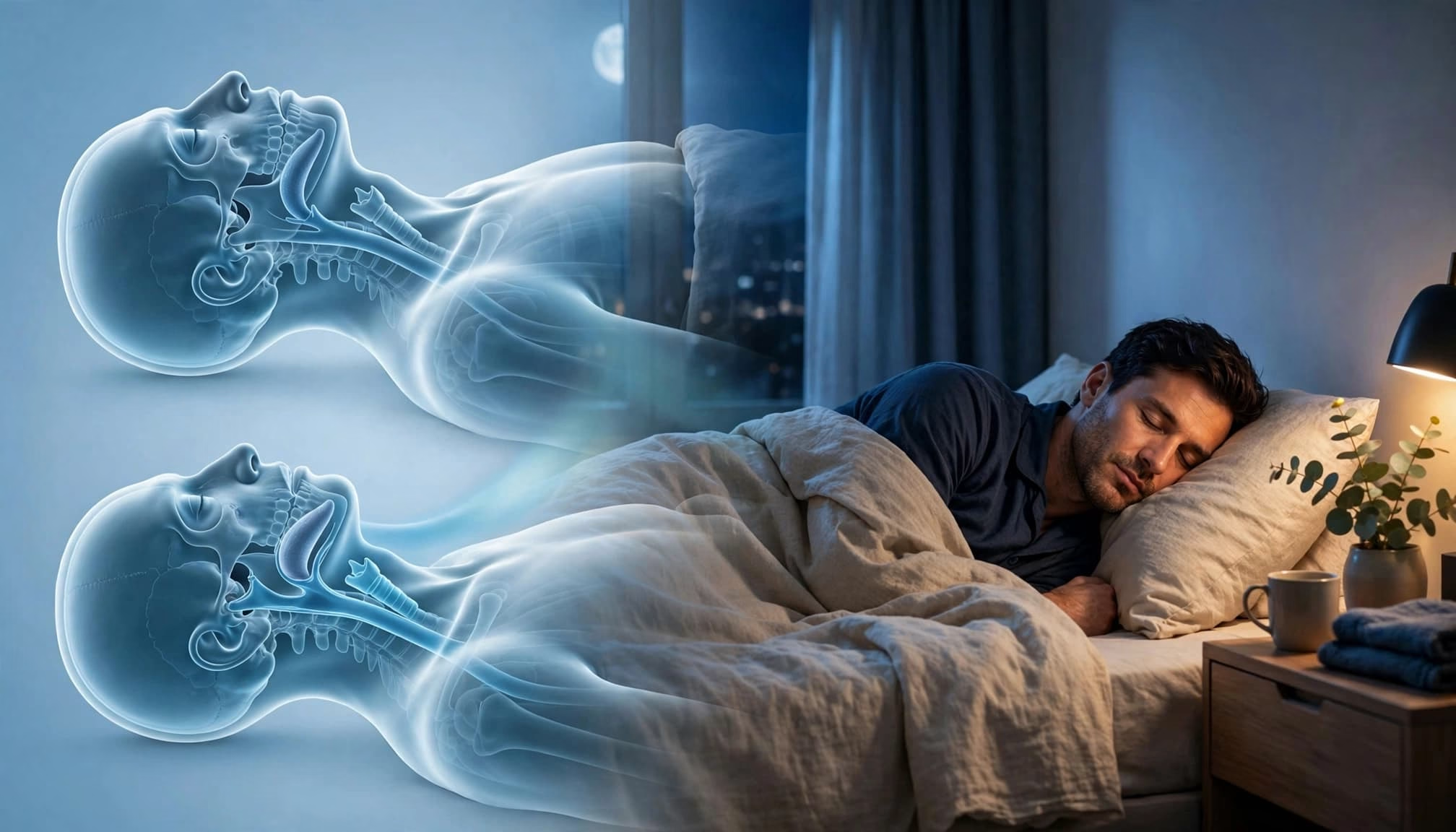
During sleep, the muscles supporting the tongue and soft palate relax. In the supine position, gravity can pull these tissues backwards towards the throat, increasing airway obstruction.
That extra narrowing may cause snoring, hypopnoeas and full apnoeas. Sleeping in the lateral position often creates more space behind the tongue, although it can’t overcome every cause of airway collapse.
Alcohol near bedtime and sedating medicines can make this pattern worse. Speak to a GP or pharmacist before changing prescribed medicines.
Positional OSA Is Not A Symptom Checklist
A partner may notice chronic snoring or louder snoring when you’re on your back, but neither observation can diagnose positional disease. Not all obstructive sleep apnoea is position-dependent.
Researchers often define the condition as an apnoea-hypopnoea index (AHI) in the supine position that is at least twice the non-supine AHI. Some studies also require a non-supine AHI below 10 events per hour. Sleep services use their own clinical judgement because definitions vary.
Who Positional Therapy Sleep Apnea Treatment Helps
This approach suits adults with confirmed positional obstructive sleep apnoea when testing shows substantially fewer events during side-sleeping. It is most relevant when the supine position causes far more events and oxygen dips than side-sleeping.
Your overall AHI still matters, as do symptoms, health history, sleepiness, oxygen levels and driving safety. An Epworth sleepiness scale score may complement the clinical assessment.
Mild And Moderate Positional OSAHS
NICE states that a positional modifier can be considered for mild or moderate positional OSAHS when other treatments are unsuitable or not tolerated. This non-invasive treatment may suit people who cannot get comfortable with a CPAP mask.
A low non-supine AHI supports this approach, but clinical efficacy should be judged by objective breathing results and symptoms. If events continue frequently on your side, avoiding your back alone is unlikely to control the condition.
When It Is Usually Not Enough
NICE says positional modifiers are unlikely to work for severe obstructive sleep apnoea (OSAHS). Substantial oxygen desaturation, marked sleepiness, cardiopulmonary illness or safety-sensitive work all warrant specialist review.
Don’t replace prescribed CPAP with a backpack, pillow or wearable solely because your non-supine AHI is low. Discuss changes with your sleep team, since easier treatment isn’t worthwhile if frequent events remain untreated.
Get A Sleep Study Before Buying A Device
A home sleep apnoea test may suit some adults with a straightforward concern about obstructive sleep apnoea. It can record airflow, respiratory effort, oxygen levels and body position, but may not capture every relevant detail.
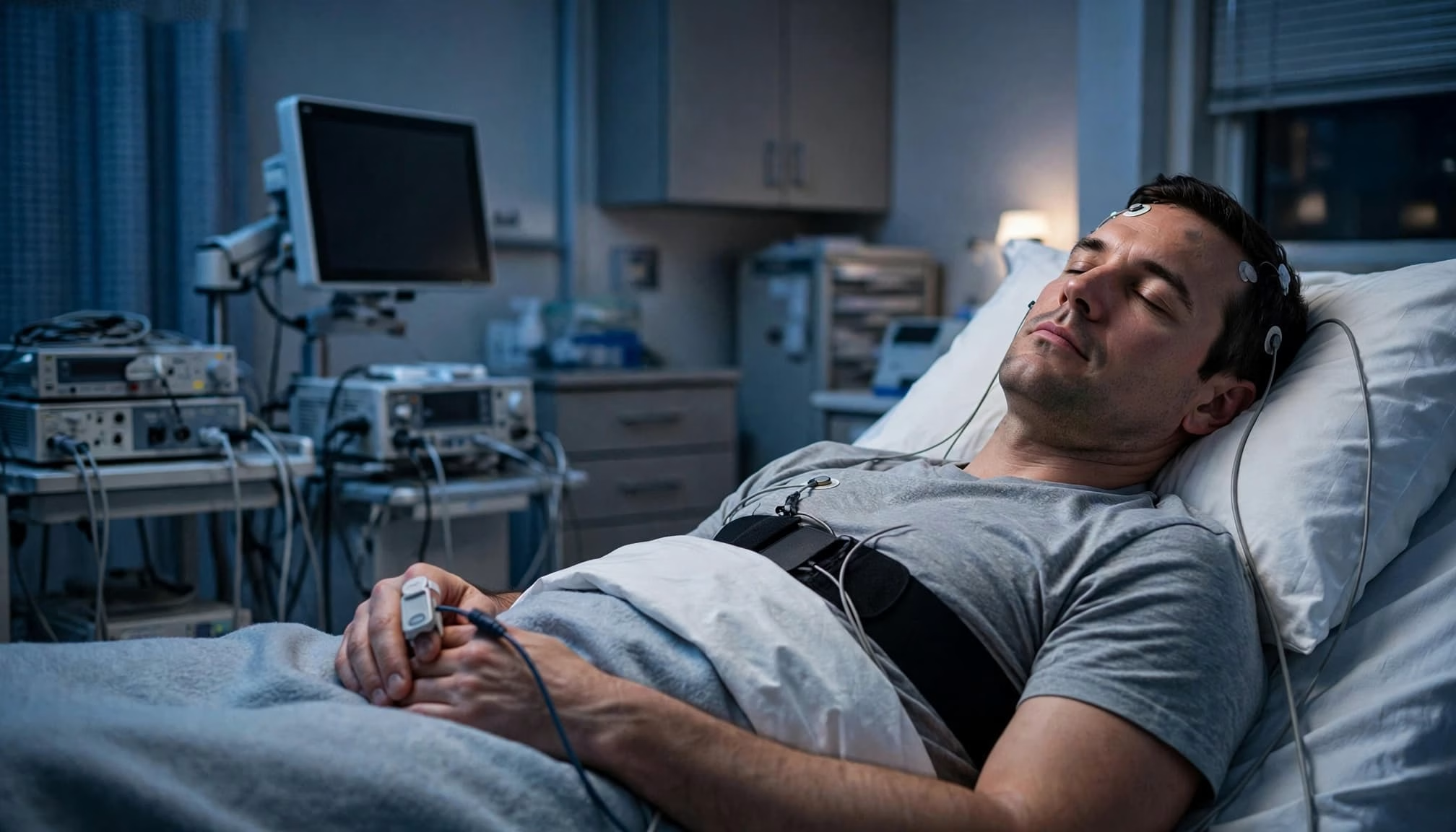
An overnight laboratory polysomnography assessment captures more information. Polysomnography can record sleep stages, eye movements, heart rhythm, limb movements and brief arousals, alongside breathing signals.
Ask For Position-Specific Results
Request the AHI while supine and non-supine, if your report includes both. Also ask how much time you spent in each position.
Ask whether the report shows time in a lateral position and how much REM sleep was recorded. A short period on your side may not be enough to judge treatment, especially if obstruction varies by sleep stage.
Bring The Full Symptom Picture
Tell the clinician about witnessed pauses, choking, dry mouth, nocturnal urination, morning headaches, chronic snoring and daytime fatigue. The Epworth sleepiness scale helps describe daytime sleepiness, while oxygen desaturation adds context to event counts.
Mention alcohol use, nasal blockage, pain, shift work and medicines. Your partner’s observations can also help, particularly if you remove a mask or roll onto your back without knowing.
Positional Therapy And CPAP Are Not Equal Treatments
Continuous positive airway pressure, known as CPAP, uses a mask and pressurised air to hold the airway open. It treats obstructive sleep apnoea by preventing collapse in any sleeping position, including the supine position, when worn properly.
Positional therapy aims to reduce obstruction caused by back-sleeping. It doesn’t apply air pressure or directly support the airway.
CPAP Gives Stronger Airway Control
A Cochrane review of randomised controlled trials found that CPAP reduced AHI more than positional therapy. This is why CPAP remains the standard treatment for many people with moderate or severe obstructive sleep apnoea.
CPAP can also protect you on nights when congestion, alcohol, REM sleep or an unconscious turn onto your back worsens obstruction. If a mask feels intolerable, practical adjustments can make a real difference.
Checking mask fit, leaks, pressure discomfort and dry mouth can make early adjustment easier. These changes may also improve sleep quality.
Comfort Can Improve Real-World Use
Some people use a positional device more consistently because there’s no mask, hose or airflow sensation. In one trial of exclusive positional OSA, a sleep position trainer had higher average nightly use than APAP.
That result doesn’t mean the trainer suits everyone. Treatment adherence only matters when the treatment controls your breathing well enough.
Quiet snoring isn’t proof of effective treatment. Follow-up testing matters because apnoeas can continue without loud snoring.
Choose A Positional Device That You Can Tolerate
Positional aids range from low-cost physical barriers to sensor-based wearables. They’re intended for selected cases of positional obstructive sleep apnoea, not everyone. Sleep habits, shoulder pain and bed-sharing all affect comfort and mobility.
Avoid devices that force your neck into an awkward angle or restrict natural movement. Discomfort, disturbed sleep and other adverse effects can quickly affect sleep quality and end a promising plan.
Physical Barriers And Side-Sleeping Support
Traditional options make sleeping in the supine position unpleasant or impractical. These include a tennis ball sewn into nightwear, a small backpack, a belt, a foam wedge and adapted sleep vests.
A body pillow can support the upper arm and knees, helping maintain a side-sleeping position and reducing the urge to roll backwards. Yet pillows don’t reliably hold everyone in place and may cause discomfort. Keep the pillow high enough to support your neck without pushing your chin towards your chest.
Vibro-Tactile Sleep Position Trainers
Modern trainers use sensors to detect when you’re sleeping on your back. A sleep position trainer, or vibration alarm device, uses vibro-tactile feedback to prompt a turn. It doesn’t physically force the body to move.
NightBalance is a historical example of this category, rather than a recommendation. Some trainers have been studied in randomised controlled trials, but those results won’t predict an individual’s response.
Cost, availability, comfort and follow-up support vary, as can the effect on sleep quality. Check what your sleep service recommends before buying privately.

Start Positional Therapy Gradually
Begin with a plan agreed with your clinician, especially if you have diagnosed obstructive sleep apnoea. Your report should show that reducing time in the supine position is likely to reduce events.
Give your body time to adapt, aiming for a tolerable reduction in back-sleeping rather than forced immobility. Sudden restrictions can cause discomfort or repeated awakenings. Poor sleep quality may make you abandon the device before judging it fairly.
Use A Short Adaptation Period
Wear the device for part of the evening while reading or watching television. This can help you notice pressure points before you try to sleep.
For the first week, use extra pillows to support a stable side position. Keep bedding light enough that turning feels easy. If you wake repeatedly, check the fit rather than tightening the straps further.
Track Symptoms And Practical Problems
Keep a two-week record of device use, back or shoulder pain, awakenings, snoring reports and daytime alertness. Include colds, alcohol, unusual stress and nights away from home.
A partner can note whether they still hear gasping or long pauses. Consumer wearables cannot diagnose apnoea or confirm treatment efficacy. Their position data may still help you spot patterns worth discussing.
Watch For Discomfort And Treatment Gaps
Positional devices can cause chest pressure, upper-back, shoulder or neck discomfort. These adverse effects may disrupt sleep. People with arthritis, chronic pain, limited mobility or a recent injury may need a different approach.
A rigid device can also make it harder to settle after waking. If the aid worsens your sleep, daytime tiredness may persist even if you spend less time supine. Comfort matters for adherence and quality of life.
A quieter night or better comfort doesn’t prove that airway obstruction has resolved. Residual events may still cause oxygen desaturation, especially if you move into another sleep position.
Stop And Ask For Advice When Needed
Contact your sleep clinic if you wake choking, stay unusually sleepy, develop pain that makes you stop treatment, or suspect the device isn’t working. Persistent sleepiness or gasping may mean obstructive sleep apnoea remains untreated. Ask for an earlier review if your partner still sees frequent pauses.
Avoid driving when sleepiness affects safe driving. Discuss this promptly with your GP or sleep service, because reduced alertness can increase crash risk.
Follow-up may include home monitoring or polysomnography, depending on your symptoms and clinical advice. Your clinician may review AHI, oxygen levels and other respiratory parameters to check whether treatment is controlling events.
Long-Term Benefits Are Still Unclear
Most positional therapy studies focus on AHI, sleepiness and short-term use. Randomised controlled trials have not yet proved that positional devices provide long-term cardiovascular benefit.
That gap is a reason for measured follow-up, not pessimism. A position trainer may be a useful treatment when testing confirms it works for you.
Review Results Instead Of Guessing
Feeling better is encouraging, but it doesn’t replace objective assessment. Snoring can fall while oxygen dips and breathing events remain. Review should assess respiratory parameters and sleep quality, not snoring alone.
Your sleep service may arrange a repeat sleep study, device data review or another follow-up assessment. Polysomnography may provide more detail. Follow-up can show whether the supine position remains a trigger.
Know When To Consider Other Treatments
If positional therapy leaves a raised AHI, residual events, persistent symptoms or oxygen desaturation, ask your clinician to reassess obstructive sleep apnoea. CPAP, APAP or an oral appliance may be discussed, based on severity, testing, symptoms, anatomy, tolerance and clinician advice. A mandibular advancement device needs dental assessment, fitting and a check that it controls apnoea.
Weight management, treating nasal congestion and reducing alcohol near bedtime can support care and quality of life. They shouldn’t replace effective prescribed treatment without a clinical review.
FAQ
Can Side-Sleeping Cure Sleep Apnoea?
Side-sleeping can reduce obstruction for people with positional sleep apnoea. It doesn’t cure every form of obstructive sleep apnoea. A sleep study and follow-up results should guide treatment decisions.
Is Positional Therapy Suitable For Severe Sleep Apnoea?
Usually, it isn’t enough on its own. NICE says positional modifiers are unlikely to be effective in severe OSAHS. Speak to a sleep specialist about CPAP or another treatment plan.
What Is The Tennis Ball Technique?
It involves placing a tennis ball or similar object in the back of nightwear. This low-cost positional aid makes sleeping in the supine position uncomfortable and encourages side-sleeping. It isn’t a diagnostic tool or universally effective treatment, and it can cause back discomfort or poor sleep.
Are Positional Therapy Devices Available On The NHS?
Availability varies by NHS trust and local sleep service. Your clinician can explain whether a positional modifier is suitable and whether the service supplies one. Buying a private device without review can delay more effective care.
Can I Use Positional Therapy With CPAP?
Yes, some people use both. Side-sleeping may reduce pressure needs, mask leaks or snoring, but your clinician should review any pressure changes. Don’t change CPAP settings or stop prescribed treatment without clinical advice.
How Quickly Should Positional Therapy Work?
A device can reduce back-sleeping from the first night. However, comfort and consistent use often take several weeks. Repeat testing gives a clearer answer than judging one night.
What Side Effects Can Positional Devices Cause?
Common adverse effects include upper-back, chest, shoulder or neck discomfort. Some people wake more often because the device restricts their preferred position. Stop using it and seek advice if pain is significant or persistent.
Can A Pillow Replace A Positional Device?
A body pillow may make side-sleeping more comfortable, but it can’t reliably stop everyone rolling onto their back. It works best as support alongside a treatment plan based on sleep-study data.
Conclusion
Positional therapy can reduce breathing events when obstructive sleep apnoea occurs mainly in the supine position. It is a targeted option, not a substitute for proper assessment or a universal replacement for CPAP.
The next step is to ask your GP or sleep service whether your test confirmed this pattern. Objective results, comfort, regular use, sleep quality and quality of life should guide the treatment you continue with.
Leave a Reply