-
·
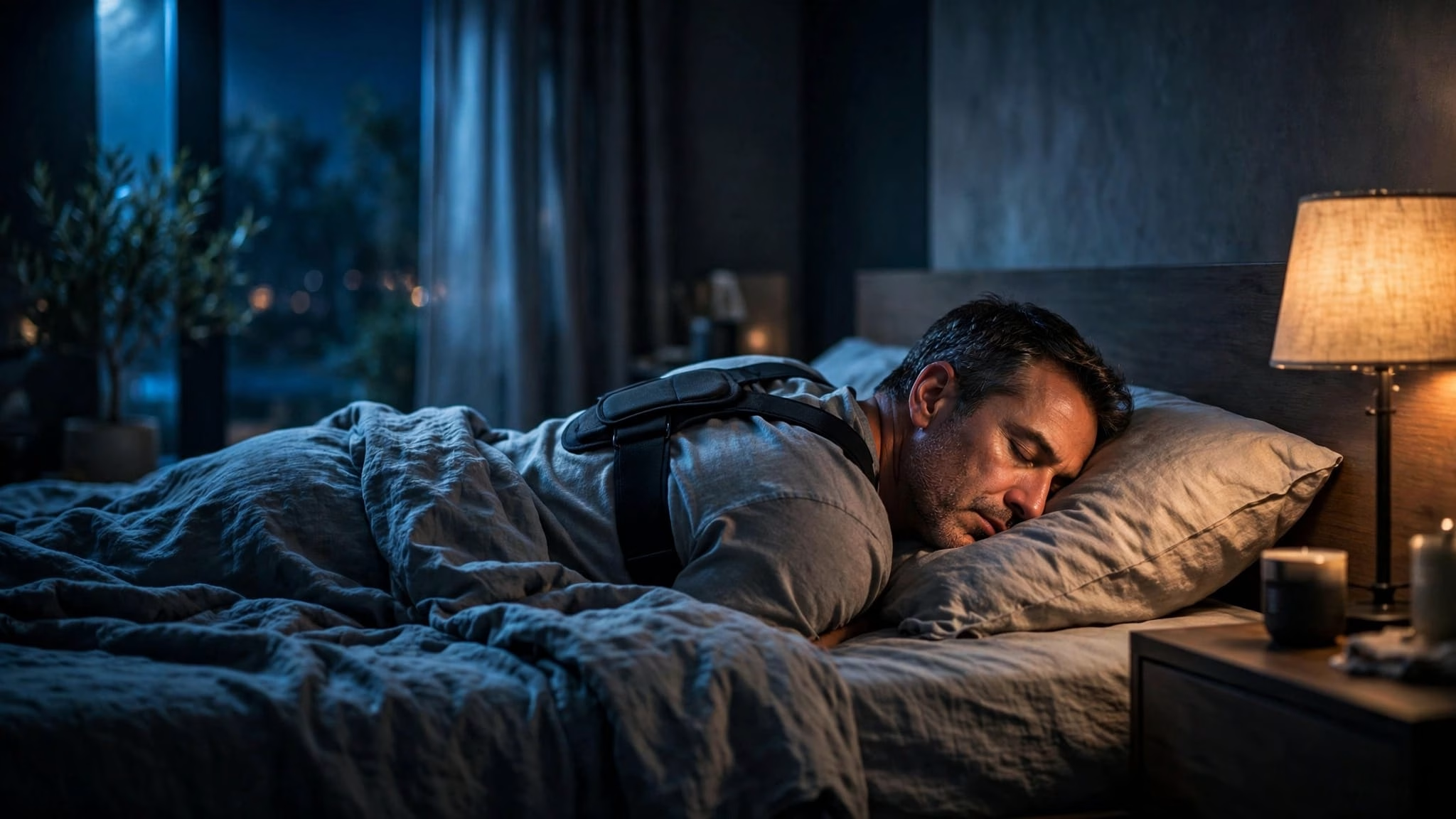
Positional Therapy For Sleep Apnea: Who It Helps And How To Start
Sleeping in the supine position can worsen airway obstruction and trigger repeated breathing pauses for some people. Positional therapy sleep apnea treatment aims to keep you off your back, but it targets positional obstructive disease, not every form of sleep apnoea. If you snore, wake gasping, or feel exhausted despite enough time in bed, don’t…
-

·
Adult Bedwetting During Sleep: Causes and When to Seek Help
Adult nocturnal enuresis is thought to affect up to 3% of adults. A single accident can feel upsetting, but adult bedwetting is a health symptom, not a personal failing. It may follow an unusual evening or a short-lived change in your health. However, wetting that starts suddenly, recurs, or disrupts daily life deserves a proper…
-

·
Confusional Arousals in Adults: Causes, Treatment and Safety
An adult can sit up, speak, and even argue while still partly asleep, then remember none of it by breakfast. The confusional arousals adults experience can look frightening because the person appears awake without being fully conscious. These episodes often follow disrupted or insufficient sleep. They can also point to an untreated condition, the effects…
-
·
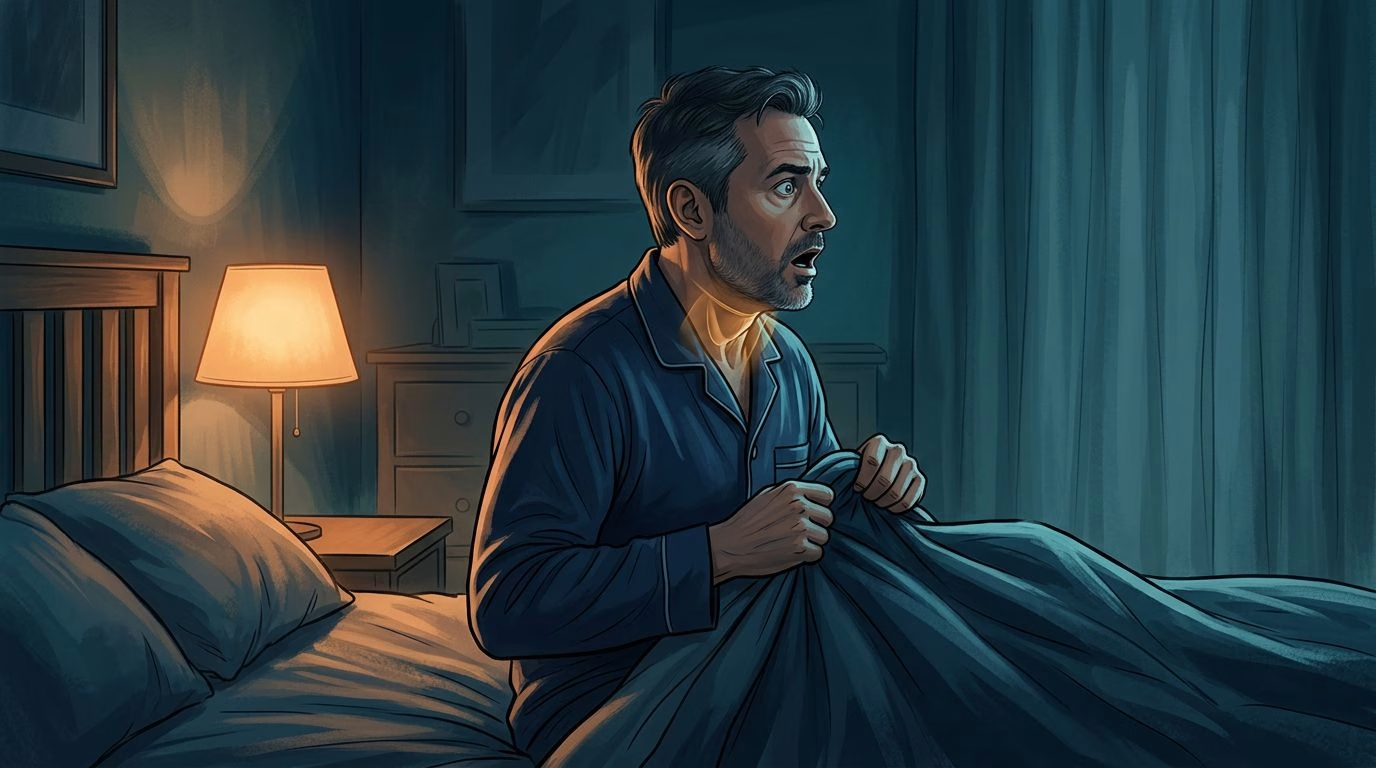
Sleep-Related Laryngospasm: Why You Wake Gasping
A sleep-related laryngospasm is a sudden closure of the vocal cords during sleep. This closure is usually brief, but it can cause a genuine suffocation sensation without completely blocking the airway. With sleep-related laryngospasm, you may wake with coughing and choking or a sharp, high-pitched sound as air returns. The episode can feel much longer…
-
·
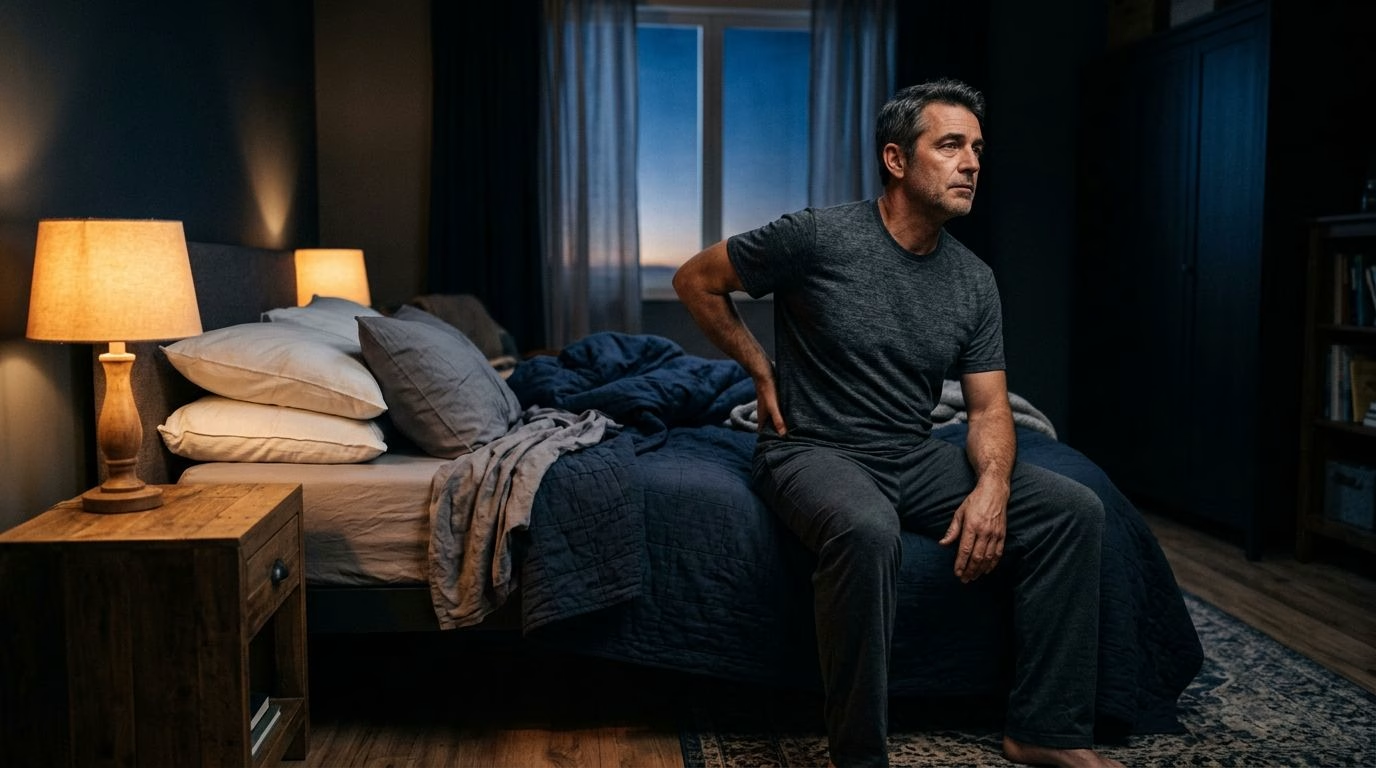
Insomnia and Chronic Pain: A Practical Way Out
Estimates suggest that 50% to 80% of people living with persistent pain also experience sleep problems. This can leave you exhausted before the day has even begun. A poor night often heightens pain the next day, then makes the following bedtime feel threatening. Treating sleep and pain as linked problems can gradually reduce that pressure.…
-

·
Night Leg Cramps at Bedtime: Causes and Relief
A leg cramp can begin when you have been completely still, often pulling you from sound sleep. The sudden hard knot in your calf or foot is painful, but these muscle cramps, known as night leg cramps, are common and usually pass without lasting harm. The pain may last seconds or several minutes. However, the…
-

·
Best Pillow Height for Neck Pain: Find Your Fit
An adult head weighs about 4.5 to 5.5 kg, and your head and neck rely on proper support for hours each night. A pillow that holds your head at the wrong angle can leave you stiff before the day has begun. Finding the correct pillow height is essential to ease neck pain, though this measurement…
-

·
How to Sleep Better During Pregnancy Without Risky Shortcuts
Dealing with sleep deprivation during pregnancy doesn’t always call for more time in bed. A steady wake-up time often helps your body clock reset for the following night, which can ease the frustration of pregnancy insomnia. Learning how to sleep better during pregnancy means working with a changing body, rather than trying to force sleep…
-
·
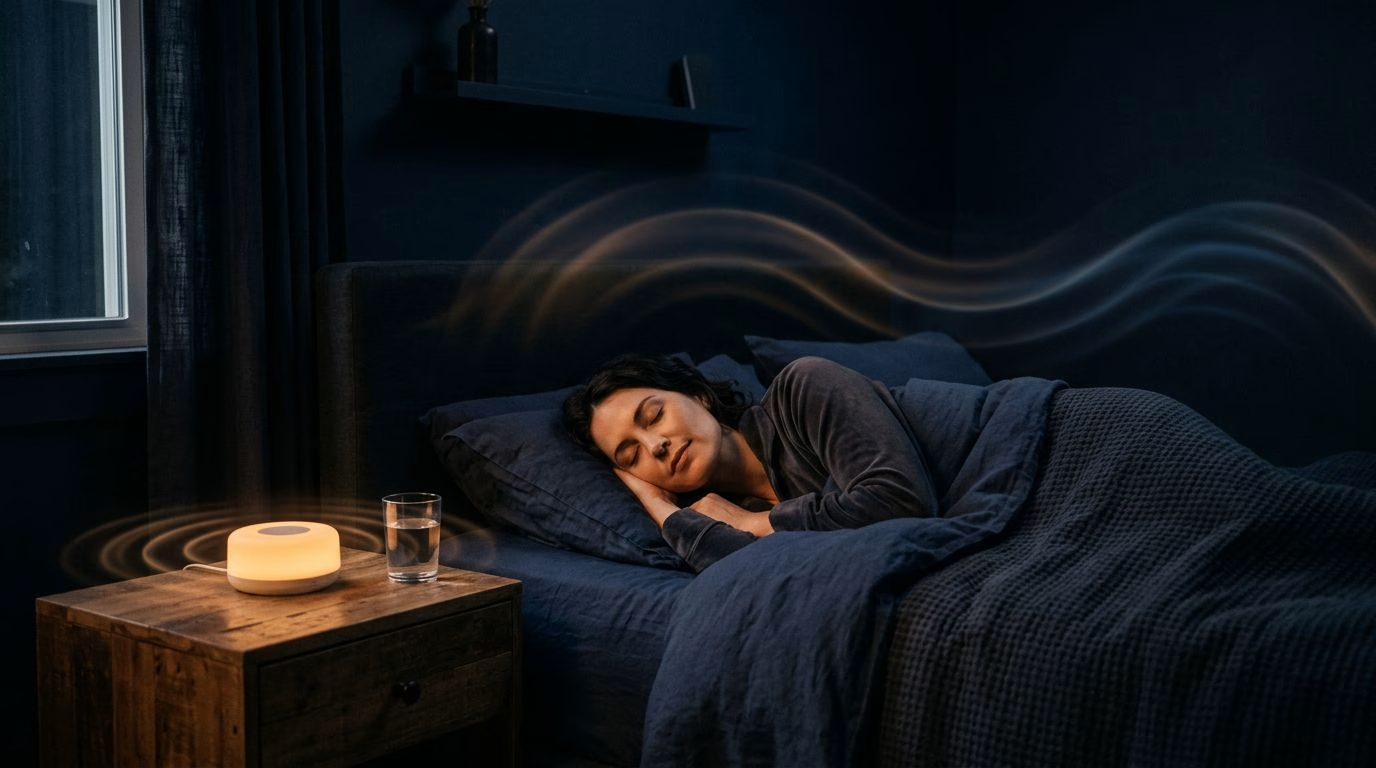
How to Sleep With Tinnitus: Nighttime Relief That Helps
Tinnitus often seems louder at night even when the sound itself has not changed. When the house goes quiet and distractions fade, the ringing, buzzing, or hissing sensations can take centre stage, making it challenging for many people to sleep with tinnitus. Poor sleep can also make the condition feel harder to handle the following…
-
·
CPAP First Week: A Practical Comfort Guide
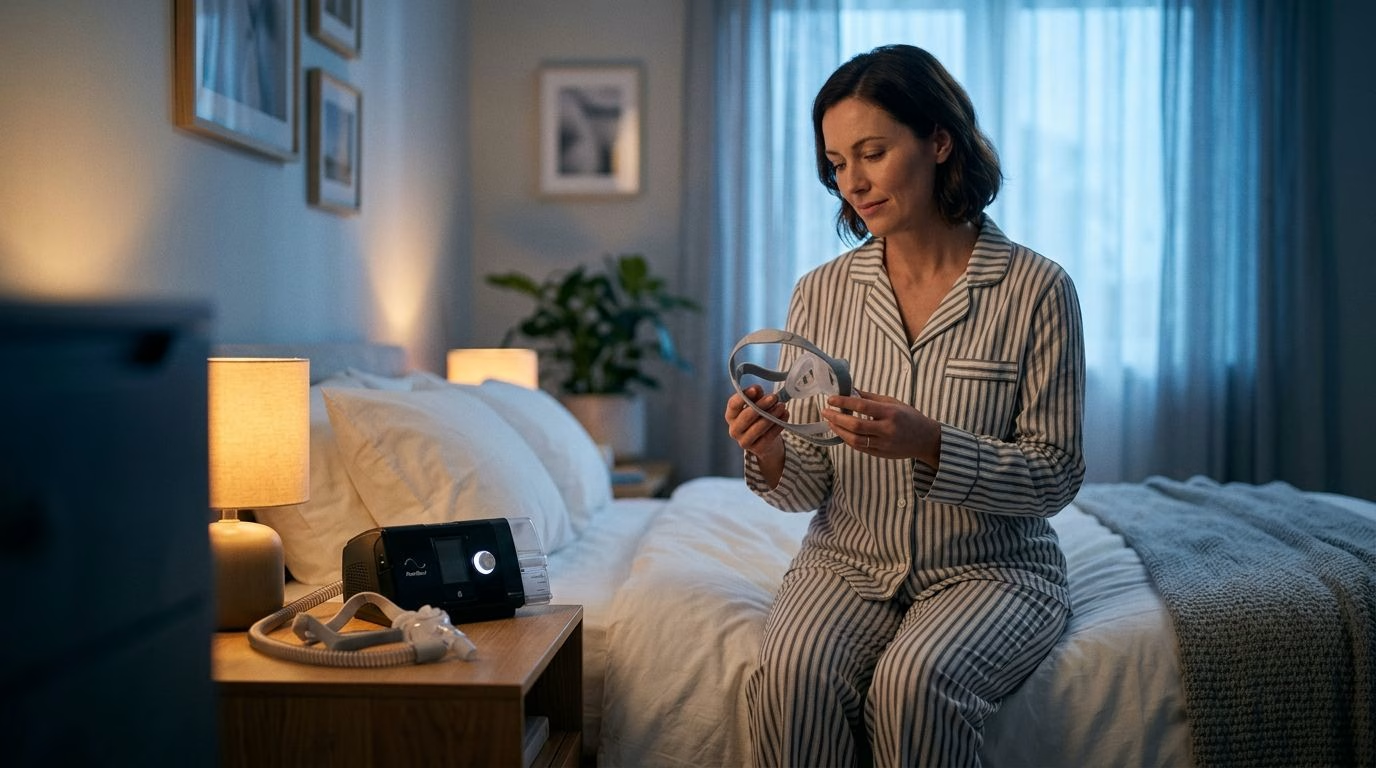
CPAP pushes ordinary room air, not oxygen, through your mask. That simple fact surprises many people when they begin CPAP therapy as a treatment for sleep apnea. Your CPAP first week can feel awkward, noisy, or far more emotional than expected. The aim is not a flawless eight-hour night straight away. It is to make…
-

·
Perimenopause Sleep: Causes and Practical Help
A hot flush can wake you before you fully register feeling hot. For many women, that is where perimenopause sleep issues begin: a sudden 3 am wake-up, damp sheets, racing thoughts, and no easy route back to sleep. Poor sleep during perimenopause can feel personal, yet it often has a physical cause. Hormone shifts affect…
-
·
Sleep Hallucinations: Causes, Clues and When to Get Help
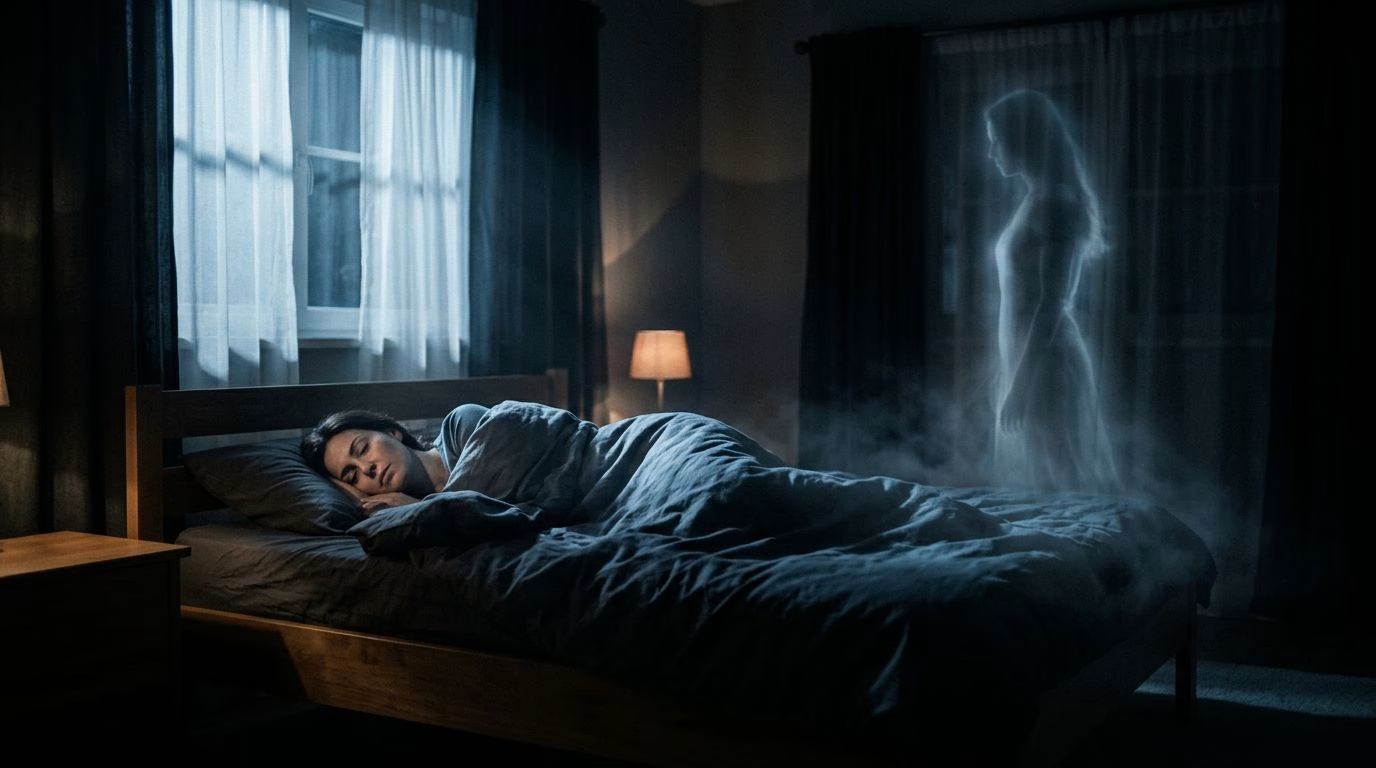
Seeing a vivid figure at your bedside can be a startling experience, even when you are fully awake. These sleep hallucinations can feel alarming, especially when the visions seem completely real, yet many occur as a natural part of the transition between being asleep and being alert. They are often harmless and brief. However, frequent…
-
·
Sleeping Too Much: Causes, Risks and When to Get Help
Most adults need around seven to nine hours of sleep, yet waking after a long lie-in can still leave you feeling drained. Oversleeping once in a while is often harmless, especially after illness, travel, stress, or several short nights. Regularly needing long sleep, however, can be different. If you find yourself sleeping too much, with…
-
·
Progressive Muscle Relaxation Sleep and Bedtime Anxiety
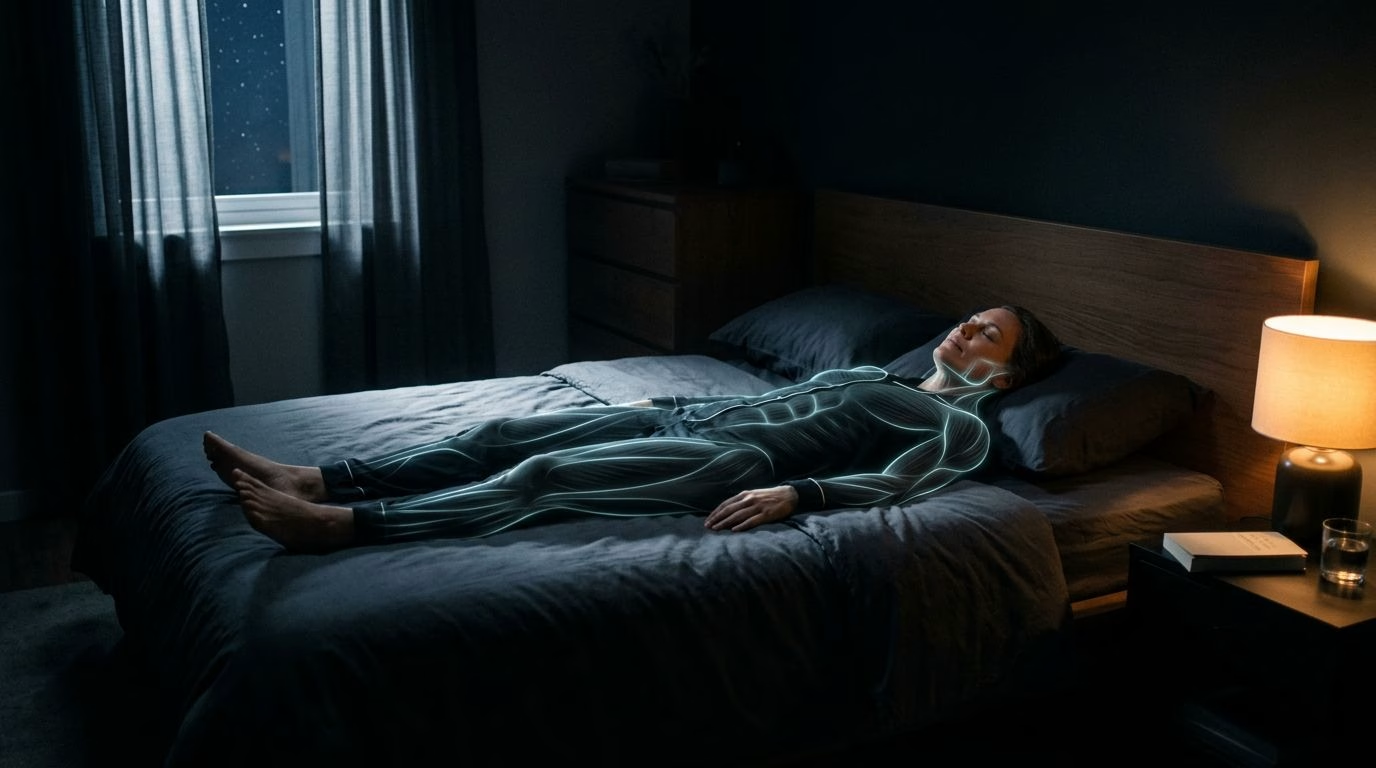
You can feel exhausted and still go to bed with your muscles braced for danger. That mismatch is one reason bedtime anxiety feels so draining. When your jaw is tight, your shoulders are lifted, and your stomach is clenched, your brain reads those signals as a signal to stay alert. This relaxation technique helps transition…
-

·
Sleep Pressure Explained: How To Fall Asleep Easier
You can’t force sleep, but you can build the drive for it. That’s what sleep pressure, the result of sleep-wake homeostasis, does, and when it works well, bedtime feels less like a fight. If you lie awake, feel wired at night, or work odd hours, the problem may not be “bad sleep” alone. Often, your…
-

·
Social Jet Lag Explained and How to Fix Your Sleep
You can feel jet-lagged without leaving home. That’s what social jet lag does when your work alarm and your weekend lie-in pull your biological clock in opposite directions. If Monday morning feels like a red-eye flight, circadian misalignment between your inner clock and societal expectations may be the issue with your sleep schedule, not your…
-

·
Sleep Inertia Explained: How To Wake Up Faster
You can be awake and still feel partly asleep. That foggy, slow, heavy spell has a name: sleep inertia. It can make your brain feel like it’s loading in stages. You’re up, but your focus, mood, and reaction time haven’t caught up yet. The good news is that it usually passes, and a few smart…