
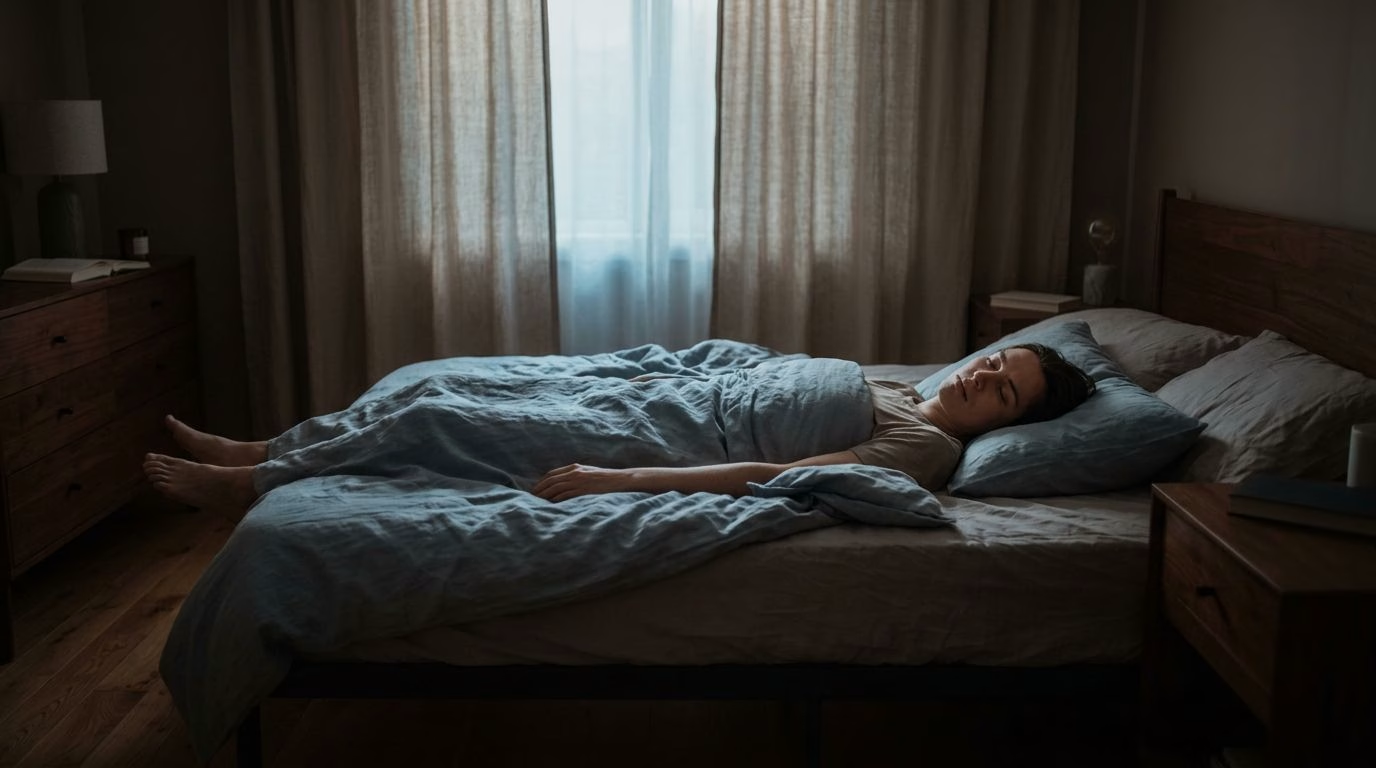
Most adults need around seven to nine hours of sleep, yet waking after a long lie-in can still leave you feeling drained. Oversleeping once in a while is often harmless, especially after illness, travel, stress, or several short nights.
Regularly needing long sleep, however, can be different. If you find yourself sleeping too much, with a consistent need for nine, 10, or more hours, you may be experiencing hypersomnia. If you still struggle through the day despite these long periods of rest, your body may be signalling a problem worth checking.
Key Takeaways
- Most adults function best with seven to nine hours of sleep each night.
- A few long nights after illness, poor sleep, or heavy exercise are usually normal.
- Sleeping for long periods and still feeling unrefreshed can point to poor quality sleep, hypersomnia, or an underlying health issue contributing to excessive sleepiness.
- Obstructive sleep apnea, low mood, thyroid problems, medicines, and alcohol can all increase the need for sleep.
- Long sleep is linked with poorer health in studies, although it does not always cause those problems.
- Keeping a sleep diary for two weeks can help you spot patterns before speaking to a GP.
- Contact your GP if your sleep habits affect your work, driving, relationships, or your ability to manage daily life.
- Do not drive if you feel drowsy enough to struggle to stay alert.
How Much Sleep Is Too Much for Adults?
The NHS advises that most adults need between seven and nine hours of sleep each night. Some people naturally need a little more, particularly teenagers, young adults, athletes in intensive training, and people recovering from an infection.
The issue is not usually a single 10-hour sleep. Your sleep need can rise after a run of late nights, a demanding week, jet lag, or a bad cold. While occasional oversleeping might help you repay sleep debt, it cannot fully replace the benefits of consistent, nightly rest.
Concern starts when long sleep becomes your normal pattern and does not restore you. You may need an alarm to wake after 10 hours, fall asleep on the sofa most afternoons, or struggle to stay alert during meetings. In that situation, the key question is not only how long you sleep. It is also whether that sleep feels restorative.
| Pattern | Often Less Concerning | Worth Discussing With a GP |
|---|---|---|
| Longer sleep after a late night | Returns to normal within days | Continues for weeks |
| Weekend lie-in | You feel alert afterwards | You remain exhausted all day |
| Extra sleep during illness | Improves as you recover | Fatigue continues after recovery |
| Nine or more hours nightly | You feel well and function normally | You still doze off or cannot concentrate |
Long sleep can be normal for you if you wake refreshed, stay awake through the day, and have no other symptoms. A sudden change in how much you sleep deserves more attention. Maintaining a consistent routine helps support a healthy sleep-wake cycle, so any persistent shift in your habits is worth monitoring.
Sleep length matters, but daytime alertness often tells you more about sleep health.
Poor Sleep Quality Can Look Like Too Much Sleep
You can spend 10 hours in bed without getting 10 hours of restorative rest. Brief awakenings may be so short that you do not remember them, yet they can still interrupt the deeper stages of sleep your brain and body need, often resulting in lingering brain fog the following day.
Obstructive sleep apnea is a common example of this disruption. The airway narrows or closes repeatedly during the night, which can cause snoring, gasping, restless nights, morning headaches, and significant excessive sleepiness during the day. While being overweight can raise the likelihood of this condition, people of any body size can develop sleep apnea.
Restless legs syndrome can also break up your rest. It causes an uncomfortable urge to move the legs, often occurring in the evening or at night. Furthermore, periodic limb movements may wake a partner or disturb your own sleep cycle without fully waking you.
Your bedroom environment and daily schedule are also vital components of good sleep hygiene. A warm room, street noise, late-night alcohol, shift work, and bright phone screens can all reduce the quality of your rest. Although alcohol may help you fall asleep faster, it often fragments your sleep later in the night.
A sleep tracker can show broad patterns, but it cannot diagnose sleep apnea or measure sleep stages with clinical accuracy. Use such devices as a prompt to notice your personal habits, rather than as definitive proof that something is wrong.
Common Causes of Sleeping Too Much
Several physical and emotional factors can make you sleep longer or feel as if you could sleep all day. Sometimes, more than one factor is involved.
Sleep debt is one of the simplest causes. If you have slept five or six hours on work nights, your body may push for longer recovery sleep when you finally have the chance. This pattern usually improves when you keep a steadier bedtime for several weeks.
Depression and low mood can change sleep in different directions. Some people wake early and cannot return to sleep. Others, often those experiencing clinical depression, sleep for long periods, stay in bed, and still feel heavy and tired. Loss of interest, low mood, hopelessness, changes in appetite, or poor concentration add useful context to these symptoms.
Medicines and substances can cause drowsiness. Antihistamines, some antidepressants, strong pain medicines, anti-anxiety medicines, and certain epilepsy treatments are common examples. Alcohol, cannabis, and other recreational drugs can also affect sleep quality and alertness the following day. Do not stop prescribed medicine without advice from a GP or pharmacist.
Physical health conditions may play a part. An underactive thyroid, iron deficiency anaemia, diabetes, chronic pain, and some infections can cause fatigue. It is helpful to distinguish between primary hypersomnia, which is caused by issues within the brain’s sleep-regulating systems, and secondary hypersomnia, where excessive sleepiness results from another medical condition or medication. Fatigue is not always the same as sleepiness, as fatigue feels like low energy, whereas sleepiness means you may drift off when sitting still.
Sleep disorders need proper assessment. Idiopathic hypersomnia is a condition that causes severe daytime sleepiness, long unrefreshing sleep, and difficulty waking. While idiopathic hypersomnia shares similarities with other conditions, narcolepsy is distinct; it can cause sudden sleep episodes and, for some people, cataplexy, which is a brief loss of muscle strength triggered by emotions such as laughter. If you suspect you have narcolepsy or another sleep disorder, professional diagnostic testing is essential.
Shift work creates another challenge. Sleeping at times that clash with your circadian rhythm may leave you tired even after enough hours in bed. Night shifts, early starts, and rotating rotas can all disrupt the natural biological rhythm that controls your sleep and wakefulness.
Health Risks Linked With Long Sleep
Studies often find an association between habitual long sleep and poorer health outcomes. These include depression, obesity, type 2 diabetes, heart disease, stroke, and earlier death. However, this does not prove that longer sleep causes these conditions.
In many cases, an existing illness may make someone sleep longer. For example, untreated sleep apnoea, pain, depression, or inflammation can increase time in bed while lowering sleep quality. That is why it is more useful to look for the underlying cause than to force yourself to sleep less.
Long hours in bed can still create practical problems. You may move less, miss daylight, skip meals, or become less active socially. Those changes can affect your overall mental health, mood, and make your sleep pattern drift later.
Headaches and grogginess can also follow oversleeping. A late wake-up time may shift your body clock, making it harder to fall asleep at a sensible hour that night. The next morning can then feel worse, even though you spent plenty of time in bed.
The goal is not to chase a perfect number every night. It is to find a regular pattern that leaves you alert, safe, and able to enjoy your day.
Signs That Point to a Sleep Problem
Pay attention to patterns rather than judging one tired day. Keeping a sleep diary can provide useful information and make a GP appointment significantly more productive.
For two weeks, write down your bedtime, wake-up time, estimated sleep time, any daytime naps, your intake of alcohol or caffeine, and how awake you feel during the day. Also note snoring, gasping, restless legs, morning headaches, and any changes to your medication.
These signs, which may indicate hypersomnia or other underlying issues, make an assessment more important:
- You need more than nine hours of rest most nights and still feel tired.
- You experience excessive sleepiness, causing you to fall asleep unintentionally while reading, watching television, travelling, or sitting at work.
- Your partner notices loud snoring, pauses in breathing, choking, or gasping.
- You wake with headaches, a dry mouth, or a racing heart.
- You have gained or lost weight without trying, feel unusually cold, or notice hair and skin changes.
- Your mood has dropped, or you no longer enjoy things you usually like.
- Sleepiness makes driving, operating machinery, or caring for children difficult.
Your reliance on daytime naps can offer further clues. While a brief planned nap may help after a poor night, long naps late in the afternoon often make settling down at bedtime much harder, particularly if your sleep schedule already runs late.
Practical Ways to Reset a Long-Sleep Pattern
Start by focusing on your wake-up time rather than an earlier bedtime. Pick a realistic time that you can maintain every day, including weekends where possible. Getting out of bed as soon as you wake, even if you feel sluggish, is a key step in managing symptoms of hypersomnia. Establishing a consistent schedule helps to regulate your sleep-wake cycle effectively.
Morning daylight is essential for setting your circadian rhythm. Try to spend 20 to 30 minutes outside soon after waking, even on a cloudy day. A walk to the shops or a coffee in the garden counts. Bright indoor light is less effective than natural daylight, but it is still better than sitting in a dark room.
Keep caffeine consumption to the earlier part of the day. Coffee, tea, energy drinks, and pre-workout products can delay sleep if you use them too late. The exact cut-off varies, but many people find that improving their sleep hygiene by avoiding caffeine after lunch helps them sleep better at night.
Create a short wind-down routine that feels manageable. Lower the lights, put your phone on charge away from the bed, and do something calm for 30 minutes. A bath, a paperback book, gentle stretches, or a podcast can work well to settle your mind.
Avoid trying to fix the problem with a dramatic change. Cutting two hours from your sleep overnight can leave you exhausted and may lead to longer naps. Instead, move your wake-up time by 15 to 30 minutes every few days if your current schedule is far off track.
Regular movement can improve your sleep habits, but timing matters. A brisk walk, cycling, swimming, or strength training during the day may help. However, be aware that intense exercise close to bedtime keeps some people alert for longer.
If you work shifts, keep your sleep space cool, dark, and quiet. Blackout blinds, earplugs, and a white-noise machine may reduce disturbances. Ensure you communicate with household members when you need protected sleep after a night shift.
When to Contact Your GP About Excessive Sleep
Book a GP appointment if excessive sleepiness has lasted for several weeks, impacts your daily life, or occurs alongside other concerning symptoms. You do not need to wait until the problem becomes severe before seeking a professional medical assessment.
During your consultation, your GP may ask about your sleep routine, your mood, any medications you are taking, alcohol consumption, snoring habits, work patterns, and physical symptoms. They will likely enquire about signs of depression or other underlying health conditions. Your doctor may also check your blood pressure and weight, and arrange blood tests for issues such as thyroid function, anaemia, blood sugar, or vitamin deficiencies where appropriate.
If sleep apnea seems likely, your GP may refer you to a sleep specialist. This process often involves a sleep study, where you wear equipment at home overnight to measure your breathing, oxygen levels, and heart rate. Treatment options can include lifestyle support, a mandibular advancement device, or continuous positive airway pressure, known as CPAP.
Seek urgent help if drowsiness puts you in immediate danger. Pull over safely and stop driving if you feel unable to stay awake. Call 999 if you experience sudden confusion, weakness on one side, severe chest pain, or other emergency symptoms.
If low mood brings thoughts of harming yourself, contact your GP, call NHS 111, or speak to Samaritans on 116 123. You can also text Shout on 85258 for free, confidential support in the UK.
Conclusion
A longer sleep after illness or a demanding week is usually your body catching up. Persistent long sleep with daytime drowsiness is different, especially when you wake unrefreshed.
Track your pattern, protect a regular wake-up time, and look for signs of disturbed sleep. If sleeping too much affects your safety or daily life, a GP can help identify the underlying cause. Addressing symptoms of hypersomnia is a vital step in supporting your long-term mental health and ensuring you feel properly rested each day.
FAQ
Is Sleeping 10 Hours a Night Unhealthy?
Not always. Some people naturally need more sleep, and temporary long nights can follow illness, travel, or sleep loss. However, consistent oversleeping may indicate underlying issues if you still feel tired, struggle to function, or notice symptoms such as snoring and morning headaches. If you frequently need 10 hours or more to feel refreshed, it may be a sign of hypersomnia and is worth discussing with a professional.
Can Depression Make You Sleep Too Much?
Yes. Depression can lead to longer sleep, more time in bed, and strong daytime tiredness. It can also cause early waking, so sleep changes vary between people. Speak to a GP if low mood lasts more than two weeks or affects daily life.
Can Sleep Apnoea Make You Sleep Longer?
Yes. Sleep apnea repeatedly disrupts breathing and sleep quality, so you may spend extra hours in bed trying to recover. Loud snoring, choking sounds, pauses in breathing, and persistent daytime drowsiness are common warning signs that your body is struggling to get restorative rest.
Should I Take Naps If I Am Sleeping Too Much?
Short daytime naps can help after a poor night, but frequent long naps may make your night-time sleep less regular. Keep naps early and brief, often around 20 minutes. If you cannot stay awake most days, speak to a GP rather than relying on naps to manage your sleepiness.
Can Antihistamines Cause Excessive Sleepiness?
Some can, especially older sedating antihistamines. Check the patient information leaflet and ask a pharmacist if you are unsure. Do not drive or use machinery if the medicine makes you drowsy, as this can exacerbate symptoms associated with hypersomnia.
How Long Should I Keep a Sleep Diary?
Two weeks is usually long enough to reveal useful patterns. Record your sleep diary entries including sleep times, naps, caffeine intake, alcohol, medicines, and levels of daytime alertness. Take this information to your GP if the problem continues.
Is It Safe to Drive When I Feel Sleepy?
No. Drowsy driving slows reaction time and can cause brief lapses in attention. Stop in a safe place if you feel sleepy, and do not rely on loud music or an open window to keep you alert. If you suspect your sleepiness is related to narcolepsy, it is essential to seek medical advice before driving.
What Tests Might a GP Arrange for Ongoing Tiredness?
A GP may arrange blood tests for conditions such as anaemia, diabetes, or thyroid problems. If your symptoms suggest a sleep disorder, such as narcolepsy or idiopathic hypersomnia, they may refer you for a sleep study. The right diagnostic tests depend on your specific symptoms and medical history.
Leave a Reply