
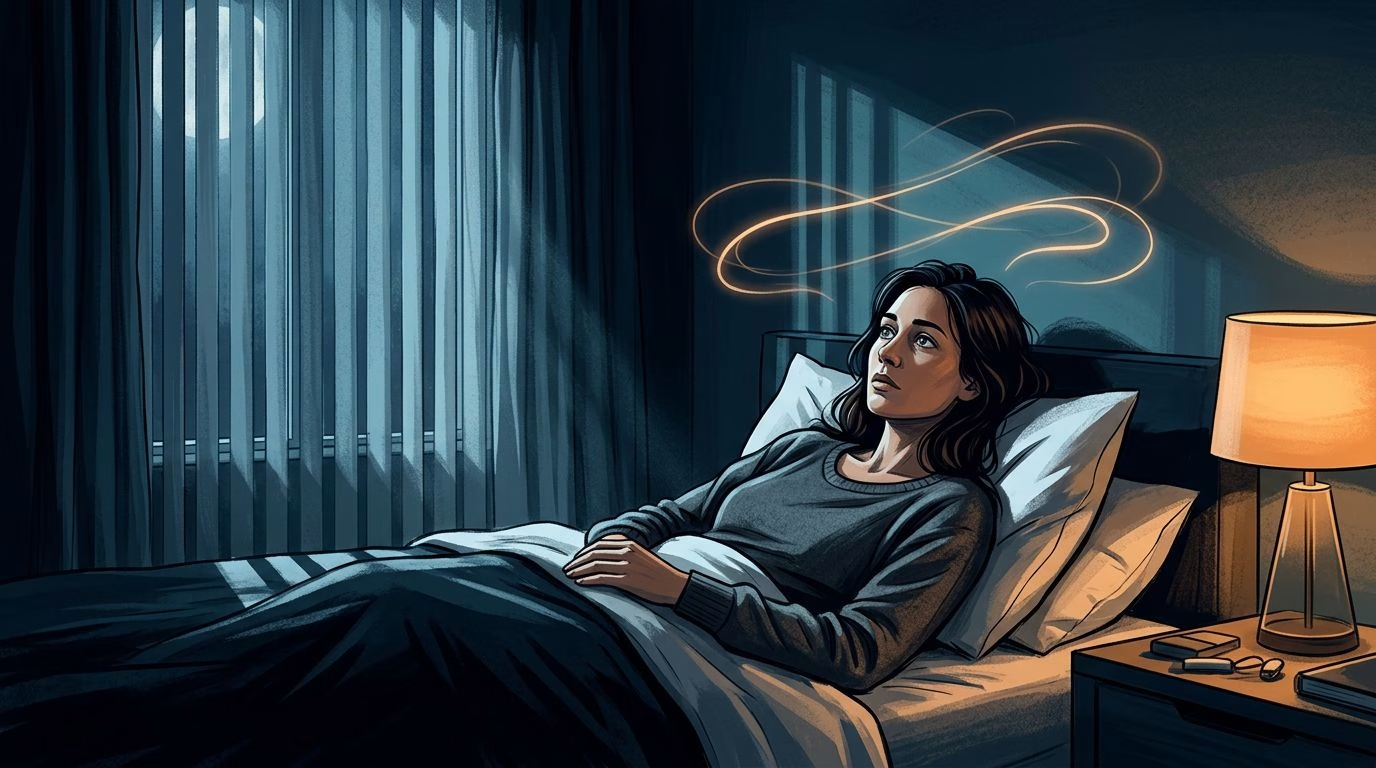
One controlled study found insomnia in 67% of adults with ADHD, compared with 30% of adults without ADHD. If your body is tired but your thoughts keep running, you are not failing at rest.
ADHD and sleep can affect each other in both directions, creating a cycle that is difficult to break. A poor night can magnify distractibility, irritability, and low mood the next day. Meanwhile, an ADHD brain often struggles to switch gears when the day ends because of fundamental challenges with executive function that make transitions between activities feel overwhelming.
Understanding the pattern helps you replace self-blame with practical changes that fit your life.
Key takeaways
- ADHD is frequently associated with higher rates of insomnia, delayed sleep phase syndrome, daytime sleepiness, and restless legs syndrome.
- A biologically delayed circadian rhythm can make an early bedtime feel impossible, even when you are physically exhausted.
- Chronic sleep deprivation can significantly mimic or exacerbate ADHD symptoms, particularly inattention and impulsivity, so both conditions require targeted clinical attention.
- Establishing a consistent wake-up time is often more effective for regulating sleep cycles than forcing an arbitrarily early bedtime.
- While stimulant medication may influence sleep onset, any adjustments to timing or dosage should be managed with guidance from your prescriber.
- Increasing exposure to morning daylight, reducing bright evening light, and adopting a simplified wind-down routine can help reset your internal sleep timing.
- Symptoms such as chronic snoring, gasping, severe daytime sleepiness, or persistent uncomfortable leg sensations warrant a formal medical assessment by a GP or sleep specialist.
- Implementing small, sustainable adjustments is far more effective than attempting a rigid routine that often collapses after a few days.
ADHD Can Keep the Brain Awake After the Day Ends
Sleep requires a gradual drop in mental and physical alertness. For many adults with ADHD, that drop does not happen smoothly, often resulting in increased sleep onset latency. Thoughts may arrive as racing thoughts, each one feeling urgent enough to follow.
You might remember an unanswered message at 23:30, decide to research a new hobby, or replay a conversation from work. Hyperfocus can also appear at night, when fewer demands compete for attention. The brain finally has space, then suddenly wants to use it all.

Emotional dysregulation plays a part too. A difficult interaction, an unfinished task, or a worry about tomorrow can feel much louder in a quiet bedroom. When your mind treats a thought as unfinished business, sleep may feel unsafe or undeserved.
The pressure to sleep makes this worse. Persistent nighttime overthinking can turn a restless night into a test you feel you are losing. That stress raises alertness, which is the opposite of what your nervous system needs.
Sleep difficulty is common with ADHD. It is a health issue, not evidence that you lack discipline.
A more useful aim is to make your bedtime routine less demanding. You do not need a flawless evening schedule. You need fewer decisions, fewer sparks of stimulation, and a gentle path towards sleep.
A Delayed Body Clock Can Make Early Nights Feel Unnatural
Many people with ADHD exhibit a strong preference for evening activity, which is often driven by an underlying disruption in the circadian rhythm. For these individuals, alertness naturally peaks later in the day, melatonin release occurs behind schedule, and feelings of sleepiness do not arrive until long after the required bedtime. This biological pattern is often recognised as delayed sleep-wake phase disorder, or delayed sleep phase syndrome, creating a frustrating mismatch between internal biology and external demands. You may feel wide awake at midnight, only to struggle significantly when the alarm goes off at 07:00. While sleeping until late morning on days off offers temporary relief, it can inadvertently push your body clock even further out of sync.

A regular wake-up time provides your internal clock with a much clearer signal than an ambitious bedtime. Try to keep this wake time within 30 to 60 minutes throughout the entire week, including weekends. This may feel awkward initially, but it helps your sleep drive build at a more predictable time each night.
Morning outdoor light serves as a powerful cue for your internal rhythm. Whenever possible, spend 20 to 30 minutes outside soon after waking, even if the sky is overcast. If getting outside is difficult, you might consider using light therapy as an effective way to reset the body clock and anchor your rhythm earlier in the day. Other helpful habits include opening curtains immediately upon rising, sitting by a bright window while having breakfast, or taking a short walk before starting work.
In the evening, reduce bright overhead lighting and keep phone use purposeful. You do not need to ban screens completely. Instead, choose a firm stopping point and move tempting apps off your home screen to reduce the likelihood of late-night scrolling. A steady wake-time routine gives this approach the consistency it needs to be effective.
Sleep Problems That Deserve More Than Generic Advice
Insomnia is common among adults with ADHD and frequently undermines the total rest required for effective cognitive function. It may mean taking a long time to fall asleep, waking repeatedly, or waking too early and being unable to return to sleep. However, insomnia is not the only possible explanation for poor rest.
Restless legs syndrome can cause an uncomfortable urge to move the legs, often in the evening. People describe pulling, tingling, crawling, or aching sensations that ease temporarily with movement. This condition is often comorbid with periodic limb movement disorder, which involves involuntary twitches during sleep. A GP can assess possible causes, including iron status. Low ferritin can contribute to restless legs, so do not start iron supplementation without medical advice.
Obstructive sleep apnea is another condition that can leave you exhausted despite spending enough time in bed. As a common form of sleep-disordered breathing, it often presents with loud snoring, waking with a choking sensation, morning headaches, dry mouth, and unplanned daytime dozing. These are all valid reasons to speak to a GP. Because sleep apnea can affect concentration and mood, its symptoms may mirror those of ADHD.
Anxiety, depression, chronic pain, menopause, alcohol use, and shift work can also disrupt sleep. More than one factor may be present. ADHD does not cancel out other explanations, and other explanations do not rule out ADHD.
A simple sleep diary can make patterns easier to spot. For two weeks, record when you get into bed, estimate when you fall asleep, wake times, naps, caffeine, alcohol, medication timing, and how alert you feel. The notes do not need to be perfect. A rough record is often more useful than trying to remember everything during a short appointment.
Medication, Caffeine and the Late-Day Rebound
Stimulant medications can complicate sleep, although the relationship is not simple. By influencing dopamine levels in the brain, these treatments can significantly impact the sleep-wake cycle. While some people find that stimulant medications delay sleep, particularly when taken late or at a dose that lasts longer than expected, better-managed ADHD symptoms can help others settle because their days feel less chaotic.
Do not stop, skip, or change prescribed medication on your own to fix sleep. Instead, tell your prescriber what is happening. Useful details include your dose, the time you take it, bedtime, how long you lie awake, and whether you experience an evening rebound in energy or irritability.
Sometimes the answer is a timing adjustment. In other cases, a clinician may review the dose, formulation, or whether another health issue is interfering with sleep. These decisions depend on your wider health and should not come from online trial and error.
Caffeine deserves the same attention. Coffee at 16:00 may not affect one person, while another stays alert far past midnight. Energy drinks can be harder to judge because they may contain high caffeine levels and added sugar. Track your last caffeinated drink for a week, then move it earlier if your sleep onset remains late.
Alcohol can make you sleepy at first but often fragments sleep later. Nicotine can also keep the nervous system activated. You do not need perfection, but knowing your own triggers gives you more choice.
Build an ADHD-Friendly Sleep Plan That You Can Repeat
A useful sleep plan removes friction by focusing on consistent sleep hygiene. It does not rely on remembering twelve rules when you are tired, overstimulated, or already halfway through a late-night scroll.
Start with one anchor: a wake-up time that works on most days. Setting this anchor helps regulate your internal clock and significantly improves your overall sleep quality. Set an alarm across the room if needed, then pair getting up with something pleasant and immediate. This could be tea, a favourite podcast, a warm shower, or five minutes on the doorstep in daylight.
Next, create a short landing routine for the final hour before bed. Keep it visible and low effort. Put your charger outside the bedroom, set out tomorrow’s clothes, take medication as prescribed, wash your face, and choose one quiet activity. Repeating the same sequence helps reduce decisions.

Some people need stimulation to settle. Silence can leave too much room for rumination. An audiobook with a familiar story, calm music, brown noise, or a gentle sleep podcast may help. Set a timer so your chosen comfort does not become a 02:00 listening session.
Externalise tomorrow’s thoughts before bed. Keep a notebook near the sofa or kitchen table, rather than beside the pillow. Write down tasks, worries, and ideas in brief notes. Your brain may return to them, but the list provides proof that they have somewhere to go.
Naps can help after a rough night, especially if sleepiness makes driving or work unsafe. However, if you are struggling with chronic sleep deprivation, focus on a structural approach to your nighttime rest rather than relying solely on naps. Keep them short and earlier in the day where you can. Many adults find 10 to 20 minutes gives a lift without leaving them groggy. Longer or late-afternoon naps can reduce sleep pressure, so use them with care. These nap lengths for focus and mood can help you choose a limit that protects bedtime.
Exercise often supports sleep, but the timing is personal. A lunchtime walk or early-evening gym session may release restlessness. If intense training late at night leaves you wired, finish earlier and choose gentle stretching after dinner.
Partners and family can help without becoming sleep police. Agree on practical support, such as lowering lights together, keeping late-night conversations for another time, or using headphones in shared spaces. Shame rarely improves sleep. Kind structure often does.
When to Ask a GP or Sleep Specialist for Help
Contact your GP if your sleep trouble persists for several weeks and begins to affect your work, relationships, safety, or mental health. Addressing these challenges is vital for improving your long-term sleep quality. When you visit your doctor, take your sleep diary along with a comprehensive list of your medications, supplements, caffeine intake, and symptoms. Be sure to mention any specific concerns like snoring, gasping, restless legs, nightmares, panic, or daytime sleep attacks.
Cognitive behavioural therapy for insomnia, known as CBT-I, is an effective way to change the habits and thought patterns that sustain sleep issues. A GP can provide guidance on NHS routes, local services, or appropriate self-help options. Remember that treatment for ADHD and treatment for sleep problems can be managed successfully alongside each other.
Melatonin is not a casual sleep supplement. While it may assist some people experiencing a delayed body clock, the timing of the dose is just as important as the quantity. In the UK, speak with a GP, pharmacist, or your ADHD prescriber before taking melatonin, especially if you are currently using other medicines or have an existing long-term health condition.
If your exhaustion is accompanied by feelings of hopelessness or thoughts of harming yourself, please seek urgent support. You can contact NHS 111 for urgent health advice, call the Samaritans on 116 123, or text Shout to 85258. In a situation of immediate danger, call 999 or go to your nearest A&E department.
FAQ
Can Poor Sleep Look Like ADHD?
Yes. Poor sleep can cause brain fog, forgetfulness, and impulsive choices, while also exacerbating inattention and impulsivity. Because chronic tiredness mimics many ADHD traits, such as low frustration tolerance and trouble concentrating, a clinician should consider both sleep health and ADHD symptoms during a formal assessment.
How Much Sleep Do Adults With ADHD Need?
Adults generally need seven to nine hours each night. There is no separate ADHD sleep target, but some people feel better near the upper end of that range because their sleep is often interrupted or unrefreshing. Focus on how rested and functional you feel during the day, rather than fixating solely on the number on your sleep tracker.
Should I Take Melatonin for ADHD-Related Sleep Problems?
Speak to a GP, pharmacist, or prescriber first. While melatonin may suit some people with delayed sleep timing, it is not the right solution for every type of insomnia. Taking it at the wrong time may not help your body clock, and it is important to consider how it influences your overall sleep quality and ability to wake up feeling refreshed.
Do ADHD Stimulants Always Cause Insomnia?
No. Some people find that stimulant medications make falling asleep more difficult, while others discover they sleep better when their daytime symptoms are effectively managed. Factors such as dose, timing, formulation, caffeine intake, anxiety, and underlying sleep disorders all affect the result. Always discuss potential changes with your prescriber rather than adjusting your medication schedule alone.
Can I Catch Up on Sleep at the Weekend?
Extra sleep can help after a short night, but a long lie-in may shift your body clock later. Try sleeping no more than 30 to 60 minutes beyond your usual wake time. An earlier bedtime or a short nap may work better for recovery without disrupting your rhythm for the week ahead.
When Should Snoring Be Taken Seriously?
Speak to a GP if snoring is loud and frequent, or if it comes with gasping, witnessed breathing pauses, morning headaches, or severe daytime tiredness. These signs can point to obstructive sleep apnoea. An assessment for these symptoms may include a home sleep study or a referral to a sleep specialist.
Conclusion
ADHD can make rest feel harder because attention, emotion, stimulation, medication, and body clock timing can all pull sleep off course. The answer is rarely more willpower.
Choose one repeatable change, such as a steadier wake time or morning daylight, and give it time. Better sleep with ADHD often begins when you treat the problem with curiosity rather than blame. By understanding the complex link between ADHD and sleep, you can start building a routine that finally allows your brain the rest it needs.
Leave a Reply