

A longer nap can leave you foggier than the short nap you nearly skipped. That’s why the best nap length, or ideal nap length, isn’t “more”.
Most people don’t need a huge daytime sleep. They need the right amount at the right time that aligns with your circadian rhythm. Match the nap to the job, and you can wake sharper, calmer, and less likely to hit the afternoon slump.
Key Takeaways
- For most adults, a 20-minute nap is the best length for quick focus.
- A 30-minute nap can help, but some people wake up groggy from sleep inertia.
- Around 60 minutes may help memory, though sleep inertia is more common.
- A 90-minute nap can feel smoother because it may cover a full sleep cycle.
- Early to mid-afternoon usually works better than a late-day nap.
- A timer matters, because “resting for a bit” often turns into oversleeping.
- Naps can support mood, but they don’t replace nighttime sleep.
- If stress or caffeine gets in the way, fix that first.
The Best Nap Length Depends On Your Goal
There isn’t one perfect nap for every day. Think of naps like tools. A short one is a quick reset. A longer one is more like a repair job.
This table makes the trade-offs easy to scan.
| Nap Length | Best For | Main Downside |
|---|---|---|
| 10 to 20 minutes | Focus, alertness, a fast reset | May feel too short if you’re exhausted |
| 30 minutes | Mood and a slightly deeper rest | Higher risk of grogginess |
| About 60 minutes | Memory, learning, and cognitive performance | Often heavy-headed on waking |
| 90-minute nap | Recovery and deeper restoration, including REM sleep and deep sleep | Takes time, may affect bedtime |
The safest default for most busy adults is still a short nap. It fits real life, and it usually carries the least risk.
Short Naps Work Best For Focus
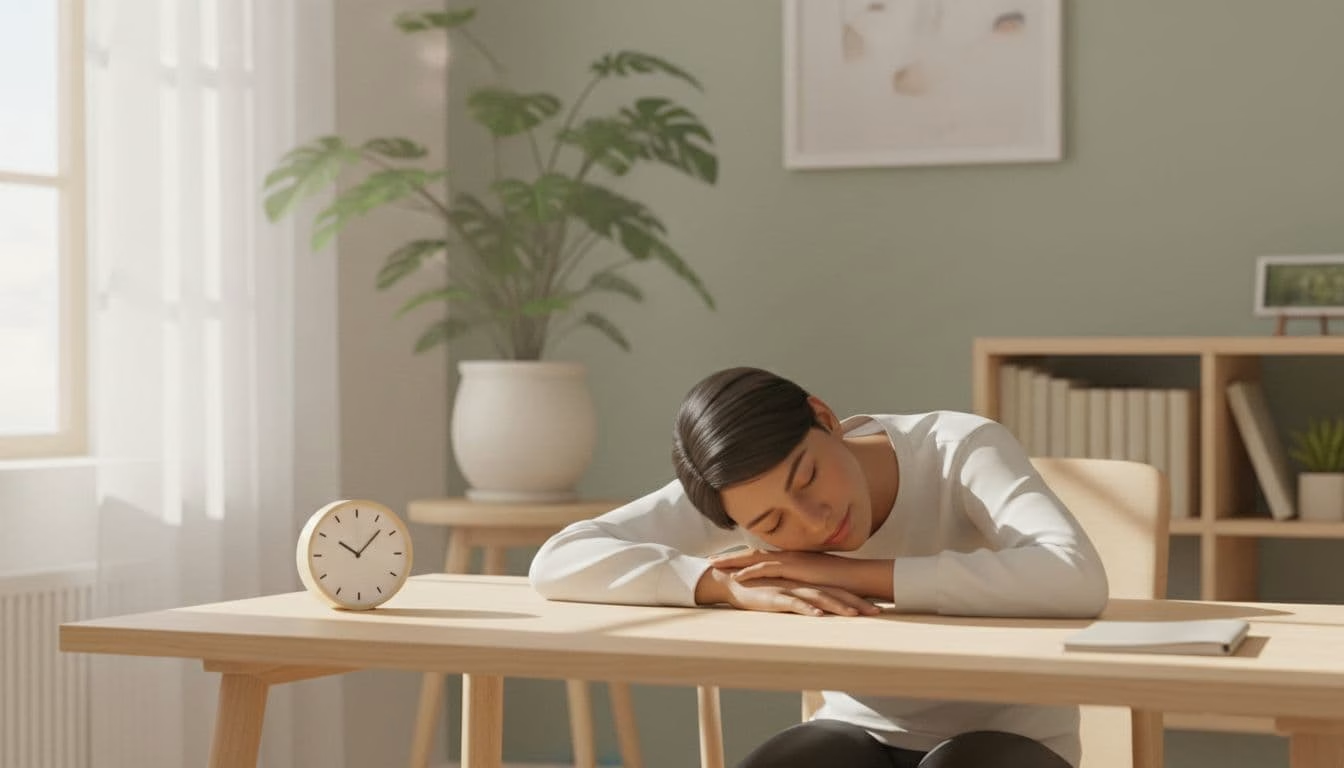
If your main goal is better work, study, or driving alertness and vigilance, a short nap usually wins. A 20-minute nap is often enough to take the edge off sleepiness without dragging you into deeper sleep.
For most people, the best nap length for focus is short enough to wake up clear.
That’s why power naps work so well in offices, libraries, and homes full of noise. You’re not trying to vanish for an hour. You’re topping up the tank. If you often hit the post-lunch dip, the afternoon wall, a short nap may work better than pushing through with more coffee.
Longer Naps Can Help Memory
Memory is a bit different. If you’ve been learning hard, revising, or recovering from sleep deprivation, a longer nap may help more. Around 60 minutes can support memory consolidation and encoding, though many people wake feeling thick-headed. That’s the catch.
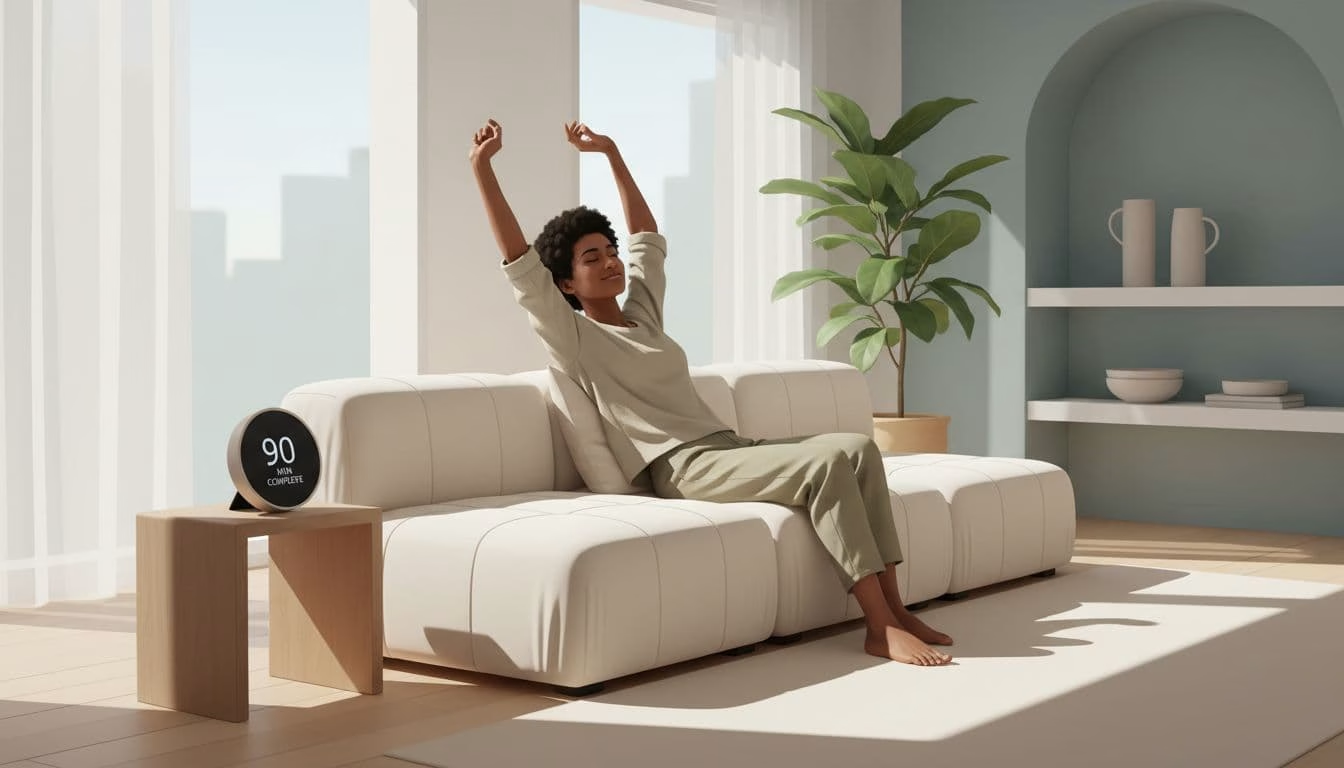
A 90-minute nap can feel better than 60 because it helps complete a sleep cycle, reducing sleep inertia. It takes more time, of course, so it won’t suit every day. Still, for shift workers, students in exam season, or parents running on broken sleep, it can be a useful option.
Mood Lifts When The Nap Fits
A good nap can soften irritability fast. That matters when you’re snapping at emails, family, or your own to-do list. For mood, many people do well with 20 to 30 minutes, long enough to settle the nervous system and align with the sleep-wake cycle, short enough to keep the fog low.
The problem starts when the nap is too long for the time you have. Waking from deep sleep can feel like walking through wet cement. Waking at the right time, however, allows you to feel refreshed. If that happens a lot, shorten the nap, or give yourself enough time for a full 90-minute cycle.
Timing Matters As Much As Length
Even the best nap length can backfire if you take it too late. Early to mid-afternoon is usually kinder to your nighttime sleep than a nap near evening, because your body still has time to build sleep pressure again before bed.
Keep the sleep environment simple. Set a timer, dim the room, and stay warm enough to relax. If late coffee keeps turning a helpful nap into a wired bedtime, this guide on caffeine timing for calm focus is worth a look. If stress leaves you too switched on to drift off, try a breathing reset for prefrontal cortex first. If sleep issues persist despite these tips, consult a sleep medicine specialist.
Conclusion
The best nap length for most adults is still 10 to 20 minutes, because it sharpens focus without much grogginess. While naps help, they only contribute a small portion to total sleep time, so nighttime sleep remains the priority. If memory or deeper recovery matters more, a longer nap may help, but only when you can protect the time and avoid wrecking your bedtime.
Start with one simple test this week. Pick a 15-minute nap, take it at the same time for a few days, and notice how your focus, mood, and evening sleep respond.
FAQ
Is 20 Minutes The Best Nap Length For Most People?
Usually, yes. It’s short enough to refresh alertness and often short enough to avoid waking in a fog.
Are 30-Minute Naps Bad?
Not at all. They help some people, but others wake groggy, so they’re worth testing rather than assuming.
Is A 90-Minute Nap Better For Memory?
It can be, especially after poor sleep or heavy learning, as sleep stages tracked via polysomnography reveal benefits for memory. The trade-off is time, and it may push bedtime later if taken too late.
When Should I Nap?
Early to mid-afternoon tends to work best. A late nap can chip away at your normal sleep drive.
Can A Nap Replace Bad Night Sleep?
No. A nap can patch the day, but it won’t fully replace steady night sleep or fix insomnia.
Why Do I Feel Worse After A Nap?
That’s often sleep inertia, the temporary grogginess from waking during deeper sleep stages. Shorten the nap, or allow enough time for a fuller cycle.
Should I Try A Caffeine Nap?
Some people like a quick nap straight after caffeine, because the caffeine takes time to kick in. Keep it early enough that it doesn’t disturb your sleep later that night.
Leave a Reply