
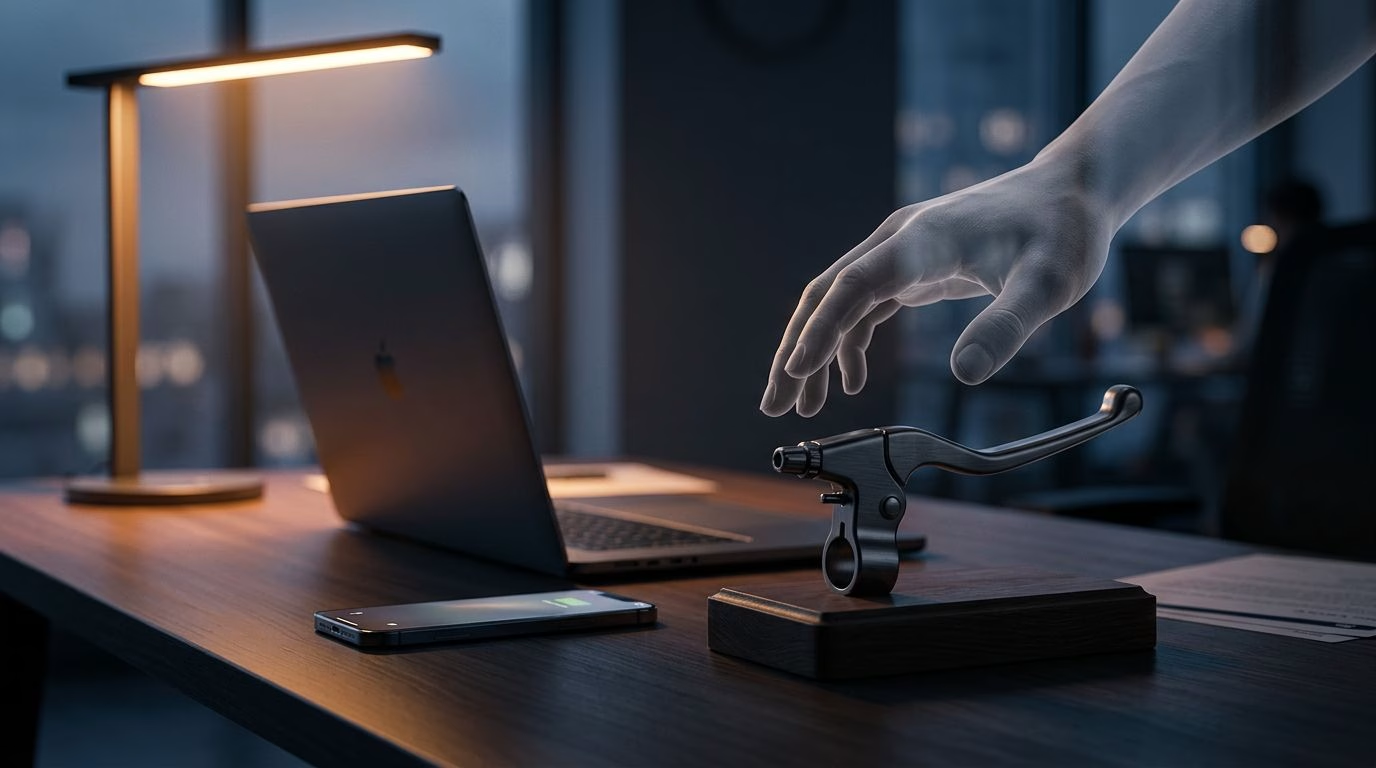
A distraction can grab your attention before you feel you’ve made a choice. That tiny gap matters, because inhibitory control is the mental brake that helps you pause instead of react.
When that brake is strong, you can stay with the task, ignore the ping, and stop small impulses from running your day. When it’s tired, even a harmless notification can pull you off course. The good news is that inhibitory control isn’t fixed, and you can train it in ordinary life.
Key Takeaways
- Inhibitory control is your ability to stop, delay, or redirect an impulse.
- It helps you resist distractions, manage urges, and stay focused on long-term goals.
- Phones, stress, fatigue, and vague tasks all make inhibitory control weaker.
- You don’t need more willpower all day, you need fewer tempting cues around you.
- Small pauses, clear rules, and better sleep improve self-control faster than guilt does.
- Practice works best when it happens in daily routines, not only in big challenge moments.
- Building friction for distractions makes focus easier and more reliable.
- Progress often looks quiet, such as checking your phone later or finishing one hard task first.
Table of Contents
- Key Takeaways
- What Inhibitory Control Really Means
- Why Easy Distractions Feel So Hard To Ignore
- Signs Your Inhibitory Control Is Running Low
- How To Strengthen Inhibitory Control In Daily Life
- Build An Environment That Helps You Resist
- Conclusion
- FAQ
What Inhibitory Control Really Means
Inhibitory control is the skill of stopping yourself from doing the easiest thing in the moment. It lets you ignore a buzz, hold back a sharp reply, or keep reading when your mind wants novelty. In brain terms, this relies heavily on the prefrontal cortex, the part linked with planning, attention, and self-control. That doesn’t mean the rest of the brain stays quiet. Reward systems push for quick relief, while inhibitory control helps you choose what matters more. In daily life, that choice can be as simple as finishing one paragraph before opening a new tab. For students, parents, and professionals, this skill often shapes how calm and effective the day feels.
Inhibitory control is the pause between an urge and an action.

Why Easy Distractions Feel So Hard To Ignore
Distractions feel powerful because they offer fast reward and low effort. Your phone promises novelty in seconds, while deep work asks for patience before any payoff appears. That imbalance is why inhibitory control often fails when you’re tired, bored, or uneasy. Stress makes it worse, because the brain shifts towards short-term relief. A tense mind doesn’t want the best choice later, it wants comfort now. That’s also why focus problems often rise during busy weeks, poor sleep, or emotional overload. If stress is part of the picture, this guide on shifting from stress to focus pairs well with the habits below.
Signs Your Inhibitory Control Is Running Low
Low inhibitory control rarely looks dramatic. More often, it shows up as tiny detours that keep stacking up. You open your laptop to work, then check messages first. You mean to answer one email, then spend 20 minutes skimming headlines. You plan to go to bed, yet scroll until you’re too tired to think clearly.
Those moments don’t mean you’re lazy or weak. They usually mean your mental brake is under strain. Common clues include snapping more quickly, switching tasks too often, eating out of boredom, or putting off one important job for several easy ones. If that sounds familiar, you’re not dealing with a character flaw. You’re dealing with a system that needs better support.
How To Strengthen Inhibitory Control In Daily Life
Start by making the desired action easier than the distracting one. Put the phone in another room, close spare tabs, and decide the first step before you begin. A vague goal drains self-control fast, while a clear next action reduces mental friction. “Work on report” is weak. “Write the opening paragraph” is stronger.
Next, use short pauses on purpose. A single breath before checking a notification can break the automatic loop. This is where simple mindfulness helps, because it trains you to notice an urge without obeying it. Sleep matters too. Poor sleep weakens attention and impulse control the next day, so habits like timing coffee for steady concentration can support focus more than another late cup.
Finally, build rules that remove repeated decisions. For example, you might check messages at set times, leave social apps off your home screen, or do your hardest task before lunch. These small limits protect inhibitory control because you stop negotiating with yourself every hour.
Build An Environment That Helps You Resist
Self-control works better when the room supports it. If biscuits sit on the counter, you’ll think about biscuits. If your phone glows beside the keyboard, part of your attention stays hooked. The fix is plain: add friction to distractions and remove friction from the task. Keep notes open, charger nearby, water on the desk, and tempting apps out of sight. That approach also helps with delay habits, which is why the neuroscience of procrastination is closely tied to inhibitory control. The easier it is to start, the less often your brain looks for escape.
Conclusion
Easy distractions win when they ask less of you than the work in front of you. Inhibitory control helps restore that balance by giving you a small but powerful pause.
You don’t need perfect discipline. You need better conditions, clearer cues, and a few repeatable habits that make the right choice simpler. Start with one change today, and let that pause get stronger.
FAQ
Is Inhibitory Control The Same As Willpower?
Not quite. Willpower is a broad idea, while inhibitory control is the specific skill of stopping or redirecting an impulse. It’s one part of self-control.
Why Does Stress Make Distractions Worse?
Stress pushes the brain towards quick relief. As a result, checking your phone or switching tasks feels more appealing than staying with difficult work.
Can You Improve Inhibitory Control At Any Age?
Yes, most adults can improve it with practice and better routines. Progress may be gradual, but the brain responds well to repetition and structure.
How Long Does It Take To Notice A Difference?
Some people notice small changes within days, especially after changing their environment. Stronger habits usually take a few weeks of steady practice.
Does Sleep Affect Inhibitory Control?
Yes, poor sleep weakens focus, patience, and decision-making. When you’re tired, resisting easy rewards becomes much harder.
What Is The Best First Step If My Phone Keeps Distracting Me?
Move it out of reach during focused work. That one change creates enough friction to stop many automatic checks before they start.
Leave a Reply