
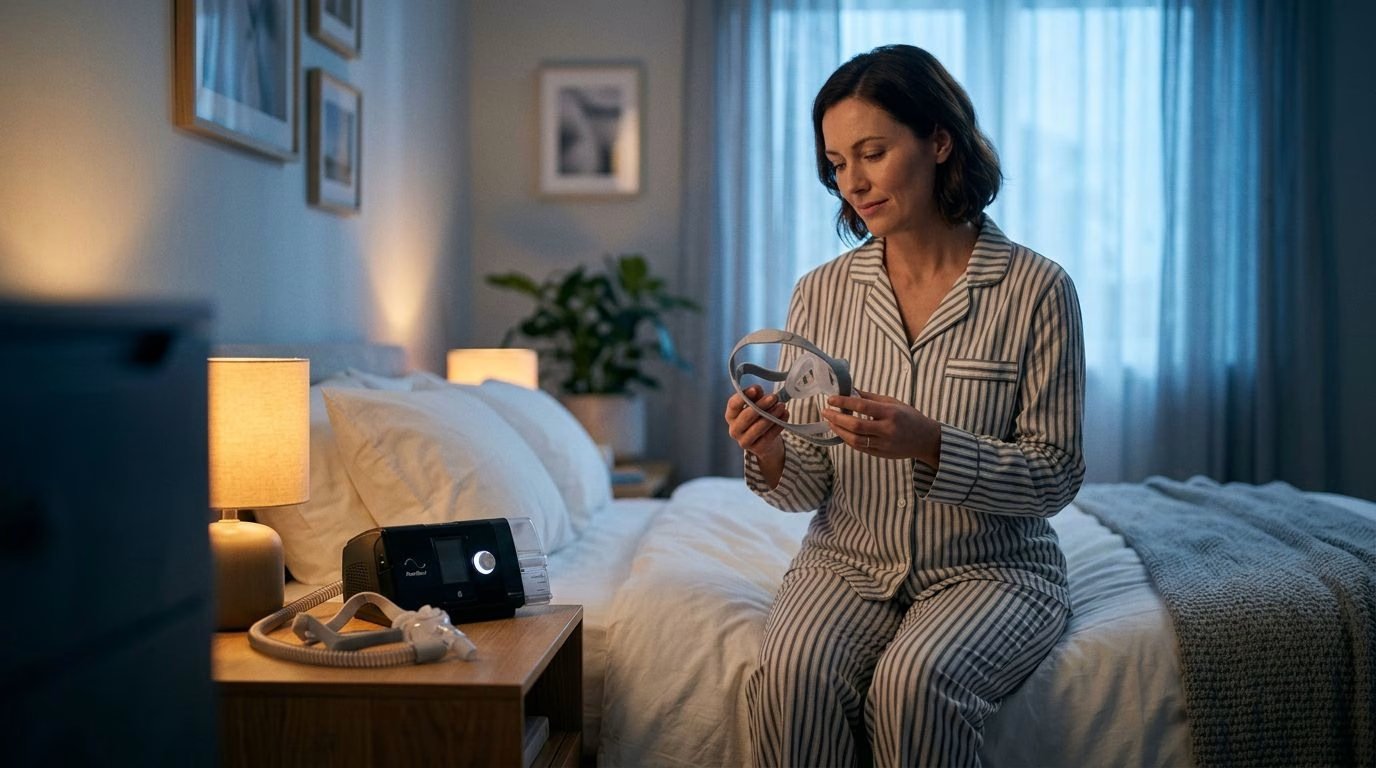
CPAP pushes ordinary room air, not oxygen, through your mask. That simple fact surprises many people when they begin CPAP therapy as a treatment for sleep apnea.
Your CPAP first week can feel awkward, noisy, or far more emotional than expected. The aim is not a flawless eight-hour night straight away. It is to make the equipment familiar enough that using it becomes your normal bedtime habit.
Key takeaways
- Wear your mask while awake each day, so your brain learns that the airflow is safe.
- A CPAP mask should feel secure, not painfully tight or marked into your skin.
- Deal with leaks by adjusting fit and mask position before tightening the straps.
- Use the humidifier, heated tubing, and humidity settings to manage dry mouth, nose irritation, or condensation.
- Put the machine on every time you intend to sleep, including naps.
- Keep your wake time broadly steady while you adjust to treatment.
- Contact your sleep clinic if pressure, severe side effects, or persistent leaks stop you using CPAP.
- Partners and carers can help by supporting the routine without policing it.
Set A Realistic Goal For Your First Week
CPAP treats obstructive sleep apnea by holding the upper airway open while you sleep. Yet your first few nights may still be fragmented. You are sleeping with new sensations on your face, a hose beside you, and air pressure that may feel strange.
Measure progress by use, not perfection. If you manage two hours on the first night, that is a start. Put the mask on again the next night, then aim to add time. Removing it after waking is common. Removing it in frustration at 01:00 is also common.
Try not to judge your progress by how you feel after one morning. Some people notice clearer thinking quickly, while others need several weeks before their daytime energy levels improve. Your sleep debt, other health conditions, medication, and your consistency with CPAP therapy all affect your pace. Remember that your adjustment is a journey, and this first week is just the initial step in the broader first 90 days of adaptation following your initial sleep study.
Start the process before bedtime. Sit somewhere comfortable, connect the mask, and breathe normally for 10 to 20 minutes while reading or watching television. This quiet practice is often called mask acclimatisation. It gives you a chance to learn the fit without the pressure of needing sleep.
The first week’s win is simple: put CPAP on whenever you plan to sleep, then keep returning to it after rough nights.
Your clinic may track usage remotely through the machine’s modem or memory card. That information helps them spot leaks and low use. It is there to guide adjustments to your CPAP therapy, not to catch you out.
Prepare Your Bedroom Before The First Night
Place your CPAP machine on a stable bedside surface, ideally lower than your mattress. This position helps reduce the chance of condensation travelling down the tube towards your mask during your first night. Keep the air intake clear of curtains, dust, and bedding to ensure optimal airflow.
Use distilled water in the heated humidifier if your manufacturer recommends it. In many UK areas, boiled and cooled tap water may be suggested when distilled water is impractical, but always follow your clinic and machine manual for specific guidance. Empty any remaining water in the morning and allow the chamber to dry completely.
Route the hose so it will not pull when you turn. Some people run it over the headboard or tuck it between the wall and bed. Others prefer a hose lift or clip. A free-moving tube can make side sleeping much easier.
Keep a small towel, spare cushion, and saline nasal spray nearby if your clinician or pharmacist has advised it. Tiny comforts matter at 03:00, when you do not want to search cupboards while half awake.
A steady morning wake time also helps your body clock settle as you adapt. Maintaining a consistent wake time can support better sleep pressure the following night, even after a less-than-perfect CPAP session.
Find A Mask Fit That Feels Secure
There are three primary styles available to help you breathe easier. Nasal pillows sit gently at the entrance of the nostrils, a nasal mask covers just the nose, and a full face mask covers both the nose and the mouth. Your natural breathing patterns, facial structure, pressure requirements, and personal comfort levels will determine which option is best for you.
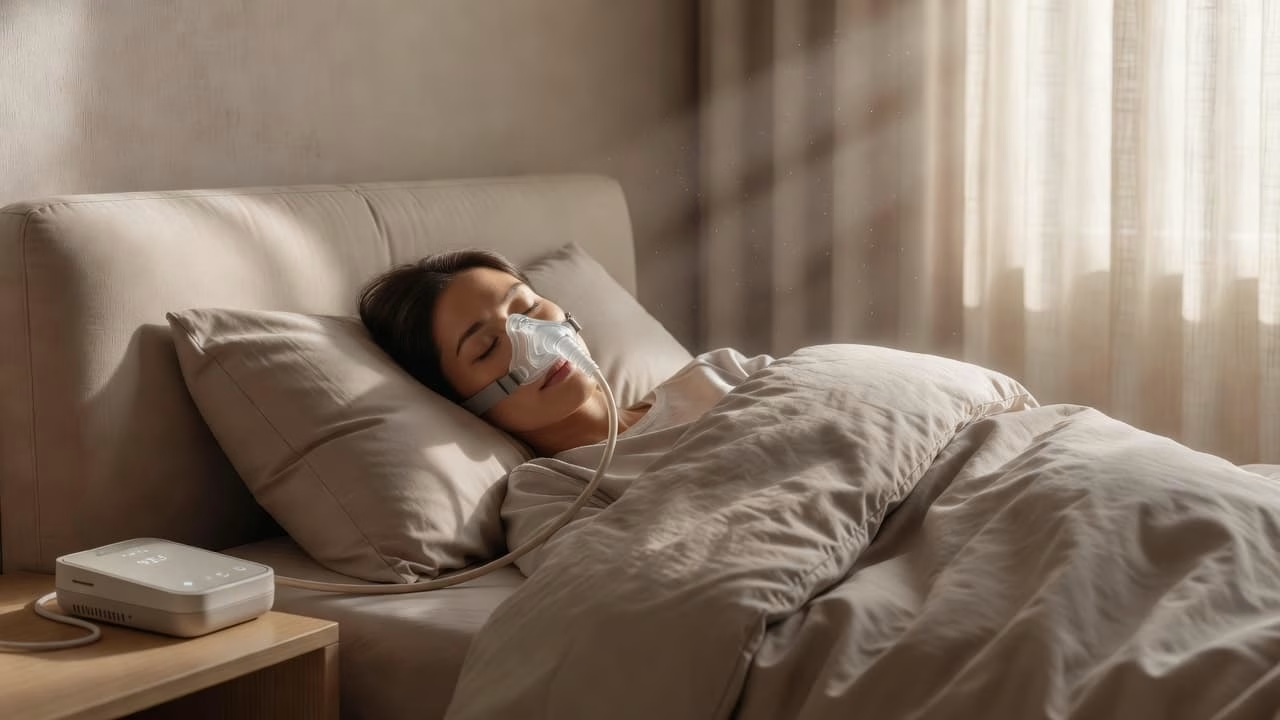
Begin with clean, dry skin. Facial moisturiser can cause silicone cushions to slide, and natural skin oils can accumulate, so it is important to maintain your gear. Regularly cleaning your CPAP mask with mild soap and water, as advised in the manufacturer manual, will help ensure a consistent mask fit. Always allow the cushion to dry away from direct heat sources.
Fit the mask while lying in your usual sleeping position. Turn the machine on to allow the pressure to settle, then adjust the straps incrementally. Tightening the straps too much can cause the cushion to buckle, which often results in poor performance.
A quality seal should feel gentle against your skin. You should not wake up with deep indentations, sore nostrils, skin irritation on the bridge of your nose, or headaches caused by overtightened headgear. If you do, the size or style you have selected may not be appropriate for your face.
For nasal pillows, ensure that each cushion rests softly against the nostril rather than being forced inside it. With a full face mask, relax your jaw and avoid pulling the lower straps too tight, as a wide-open mouth can disrupt the seal.
If you notice air blowing into your eyes, lift the mask away briefly and allow the cushion to reseat itself. Always check for twisted straps or worn components if you experience persistent mask leaks. If you continue to struggle with leaks, contact your provider; often, choosing a different cushion size will resolve the issue far more effectively than constant strap adjustment.
Make Air Pressure And Humidity Easier To Tolerate
The sensation of pressurised air can be uncomfortable when you are just starting out. Most devices offer a ramp feature, which starts at a lower pressure and rises gradually over a set period. Ask your sleep team how this ramp feature has been configured and whether it matches your individual needs. If you are having trouble sleeping due to the air pressure, these adjustments can make the experience much more manageable.
Do not change prescribed pressure ranges on your own. Modern auto-adjusting CPAP devices, often called APAP, respond to breathing patterns within the range your clinician programmes. Changing that range without professional advice may reduce the effectiveness of your treatment or make side effects harder to interpret.
Dry mouth often points to mouth breathing or a mask leak. A full-face mask may help, though a chin strap is sometimes considered. Discuss either option with your clinic before buying extras, because the right answer depends on your specific mask and breathing pattern.
Nasal congestion may respond well to using integrated humidification. Increase your humidity settings gradually across several nights to find the level that works for you. If your tube collects water droplets or you hear gurgling, reduce the humidity, raise the tube temperature if your equipment allows, or keep the device positioned lower than your bed.
Persistent nasal congestion can make CPAP feel impossible to use. Saline rinses or sprays can help some people, but ensure you use them correctly and keep all equipment sterile. Speak with a pharmacist, GP, or sleep service before using medicated decongestant sprays regularly, as they can cause rebound congestion and make your comfort levels worse over time.
Build A CPAP Routine You Can Repeat
Routine removes decisions at bedtime. Set up the machine before you feel tired, fill the humidifier if needed, and lay out the mask beside your pillow. Then put it on as part of the same sequence as brushing your teeth and turning off the light.
During the first week, use your equipment for every sleep period. Consistent CPAP therapy is essential for managing sleep apnea, even during a weekend lie-in or an accidental evening nap on the sofa. Remember that your condition does not pause simply because you are tired earlier than usual. Staying consistent is also vital for meeting insurance compliance requirements, as many providers use the 4-hour rule to verify that you are using the device for at least four hours per night to justify ongoing coverage.
If you wake and pull the mask off, pause before abandoning the night. Sit up, reset the hose, wipe away any moisture, and try again. Fifteen more comfortable minutes still builds familiarity. Repeated returns teach your body that the mask belongs in bed.
Avoid compensating with a long late-afternoon nap. It can make bedtime harder and leave you wide awake while you are trying to tolerate your equipment. If you need a nap, keep it earlier in the day and brief.
Alcohol close to bed can worsen upper-airway collapse and fragment sleep. Sedating medicines may also affect breathing or make mask removal less likely to wake you. Never stop prescribed medication suddenly, but mention your treatment to the clinician who manages your prescriptions.
If your machine has a companion app, treat its figures as clues rather than marks out of ten. Hours used, mask seal, and your AHI (Apnea-Hypopnea Index) can help show important patterns. A single bad reading after a restless night rarely tells the whole story, so focus on the long-term trends instead.
Handle Common First-Week Problems Calmly
A feeling of claustrophobia often improves with daytime practice. Wear the mask without airflow for a few minutes. Next, add the machine at a low, comfortable setting through the ramp. Keep your focus on slow breaths out rather than inspecting every sensation.
Some people feel they cannot breathe out against pressure. This can happen while you are awake and alert to the airflow. Check whether your device has expiratory pressure relief, such as ResMed’s EPR setting, and ask your clinic whether it is appropriate for you.
Stomach bloating or burping can happen when air enters the stomach. These common side effects may occur if you avoid lying flat after a large meal, or if mask leaks are causing you to swallow air. Contact the sleep service if bloating is painful, severe, or keeps you from using therapy.
Skin irritation needs attention early. Wash and dry the mask cushion, loosen over-tight straps, and consider a mask liner made for your model. Stop and seek advice promptly if you develop broken skin, a spreading rash, or signs of infection.
Headache, chest discomfort, breathlessness, or panic that does not settle should not be dismissed as routine adjustment. Take the mask off, sit upright, and follow your clinical advice. Call NHS 111 for urgent medical guidance, or seek emergency help for severe chest pain or serious breathing difficulty.
Include Your Partner Or Carer In The Routine
A partner may need their own adjustment period. The sound of airflow, a light from the machine, and the sight of a CPAP mask can feel unfamiliar. Most modern devices produce a gentle fan noise, while leaks tend to create the louder sounds that might cause disturbance.
Agree on practical help rather than commentary. A partner can notice a loud leak, pass you the hose after you turn over, or remind you to pack the CPAP machine for an overnight stay. They should not become the person who monitors every hour of use.
Carers can help with cleaning routines if dexterity, arthritis, or fatigue makes handling small parts difficult. Still, the person using CPAP should understand how the equipment fits together. That knowledge makes travel, appointments, and troubleshooting less stressful.
Keep Cleaning Simple And Regular
You do not need an elaborate cleaning ritual. Follow the manufacturer instructions and the advice from your sleep provider. In most cases, regular washing of your CPAP mask cushion and humidifier chamber with warm water and mild washing-up liquid is enough.
Rinse parts well, then air-dry them away from direct sunlight. Wash the hose as advised, especially if it smells musty or has visible moisture. Never put electrical components in water, and do not use bleach, perfumes, or harsh cleaning products.
Check filters according to the manual. A clogged or discoloured filter can affect airflow. Replace your mask, cushions, filters, and tubing through your supplier when they become worn or when your replacement schedule says it is time.
Conclusion
CPAP therapy becomes much easier when you treat the first week as a period of practice rather than a test you can fail. A comfortable mask, sensible humidity settings, and a repeatable bedtime routine make the biggest difference in your overall comfort.
Use your machine for every sleep, solve one problem at a time, and ask your sleep specialist for help early if you struggle. Consistent use gives CPAP the chance to improve the sleep your body has been missing, so stay patient and keep going.
FAQ
How Long Does It Take To Get Used To CPAP?
Many people need several days or a few weeks to feel comfortable when managing sleep apnea. Mask fit, nasal congestion, pressure sensitivity, and sleep habits can affect the pace of your progress. Use daytime practice to shorten the adjustment period, and contact your sleep service if you find your symptoms of nasal congestion persist or if your general progress stalls.
What If I Take My CPAP Mask Off In My Sleep?
This is common during the first night and throughout the first week. Check for leaks, over-tight straps, dry mouth, or pressure discomfort, because these issues often trigger involuntary mask removal. Practising while awake and refitting the mask after night-time awakenings can help your body get used to the device.
Should I Use CPAP During Naps?
Yes, use your CPAP machine whenever you sleep. Apnoeas can occur during short naps as well as during your main period of overnight sleep. Regular use also helps the habit feel automatic and speeds up your overall adjustment.
Can I Sleep On My Side With A CPAP Mask?
Side sleeping is possible with any CPAP mask style, although some people find smaller nasal pillows easier to manage. Arrange the hose above or behind the pillow so it does not tug on the seal. A specialist pillow with side cut-outs may help, but it is not required for successful treatment.
Why Is My CPAP Making A Whistling Noise?
A whistle usually means air is escaping due to mask leaks at the cushion, hose connection, humidifier chamber, or along the tubing. Check that each part is firmly attached and inspect the hose for any small holes or cracks. If the noise continues after ensuring all components are sealed, contact your equipment provider.
Will The NHS Provide A CPAP Machine?
NHS sleep services commonly provide CPAP when a clinician recommends it for diagnosed sleep apnoea. Local arrangements vary, including available mask choices and replacement schedules. Your sleep clinic can explain what it supplies and how to request ongoing support.
Can I Change My CPAP Pressure Myself?
Do not alter prescribed pressure settings without speaking to your sleep clinic. The pressure range is based on your specific assessment and clinical treatment data. Your clinician can adjust it safely if you have ongoing discomfort or if you continue to experience untreated symptoms.
When Should I Contact My Sleep Clinic?
Get in touch if leaks, pain, congestion, skin damage, or pressure discomfort stop you from using your device. Also ask for advice if you still wake up choking, feel persistently exhausted, or struggle to use the machine for most of the night.
Leave a Reply