
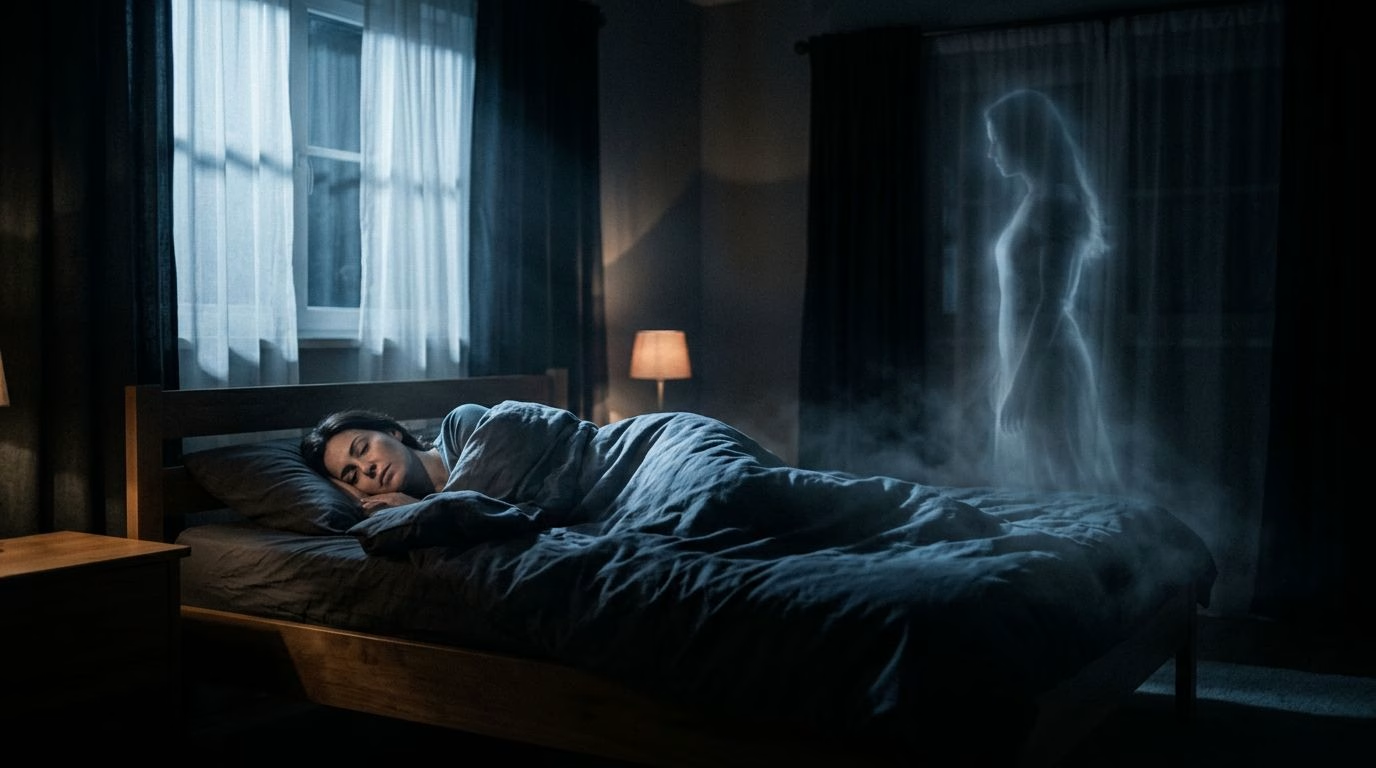
Seeing a vivid figure at your bedside can be a startling experience, even when you are fully awake. These sleep hallucinations can feel alarming, especially when the visions seem completely real, yet many occur as a natural part of the transition between being asleep and being alert.
They are often harmless and brief. However, frequent episodes, daytime symptoms, or intense fear deserve proper attention.
Understanding when an episode fits a common sleep pattern can help you respond calmly and know when to speak to a GP, particularly if these visions occur while you are falling asleep.
Key takeaways
- Sleep hallucinations typically occur when you are falling asleep or waking up.
- They can involve visual hallucinations, hearing sounds, or feeling sensations of touch or movement.
- Sleep deprivation, stress and anxiety, irregular routines, alcohol, and certain medications can make these episodes more likely to occur.
- Sleep paralysis often occurs alongside these experiences and can make the hallucinations feel much more frightening.
- Hallucinations during the day require medical advice, particularly if they are new or worsening.
- Contact a GP if episodes are frequent, distressing, or are consistently affecting your ability to get a good night of sleep.
- Call 999 or go to A&E if hallucinations occur alongside confusion, a risk of danger to yourself or others, or signs of a sudden, severe illness.
What Sleep Hallucinations Usually Feel Like
Sleep-related hallucinations occur at the edges of sleep. Episodes that happen while you are falling asleep are known as hypnagogic hallucinations, while those occurring during the process of waking up are referred to as hypnopompic hallucinations.
These experiences often manifest as visual hallucinations, such as seeing a person, animal, shadow, bright pattern, or movement within the room. Many people also report auditory hallucinations, including hearing a voice, footsteps, knocking, a door closing, or music. Physical sensations are common as well, with some individuals feeling pressure on the chest, a hand touching them, or the distinct sense that someone else is nearby.
The experience can last for seconds or a few minutes. It typically stops once you fully wake, turn on a light, speak, or move around. Because the event feels so convincing, your memory of the encounter often remains sharp.
These events differ from ordinary dreams because you may feel partly awake and aware of your bedroom. Your brain is mixing dream material with your real surroundings. This overlap can make a familiar coat on a chair look like a person, or cause a normal background sound to be perceived as a voice. These episodes are classified as a type of parasomnia, and some individuals report complex nocturnal visual hallucinations where they see vivid figures near the bedside.
A frightening sleep hallucination is not proof that you are losing your mind. The timing of the episode is the most important factor in understanding these events.
Why the Sleeping Brain Can Create Vivid Images
During rapid eye movement, or REM sleep, the brain produces vivid dreams. At the same time, it temporarily relaxes most voluntary muscles, which keeps you from physically acting out these dreams.
Sometimes the brain and body do not switch neatly between states of consciousness. You may regain awareness before your dream imagery fully fades. A sound from the room can blend with your dream activity, while a shadow in the bedroom might take on an unsettling form due to these blurred sleep transitions.
Sleep paralysis is part of this same physiological process. You wake up mentally but find you cannot move or speak for a short time because the muscle relaxation typically associated with REM sleep is still active. Hallucinations can occur during these moments of sleep paralysis, often accompanied by a strong sense of threat or physical pressure.
This does not mean the brain is damaged. It simply means the boundary between sleeping and waking has briefly blurred. Still, if you experience repeated disruptions, it may point to poor sleep habits, underlying sleep disorders, or other health issues that are worth checking with a professional.
Common Triggers for Hallucinations Around Sleep
A disrupted routine is one of the most common causes of these experiences. Shift work, long journeys, caring for a baby, illness, and late nights can all reduce sleep quality and unsettle your body clock. Episodes often appear following a period of severe sleep deprivation, as your brain struggles to transition smoothly between wakefulness and slumber.
Stress and anxiety can also make sleep lighter and more fragmented. If you experience insomnia or wake repeatedly throughout the night, you spend more time in the vulnerable transition states where sleep hallucinations occur. Worrying about another episode can then make bedtime feel tense, which creates a cycle that only adds to the problem.
Alcohol may help some people fall asleep faster, but it significantly fragments sleep later in the night. Recreational drugs can also trigger strange perceptions during sleep or during withdrawal. Heavy alcohol use followed by a sudden stop requires urgent medical advice because withdrawal can become dangerous.
Some prescribed and over-the-counter medicines can affect sleep or perception. Possible examples include medicines for Parkinson’s disease, certain antidepressants, strong painkillers, sedating antihistamines, and even supplements like melatonin. Never stop a prescribed medicine suddenly. Ask a GP or pharmacist to review your current list if episodes began after starting a new drug or changing a dose.
Caffeine can play a part when it delays sleep or increases feelings of anxiousness. Consider limiting coffee, tea, energy drinks, and pre-workout products from the afternoon onwards. Nicotine also disrupts sleep, even if it feels calming in the moment. Adopting better sleep hygiene by establishing a consistent, calming evening wind-down routine can help you manage these triggers more effectively.
Sleep Disorders That Can Be Linked to Hallucinations
Narcolepsy is a neurological sleep disorder that often presents with excessive daytime sleepiness and vivid, dreamlike hallucinations. When individuals experience narcolepsy, they may also encounter episodes of sleep paralysis, where they feel unable to move as they transition between wakefulness and sleep.
Another hallmark symptom of narcolepsy is cataplexy. This condition causes sudden, brief muscle weakness triggered by strong emotions such as laughter, surprise, or anger. During an episode, a person might experience a drooping face, weak knees, or difficulty speaking, all while remaining fully conscious. Cataplexy requires a prompt clinical assessment by a GP or a specialist in sleep disorders.
Obstructive sleep apnoea is another of the common sleep disorders that can fragment rest. It leads to repeated pauses in breathing, often accompanied by loud snoring, choking sounds, morning headaches, and significant fatigue during the day. While this condition does not directly cause every sleep hallucination, chronic sleep fragmentation can make these transitional experiences more frequent.
Other issues such as restless legs syndrome, chronic pain, and acid reflux also contribute to interrupted, poor-quality sleep. Addressing these underlying conditions can often help to reduce unusual nocturnal experiences.
If a professional suspects a condition like narcolepsy, they may refer you to a clinic for a formal sleep study. Specialists often use tools such as sleep diaries, wearable data, or a Multiple Sleep Latency Test to monitor your brain activity and transition into sleep. While a consumer sleep tracker cannot provide a clinical diagnosis, maintaining a written record of your bedtime, wake time, symptoms, and intake of caffeine or alcohol can help your GP identify helpful patterns.
Sleep Hallucinations, Nightmares and Psychosis Are Different
The timing and context of an experience help doctors work out what may be happening.
| Experience | Typical Timing | Awareness Afterwards | Common Feature |
|---|---|---|---|
| Hypnagogic hallucinations | Falling asleep or waking | Usually clear once fully awake | Image, sound, touch, or sensed presence |
| Nightmare | During sleep, often later at night | Wakes from a frightening dream | Detailed dream story and strong emotion |
| Sleep paralysis | Waking or falling asleep | Fully aware but unable to move briefly | Chest pressure, fear, and possible hallucinations |
| Daytime hallucination | Fully awake during the day | May persist or recur outside sleep | Needs medical assessment, especially if new |
A nightmare usually unfolds as a dream. By contrast, a sleep hallucination may place a dream image directly into your real bedroom. Sleep paralysis can add an inability to move, which explains why some episodes feel so threatening.
Hallucinations outside sleep need a different level of care. They can occur with severe infection, delirium, dementia, epilepsy, migraine, a mental health disorder, substance use, or side effects from medication. If you experience persistent hallucinations during the day, it is important to see a healthcare provider to rule out conditions such as schizophrenia. A clinician should assess any new daytime hallucinations.
Psychosis is not diagnosed from one night-time episode. It usually involves a wider change in thinking, mood, beliefs, behaviour, or perception. Avoid trying to label yourself or a loved one based on internet descriptions alone.
Practical Steps That May Reduce Episodes
Start with a stable wake-up time, including on weekends where possible. Maintaining consistent sleep hygiene by using a regular morning anchor helps your body clock more than an occasional early bedtime. Aim for enough sleep rather than forcing an exact number of hours.
Make the bedroom easy to recognise when you wake. A low, warm bedside light can reduce confusing shadows. Keep clothes off chairs, close cupboard doors, and use curtains that block bright street lighting if outside movement bothers you.
Wind down for the final hour before bed. Choose quiet activities such as reading, a warm shower, gentle stretching, or listening to calm audio. Avoid scrolling through upsetting content, intense gaming, heated arguments, and work messages in the period before falling asleep.
If an episode happens, remind yourself that it may be a sleep-wake transition. Focus on slow breathing and a small movement, such as wiggling a finger or toe. Once you can move, turn on a light, sit up, and take a sip of water.
It can help to write down what happened the next morning. Record the time, what you perceived, how long it lasted, recent sleep, stress, alcohol, caffeine, and medicines. Patterns often become clearer after two or three weeks.
Partners can help by staying calm. Speak softly, offer reassurance, and avoid arguing about what the person saw or heard while they are frightened. Once the episode passes, discuss whether it is new, frequent, or linked to tiredness.
When to Speak to a GP About Sleep Hallucinations
Book an appointment with your healthcare provider if sleep hallucinations happen often, disrupt your rest, cause dread at bedtime, or negatively affect your work and relationships. It is also sensible to seek professional advice if these episodes started after you began a new medicine, had a dose change, experienced an illness or head injury, or made a major change in alcohol or drug use.
Be sure to mention any symptoms such as excessive daytime sleepiness, snoring, breathing pauses, sleep paralysis, sudden muscle weakness, or unusual movements during the night. These details help your doctor identify if you are experiencing narcolepsy, sleep apnoea, or another underlying sleep condition. In many cases, your doctor may refer you for a sleep study, which is a vital diagnostic tool to monitor your patterns and provide a full diagnosis.
Ask a partner or family member what they have noticed while you are sleeping. They may have observed breathing pauses, heard you shouting during dreams, or noticed that you fall asleep unexpectedly. Take your sleep diary and a full medicine list to the appointment, including any supplements and products bought from a chemist.
Seek urgent help through NHS 111 if hallucinations appear while you are fully awake, become rapidly worse, or occur alongside a fever, severe headache, confusion, or sudden changes in behaviour. Call 999 or go to A&E if someone is at immediate risk, cannot stay safe, becomes severely confused, or shows signs of a stroke.
If fear, low mood, or thoughts of self-harm are part of the picture, do not deal with it alone. Samaritans are available on 116 123, and Shout can be reached by texting 85258 in the UK.
Conclusion
A shadowy figure, voice, or sensation around sleep can feel remarkably real because the sleeping brain has not fully disengaged from the vivid dream activity associated with REM sleep. For many people, sleep hallucinations are brief and tend to improve once a consistent sleep schedule is established.
It is helpful to keep a record of your experiences, reduce obvious triggers, and speak to a GP if episodes persist or are accompanied by concerning daytime symptoms. Getting professional support is particularly important when these sleep hallucinations occur outside of the transition into or out of slumber, or if they affect your personal safety.
FAQ
Are Sleep Hallucinations Normal?
These episodes, often referred to as hypnagogic hallucinations, can be a normal sleep related experience, especially after poor sleep, stress, or an irregular routine. A single brief episode is usually not a sign of serious illness. However, frequent or distressing episodes should still be discussed with a GP.
Can Sleep Hallucinations Happen Without Sleep Paralysis?
Yes. Many people experience hypnagogic or hypnopompic hallucinations while falling asleep or waking up without feeling unable to move. While sleep paralysis can make the experience more intense for some people, it is not a requirement for these perceptions to occur.
What Do Sleep Hallucinations Look Like?
People often report visual hallucinations such as shadows, figures, insects, animals, bright lights, or movement in the room. Others experience auditory hallucinations, such as hearing voices, knocking, buzzing, or footsteps, and some report tactile hallucinations like feeling a touch or pressure. The content varies widely, but the episode usually ends after full waking.
Can Anxiety Cause Hallucinations While Falling Asleep?
Anxiety can make sleep lighter, delay sleep onset, and cause more frequent awakenings. That increases the chance of dream material blending into waking awareness. Managing stress and keeping regular sleep hours may help reduce these episodes.
Can Medication Cause Sleep Hallucinations?
Yes, some medicines can affect dreaming, alertness, or perception. This includes certain medicines used for Parkinson’s disease, pain, depression, allergies, and sleep. Speak to a GP or pharmacist before changing any prescribed treatment.
When Are Sleep Hallucinations a Sign of Narcolepsy?
They may suggest narcolepsy when they occur alongside overwhelming daytime sleepiness, sleep paralysis, or sudden muscle weakness triggered by emotion. A GP can refer you to a sleep specialist if those symptoms fit your experience.
Should I Wake Someone Having a Sleep Hallucination?
If they seem frightened but responsive, speak calmly and help them orient themselves to the room. Avoid shaking them or confronting them harshly. Get urgent help if they are confused, unsafe, or do not return to normal awareness.
Can Better Sleep Habits Stop Sleep Hallucinations?
Regular wake times, getting enough sleep, reducing late caffeine intake, and following a calmer bedtime routine can reduce episodes linked to sleep disruption. Results may take a few weeks, especially after a prolonged period of poor sleep. If nothing changes, arrange a GP appointment.
Leave a Reply