
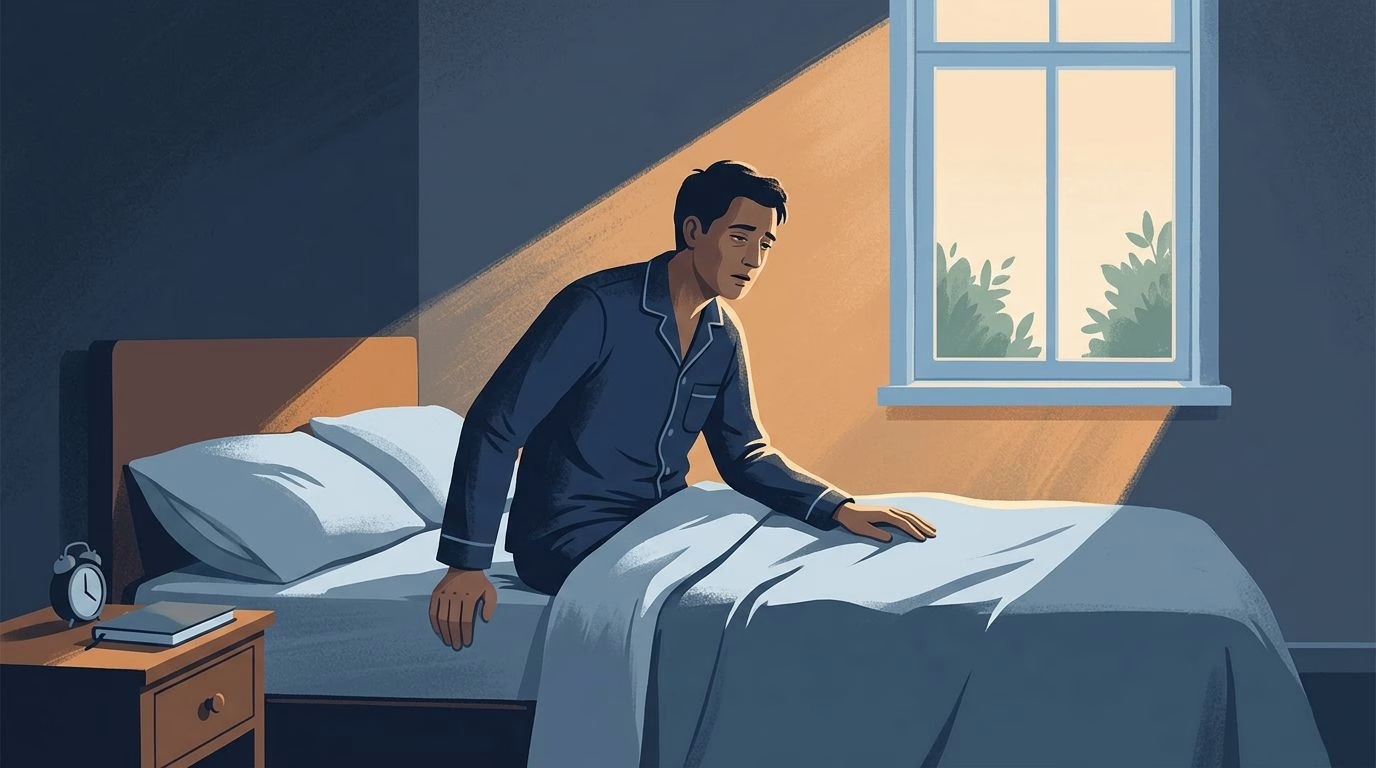
Some people with this rare, chronic sleep disorder sleep for 11 hours or more, yet still wake feeling as though they have missed the night. Idiopathic hypersomnia is a neurological disorder affecting sleep and wake regulation. Its excessive daytime sleepiness is not ordinary tiredness or a lack of effort, and staying awake can feel physically impossible.
The condition can disrupt work, study, relationships and safe travel. A clear diagnosis and realistic plan can make daily life more manageable.
Key takeaways
- Idiopathic hypersomnia causes persistent excessive daytime sleepiness despite adequate, and sometimes prolonged, sleep.
- Severe difficulty waking can leave someone confused, slow and hard to rouse for hours.
- Daytime naps may be long and fail to refresh, unlike shorter naps after poor sleep.
- Diagnosis requires a sleep specialist to rule out sleep apnea, medication effects and insufficient sleep.
- Assessment may include a sleep diary, actigraphy, polysomnography and a multiple sleep latency test.
- Treatment options vary by person and region, with modafinil commonly considered in UK specialist pathways.
- A consistent routine can support symptom tracking, but restricting sleep won’t treat the condition.
- Workplace adjustments, university support and driving safety plans are practical parts of care.
Idiopathic Hypersomnia Symptoms Can Affect Every Hour
The main symptom is excessive daytime sleepiness. It is more than feeling low on energy after a busy week. Sleep can arrive during conversations, meetings, reading or passive tasks, even after a long night in bed.
Many people have a long sleep time, often more than 10 or 11 hours in 24 hours. However, this pattern is not required in every diagnosis. Some people sleep a typical number of hours but remain overwhelmingly sleepy throughout the day.
Sleep inertia is another defining feature. Sleep drunkenness is an informal term for the prolonged, confused waking that can follow. A person may feel irritable, clumsy or unable to think clearly. Several alarms may not help, and waking can take hours rather than minutes.

Brain fog can make ordinary tasks feel slow and error-prone. People may struggle to remember conversations, follow instructions or organise a day. Some also report automatic behaviours, such as turning off alarms or sending messages without later recalling the action.
Daytime naps are often long but provide unrefreshing sleep. This pattern can feel confusing, especially when friends or family assume a nap should solve the problem.
A long nap that fails to restore alertness can be a useful clue for a sleep specialist, but it cannot diagnose idiopathic hypersomnia on its own.
Why Idiopathic Hypersomnia Happens
“Idiopathic” means doctors have not identified a proven cause. It does not mean the symptoms are vague, imagined or less serious. Idiopathic hypersomnia is a chronic sleep disorder. Brain systems regulating sleep and wakefulness appear to behave differently, but research has found no single confirmed explanation.
Some people notice symptoms in their teens or early adulthood. Family patterns have been reported, but no single inherited risk has been confirmed. An infection, stressful period or disrupted routine may coincide with onset, but none proves cause and effect.
A clinician must first check for more common explanations. These include chronic sleep restriction, obstructive sleep apnea, restless legs syndrome, thyroid disease, anaemia, depression, circadian rhythm disorders and sedating medicines. Alcohol, recreational drugs and some antihistamines can also worsen daytime sleepiness.
Depression and IH can look similar because both may reduce concentration and motivation. The difference matters. Depression can cause fatigue and altered sleep, while IH causes a strong physiological urge to sleep. Both conditions can occur together, so neither should be used to dismiss the other.
Idiopathic Hypersomnia and Narcolepsy Are Not the Same
IH and narcolepsy are central disorders of hypersomnolence. Type 2 can be hard to distinguish from IH. A specialist considers the whole history, test results and changes over time.
| Feature | Idiopathic Hypersomnia | Narcolepsy |
|---|---|---|
| Sleep inertia | Often severe and prolonged | Can occur, but is usually less prominent |
| Daytime naps | Often long and unrefreshing | Often shorter and more refreshing |
| Cataplexy | Absent | Present in narcolepsy type 1 |
| REM sleep on MSLT | Usually fewer than two SOREMPs | Usually two or more SOREMPs |
| Sleep duration | May be very long | Can be normal or disrupted at night |
Cataplexy is a sudden loss of muscle strength triggered by emotion, such as laughter or surprise. It may cause jaw weakness, buckling knees or collapse while the person remains conscious. Its presence points towards narcolepsy type 1, not IH.
Sleep-onset REM periods, known as SOREMPs, also help separate the conditions. Yet test results can vary, which is why a single result never tells the whole story.
Diagnosis Requires More Than One Sleep Study
In the UK, the sleep study process usually starts with a GP appointment and referral to a specialist sleep clinic. For an assessment of idiopathic hypersomnia, bring a clear account of when symptoms began, how long you sleep, missed commitments, travel near-misses, and any medicines or supplements you use.
Diagnostic criteria for idiopathic hypersomnia require daily sleepiness for at least three months. The sleep clinic will also look for evidence that symptoms cause real impairment in daily life. Keeping a sleep diary for one or two weeks can show bedtimes, wake times, naps and shift patterns.
Actigraphy may be used alongside the diary. This wrist-worn device records movement and estimates sleep timing. It can show whether you have had enough opportunity to sleep and may identify a delayed body clock.

An overnight polysomnography test records brain activity, breathing, oxygen levels, muscle activity and movement. It can identify sleep apnea, periodic limb movements and other conditions that disturb sleep.
The next day, many patients have a multiple sleep latency test, or MSLT. It offers four or five planned chances to nap at intervals through the day. A mean sleep latency of eight minutes or less supports pathological sleepiness. For IH, the test usually shows fewer than two sleep-onset REM periods.
Some people with IH have a normal-looking MSLT despite very long long sleep time. In those cases, the specialist may use 24-hour sleep recording or at least seven days of actigraphy and sleep diary data. Current criteria recognise total sleep time of 660 minutes, or 11 hours, or more in 24 hours as supporting evidence.
Do not stop antidepressants, stimulants or other medicines before testing unless the clinic gives direct instructions. Some drugs affect REM sleep and can change MSLT results, but stopping them suddenly can be unsafe.
Treatment for Idiopathic Hypersomnia Focuses on Function
There is no universal cure for idiopathic hypersomnia. Treatment options aim to reduce sleepiness, improve safe functioning and make mornings less punishing. A specialist sleep clinic should guide medication choices and follow-up.
UK local prescribing pathways commonly start with modafinil, a wake-promoting medicine. A South East London prescribing pathway lists 100 to 400 mg daily as a three-month first-line trial. The right modafinil dose depends on response, side effects and other health conditions.
Modafinil can cause headache, anxiety, nausea, reduced appetite and insomnia. It may also reduce the effectiveness of hormonal contraception. Anyone using the pill, implant, patch, ring or hormonal coil should discuss reliable contraception with their prescriber and pharmacist.
If the first medicine does not help enough, or causes unacceptable side effects, a specialist may consider methylphenidate or dexamfetamine. These stimulant medicines can improve alertness, but they require checks of blood pressure, pulse, mood and appetite. Some people find them too activating or develop a troublesome afternoon crash.
Pitolisant is another wake-promoting option. It is used as a later-line treatment in some UK specialist services when other medicines have failed or cannot be used. Availability differs between NHS areas, so your clinic can explain local commissioning rules.
Sodium oxybate, sold as Xywav in the United States, received FDA approval for adults with IH in 2021. The lower-sodium product can improve alertness and morning function for some people. However, US approval does not mean it is routinely available through the NHS for idiopathic hypersomnia.
Oxybate medicines are taken at night and need careful supervision. They can cause nausea, dizziness, confusion and sleep-related breathing risks. Alcohol, opioids and sedating medicines can be dangerous in combination.
Medication reviews should focus on your actual day. Tell the clinic whether you can wake safely, work reliably, concentrate in meetings and travel without sudden lapses in alertness. A modest change in daytime sleepiness can still make a major difference to independence.
Daily Routines Can Support Idiopathic Hypersomnia, But Not Replace Treatment
Sleep hygiene alone will not cure IH. A dark bedroom, reduced evening alcohol and a comfortable temperature may improve sleep quality, but they do not correct the underlying disorder. Be wary of plans that promise to fix overwhelming sleepiness through supplements, cold showers or willpower.
A stable routine can still help with symptom tracking. If it is realistic for your sleep needs, maintaining sleep consistency may make day-to-day patterns easier to predict. Do not force an early wake time or cut sleep to build sleep pressure, as this can worsen alertness and daytime sleepiness.
Morning daylight, gentle movement and a planned transition period may make waking less chaotic. Set aside extra time before important commitments. Keep medication, water, clothing and breakfast choices easy to reach the night before.
Caffeine may help some people for short periods, but it cannot make unsafe driving safe. Avoid using energy drinks to push through severe sleepiness, especially if prescribed stimulants already affect your heart rate or anxiety.
Work, Study and Travel: Practical Adjustments for Idiopathic Hypersomnia
Idiopathic hypersomnia can qualify as a disability under the Equality Act 2010 if it has a substantial, long-term effect on normal daily activities. A diagnosis does not automatically guarantee support, but clear medical evidence and examples of functional impact can help.
Useful workplace adjustments may include:
- A later start time where the role allows it, with predictable hours rather than rotating shifts.
- Written follow-up after meetings when brain fog affects recall.
- A quiet space for planned breaks and less exposure to safety-critical tasks during severe sleepiness.
- Hybrid working or reduced travel where commuting creates a safety risk.
- Occupational health input to agree a plan with your manager.
University students can contact disability services early. Extra time in exams, recorded lectures, flexible attendance arrangements and support through Disabled Students’ Allowance may be available.
Driving deserves direct attention. Do not drive when sleepy, even if you have taken medication. Sleep attacks are not the only risk, as gradual sleepiness can also make driving unsafe. If IH affects safe driving, tell your sleep specialist and check the DVLA’s current rules for your licence group. The same rule applies to machinery, ladders and other tasks where a brief lapse could cause harm.
If sleepiness could affect driving or a safety-critical task, stop the task and make another plan. Alertness cannot be judged by determination alone.
The Emotional Toll Deserves Proper Care
Living with idiopathic hypersomnia after years of being labelled lazy, depressed or disorganised can damage confidence. Lost social plans and inconsistent work attendance may also strain relationships. A diagnosis can bring relief, but it may bring grief for routines that no longer feel possible.
Explain the condition in practical terms to people close to you. Saying, “I may need hours to become alert after waking, even after enough sleep,” is often clearer than saying you’re tired. A brief symptom diary can also show patterns that relatives cannot see.
Narcolepsy UK and Hypersomnolence UK offer condition-specific information and peer support. If low mood, anxiety or isolation become hard to manage, speak with your GP. If you feel unable to stay safe, Samaritans are available on 116 123, and Shout offers text support by messaging 85258.
Conclusion
Idiopathic hypersomnia can make a full night’s sleep feel as though it never happened. The combination of excessive daytime sleepiness, unrefreshing sleep and severe sleep inertia needs medical assessment, not blame.
A specialist diagnosis can separate IH from sleep deprivation, sleep-related breathing conditions and narcolepsy. With the right medication, safety plan and adjustments, idiopathic hypersomnia can become more manageable day by day.
FAQ
Is idiopathic hypersomnia a disability in the UK?
It can be. Under the Equality Act 2010, a condition may count as a disability when it has a substantial and long-term effect on normal daily activities. Employers and universities assess adjustments case by case.
How Long Does Diagnosis Take?
Testing can take months, and some people spend years seeking an answer. The process takes time because clinicians must rule out insufficient sleep, medicines, mental health conditions and other conditions affecting sleep before confirming IH.
Can I Drive With Idiopathic Hypersomnia?
You must not drive if you feel sleepy or unable to stay alert. Speak with your sleep clinic and check DVLA guidance if the condition affects your ability to drive safely.
Do Daytime Naps Help?
They can help some people, but many find them long and not refreshing. A nap may also leave you groggy or less alert, so track how you feel afterwards rather than assuming it will restore alertness.
Does Caffeine Treat Idiopathic Hypersomnia?
Caffeine may offer a short lift in alertness, but it does not treat the condition. It can also disrupt night-time sleep, increase anxiety and interact poorly with a stimulant-based treatment plan.
Is Sodium Oxybate Available On The NHS?
Xywav has FDA approval in the United States for adults with IH. NHS access for this condition is not routine and depends on specialist assessment and local commissioning decisions.
Can idiopathic hypersomnia get worse over time?
Symptoms can change with stress, illness, disrupted sleep and medication response. IH is usually long-term, but no single pattern predicts how one person’s symptoms will develop.
Should I Try To Sleep Less During The Day?
No. Sleep restriction can increase sleepiness and make functioning less safe. Keep a diary and follow your sleep specialist’s advice before making major changes to your sleep schedule.
Leave a Reply