
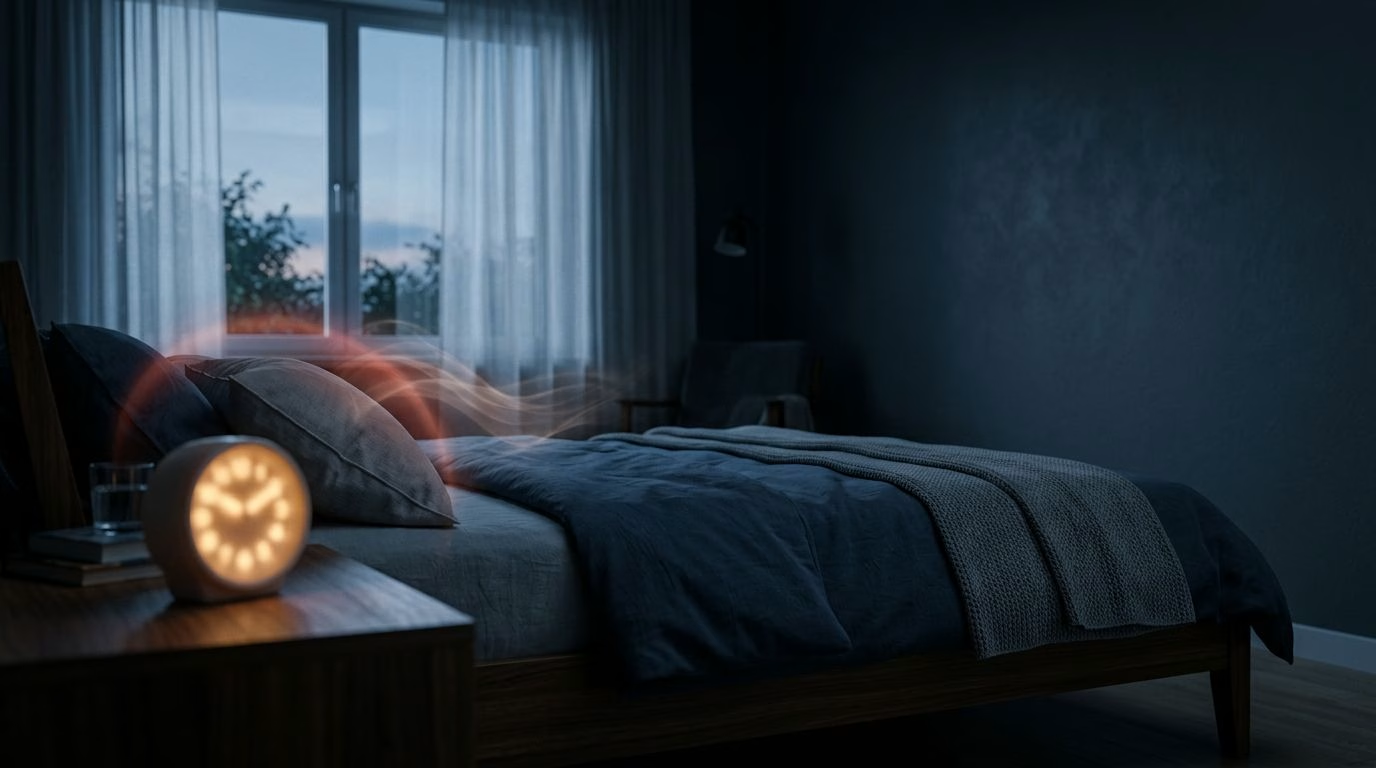
A change in sleep can trigger migraine even when you have slept for longer than usual. For many people, sleep and migraine are closely linked because the brain responds badly to sudden changes in timing, quality, and routine.
A short night, a weekend lie-in, or several restless nights can lower your threshold for a migraine attack. The aim is not perfect sleep, but rather maintaining stable sleep patterns that give your nervous system fewer surprises.
Key Takeaways
- Both too little sleep and sleeping much later than usual can trigger a migraine attack.
- A fixed wake-up time often matters more than forcing an early bedtime.
- Poor sleep rarely acts alone, as stress, dehydration, skipped meals, and caffeine changes can add up.
- A headache diary can show whether sleep disruption is a true trigger or an early migraine symptom.
- Shift workers can reduce risk by keeping a few daily routines consistent.
- A cool, dark, quiet bedroom can make sleep easier when migraine has made you light-sensitive.
- Loud snoring, breathing pauses, morning headaches, or persistent daytime sleepiness need a doctor’s review.
- Sudden severe headaches or new neurological symptoms need urgent medical assessment.
Sleep and Migraine: Why Timing Matters
Migraine is a neurological condition, not simply a bad headache. It can affect pain processing, light sensitivity, nausea, balance, mood, and concentration. Sleep is woven into those same systems, so disruption can leave the brain more sensitive to its usual triggers.
The bidirectional relationship goes in both directions. Broken sleep may bring on an attack, while migraine pain can make sleep difficult. Some people also feel unusually tired, yawn more, or sleep poorly during the early phase of a migraine. In that case, a rough night may be a warning sign rather than the original cause.

Your circadian rhythm, often called your body clock, helps set daily patterns for alertness, temperature, hormones, appetite, and sleepiness by regulating the sleep-wake cycle. It expects fairly regular cues. When wake-up time jumps between workdays and weekends, the clock has to keep readjusting.
That mismatch can feel like a small dose of jet lag. You may struggle to fall asleep on Sunday, wake tired on Monday, then rely on extra caffeine to function. For someone prone to migraine, that combination can be enough to tip the balance, especially when sleep deprivation elevates neuropeptides like CGRP that drive head pain.
NHS migraine guidance lists tiredness and disturbed sleep among common triggers. Several NHS patient leaflets also name lie-ins, irregular schedules, and shift work. This does not mean every late night will cause a migraine. It means that repeated changes may matter when they occur alongside other pressures.
How Poor Rest Lowers Your Migraine Threshold
Sleep is not a switch that turns the brain off. During the night, the brain moves through different stages, including REM sleep, that support memory, mood, pain regulation, and physical recovery. Frequent waking, untreated sleep disorders, alcohol, pain, or a hot bedroom can fragment that process and reduce overall sleep quality, even if you spend eight hours in bed.
The next day, ordinary inputs may feel harsher. Bright office lighting, a missed lunch, a tense meeting, or a strong coffee can become harder to tolerate. A migraine often works through this build-up rather than one isolated cause, meaning a migraine trigger is frequently the final pressure on an already strained system.
A migraine trigger is often the final pressure on an already strained system, rather than the sole explanation for an attack.
Short sleep can also change daily habits. Over time, consistent sleep deprivation can elevate your risk of developing chronic migraine by keeping the nervous system on high alert. You might skip breakfast because you are rushing, drink less water, move less, or take caffeine later than usual. Each habit can affect migraine risk, which is why sleep and migraine need to be considered alongside the whole day.
Long sleep can cause problems too. A weekend lie-in may feel deserved after a demanding week, yet sleeping several hours beyond your normal wake time can shift your body clock. NHS advice commonly recommends regular bed and wake times, including weekends, rather than trying to catch up with large lie-ins.
That does not mean you should ignore serious sleep debt. If you have had a short night, an earlier bedtime is often less disruptive than waking at midday. A brief nap may help some people, although long or late naps can make it harder to sleep that night.
Spot the Pattern With a Migraine and Sleep Diary
Memory is unreliable when pain is involved. A diary gives you a clearer record than trying to reconstruct the previous week during an appointment. It can also stop you blaming one food, one stressful day, or one poor night’s sleep without enough evidence, especially when trying to identify a hidden migraine trigger.
Record your bedtime, wake time, estimated sleep quality, and awakenings. Add the start and end time of migraine symptoms, medicines taken, meals, hydration, caffeine, alcohol, stress, exercise, and menstrual cycle if relevant. Keep entries brief enough that you will use the diary on difficult days.
Look for repeated sequences across several weeks. For example, attacks may occur after two short nights rather than one. You may find that shifting your sleep patterns on weekends only causes trouble when you also skip breakfast on Saturday. Patterns can be less obvious than expected.
It also helps to note early symptoms. Neck stiffness, unusual tiredness, food cravings, frequent yawning, and mood changes can appear before head pain. If tiredness regularly starts before the headache, migraine may be disrupting your sleep rather than poor rest starting the attack.
Bring the diary to your GP or headache clinic if you need support. It provides useful context when discussing preventive medicine and lifestyle adaptations, acute medicines, hormonal patterns, or work adjustments. You can also use it to see whether one small sleep change has made a genuine difference.
Build A More Stable Sleep Routine
Start with wake-up time. Choose a realistic time you can keep most days, including weekends. It does not need to be exact to the minute, but keeping it within roughly an hour gives your body clock a more reliable anchor. Sometimes, approaches inspired by cognitive behavior therapy can help ground this routine by reducing sleep anxiety and reinforcing your circadian rhythm.
Morning daylight helps reinforce that signal. Open the curtains soon after waking and, if possible, spend time outside. Even a short walk to the shops or a few minutes in a garden can help your brain separate morning from evening. Why wake time matters most is especially useful when bedtime keeps drifting later.
Next, make your bedtime routine in the last hour before bed less stimulating. Lower room lights, put demanding work aside, and avoid scrolling through upsetting news. You do not need a complicated ritual. Reading, gentle stretching, a shower, or quiet music can give the mind a clear cue that the day is winding down.
A practical bedroom supports the routine. Good sleep hygiene principles, often highlighted in NHS guidance, recommend a dark, quiet, cool room. Many people sleep comfortably at around 18 to 19°C, though personal comfort matters more than hitting one exact number. Blackout curtains, an eye mask, earplugs, or a fan may help if noise, light, or warmth keep waking you.
Caffeine deserves a calm, personalised approach. Coffee does not trigger migraine in everybody, and caffeine can even help some acute migraine medicines work. However, a late afternoon energy drink or several large coffees may delay sleep and create a cycle of fatigue. Keep your intake and timing consistent while you track your symptoms.
Avoid making big changes all at once. A strict new bedtime, no caffeine, intense exercise, and early alarms can become another stressor. Start with one or two adjustments for two weeks, then review your diary.
Useful first steps include:
- Keep your wake-up time within about an hour on most days.
- Eat and drink regularly, especially after a poor night.
- Move caffeine earlier if it delays sleep or makes you jittery.
- Avoid long naps late in the afternoon.
- Use an earlier bedtime after sleep loss instead of a major lie-in.
- Keep medicines within the plan agreed with your GP or pharmacist.
For a broader view of routines, sleep stages, and recovery habits, explore these sleep and recovery resources. The best routine is one you can repeat without making life smaller.
Managing Shift Work And Changing Schedules
Shift work can make regular sleep difficult, especially where early starts and night shifts rotate quickly, leading to severe sleep disruption. You may not be able to create a standard sleep pattern, but you can still reduce unnecessary variation.
Keep a few anchors steady. Have a regular pre-sleep routine, protect a dark sleeping space, and eat predictable meals where your shift allows. On days off, avoid flipping completely back to a daytime schedule if another night shift is close. Small adjustments tend to be easier on the body than dramatic swings.
Light exposure matters here too. Bright light before a night shift can support alertness and help anchor your circadian rhythm. After finishing, sunglasses on the journey home may reduce morning light exposure and make daytime sleep easier. Be careful if you need to drive, as tiredness itself affects safety.
Discuss workplace adjustments with your manager or occupational health team if migraine is frequent. More predictable rotas, fewer quick returns between shifts, and access to water and regular breaks can make a practical difference. Migraine is covered by the Equality Act 2010 in some cases when its effects are substantial and long-term.
When Sleep Problems Need Medical Care
Persistent sleep trouble, including severe insomnia, deserves attention, particularly if migraine attacks have become more frequent or harder to manage. A GP can review your symptoms, medicines, mood, caffeine use, and possible medical causes. Do not start, stop, or increase sleeping tablets without medical advice.
Ask for help if you snore loudly, gasp or choke during sleep, wake with dry mouth or morning headaches, or feel overwhelming daytime sleepiness. These can be signs of sleep disorders like sleep apnea. Treating a sleep disorder may improve rest and can reduce one source of strain on migraine.
Some migraine medicines can affect sleep. For instance, certain treatments may cause drowsiness, while others can feel activating. Some sleeping medicines may also trigger migraine in some people. A pharmacist or GP can help review the timing and side effects of every medicine, including over-the-counter products.
Seek urgent help for a sudden, severe headache that peaks quickly, or a headache after a head injury. New weakness, trouble speaking, fainting, confusion, fever with a stiff neck, or a major change in your usual migraine pattern also needs urgent assessment. Call 999 for emergency symptoms, or use NHS 111 when you need prompt advice and are unsure where to turn.
Conclusion
Poor rest can make migraine more likely, but the goal is not flawless sleep. A predictable wake-up time, gentler evenings, regular meals, and a simple diary can lower the number of stresses your brain handles at once.
Treat sleep and migraine as a pattern to observe, not a reason to blame yourself after an attack. Making these steady habit adjustments can also help prevent episodic attacks from turning into chronic migraine. Start with one sustainable change, then give it enough time to show whether it helps.
FAQ
Can A Lack Of Sleep Trigger A Migraine?
Yes, sleep deprivation is a common migraine trigger. The risk often rises when poor sleep combines with stress, missed meals, dehydration, or changes in caffeine. One short night may be manageable, but several can lower your migraine threshold.
Can Sleeping Too Much Cause A Migraine?
It can. A long lie-in can shift your body clock and may trigger migraine in people who are sensitive to changes in routine. Keeping wake-up time fairly stable usually works better than trying to repay sleep debt in one morning.
How Much Sleep Should Someone With Migraine Get?
Many adults need around seven to nine hours, although the right amount varies. One NHS migraine leaflet advises seven to eight hours. Regularity matters as much as total duration, so focus on a pattern that leaves you reasonably rested.
Is Insomnia Common With Migraine?
Yes, insomnia and migraine often occur together. Pain, worry about another attack, medication effects, and an irregular schedule can all interfere with sleep. A GP can help if insomnia lasts for weeks or affects daily life.
Should I Nap After A Migraine Attack?
A short nap may help when you are exhausted or recovering from a migraine attack. However, long naps or naps late in the day may delay bedtime and disrupt the following night. Track your response, because nap tolerance differs between people.
Can Caffeine Help Or Worsen Migraine Sleep Problems?
Caffeine can help some migraine medicines and may ease symptoms for some people. Yet late caffeine can reduce sleep quality, while sudden withdrawal can also trigger headaches. Keep the amount and timing steady before deciding whether it affects you.
Can Melatonin Prevent Migraine?
Research on melatonin and migraine is still mixed, so it is not a guaranteed preventive treatment. It may suit some people with delayed sleep timing, but it can interact with medicines or be unsuitable in some situations. Ask a GP or pharmacist before taking it regularly.
When Should I See A GP About Migraine And Sleep?
Book a GP appointment if attacks are becoming more frequent, your sleep is regularly poor, or you are using pain relief often. Get help sooner if you have loud snoring, breathing pauses, severe daytime sleepiness, or symptoms that are new or different for you.
Leave a Reply