
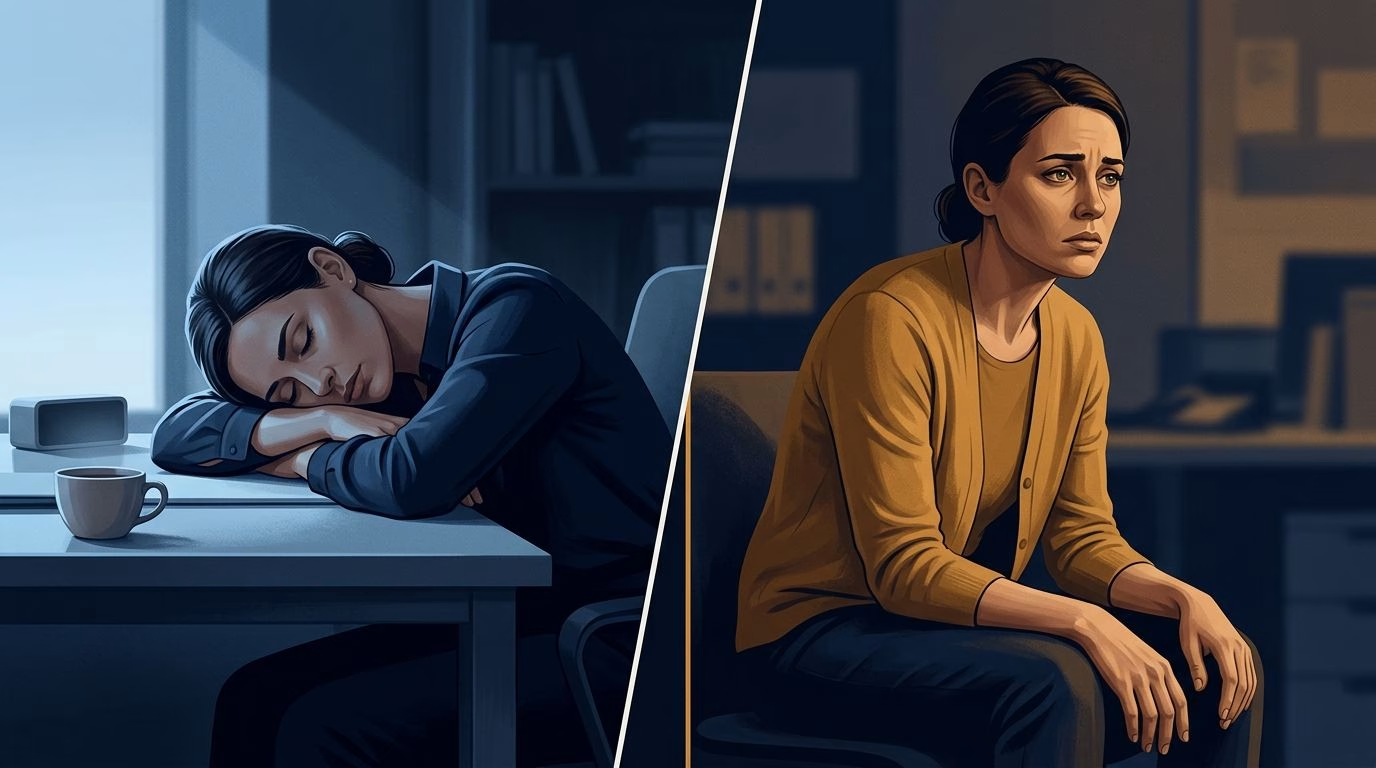
About one in three adults regularly gets fewer than seven hours of sleep a night. Yet a lack of sleep duration is only one reason you might feel wiped out, as poor sleep quality can also drive persistent daytime sleepiness.
The difference between sleepiness vs fatigue matters because the right response is different. One calls for sleep. The other may call for pacing, better recovery, or medical advice.
Key Takeaways
- Sleepiness is the urge to fall asleep, while fatigue is a lack of physical or mental energy that affects your overall energy levels.
- A short nap often helps sleepiness, but fatigue can remain after a full night’s sleep.
- Dozing during meetings, films, or passenger journeys points more strongly to sleepiness.
- Heavy limbs, low motivation, and effort feeling disproportionate point more strongly to fatigue.
- Sleep debt, an irregular sleep schedule, and late caffeine can make daytime drowsiness worse.
- Illness, stress, medication, anaemia, thyroid problems, chronic fatigue, and sleep disorders can drive persistent tiredness.
- Keep a short record of sleep, naps, activity, mood, and symptoms before speaking with a GP.
- Never drive when you are struggling to stay awake.
Sleepiness vs Fatigue: Spot The Different Signals
Sleepiness means your brain is ready to sleep. You may yawn repeatedly, blink heavily, lose track of what you have read, or find your head dipping when you sit still. Given the chance, you could fall asleep.
Fatigue feels more like a drained battery. You might want to lie down, but not because you expect to drift off. Your muscles can feel weak, your concentration may slow, and simple jobs such as cooking or answering messages can feel demanding.
The distinction is not always neat. A week of short nights can cause both symptoms, and various medical conditions can do the same. So can sleep apnea, depression, long Covid, chronic pain, or an underactive thyroid.
The most useful question is simple: if you had 20 minutes in a quiet room, would you probably sleep? If the answer is yes, sleepiness is likely a major part of the problem. If you would rest awake but still feel unable to do much afterwards, fatigue may be the stronger issue.
Sleepiness builds until you get adequate sleep. Persistent fatigue can point to an underlying medical condition and often persists even when you have slept and rested.
Signs That You Need Sleep Rather Than More Willpower
Sleepiness often becomes obvious during passive moments. You may nod off on the sofa at 8 pm, struggle to stay alert in a warm meeting, or miss parts of a television programme you wanted to watch. Your body is asking for sleep, even if coffee briefly masks the signal.
A nap can provide a useful clue. If a 10 to 20-minute nap leaves you clearer and more awake, the problem may be sleep pressure or temporary sleep deprivation. Longer naps can help after severe sleep loss, but they may also make bedtime harder if taken late.

Sleepiness can also show up as automatic behaviour. You may drive past a familiar turn, re-read the same email, or have no memory of the last few minutes of a journey. These are warning signs, not personal failings.
Your circadian rhythm affects the pattern too. Many people feel a natural dip in alertness during the early afternoon. However, experiencing excessive daytime sleepiness every day, especially after adequate rest, deserves closer attention.
Improving your daily sleep habits and maintaining a regular wake time can make mornings steadier because it anchors your body clock. Read more about why wake time matters most if weekends and weekdays leave you feeling out of sync.
How Fatigue Feels In Daily Life
Physical fatigue tends to make any ordinary physical activity feel expensive. A short walk, a food shop, or an hour of concentrated work may leave you depleted for the rest of the day. You might stay awake easily but lack the capacity to begin or finish tasks.
Mental fatigue can be just as limiting. Words may take longer to find, decisions feel irritating, and noise becomes harder to tolerate. Resting your eyes may help a little, but your mind still feels slow.
Physical fatigue often includes poor stamina, aching muscles, or a longer recovery after ordinary effort. This can happen after an infection, a demanding period at work, a chronic illness, or disrupted sleep. It can also occur with many medical conditions.
Unlike simple sleepiness, fatigue often gets worse when you push through. A productive morning may lead to an afternoon crash, followed by a day in bed. That boom-and-bust pattern can make it harder to judge your real limits.
Fatigue is not laziness, poor character, or proof that you are simply feeling tired. It is a symptom. Treat it as information from your body rather than a challenge to overcome through more caffeine and self-criticism.
Common Causes Of Daytime Drowsiness And Low Energy
Short or poor-quality sleep is a common cause of daytime sleepiness. Lifestyle factors such as shift work, a new baby, jet lag, late-night scrolling, alcohol, and an uncomfortable sleep environment can all reduce restorative sleep. Snoring, choking, or gasping at night can also point to sleep apnoea.
Irregular sleep timing can leave you tired even when your total hours look reasonable. A large lie-in after a late night may feel helpful in the moment, yet it can shift your bedtime and make Monday morning harder.
Fatigue has a wider set of causes. Viral illnesses, iron deficiency, vitamin deficiencies, diabetes, thyroid conditions, depression, anxiety, menopause, pregnancy, inflammatory conditions, and other medical conditions can all play a part.
Check your medication leaflet or ask a pharmacist if symptoms began after starting new prescription medications. Sedating antihistamines, some painkillers, medicines for anxiety, and certain blood pressure medicines can cause drowsiness or tiredness.
Stress can cause either symptom, while mental health conditions like depression and anxiety may shorten sleep and create daytime sleepiness. They can also keep your nervous system on high alert, leaving you exhausted without feeling ready to sleep.
The phrase sleepiness vs fatigue is useful because it directs attention towards the pattern, rather than assuming every low-energy day needs the same fix.
Use A Seven-Day Pattern Check
One difficult day rarely gives a clear answer. Instead, track your routine for seven days. Keep the notes brief, as a long diary often becomes another task when energy is low, especially if you are monitoring your sleep quality alongside daily tasks.
Write down bedtime, wake time, night waking, naps, caffeine, alcohol, exercise, and how alert or exhausted you felt. Also record any snoring, headaches on waking, breathlessness, pain, low mood, or new symptoms that might contribute to daytime tiredness.
This comparison can help you interpret what you notice.
| Pattern | More Suggestive Of Sleepiness | More Suggestive Of Fatigue |
|---|---|---|
| Sitting quietly | You might doze off | You remain awake but feel spent |
| After a short nap | You feel more alert | You may still feel drained |
| During activity | Movement may wake you briefly | Effort often makes symptoms worse |
| After eight hours in bed | You may still struggle to stay awake | You may lack energy despite sleep |
| Main thought | “I need to sleep” | “I can’t manage this” |
The table cannot diagnose a condition. Still, it gives you clearer language for a GP appointment, and this self-tracking can provide context before evaluating potential sleep disorders with a professional, helping you spot whether late nights, missed meals, stressful days, or activity spikes are linked to your symptoms.
Wearables can add context, but they cannot diagnose sleep disorders or explain every tired day. Treat their sleep scores as trends, not verdicts. Your daytime function and symptoms matter more than one number from a wrist device.
What Helps When Sleepiness Is The Main Problem
Start by improving your sleep habits and reviewing key lifestyle factors for one or two weeks. Get up at roughly the same time each day, including weekends where possible. Morning daylight soon after waking can support your body clock, even on grey British days.
Move caffeine earlier. Its effects can last for hours, so an afternoon coffee may interfere with sleep even if you fall asleep at your usual time. Alcohol may make you sleepy at first, but it often fragments sleep later.
If you need a nap, keep it short and take it early. A 10 to 20-minute nap before mid-afternoon is less likely to reduce your sleep drive at night. For a deeper look at understanding sleep pressure, focus on regular timing before trying complicated routines.
Avoid driving, cycling in traffic, or operating machinery if you are fighting sleep. Pull over somewhere safe if drowsiness strikes when driving. Fresh air, loud music, and an open window do not make a dangerously sleepy driver safe.
If you sleep enough but still doze off most days, speak with your GP or a qualified health care provider. Mention snoring, witnessed breathing pauses, waking headaches, restless legs, and any sudden muscle weakness triggered by emotion.
What Helps When Fatigue Is The Main Problem
When fatigue is prominent, pushing hard on a good day can backfire. Instead, set a realistic baseline for activity. Keep it steady for several days before adding more.
The NHS often describes this as planning, prioritising, and pacing. Break demanding jobs into smaller parts, sit down for tasks where possible, and take proper rest before you are completely spent. Rest means reducing stimulation, not simply scrolling on your phone.

Maintain a healthy diet and drink enough fluid, particularly when appetite has been poor. Gentle physical activity can help some people, but it should stay within your available energy. Stop treating demanding workouts as a cure-all when they leave you worse for days.
Managing your stress levels can also matter. A quiet routine before bed, fewer commitments during a rough patch, and honest conversations about workload can reduce the pressure that keeps fatigue going, while incorporating regular exercise at a sensible pace supports long-term recovery.
Useful sleep recovery strategies can support both energy and concentration. However, ongoing fatigue still needs a medical review when it affects daily life.
When To Speak With A GP
Book a GP appointment or consult your health care provider if tiredness lasts several weeks, disrupts work or home life, or points to an underlying medical condition with no clear cause. Take your seven-day notes with you. Clear details about sleep, activity, medication, mood, and physical symptoms can speed up the conversation.
Seek advice sooner if fatigue began after an infection and does not improve, or if small amounts of activity cause a marked worsening later that day or the next. This could signal post-viral fatigue or the early signs of chronic fatigue. A GP can consider tests for common causes and decide whether you need further assessment.
Call 999 if tiredness comes with severe chest pain, serious breathing difficulty, fainting, confusion, or signs of a stroke. These symptoms need urgent care, not a sleep reset.
Low mood and other mental health issues can also feel like exhaustion. If you are struggling to cope or having thoughts of harming yourself, contact NHS 111, your GP surgery, Samaritans on 116 123, or text Shout to 85258.
Conclusion
Sleepiness means your body needs sleep. Fatigue means your energy and capacity have dropped, often for reasons that a nap cannot fix.
Recognising sleepiness vs fatigue helps you choose a safer next step. Protect sleep when you are drowsy, pace yourself when your energy levels are low, and speak with a GP when the pattern persists or worsens.
FAQ
Can You Have Sleepiness And Fatigue At The Same Time?
Yes. A run of poor sleep can make you both likely to doze off and too drained to manage normal tasks. Various sleep disorders, illness, pain, and stress can also create both symptoms.
Does A Nap Help Fatigue?
A short nap may improve alertness if sleepiness is part of the problem. However, fatigue often remains because it is linked to exertion, illness, stress, or conditions like chronic fatigue syndrome that sleep alone cannot resolve.
How Much Sleep Do Adults Usually Need?
Most adults need around seven to nine hours per night. Individual needs vary, so your ability to stay alert and function during the day matters too.
Is Constant Sleepiness A Sign Of Sleep Apnea?
It can be. Loud snoring, choking or gasping during sleep, morning headaches, and unrefreshing sleep are common reasons to ask a doctor about sleep apnea.
Can Low Iron Cause Fatigue?
Yes. Iron deficiency can cause fatigue, weakness, breathlessness, headaches, and reduced exercise tolerance. A GP can decide whether blood tests are appropriate.
Should I Exercise When I Feel Fatigued?
Gentle activity may help if it does not worsen your symptoms. If exercise causes a significant crash afterwards, reduce the intensity and discuss the pattern with a doctor.
When Does Tiredness Become A Medical Concern?
Seek advice when feeling tired lasts for weeks, limits normal life, or appears with weight loss, fever, breathlessness, pain, low mood, or new neurological symptoms. Persistent tiredness deserves a proper assessment.
Leave a Reply