-

·
Narcolepsy symptoms adults Beyond sleep attacks
Narcolepsy is a chronic neurological disorder that affects around one in 2,000 people in the UK. Yet many adults live with symptoms for years because they mistakenly expect the condition to mean suddenly collapsing into sleep attacks without warning. For some people, the first signs are muddled thinking, strange dreams at waking, broken nights, or…
-
·
Perimenopause Sleep: Causes and Practical Help
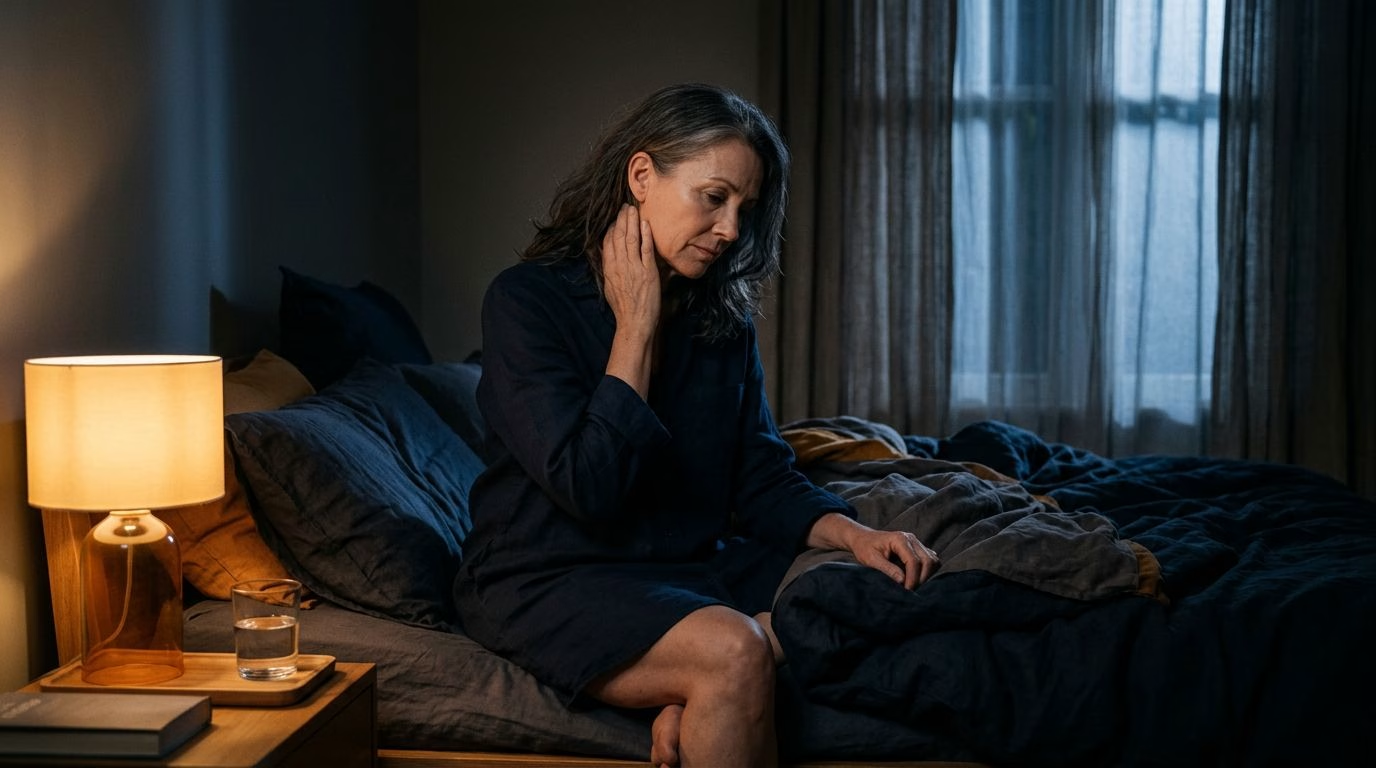
A hot flush can wake you before you fully register feeling hot. For many women, that is where perimenopause sleep issues begin: a sudden 3 am wake-up, damp sheets, racing thoughts, and no easy route back to sleep. Poor sleep during perimenopause can feel personal, yet it often has a physical cause. Hormone shifts affect…
-

·
Sleep-Related Eating Disorder: Signs, Risks and Treatment
Sleep-related eating disorder is a specific type of parasomnia that involves involuntary food consumption during the night, going far beyond the scope of simple sleepwalking. While it is sometimes confused with nocturnal eating syndrome, this condition has distinct clinical characteristics that set it apart. Many people with a sleep-related eating disorder find empty wrappers, unusual…
-
·
Sleep Hallucinations: Causes, Clues and When to Get Help
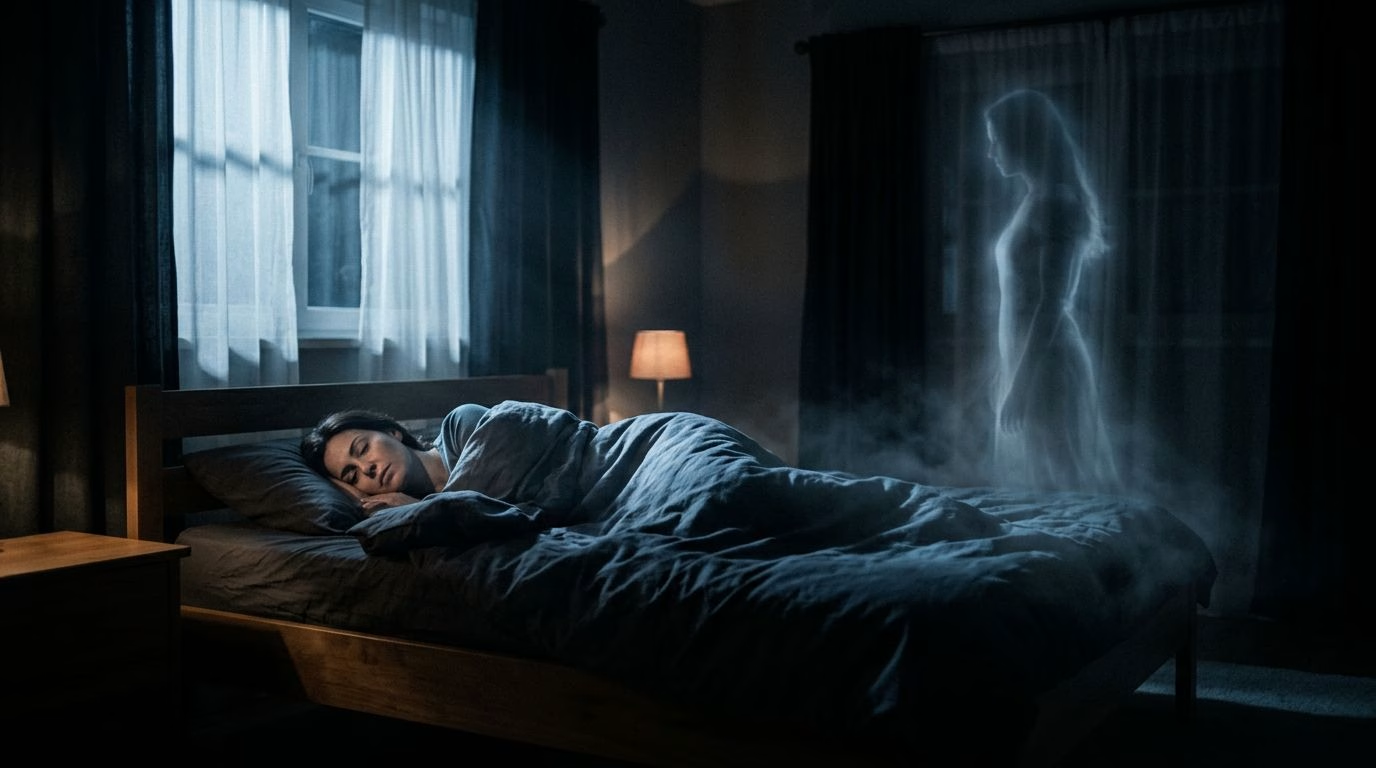
Seeing a vivid figure at your bedside can be a startling experience, even when you are fully awake. These sleep hallucinations can feel alarming, especially when the visions seem completely real, yet many occur as a natural part of the transition between being asleep and being alert. They are often harmless and brief. However, frequent…
-

·
Menstrual Cycle Sleep: Why Your Rest Changes Each Month
Your core body temperature usually rises after ovulation, even when you do not feel feverish. This slight increase in body temperature can make falling asleep more difficult and leave you feeling uncomfortably warm throughout the night. Understanding how your menstrual cycle sleep changes can help you manage shifts in sleep depth, bedtime comfort, energy levels,…
-
·
Sleeping Too Much: Causes, Risks and When to Get Help
Most adults need around seven to nine hours of sleep, yet waking after a long lie-in can still leave you feeling drained. Oversleeping once in a while is often harmless, especially after illness, travel, stress, or several short nights. Regularly needing long sleep, however, can be different. If you find yourself sleeping too much, with…
-

·
REM Sleep Behaviour Disorder: Signs, Risks and Next Steps
A person with REM sleep behaviour disorder may shout, punch, kick, or leap from bed while still asleep. These actions can look purposeful because they often match a vivid dream. For partners and family members, it can be frightening to watch. For the person asleep, the first clue may be an unexplained bruise, a broken…
-

·
Bedroom Humidity And Sleep: What Helps
Your nose moistens every breath you take at night, and the air in your bedroom can make that job easy or hard. If the room is too dry or too damp, sleep can feel broken even when it is quiet and dark. That is why managing bedroom humidity sleep levels often helps prevent dry throats,…
-

·
Red Light for Sleep: What It Can and Cannot Do
When considering how to improve your red light sleep routine, it is helpful to understand your eyes. They contain special cells that react strongly to blue light exposure, even when a room does not seem particularly bright. That is why your evening lighting choices impact your circadian rhythm more than many people think. If you…
-

·
Microsleeps During Sleep Loss: Why Your Brain Briefly Switches Off
A microsleep can last only a few seconds, yet that tiny gap is long enough to miss a brake light, skip a sentence, or drift across a lane. These brief lapses are often a direct result of severe sleep deprivation. If you have ever jerked awake at your desk or realized you do not remember…
-

·
Sleep Talking in Adults: Causes, Triggers and Relief
Adults can speak in full sentences while asleep and remember none of it by morning. For some people, sleep talking is a rare oddity. For others, adult sleep talking is frequent enough to wake a partner and raise awkward questions at breakfast. Most episodes are harmless. Still, repeated night-time talking often points to stress, broken…
-

·
Sleep Drunkenness Explained: How To Wake Up Clearer
Your eyes can open before your brain has fully switched into wake mode, which is the hallmark of sleep drunkenness. If you have ever sat up, looked around, and felt a sense of disorientation in your own room, you are not imagining it. That heavy, confused state is more than ordinary morning grogginess. It can…
-

·
Acid Reflux At Night: Why GERD Worsens In Bed
Gravity protects your oesophagus more than most people realise, and you lose that natural support the moment you lie flat. If you suffer from acid reflux at night, this pattern is common and not just your imagination. Many people find that their symptoms are linked to gastroesophageal reflux disease, or GERD, which often intensifies once…
-

·
Bright Light Therapy for Winter Fatigue and Delayed Sleep
Many home light boxes can produce around 10,000 lux, far brighter than typical indoor lighting on a winter morning. That matters because your brain uses light as a time signal, and short, dark days can throw that signal off. If your energy drops every winter, or your sleep drifts later and later, bright light therapy…
-

·
Deep Sleep Explained: What Really Helps You Get More
You spend only part of the night in deep sleep (non-REM sleep), yet it does much of the heavy lifting. If you fall asleep easily but still wake groggy despite more time in bed, this is often sleep deprivation, the missing piece. The bigger win usually comes from timing, light, temperature, caffeine, and stress. A…
-

·
Glycine For Sleep: Benefits, Timing, And Side Effects
Glycine has a naturally sweet taste, yet many people use it as a nighttime supplement to improve their rest. Unlike a traditional sleeping tablet, it does not typically act as a sedative that knocks you out. If you are currently researching glycine for sleep, the most important questions are straightforward: can it help, when is…
-
·
Dry Mouth At Night: Causes, Relief And When To Get Help
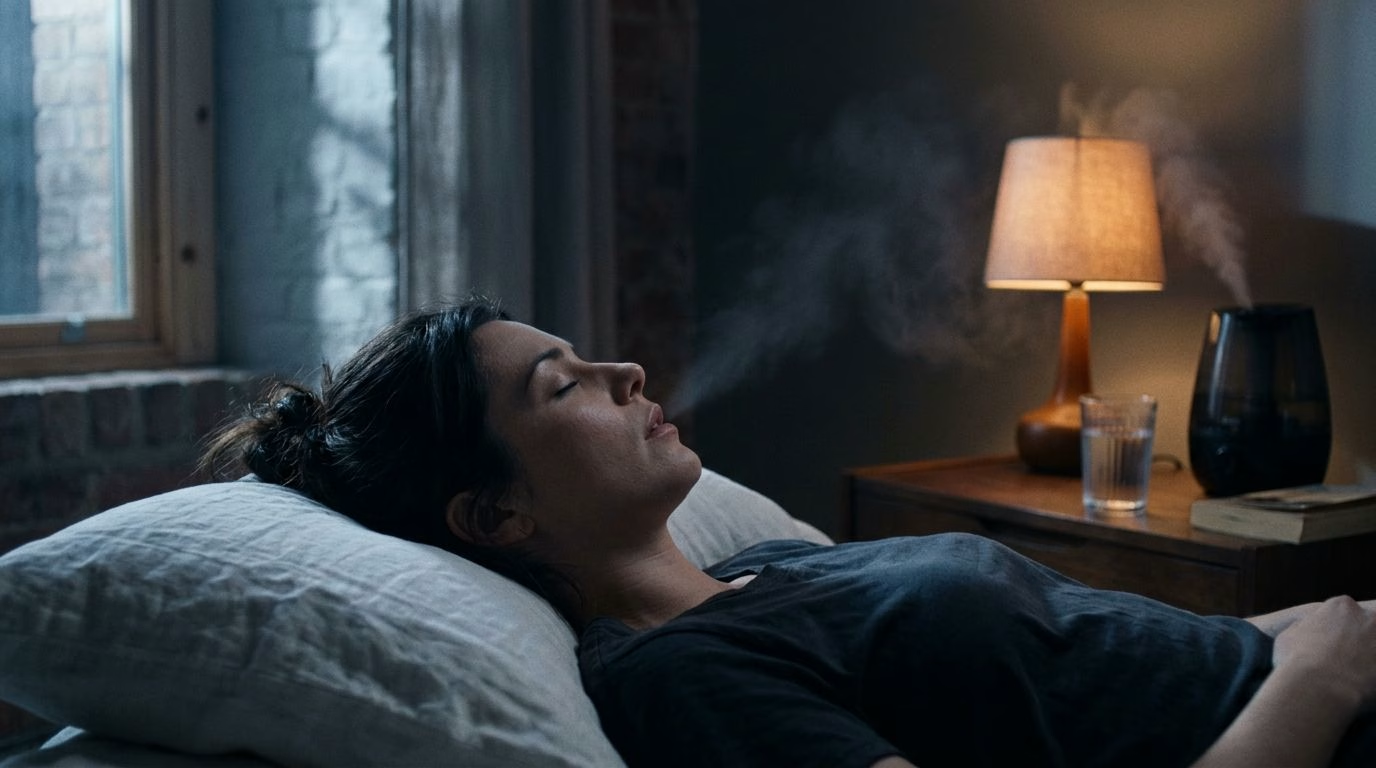
Saliva production naturally drops while you sleep. Because of this, even a mildly blocked nose, a late drink, or the wrong tablet can cause you to wake up with dry mouth at night (xerostomia) far more often than you might expect. If this happens occasionally after a salty meal, it usually is not a major…
-

·
First-Night Effect: Why You Sleep Worse Away From Home
Settling into a new bedroom can often leave your brain feeling as though it is sleeping with one eye half open. That restless, rough first night spent in a hotel, a spare room, or a holiday flat is a recognised phenomenon known as the first-night effect. You might be physically exhausted and perfectly comfortable, yet…
-

·
Snoring In Adults
Snoring does not necessarily mean you are sleeping soundly. It typically indicates that air is struggling to pass through a narrowed airway, causing the soft tissues in the throat to vibrate and create that familiar sound. For many, this noise is occasional and relatively harmless. For others, it points to obstructions in the nasal passages,…
-

·
Night Sweats During Sleep: Causes And Relief
Experiencing night sweats during sleep can be frustrating, even when your bedroom feels perfectly cool. If you frequently wake up feeling damp, sticky, or soaked enough to require a change of clothes, your body is signalling that something deserves your attention. Sometimes the cause is straightforward, such as a heavy duvet or alcohol consumption before…