

You can be exhausted, want sleep, and still stay up on purpose. That strange clash sits at the heart of revenge bedtime procrastination.
It often shows up after days packed with work, care, study, or constant messages. Late at night feels like the only time that still belongs to you, so bedtime gets pushed back. The cost lands the next morning.
This habit isn’t about laziness. It’s usually a mix of stress, lost control, easy screen rewards, and a brain hunting for relief. Here’s what it means, why it happens, and how to stop the loop.
Key Takeaways
- Revenge bedtime procrastination means delaying sleep to reclaim personal time.
- It often follows days that feel overbooked, pressured, or tightly controlled.
- The habit is usually driven by stress and lost autonomy, not laziness.
- Phones make the pattern stick because they offer easy reward without a clear stopping point.
- Poor sleep weakens mood, focus, and self-control the next day.
- Small bedtime cues work better than late-night promises.
- Adding short pockets of free time earlier can lower the urge to steal it from sleep.
- A good fix feels realistic, not strict or punishing.
What Revenge Bedtime Procrastination Really Means
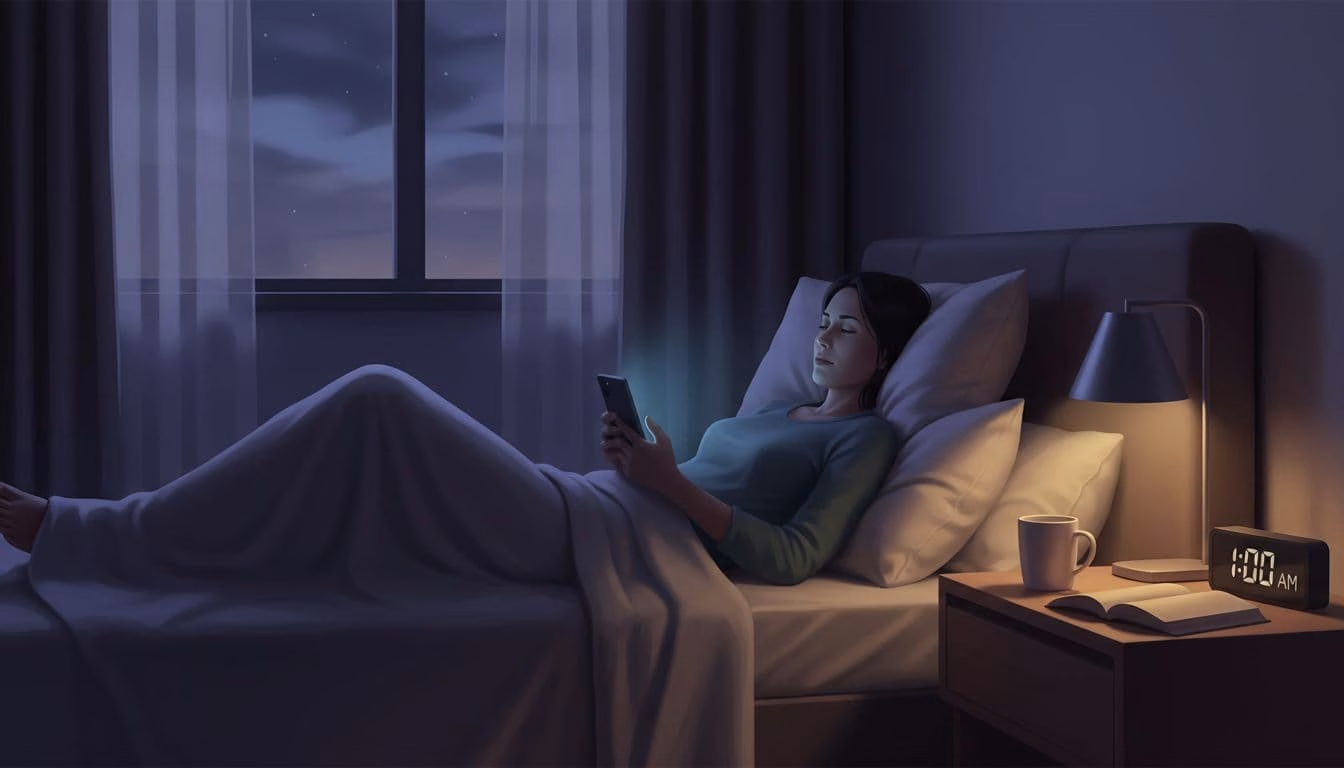
Revenge bedtime procrastination is the habit of putting off sleep to squeeze in leisure after an overfull day. The word revenge sounds dramatic, but it fits. One more episode, one more scroll, or one more snack can feel like payback for hours that never felt yours.
It isn’t a formal diagnosis. It’s a pattern. A parent finishing chores at 22:30, a student closing a laptop at midnight, or a worker answering late emails can all end up doing the same thing. They try to reclaim life, then borrow that time from sleep.
Why It Happens When Days Feel Stolen
Most people don’t stay up late because they think sleep is useless. They do it because the day felt owned by everyone else. When your time has been spent on work, childcare, study, chores, or stress, the night can feel like the first open door.
By bedtime, self-control is often low, so the easy choice looks bigger than the wise one. Tired brains want easy reward. Social media, streaming, gaming, and online shopping all offer quick relief, and none comes with a natural ending. If your day runs on rules, the night can become a small rebellion.
The Toll On Your Body And Mind
One late night won’t wreck your week. Repeated late nights, though, can make mornings foggy and evenings harder. When you sleep less, attention slips, patience thins, and small problems feel larger. As a result, the next day feels more draining, which makes another late-night escape more tempting.
That’s why the habit feeds itself. Poor sleep often leads to more caffeine, later naps, and less movement. Those choices can push bedtime even later. In other words, revenge bedtime procrastination comforts today by quietly taxing tomorrow.
How To Break The Loop Without Relying On Willpower
Start by creating a small pocket of freedom earlier in the day. Ten minutes helps. A short walk after work, tea alone before chores, or a phone-free shower can reduce that hungry feeling at night. You’re less likely to steal time from sleep when the day already held some space for you.
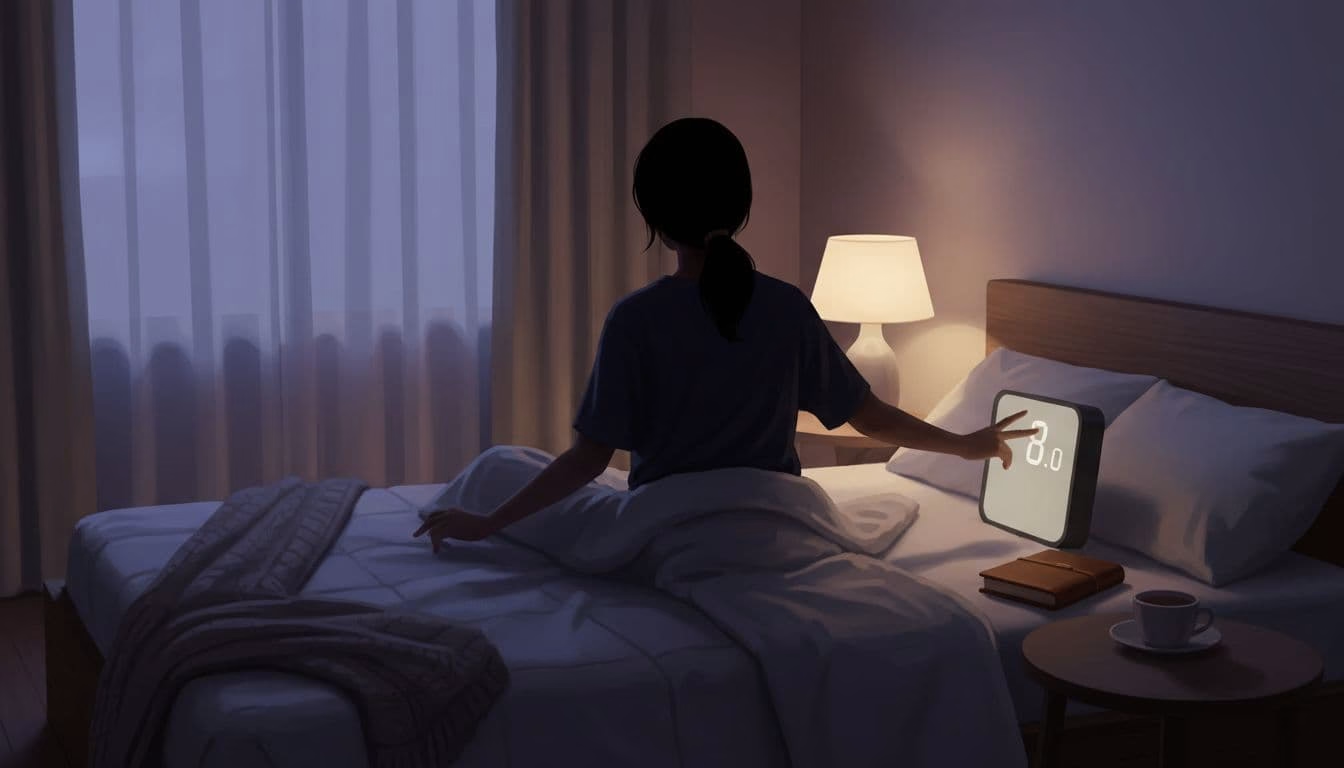
Next, give bedtime a clear end cue. A nightly alarm, dimmed lights, or brushing your teeth at the same time can close the day gently. Vague plans like “I’ll go up soon” rarely hold when you’re tired. Clear cues do.
Then make the late-night trap less sticky. Charge your phone outside the bedroom. Put a book, journal, or low-light lamp beside the bed. If late coffee keeps you alert, it helps to learn when to stop caffeine for restful nights. Small changes beat heroic effort at 23:47.
Finally, lower the bar. Don’t aim for a perfect bedtime tonight. Aim to stop the drift. If you usually get into bed at 00:30, try 00:10 for a week. That smaller win is easier to repeat, and repetition is what changes the pattern.
If you slip, treat it like data, not failure. Look at what stole time that day, then adjust the next night.
Conclusion
Revenge bedtime procrastination can look like freedom, but it often signals that your days feel too crowded and your nights are doing the rescue work. The fix usually isn’t harsher discipline. It’s more control, gentler cues, and fewer easy traps after dark. Start with one small change tonight, and let sleep stop being the thing that always pays the price.
FAQ
Is Revenge Bedtime Procrastination A Real Condition?
It’s a popular term, not a formal medical diagnosis. Still, the pattern is real, and many adults recognise it straight away.
Why Do I Do It Even When I’m Tired?
Because tiredness and stopping aren’t the same thing. At night, your brain may want relief, choice, or comfort more than it wants the sensible option.
Does My Phone Make It Worse?
Often, yes. Phones combine light, novelty, and endless content, so they make it harder to notice a natural stopping point.
How Long Does It Take To Break The Habit?
That depends on how often it happens and what’s driving it. Many people notice a shift within one to two weeks when they change cues, screen habits, and evening timing.
Should I Force A Much Earlier Bedtime?
Usually not. A sharp change can feel like punishment, so your brain pushes back. A smaller step, repeated nightly, tends to last longer.
When Should I Get Extra Help?
If you give yourself enough time for sleep but still can’t fall asleep, or you wake often, speak to a GP or sleep professional. Extra help also makes sense if low mood, anxiety, or burnout is heavily shaping your nights.
Leave a Reply