

Slumping can make breathing shallower before you even notice your focus slipping.
That’s why breath posture exercises can work so well for adults, students, and desk workers. They don’t create fake energy. Instead, they help your body breathe more freely, reduce the heavy feeling of a collapsed chest, and make it easier to feel switched on again. In practice, that often means a steadier kind of alertness, without reaching for another coffee.
Key Takeaways
- A slumped position can make breathing shallow and make mental fatigue feel worse.
- The best breath posture exercises are short enough to use between tasks.
- Nasal breathing and an upright spine often work better together than either one alone.
- Wall angels help open the chest and wake up sleepy upper-back muscles.
- Chin tucks can reduce the forward-head position that builds during screen time.
- A two-minute reset is often enough to break an afternoon slump.
- Calm alertness usually beats wired energy for focus and memory.
- Daily repetition matters, because posture and breathing are trainable habits.
Why Breath And Posture Matter For Alertness
Think of your torso like a bellows. When you fold it in half, it can’t work as smoothly.
That’s what happens in a long desk slump. Your chest drops, your chin drifts forward, and your ribs move less. As a result, breathing often becomes shallow and high in the chest. That pattern can feed neck tension, make you feel flat, and pull attention away from the task in front of you.
On top of that, your body reads posture as information. A collapsed shape often goes with low energy or stress, while a tall, open position can make steady breathing easier. If your brain feels foggy under pressure, body-first methods help. This guide to calming amygdala for sharper focus explains why simple breathing can shift your state faster than trying to think your way out of it.
The Best Breath Posture Exercises For A Quick Wake-Up
Start with the easiest drill first, the seated stack breath. Sit on your sit bones, place both feet flat, and let your ears line up over your shoulders. Rest one hand on your lower ribs, then inhale through your nose for four seconds and exhale for four seconds. Take five rounds. Don’t puff your chest. Let the ribs widen and the belly move gently.
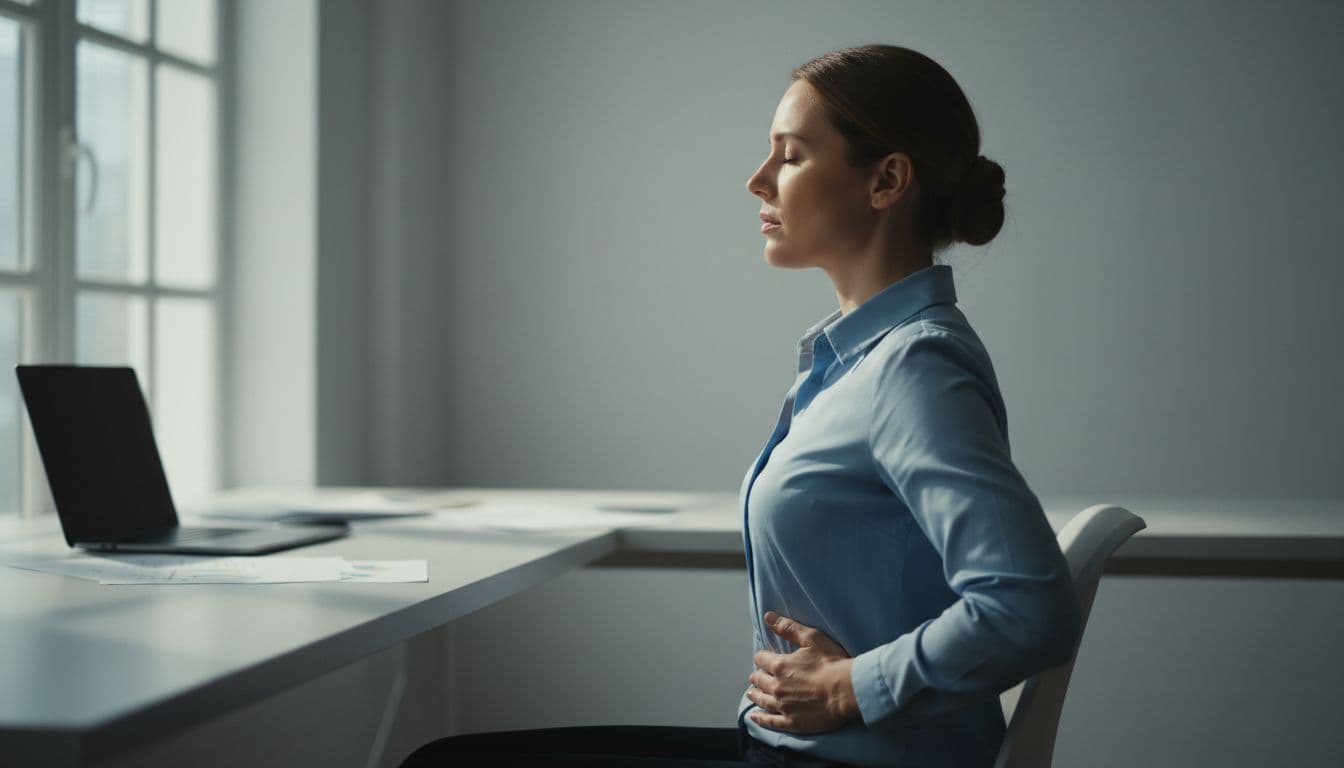
Next, try a rib expansion breath. Sit or stand tall and wrap your hands around the sides of your lower ribs. Breathe in through the nose and feel the ribs press gently into your hands. Exhale slowly through the nose or pursed lips. This helps you feel a wider, lower breath instead of a tight shoulder lift.
Keep the pace smooth, not dramatic. If you feel light-headed, you’re forcing it. A recent piece on a five-minute deep breathing routine makes the same point, short practice done well can sharpen focus more than a long session done badly.
Posture Drills That Stop The Afternoon Slump
Breathing helps fast, but posture drills help the effect last longer. They wake up muscles that go quiet when you sit for hours.
Wall angels are a good place to begin. Stand with your back against a wall, knees soft, ribs down, and lower back natural, not jammed flat. Put your arms in a W shape, then slide them up only as far as you can without shrugging. Six slow reps are enough.
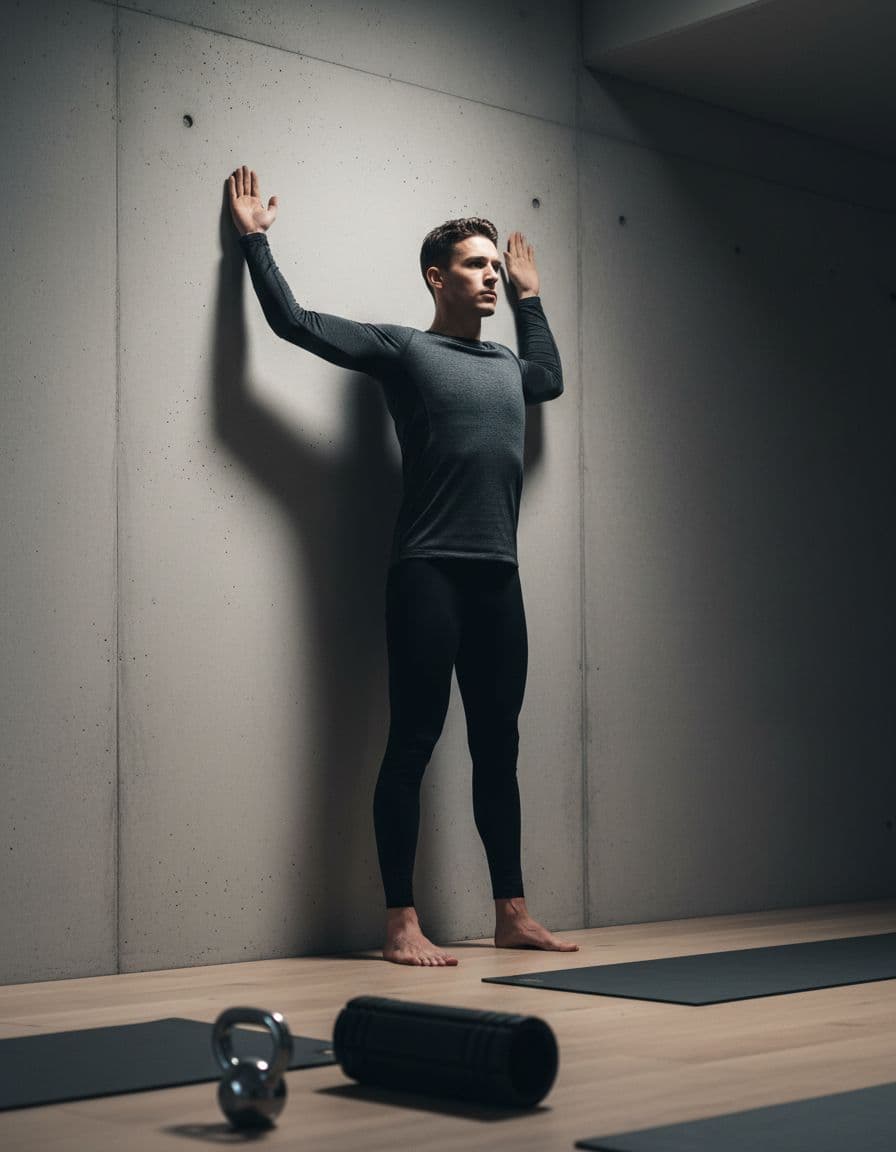
Then add a chin tuck. Look straight ahead and glide your head back a few centimetres, as if making a small double chin. Hold for three seconds and repeat five times. It’s subtle, but it can ease that screen-heavy forward-head position.
Finally, stand up and reach your arms behind you for a light chest opener. Don’t crank into pain. The goal is length, not strain. Repeating small drills like these trains new defaults, which fits the wider idea of how habits change over time. If you want the brain side of that, read how to rewire habits through neuroplasticity.
A Two-Minute Desk Reset You’ll Actually Use
A routine only helps if you’ll do it on a real Tuesday. Keep this one simple.
First, plant your feet and sit tall for 20 seconds. Next, take five slow nasal breaths with one hand on the ribs. Then stand up, do five chin tucks, and finish with six wall angels or a standing chest opener.
That’s it. No mat, no special clothes, no long break.
This works even better when you use it early, before the crash gets deep. The same theme shows up in these simple tips to improve concentration, small resets beat heroic recovery attempts. If you still use caffeine, pair these drills with smarter caffeine timing for sustained alertness so your energy feels steadier across the day.
Conclusion
Alertness isn’t only about sleep, food, or caffeine. Sometimes it starts with how you’re sitting and how you’re breathing right now. Breath posture exercises work because they give your body a better shape for energy, focus, and calm control. Start with one two-minute reset today, then repeat it at the same time tomorrow.
FAQ
How often should I do these exercises?
Two to four short resets a day is a good start. Tie them to habits you already have, like opening your laptop or finishing lunch.
Can breath posture exercises replace coffee?
Not always, but they can reduce how often you reach for it. They’re best for restoring steady focus, not creating a big stimulant hit.
Why do I feel sleepy when I breathe deeply?
You may be slowing down too much or over-relaxing. Use a tall posture and a smooth, even rhythm rather than very long exhales.
Are these exercises safe for most people?
For most healthy adults, yes. If you feel dizzy, breathless, or painful shoulder strain, stop and return to normal breathing.
Should I do them sitting or standing?
Both work. Sitting is easier during work, while standing often helps posture muscles switch on faster.
What’s the biggest mistake people make?
They try too hard. Big breaths, lifted shoulders, and stiff “perfect posture” usually create more tension, not more alertness.
Leave a Reply