
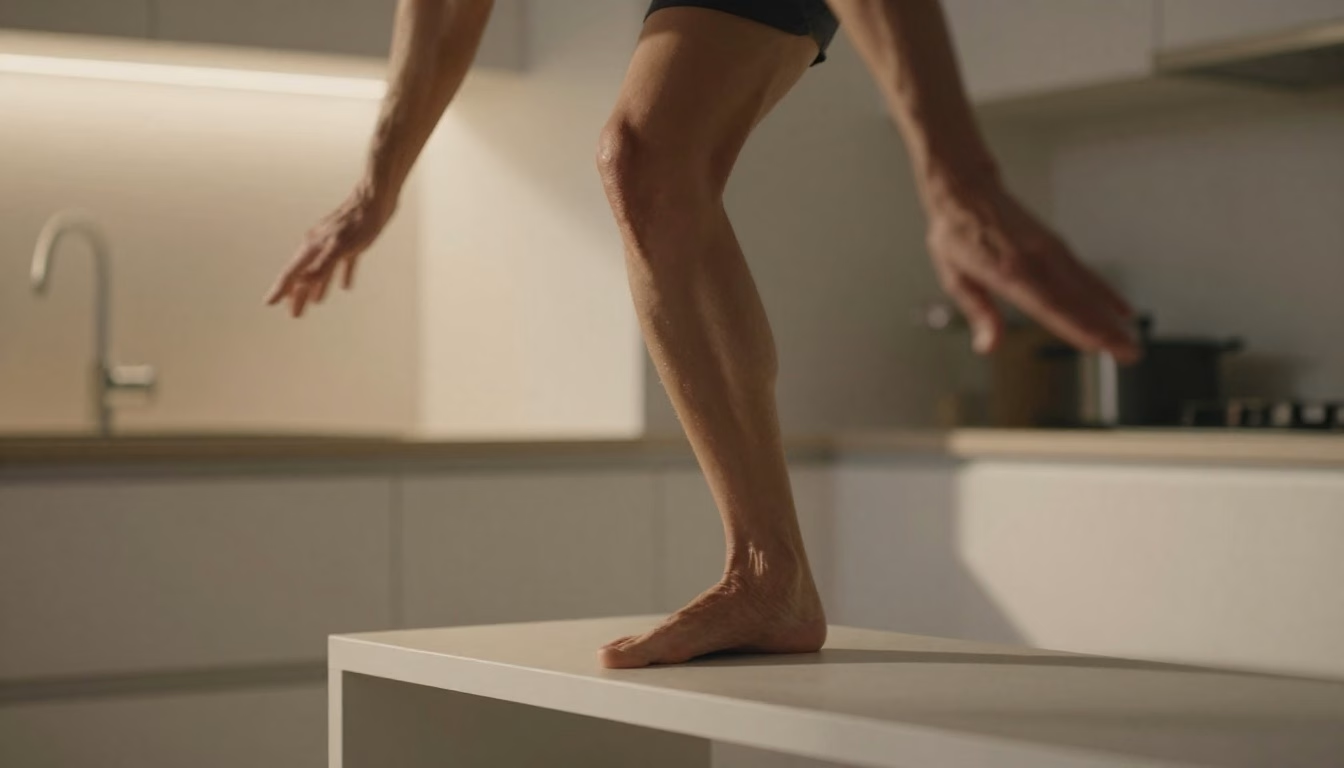
Your cerebellum helps with balance, timing, attention, and cognitive function, not just movement. That matters because every time you catch yourself, switch sides, or match hand to eye, your brain has to sort and correct live information.
That is why coordination exercises for brain health are worth your time. These neuromotor exercises train movement, but they also challenge focus, body awareness, and quick decision-making. You do not need athletic skill, either. You need repeatable movements that make you pay attention.
Key Takeaways
- Coordination drills work best when they incorporate dual-tasking to challenge both movement and attention.
- Simple home exercises can support balance, reaction time, and confidence.
- Early 2026 research summaries link dance, tai chi, resistance work, and dual-task drills with better thinking skills.
- Short sessions, done often, beat hard sessions done rarely.
- Older adults should start near a wall, chair, or kitchen counter.
- Hand exercises matter because fine motor control also trains the brain.
- Mild challenge is helpful, but pain, dizziness, and panic are signs to stop.
- Progress comes from adding small changes, not rushing into hard moves.
Why Coordination Exercises Help Brain Health
Coordination is the meeting point between brain and body. Your eyes track space through visuospatial function, your inner ear checks balance, your joints report position, and your brain blends it all into one smooth action. When that system gets consistent practice, movement feels cleaner, thinking often feels sharper, and you may stave off cognitive decline.
The cerebellum is a big part of this story. It helps manage timing and error correction, and it also communicates with brain areas linked to attention and executive function. So, when you practice a movement that needs control, you are not only training muscles.
Early 2026 research summaries point in the same direction. Dance, tai chi, resistance training, and drills that mix movement with attention can support memory, planning, and cognitive flexibility, sometimes within 12 weeks. These activities promote neurogenesis and correlate with increases in gray matter density and hippocampal volume, bolstering brain health. If stress tends to make you clumsy or scattered, these movement rituals to re-engage brain control can support the same systems from another angle.
The brain likes movement most when movement asks for timing, attention, and correction.
Coordination Exercises To Start At Home
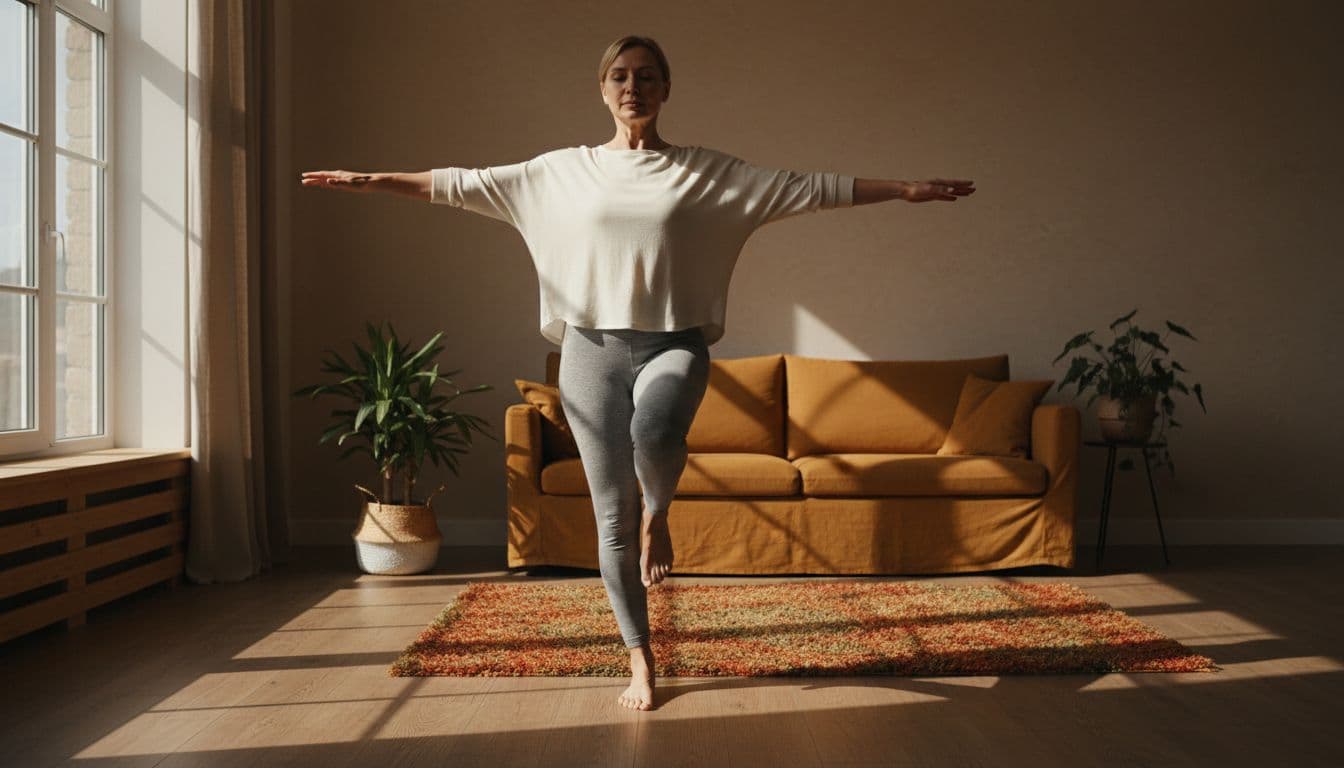
Start with the single-leg stand, a classic closed skill exercise. Stand near a wall or sturdy chair, lift one foot a few centimetres, and hold for 10 to 20 seconds. Change sides. Once that feels easy, turn your head slowly or tap one hand on your thigh while balancing. These repetitive, predictable closed skill exercises build a strong foundation.
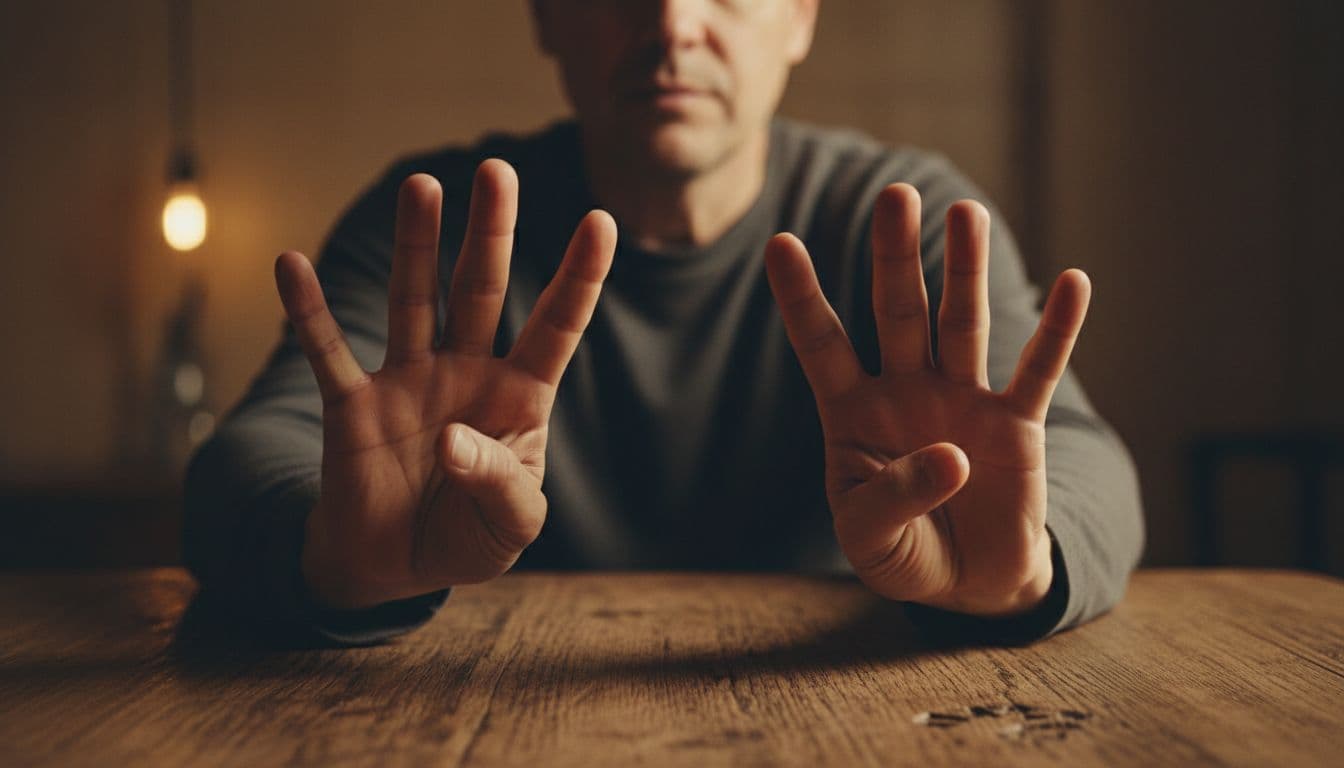
Next, try finger opposition, another closed skill exercise. Touch your thumb to each finger in order, then reverse the pattern. Do both hands together. It looks almost too easy, yet it challenges fine motor control, timing, and left-right coordination.
Then add a cross-crawl march. March on the spot and tap your right hand to your left thigh, then switch. Cross-body moves wake up timing and body mapping. If you want more challenge, count backwards as you march; this turns the drill into a working memory task.
A ball toss is another strong option that boosts hand-eye coordination. Toss a tennis ball from one hand to the other, first at chest height, then slightly higher. Keep your eyes soft and follow the ball. This works because hand-eye coordination trains reaction speed and prediction.
As you progress, move toward open skill exercises such as racquet sports or catching a ball; these provide a higher challenge for motor skills and reaction time.
Finally, practise slow weight shifts or tai chi steps. Move your weight from one foot to the other with control, keeping your torso tall. Slow movement is honest movement. It shows every wobble, which gives your brain a chance to correct it.
Making Practice Safe, Useful, And Easy To Stick With
Keep sessions short. Ten minutes, three to five times a week, is enough to build a habit. Most people do better with frequent, calm practice than with one long weekend session. If you can talk and stay in control, the drill is usually at the right level. While neuromotor exercise is vital, pair it with regular aerobic exercise and general physical activity for the best results.
For balance work, stand near support. The NHS balance exercises page is a solid place to check safe form and gentle progressions. If you are an older adult, returning after illness, or helping a parent, these tips on balance drills and coordination exercises over 60 add useful context.
If you live with stroke effects, Parkinson’s disease, MS, Alzheimer’s disease, or another neurological condition, get tailored advice. Staying active can be a key strategy in managing risks associated with Alzheimer’s disease. General drills may help, but they are not the same as rehab. This guide to balance and co-ordination in neurological conditions shows why pacing and support matter. Also, sleep, hydration, and steady meals count, which is why these top brain foods for cognitive health fit well beside movement practice.
Conclusion
Coordination work is not flashy, but it is one of the clearest ways to train the brain through movement. A few minutes of balance, hand drills, cross-body steps, or ball work demand mental engagement to sharpen attention while building steadiness and confidence. Think of them as small brain tune-ups hidden inside everyday movement; they improve processing speed and support overall long-term brain health. Start small, repeat often, and let consistency do the heavy lifting.
FAQ
How Often Should I Do Coordination Exercises?
Three to five short sessions a week is a sensible start. Even 10 minutes can help if you stay regular.
Are Coordination Exercises Good For Older Adults?
Yes, if they match the person’s ability. Begin with supported balance drills and slow weight shifts, then build up gradually.
How Long Does It Take To Notice A Difference?
Many people notice better steadiness within a few weeks. Sharper reactions and smoother movement often show up before big changes in fitness.
Do I Need Equipment?
Not much. A chair, a wall, and sometimes a tennis ball are enough for most beginner drills. For a modern alternative, exergaming with video games that require movement needs little specialized gear.
What Is The Biggest Mistake Beginners Make?
They make the exercises too hard, too soon. Mild wobble is fine, but rushing usually harms form and confidence.
Can These Exercises Help If I Feel Mentally Foggy?
Coordination drills can help some people by mixing movement with attention, offering a different type of challenge than crossword puzzles or neurobic tasks. Over time, they may boost memory recall and processing speed. Still, ongoing brain fog, dizziness, or sudden decline deserves medical advice.
Leave a Reply