-
·
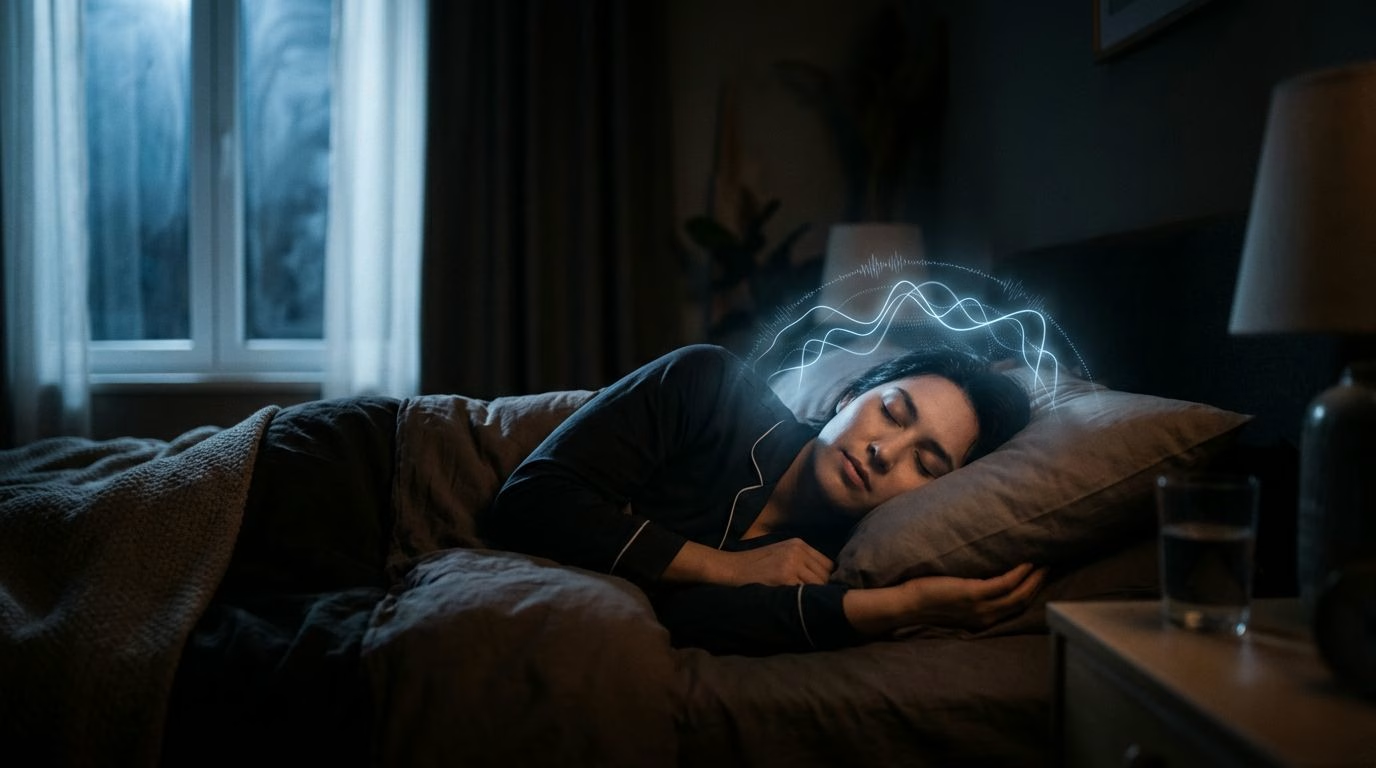
Light Sleep And Stage N2: Why It Matters
For most adults, NREM stage 2 takes up the biggest share of the night. Yet many people glance at a sleep tracker, see lots of light sleep, and assume something went wrong. That reading often means the opposite. Light sleep includes a stage that helps protect sleep, supports memory, and keeps your night moving in…
-
·
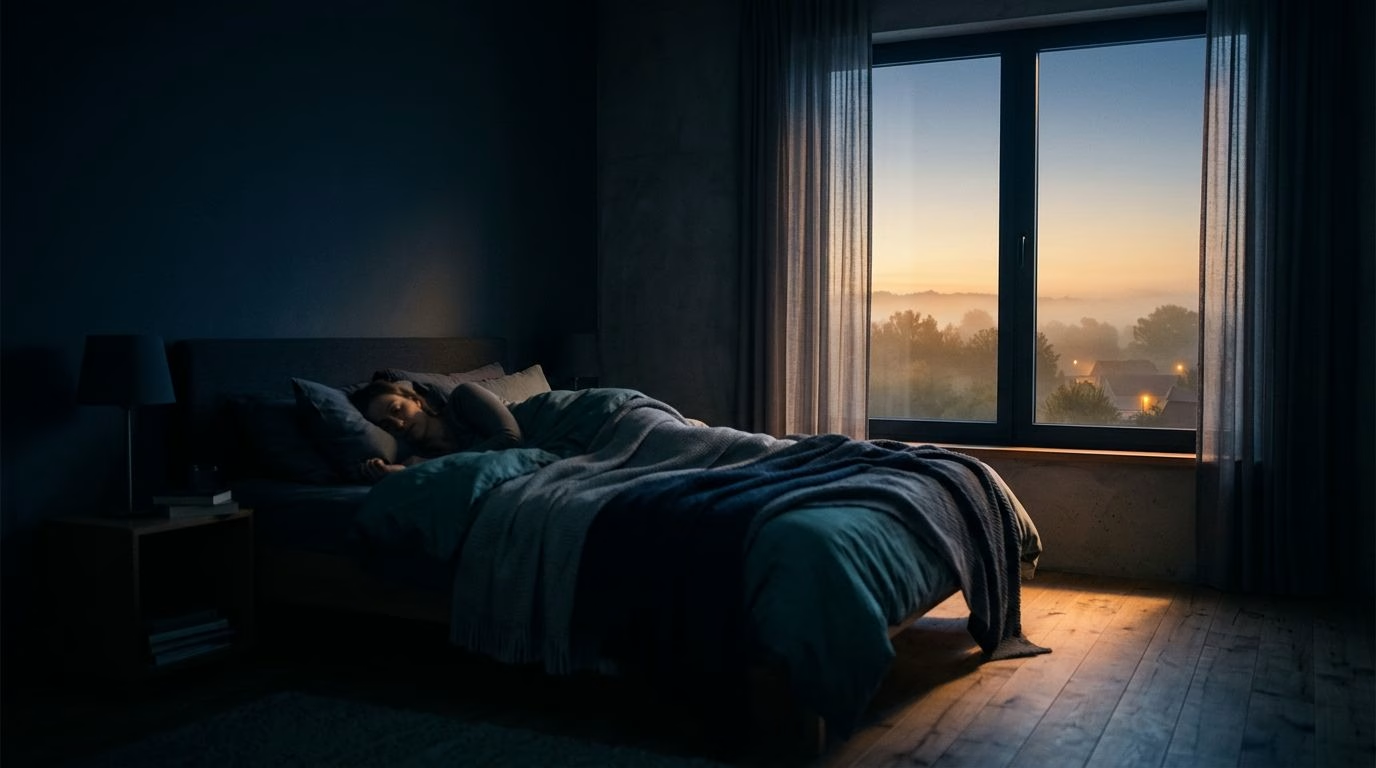
Core Body Temperature Minimum: Why You Wake Early
While a normal body temperature is generally considered to be 37C, your actual core body temperature fluctuates significantly throughout the night as part of your natural sleep cycle. Your body usually reaches its lowest night-time temperature shortly before dawn, rather than in the middle of the night. If you find yourself consistently waking at 04:30…
-

·
Active Recall: How To Remember More For Longer
Your notes can feel familiar and still disappear when you need them most. That gap between recognition and memory frustrates students, lifelong learners, and busy professionals alike. Active recall closes this gap by forcing you to pull information out of your mind instead of simply staring at it on a page. Once you switch to…
-
·
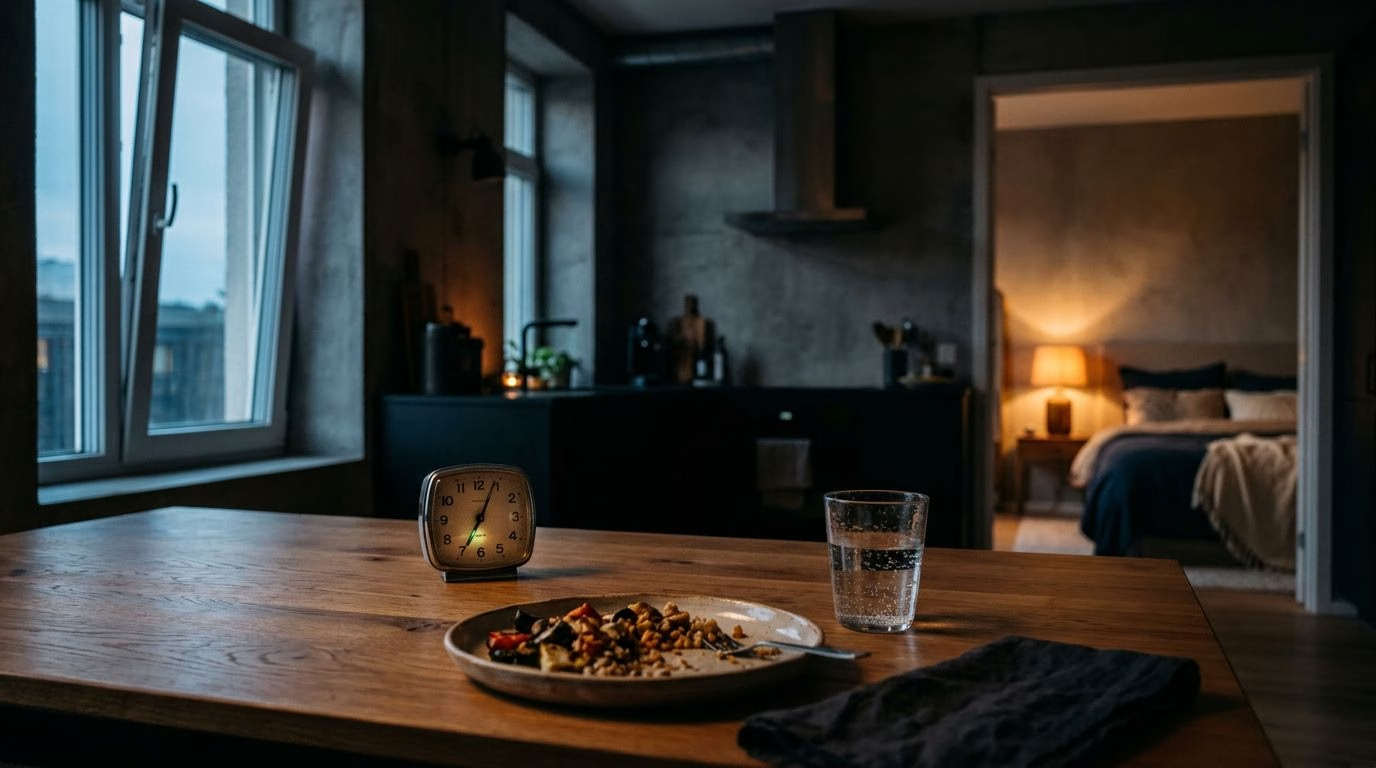
Why Your Eating Window Affects Sleep
Your body clock does not stop at bedtime, as it also regulates hunger and digestion. If you eat late, snack throughout the evening, or shift your meal schedule every day, your sleep can suffer in quiet ways. You might fall asleep later, wake up feeling heavy, or notice more reflux, restlessness, and decreased sleep quality…
-

·
Progressive Muscle Relaxation Sleep and Bedtime Anxiety
You can feel exhausted and still go to bed with your muscles braced for danger. That mismatch is one reason bedtime anxiety feels so draining. When your jaw is tight, your shoulders are lifted, and your stomach is clenched, your brain reads those signals as a signal to stay alert. This relaxation technique helps transition…
-

·
Why You Get A Second Wind At Night
Sleepiness does not always rise in a smooth line throughout the evening. You might feel heavy-eyed at 21:30, only to find yourself feeling oddly switched on an hour later. That late burst, often called a second wind at night, usually comes from your internal body clock, your daily habits, or a combination of both. The…
-

·
L-Theanine For Anxiety: Focus, Timing, Side Effects
Tea can calm you down and help you concentrate at the same time. That unique combination is the primary reason many people explore the benefits of L-theanine for anxiety, particularly when daily stress and mental fog occur simultaneously. If you are looking to reduce inner noise and support your overall mental health without feeling flat…
-
·
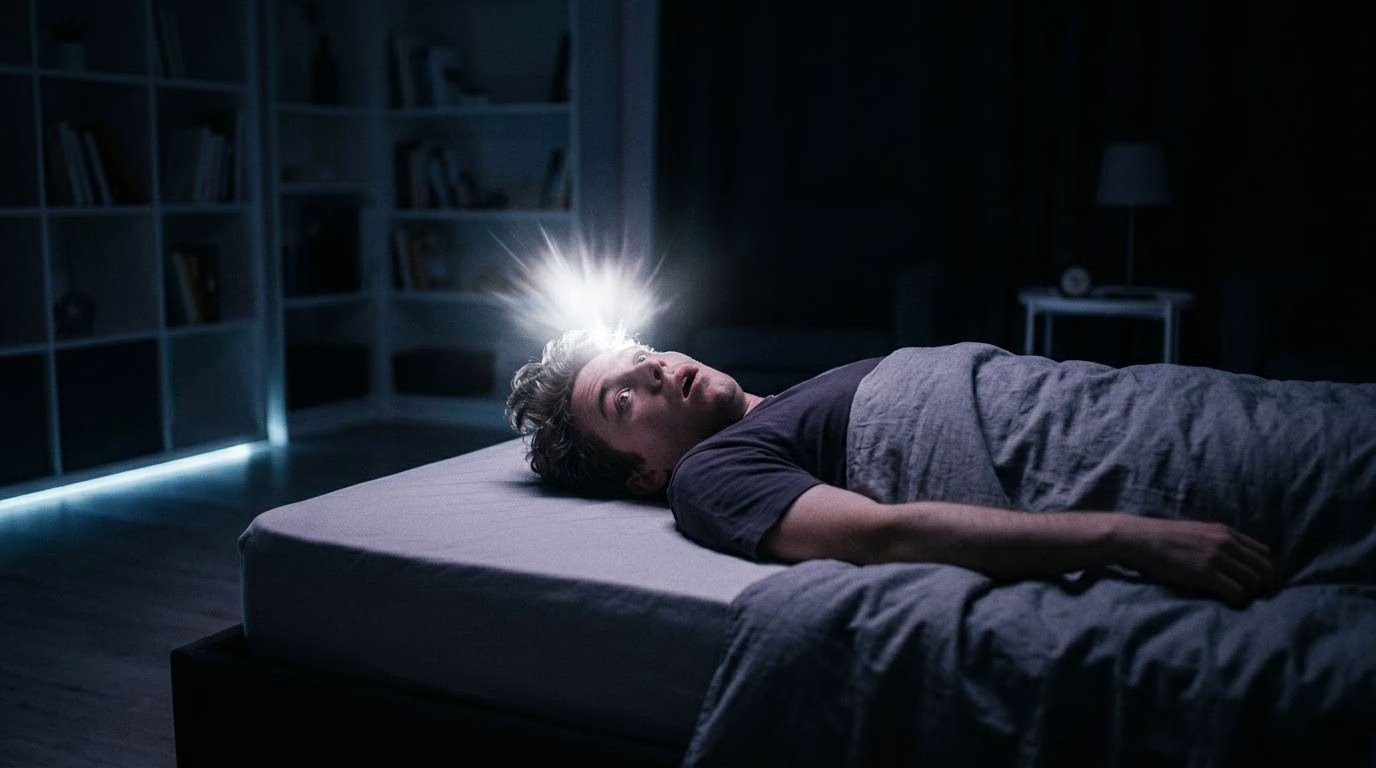
Exploding Head Syndrome: What It Is And What Helps
A sudden, jarring noise that seems as loud as a slammed door can be deeply unsettling when it occurs in a silent bedroom. If you have experienced this sensation while falling asleep or upon waking up, please know that you are not alone, and you are certainly not losing your mind. Exploding head syndrome is…
-
·
Weighted Blankets for Sleep and Anxiety: The Research
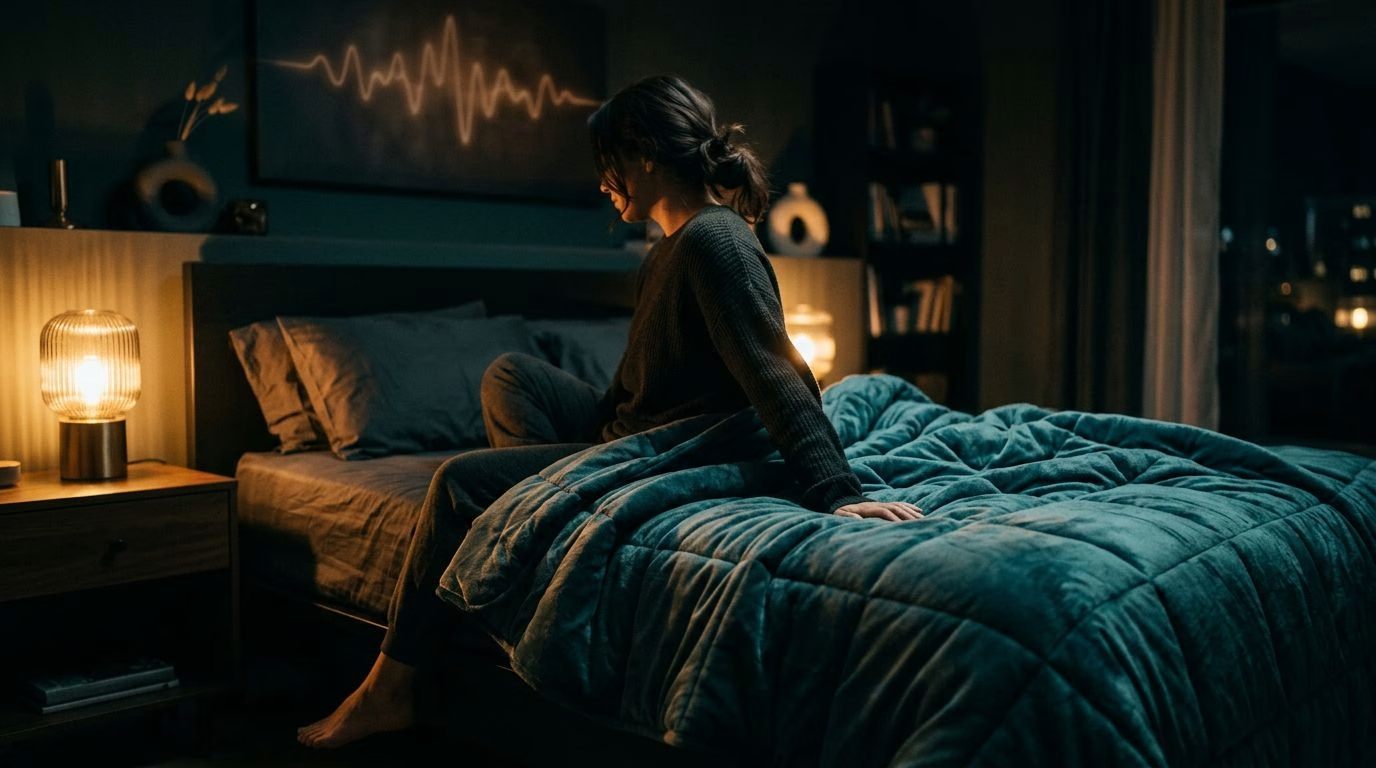
In one study, cancer patients felt less anxious after only 30 minutes under a weighted blanket. That sounds simple, but the evidence is more mixed than many product pages suggest. While weighted blankets may help some adults feel calmer and sleep better, the effect is not the same for everyone. If you are comparing weighted…
-

·
Sleep Consistency Explained: Why Wake Time Matters Most
Your body can often cope with a later night better than a shifting alarm. That sounds backwards, because most sleep advice starts with bedtime. Yet sleep consistency is built from repeated timing cues, and the strongest one usually arrives when you wake. A steady morning tells your brain when to boost alertness, when to expect…
-

·
Cortisol Awakening Response: Why Mornings Feel So Different
Your body starts preparing you to wake before your alarm goes off. That early shift helps explain why some mornings feel bright and steady, while others feel heavy, wired, or foggy. A big part of that shift is the cortisol awakening response. It is normal, it is not automatically a sign of stress, and it…
-
·
Inhibitory Control Explained: How To Resist Everyday Distractions
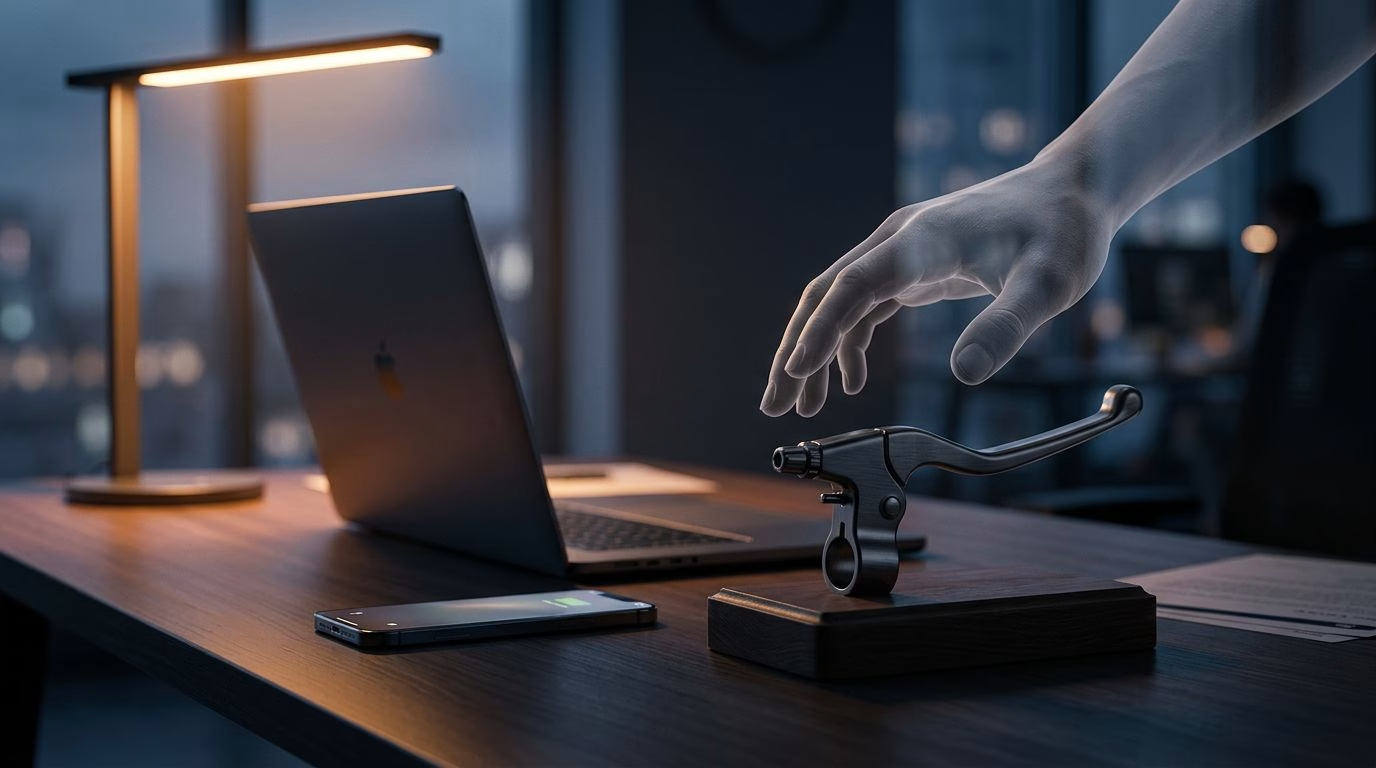
A distraction can grab your attention before you feel you’ve made a choice. That tiny gap matters, because inhibitory control is the mental brake that helps you pause instead of react. When that brake is strong, you can stay with the task, ignore the ping, and stop small impulses from running your day. When it’s…
-
·
Sleep Maintenance Insomnia Explained: How To Fall Back Asleep
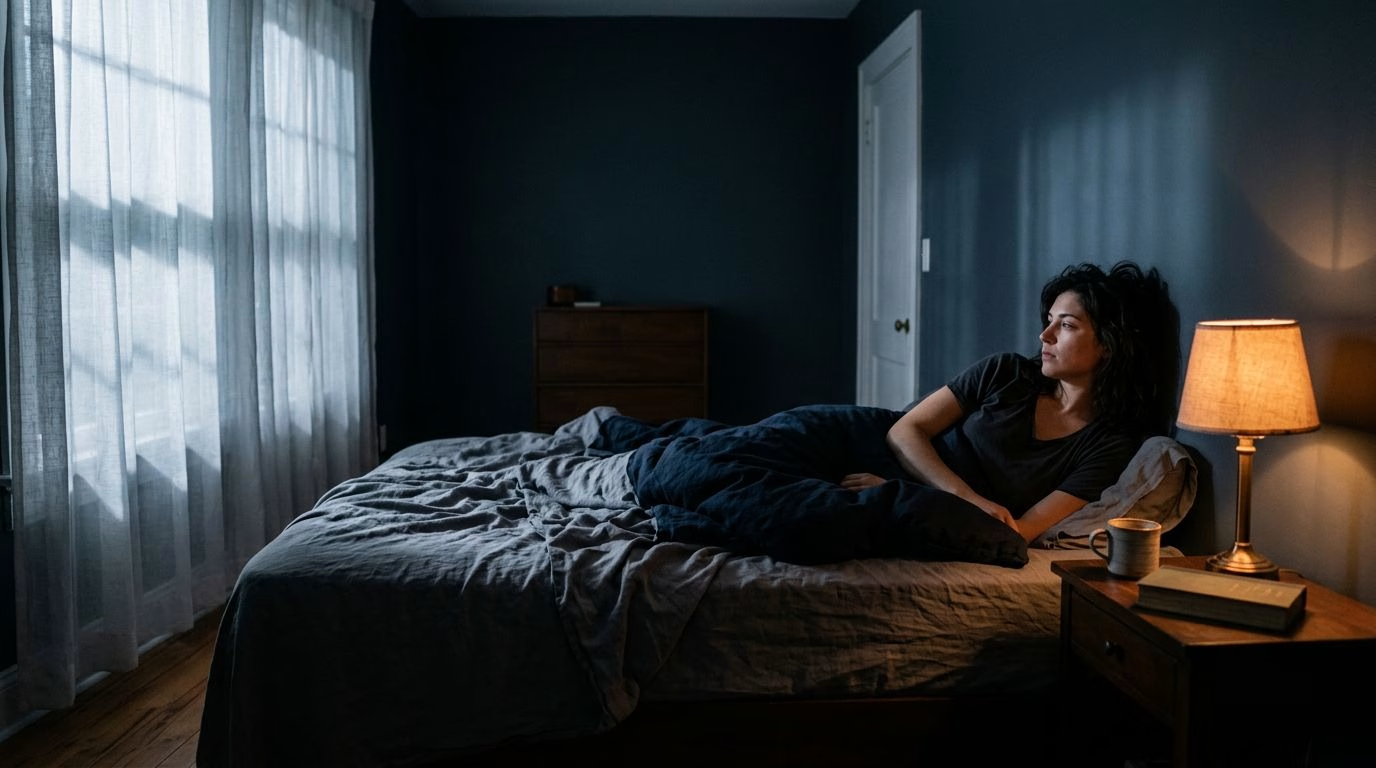
Most people wake briefly during the night, but many never remember it. The problem starts when you wake up, feel alert, and stay that way. If that happens often, you may be dealing with sleep maintenance insomnia, which means you can fall asleep at first but struggle to get back to sleep after waking. That…
-

·
Blue Light at Night: How Screens Delay Sleepiness
A bright phone held close to your face can act like a tiny lamp for your body clock. That matters because your brain uses light to decide when to feel awake and when to wind down. If you scroll in bed, you are not only filling time. You may be nudging sleepiness later than you…
-

·
Sleep Anxiety: Why Bedtime Fear Builds and How to Stop It
The harder you try to force sleep, the more alert you often feel. That is what makes sleep anxiety so draining. Bedtime stops feeling restful and starts feeling like a test you might fail. You may dread the pillow, watch the clock, or scan your body for signs of wakefulness. Then the fear of a…
-

·
Melatonin For Sleep: Safe Use, Timing And Side Effects
Melatonin doesn’t force sleep. It mainly tells your body clock that night has started. That small signal can help, but timing matters far more than taking a large dose. In the UK, melatonin for sleep is a prescription-only medicine for adults, so safe use starts with the right advice. Start with what melatonin actually does.…
-

·
Prospective Memory Explained, And How To Stop Forgetting Plans
Forgetting a plan is often a memory problem about the future, not the past. You can remember an old phone number and still miss a dentist appointment, forget to reply to a message, or leave the house without the parcel you meant to post. That gap has a name: prospective memory. It is your brain’s…
-

·
Body Temperature And Sleep: How To Fall Asleep Faster
You usually fall asleep faster when your body cools, not when it warms. If you go to bed overheated, sleep can feel stubborn and far away. That’s why body temperature and sleep are so closely linked. Small changes, from cooler bedding to better bath timing, can help your body switch into night mode with less…
-

·
Sleep Debt Explained And How To Recover Without Oversleeping
Large population studies suggest about one in three adults get less than seven hours of sleep a night. If you’ve been shaving an hour off here and there, your body keeps track. That running shortfall is sleep debt, and it often shows up as brain fog, short temper, cravings, and low motivation before you feel…
-

·
Heart Rate Variability: What It Says About Stress Recovery
Two hearts can beat at the same average rate and still show very different recovery states. That hidden layer is heart rate variability, often shortened to HRV. If your watch or ring gives you a daily number, it’s easy to treat it like a score. Most of the time, it works better as context. HRV…