
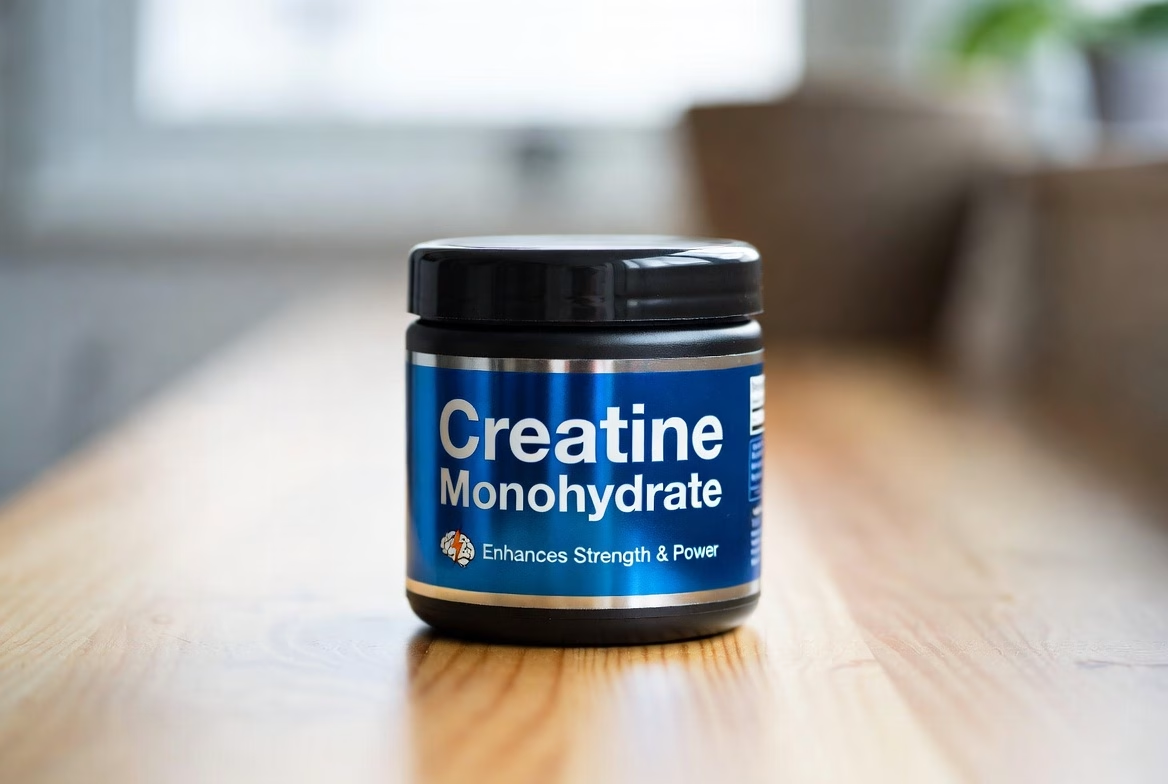
Creatine, a supplement long associated with muscle building, is now gaining serious attention for its potential effects on the mind. Research suggests it may improve memory and mental performance in certain groups, particularly under conditions of stress or fatigue.
Key Takeaways
- Creatine may support short-term memory and reasoning, especially during tasks that drain mental energy.
- The cognitive benefits appear most pronounced in older adults, vegetarians, and those experiencing sleep deprivation.
- A standard daily maintenance dose for brain health is typically 3 to 5 grams.
- A “loading phase” of 20 grams per day for 5-7 days can saturate stores faster but is not essential.
- Always take creatine with a meal or a carbohydrate-rich drink to improve absorption and minimise stomach upset.
- Staying well-hydrated is crucial when supplementing with creatine to support its function.
- Consult a healthcare professional before starting if you have pre-existing kidney conditions.
- Monohydrate is the most researched, effective, and affordable form of creatine available.
- Cognitive improvements are often subtle and may take several weeks of consistent use to become noticeable.
- Creatine is not a substitute for foundational brain-healthy habits like quality sleep, nutrition, and exercise.
The Brain’s Energy Currency
Your brain is a remarkably energy-intensive organ. It uses about 20% of your body’s total energy despite making up only about 2% of your weight. This energy comes primarily from a molecule called adenosine triphosphate, or ATP. Think of ATP as the brain’s immediate cash for all its operations, from forming a thought to recalling a memory. However, ATP stores deplete rapidly during intense mental activity. This is where creatine plays a vital role. It helps recycle and regenerate ATP, providing a quick energy top-up to keep neural processes running smoothly.
Beyond The Gym: Cognitive Benefits Explored
Most studies on creatine and cognition show modest but meaningful effects. The benefits are not about suddenly becoming a genius. Instead, they relate to maintaining mental sharpness when your brain is under pressure. Research points to improvements in short-term memory tasks, faster processing speed, and better performance on tests of fluid intelligence, which involves solving new problems. For example, one study found that sleep-deprived individuals performed better on cognitive tests after creatine supplementation. The supplement seems to offer a buffer against mental fatigue, helping your brain work more efficiently for longer.
Who Stands To Benefit The Most?
Not everyone will experience the same cognitive boost from creatine. The effects are most noticeable in people who start with lower baseline levels of phosphocreatine in their brains. Older adults often see benefits, as natural creatine stores can decline with age. Vegetarians and vegans are another key group, as they get little to no creatine from their diet, which typically comes from meat and fish. Individuals facing high cognitive demand or acute stress, like students during exams or shift workers, may also find it helpful. For young, omnivorous adults with no mental deficits, the cognitive effects might be less perceptible.
Choosing The Right Form: Monohydrate Reigns
Walk into any supplement shop and you will find many forms of creatine, from ethyl ester to hydrochloride. The overwhelming scientific consensus, however, supports plain creatine monohydrate. It is the most extensively studied form, with decades of research confirming its safety and effectiveness for both muscle and brain. Other marketed forms often claim better absorption or fewer side effects, but these claims usually lack strong evidence. Creatine monohydrate is also the most cost-effective option. You get proven results without paying for unnecessary processing or marketing hype.
Understanding The Loading Phase
A common dosing strategy involves a “loading phase.” This protocol involves taking a higher dose, typically around 20 grams per day split into four 5-gram servings, for five to seven days. The goal is to rapidly saturate your body’s creatine stores, potentially leading to quicker effects. After this period, you switch to a lower maintenance dose. While loading can speed up the process, it is not mandatory. Some people experience bloating or digestive discomfort during this high-intake phase. You can achieve the same level of saturation by simply taking a standard maintenance dose of 3 to 5 grams daily; it will just take longer, usually three to four weeks.
Establishing A Safe Maintenance Dose
For long-term cognitive support, a daily maintenance dose of 3 to 5 grams is standard and considered very safe for most healthy individuals. This amount is sufficient to keep your creatine stores topped up after they are saturated. Consistency is key here. Taking your dose at the same time each day helps maintain stable levels. Many people find it convenient to add a scoop of flavourless creatine monohydrate powder to their morning coffee, post-workout shake, or evening meal. The specific time of day is less important than taking it regularly as part of your routine.
Maximising Absorption And Minimising Discomfort
To get the most from your supplement and avoid an upset stomach, take creatine with a meal or a carbohydrate-rich drink. The resulting insulin spike helps shuttle creatine into your muscles and brain cells more effectively. A simple glass of fruit juice works well. This practice also helps prevent the mild gastrointestinal issues some people report when taking creatine on an empty stomach. Mixing the powder thoroughly in liquid and drinking it immediately also improves the experience, as it prevents gritty texture and ensures even distribution.
The Critical Role Of Hydration
Creatine pulls water into your muscle cells, which is part of how it supports their function. This internal shift makes proper hydration even more important. You should aim to drink plenty of water throughout the day when using creatine. A good rule is to drink an extra glass or two of water beyond your usual intake. This helps your body utilise the supplement optimally and prevents potential side effects like cramping or dehydration. It is a simple but essential step for safety and effectiveness.
Precautions And Who Should Avoid It
For the vast majority, creatine is safe for long-term use. However, certain individuals should exercise caution. People with pre-existing kidney disease are generally advised to avoid creatine supplementation unless under direct medical supervision. While creatine does not cause kidney damage in healthy people, it can increase the workload on the kidneys. If you have any known renal issues, a conversation with your doctor is essential. Similarly, anyone with bipolar disorder should consult a professional, as there are rare case reports linking creatine to manic episodes in susceptible individuals.
Setting Realistic Expectations
It is important to approach creatine for cognition with measured expectations. You are not taking a “smart drug” that will produce dramatic, overnight changes. The benefits are often subtle and supportive. You might notice you feel mentally fresher during long work meetings, or that your recall feels slightly quicker. These effects usually build gradually over several weeks of consistent use. View creatine as one tool in a broader toolkit for brain health, not a magic solution. It works best alongside other healthy habits.
Conclusion
Creatine offers a promising, research-backed avenue for supporting brain energy and cognitive function, especially under strain. Its primary role is to bolster your brain’s energy reserves, which can translate to better mental endurance and sharper short-term memory for many. The protocol is straightforward: a daily dose of 3 to 5 grams of creatine monohydrate, taken with food and plenty of water. While not everyone will notice strong effects, older adults, vegetarians, and the sleep-deprived may find it particularly valuable. The most practical next step is to speak with your healthcare provider if you have any health concerns, then consider a trial of several weeks with a reputable product to see if it makes a worthwhile difference for you.
FAQ
Does creatine actually make you smarter?
No, creatine does not increase innate intelligence or IQ. The evidence suggests it can support cognitive processes like memory recall and reasoning speed, particularly when the brain is fatigued or stressed. Think of it as helping your brain work at its current capacity for longer, rather than upgrading its hardware.
What is the best time of day to take creatine for brain benefits?
There is no universally optimal time. Consistency is more important than timing. Many people find it easiest to add it to their morning routine or post-exercise shake. Taking it with a meal can improve absorption and reduce any chance of stomach discomfort.
Can I take creatine if I do not exercise?
Yes, you can. While often associated with fitness, creatine’s mechanism of supporting cellular energy applies to brain cells as well. Many cognitive studies have used creatine with sedentary participants who still showed benefits. You do not need to train to use it for cognitive support.
Are there any negative side effects on the brain?
For most people, no serious negative cognitive side effects exist. Some individuals anecdotally report brain fog when starting, which often passes. Those with bipolar disorder should use extreme caution and consult a doctor, as there is a potential risk of triggering manic symptoms.
How long does it take to see cognitive effects?
Unlike muscle fullness, which some notice in days, cognitive changes are subtler and slower. Most research indicates you need to consistently supplement for at least two to four weeks to saturate brain stores and potentially notice effects like reduced mental fatigue.
Is creatine safe for long-term use?
Yes, for healthy individuals, long-term use of standard doses appears safe. Studies have followed athletes using creatine for several years with no adverse health effects. Always choose a pure product from a reputable brand to avoid contaminants.
Should I cycle on and off creatine?
There is no scientific requirement to cycle creatine. Your body does not build a tolerance to it. You can take it continuously. Some people choose to cycle for personal or budgetary reasons, but maintaining consistent levels is likely best for sustained cognitive support.
Can I get enough creatine from food alone?
It is possible, but difficult, especially for cognitive benefits. You would need to eat very large amounts of red meat or fish daily. For example, to get 5 grams, you might need over 1 kilogram of raw beef. Supplementation provides a reliable, concentrated dose without the excess calories and saturated fat.
Leave a Reply