

In the UK, around 4% of adults have PTSD at any given time, and roughly 1 in 10 will experience it at some point. That’s a lot of people trying to make sense of scary experiences, often while their bodies still act like danger is nearby.
Here’s the part that can feel confusing: you can understand what happened, even explain it clearly, yet still feel panicky, numb, tense, or on edge. That’s because trauma isn’t only a story you tell, it can also become a nervous system pattern. Your threat system learns fast, and it doesn’t always update quickly.
This article explains, in plain language, what the brain tends to do under threat, why talking helps but can have limits for trauma, and how Somatic Experiencing (SE) adds a body-based route to healing.
This is general education, not medical advice. If you have severe symptoms, feel unsafe, or can’t function day to day, seek support from a qualified professional.
Key Takeaways
- Under threat, the brain shifts resources from thinking to survival responses like fight, flight, freeze, or fawn.
- Your body can keep reacting because it learned “danger cues” and still runs the alarm system.
- “Top-down” therapy works from mind to body, while “bottom-up” approaches work from body to mind.
- Talk therapy can help insight and meaning, yet it may not calm body-based alarms on its own.
- Somatic Experiencing is a body-focused therapy that works with sensations, slowly, to reduce stuck survival responses.
- A session often includes orienting to safety, tracking sensations, and small movements, without forcing full reliving.
- Gentle grounding and pacing can help, but going too fast can cause flooding or shutdown.
- Be extra careful with DIY somatic work if you dissociate easily, have intense panic, or your trauma is recent.
- A practical next step is to start small and consider a trauma-informed therapist who includes somatic skills.
What Your Brain And Nervous System Do During Trauma (And Why It Can Stick)
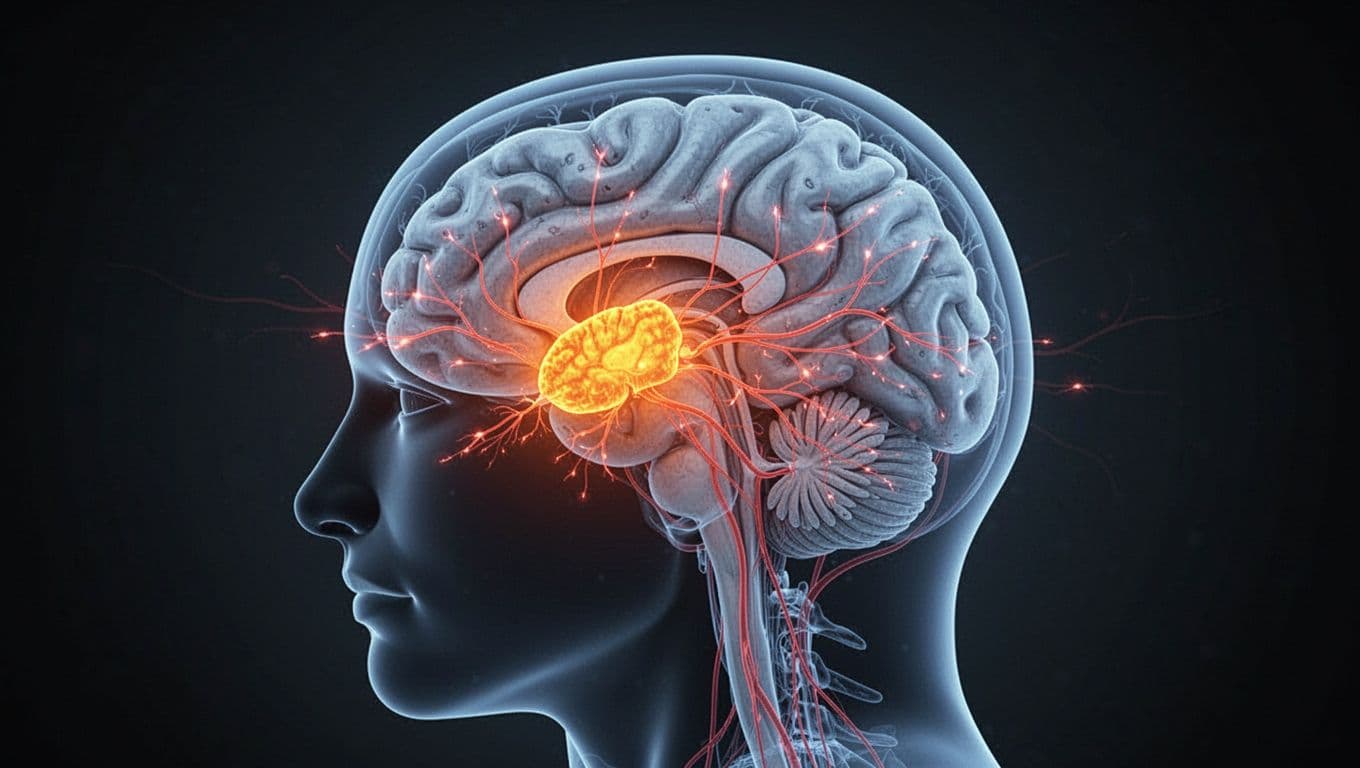
Think of your nervous system like a home with a smoke alarm. When there’s real smoke, you want the alarm loud. Trauma can make that alarm too sensitive, so it goes off when you burn toast. It’s not weakness, it’s protection that got stuck on high.
People often describe the brain in simple roles. The amygdala is often described as a threat detector. The prefrontal cortex is linked with planning and decision-making. The hippocampus is linked with organising memory and time. During danger, the system tends to prioritise survival over reflection.
That shows up in everyday ways: racing heart, tight chest, jaw clenching, gut drop, sweating, shaking, or going numb. Some people freeze and can’t move. Others people-please, appease, or become overly agreeable (sometimes called fawn). These reactions are learned safety moves, not character flaws.
If your body reacts fast, it’s usually because it learned fast. Healing often means teaching it, slowly, that “now is not then”.
Survival Mode Can Turn Down Clear Thinking
When your stress system fires, clear thinking can drop. You might go blank in an argument, struggle to find words, or feel far away from your body. Later, you may replay it and think, “Why did I react like that?”
Triggers also play a part. Your body can link danger with cues like tone of voice, a smell, a time of day, or a certain look. So the alarm can go off even when you’re safe. In that moment, logic may not help much, because the body is already bracing.
Why Trauma Memories Can Feel “Now”, Not “Back Then”
Trauma memories often show up as fragments. Instead of a neat story, you might get a flash image, a sound, a body sensation, or a wave of dread. Some people remember little detail yet feel intense fear. Others remember a lot, yet feel numb.
This matters because talking can pull you into the memory before you have enough steadiness. When that happens, you might get overwhelmed, or you might shut down. Either way, it can feel like therapy “isn’t working”, when the real issue is pacing.
Why Talk Therapy Helps, But Sometimes Does Not Reach The Body’s Alarm System
Talk therapy can be deeply helpful. It can help you name feelings, challenge harsh beliefs, and make meaning. Therapies like trauma-focused CBT and EMDR are recommended first-line in UK guidance for PTSD, and many people do benefit.
Still, trauma treatment doesn’t work the same for everyone. Some approaches can feel too intense, especially early on. Some people drop out because sessions feel overwhelming. Complex trauma, ongoing stress, or other mental health issues can also make standard treatment harder to stick with.
Real life also gets in the way. Access can be patchy, sessions may be brief, and not every therapist has deep trauma training. That’s not anyone’s fault, but it can limit progress.
Here are signs you might need added body-based support alongside talking:
- You shut down or go blank in sessions.
- You panic when you describe key parts.
- You feel worse for days after “processing”.
- Your body stays tense even when you feel mentally calm.
- You dissociate (spaced out, foggy, far away).
Insight Is Not The Same As Regulation
A common sentence in trauma recovery is: “I know I’m safe, but my body doesn’t believe it.” That gap is the difference between understanding and regulation.
Trauma can live in breath patterns, muscle holding, posture, and gut tension. You might explain your experience well, yet your shoulders stay up by your ears. So, the work sometimes needs to include the body, not to replace talking, but to support it.
When Talking Can Accidentally Flood Or Numb You
Overwhelm often shows up in two patterns. First, flooding, where emotion rises fast, thoughts race, and panic builds. Second, shutdown, where you go numb, tired, distant, or unreal. Both are protective.
Pacing matters because the nervous system learns best inside a workable range, often called a “window of tolerance”. If therapy pushes you outside that window, your brain may record the session as another threat. A skilled approach builds steadiness first, then touches the hard parts in small doses.
Somatic Experiencing In Plain English: Healing By Working With Sensations, Slowly

Somatic Experiencing (SE) is a body-focused therapy developed by Peter A. Levine. In simple terms, it aims to help the nervous system complete stuck fight, flight, or freeze responses, without forcing you to re-tell the whole story in detail.
If talk therapy is “top-down” (mind to body), SE is “bottom-up” (body to mind). It’s like fixing the foundations of a house before repainting the walls. Once the body feels safer, your thoughts and emotions often become easier to handle.
SE usually includes a few key ideas:
- Resourcing: finding what helps you feel even slightly safer (a place, memory, sensation, supportive connection).
- Titration: working in small bites, not big exposures.
- Pendulation: moving between comfort and discomfort so the system learns it can return to safety.
- Tracking sensations: noticing internal signals (tightness, warmth, tingling) with curiosity.
- Discharge: allowing natural releases like shaking, heat, softening, or breath changes.
On evidence, keep expectations realistic. SE is widely used and supported by clinical practice and smaller studies, yet large definitive trials are limited compared with first-line PTSD treatments.
What An SE Session Can Look Like (Without Forcing You To Relive Everything)
A typical SE session often starts with settling. You might look around the room, notice exits, and feel your feet. Then you and the therapist pick a “resource”, such as the feel of the chair supporting your back.
Next, you track a small sensation, for example a tight throat or tingling hands. You stay with it briefly, then return to the resource. You might add a micro-movement that fits the body’s impulse, such as gently pressing your feet, turning your head, or pushing your palms together lightly.
Choice and consent sit at the centre. A good SE practitioner won’t force you to go faster than your system can manage. You finish by grounding, so you leave the room feeling more present than when you arrived.
How SE Fits With CBT, EMDR, And Other Trauma Therapies
SE doesn’t need to replace other therapies. Many people use it alongside CBT, EMDR, or counselling. Talk-based work can help meaning-making and coping, while somatic work supports regulation and reduces stuck body responses.
Some simple pairings look like this: learn SE-style grounding first, then start trauma processing once you can stay present. Or use somatic sessions between talk sessions to calm spikes in activation. The best plan depends on your history, symptoms, and support.
Simple Body-Based Practices You Can Try Safely (And When To Get Extra Help)

If you want to try body-based work at home, keep it gentle. Aim for 5 to 10 minutes, once a day, and stop if you feel dizzy, flooded, numb, or unreal. When in doubt, return to basic grounding and seek professional help.
DIY isn’t enough if you have red flags like severe dissociation, self-harm urges, recent assault, intense panic attacks, substance dependence, or you feel worse every time you try to “go inside”. In those cases, a trauma-informed therapist can help you pace safely.
A 5-Minute Reset: Grounding, Orienting, And Breath
Start by orienting. Look around the room and name five ordinary, safe objects (lamp, mug, plant, book, cushion). Then feel the support under you, your feet on the floor, and the weight of your body.
Next, let your breath be natural. If it feels comfortable, try a slightly longer exhale than inhale for a few cycles. Don’t force depth, keep it easy. Many people feel calmer when the exhale slows down, but comfort matters more than technique.
Finish by noticing one neutral or pleasant sensation, like warmth in your hands or contact at your back.
Titration And Pendulation At Home: “Small Bits, Then Back To Safety”
Pick something mild, not your worst memory. Notice a small uncomfortable sensation for a few seconds, maybe a tight chest or restless legs. Then shift attention to something neutral or pleasant, such as the solid floor or a soft blanket.
Move back and forth once or twice, like dipping a toe in cool water, then stepping back. End while you still feel okay, not when you feel wrecked. Over time, this teaches the nervous system that discomfort can rise and fall without taking over.
Conclusion
Trauma can live as a nervous system pattern, not just a memory you can explain. That’s why talk therapy can help, yet still leave your body on alert. When you add body-based regulation, such as Somatic Experiencing, you give your system a new way to learn safety.
Your reactions make sense as survival responses, even if they feel frustrating. Pick one tiny practice for a week, keep it gentle, and consider a consult with a trauma-informed therapist who can include somatic work if you need it.
FAQ
Is Somatic Experiencing The Same As Yoga Or Breathwork?
No, although they can overlap. SE is a structured therapy approach, guided by a trained practitioner, with a focus on nervous system responses. Yoga and breathwork can support regulation, but they aren’t the same as trauma therapy.
Can Talk Therapy Make Trauma Symptoms Worse At First?
It can, especially if sessions move too fast or focus on detail without enough grounding. Some people feel flooded or shut down after talking. A slower pace and stabilisation skills can reduce that risk.
How Do I Know If I’m Dissociating In A Session?
Common signs include feeling far away, foggy, numb, unreal, or losing time. You might struggle to speak or to feel your body. If this happens often, tell your therapist so you can slow down and build safety first.
Is Somatic Experiencing Evidence-Based For PTSD?
SE has support from smaller studies and a lot of clinical use. Still, it has fewer large, definitive trials than therapies like trauma-focused CBT or EMDR. Many people use it as a helpful add-on, not a stand-alone fix.
What Should I Look For In A Trauma-Informed Somatic Therapist?
Look for clear training in trauma work and in the somatic method they offer. They should explain pacing, consent, and what to do if you get overwhelmed. You should also feel respected and in control of the process.
How Long Does It Take For The Body To Calm After Trauma?
It varies a lot. Some people notice small shifts in weeks, while others need longer, especially with complex or repeated trauma. Progress often looks like shorter reactions, quicker recovery, and more choice in how you respond.
Leave a Reply