-

·
How The Brain Processes Trauma: Why Talk Therapy Isn’t Always Enough (And How Somatic Experiencing Helps)
Many studies suggest an estimated 70% of people worldwide experience at least one traumatic event in their lifetime. That doesn’t mean everyone develops PTSD, but it does mean trauma is common, and often misunderstood. One reason recovery can feel confusing is that trauma isn’t only a story you remember. It can also become a state…
-

·
Why You Can’t Choose Your Feelings (But You Can Choose Your Response)
Most feelings show up before you have words for them. Your body reacts, your mind catches up, and only then do you start making sense of it. That’s why trying to “pick” the right emotion often fails. You can’t choose the first wave (your primary emotion). Still, you can influence what happens next, the secondary…
-
·
The 4 Branches Of Emotional Intelligence: A Self-Assessment Guide
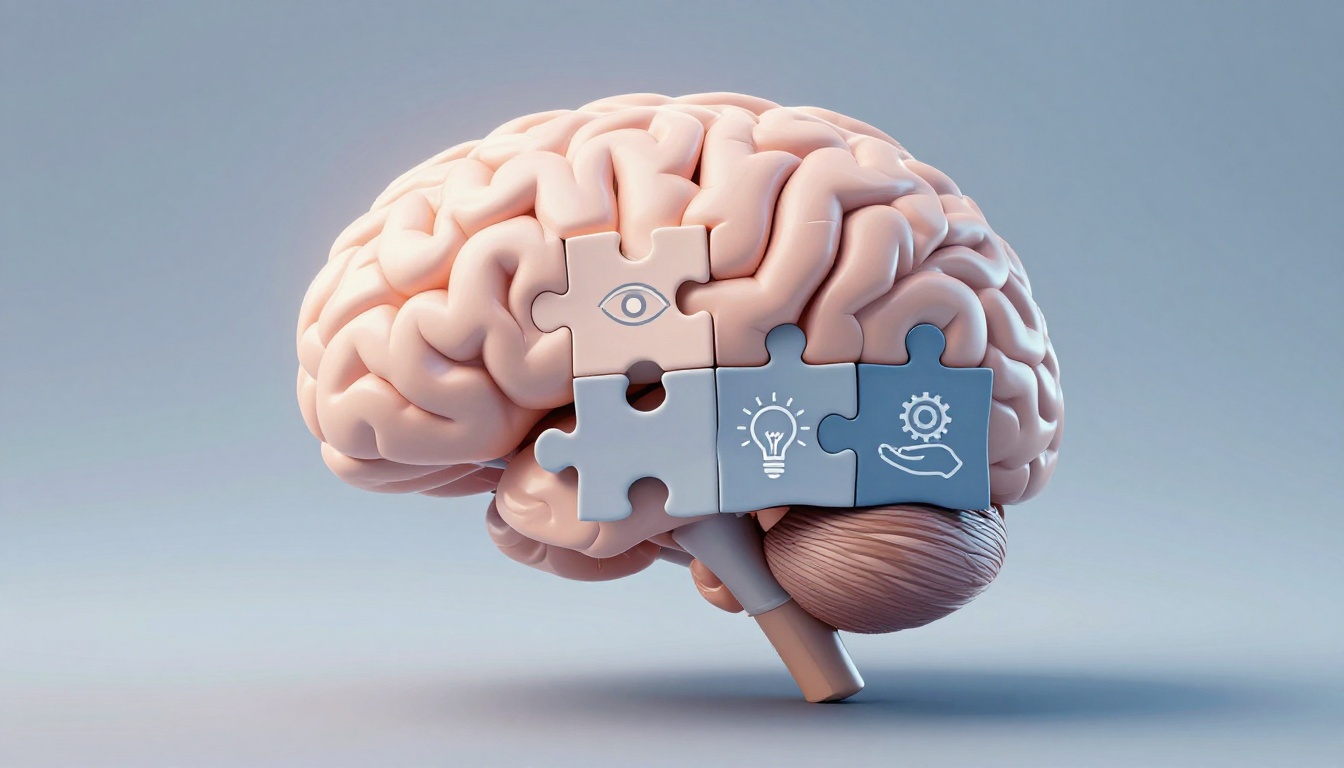
People often confuse being “nice” with being emotionally intelligent. Niceness can be a habit, or even a mask. Emotional intelligence (EI), in the Mayer and Salovey model, is something more practical: four learnable skills for working with emotions in yourself and other people. This guide breaks EI into its four branches, perceiving, using (facilitation), understanding,…
-

·
The 90-Second Rule: Can An Emotion Really Pass In 90 Seconds?
Strong feelings often fade faster than we expect when we stop feeding them with fresh thoughts. That simple idea sits behind the famous 90-second rule, often linked to Dr Jill Bolte Taylor, a neuroanatomist and author of My Stroke of Insight. You might’ve seen the claim shared as a promise: “Wait 90 seconds and the…
-

·
The Neurochemistry Of A Hug: Oxytocin, Cortisol, And Touch
Your body treats warm, safe touch like a quiet message that says, “You’re not in danger.” When that message lands, the stress response can soften, and hormone levels can shift within minutes. That’s the heart of the neurochemistry of a hug. It’s not magic, and it’s not the same for everyone. Still, research on social…
-

·
Mirror Neurons And Empathy: Are We Wired To Feel Each Other?
Simply watching someone pick up a mug can activate parts of your brain used to pick up a mug yourself. That’s odd at first glance, yet it helps explain why other people’s actions and feelings can seem to “rub off” on you. This post is about mirror neurons, and the wider brain systems that let…
-

·
The Science Of Tears: Why Crying Is Actually A Biological Hack
Humans don’t make just one kind of tear, and the tears you cry from emotion aren’t the same as the ones triggered by a sliced onion. That’s part of why crying can feel like a “reset” for some people, but not for everyone. In plain terms, a biological hack is a built-in shortcut your body…
-
·
Neuroception: How Your Nervous System Detects Safety And Threat (Polyvagal Theory Explained)
Your body can switch into fight, flight, or shutdown before you can explain why. That quick shift often feels like a mood change, but it’s really a safety response. Neuroception is the name for this hidden process. It’s your nervous system’s automatic threat and safety detector. It works fast, outside awareness, and it’s trying to…
-
·
Fisetin In Strawberries: A Powerful Senolytic Flavonoid And Where To Find It
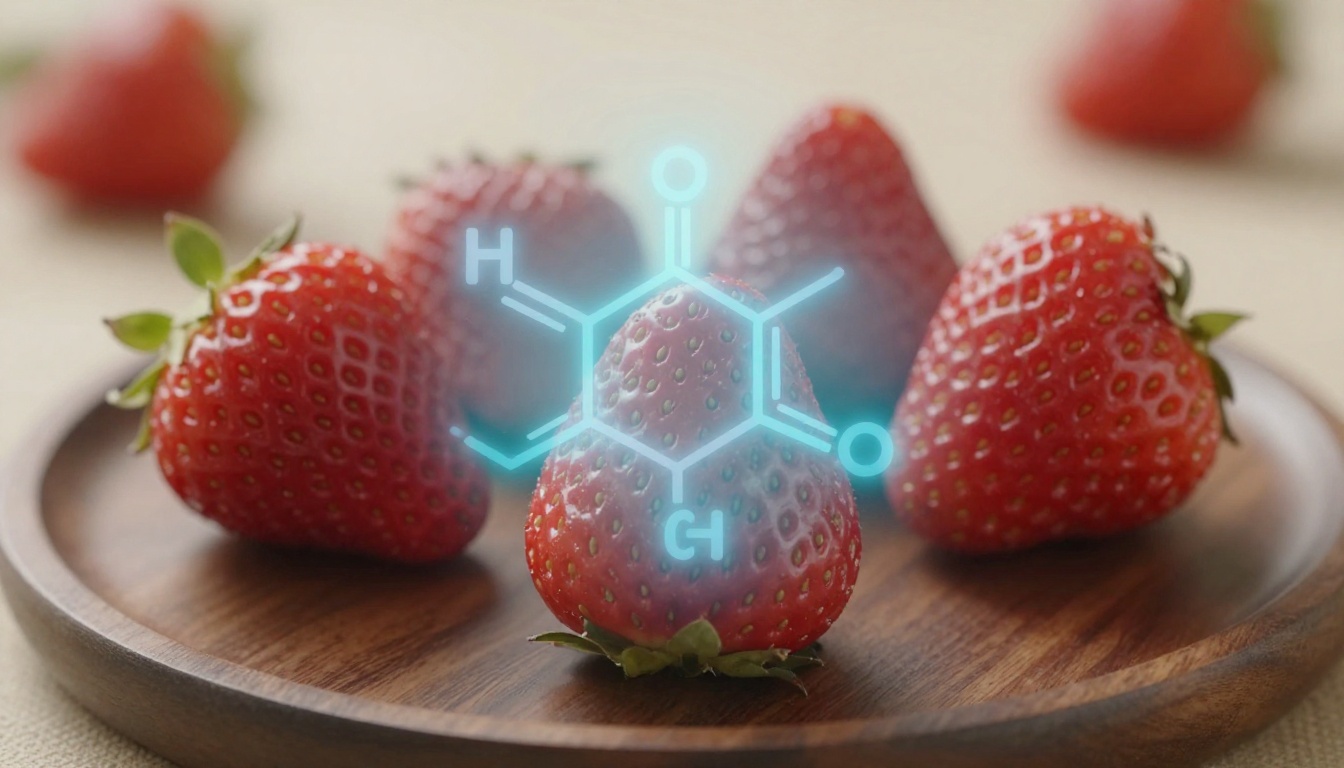
“Zombie cells” aren’t a spooky metaphor, they’re a real thing in biology. They’re cells that should retire quietly, but instead hang around and irritate nearby tissue. One plant compound getting a lot of attention is fisetin, a flavonoid found in strawberries (and smaller amounts in other foods). Researchers are testing it as a senolytic, meaning…
-

·
DEXA Scans And Body Composition: Why Muscle Mass Is A Longevity Metric
Two people can share the same weight and clothes size, yet have very different health risks, because fat and muscle don’t sit in the same places. That’s why the bathroom scale often tells the wrong story. A DEXA scan (also written DXA) can show fat, lean mass, and bone in one short appointment. Those numbers…
-
·
Quercetin And Dasatinib (D+Q) Senolytics: What The Science And Human Trials Really Show
Dasatinib is a prescription cancer medicine, while quercetin is a plant compound found in foods like onions and apples. Still, researchers have tested them together as a short, intermittent “senolytic” treatment in humans. The idea sounds simple: clear out senescent cells, often nicknamed “zombie cells”. These are worn-out cells that stop dividing, refuse to die,…
-

·
Protein Prescription: How Much You Need As You Age (And How To Get It From Normal Food)
Most people notice a small, quiet change with age: everyday tasks start to take a bit more effort. Stairs feel steeper, carrying shopping feels heavier, and recovery after a long walk takes longer. A big reason is that we naturally lose muscle as we get older, and our muscles don’t respond to food in the…
-

·
DEXA Scans And Body Composition: Why Muscle Mass Is A Longevity Metric
Two people can share the same weight and clothes size, yet have very different health risks, because fat and muscle don’t sit in the same places. That’s why the bathroom scale often tells the wrong story. A DEXA scan (also written DXA) can show fat, lean mass, and bone in one short appointment. Those numbers…
-

·
NAD+ Boosters (NMN And NR): A Complete Guide To The Science And How To Choose
Every cell in your body relies on NAD+ to turn food into usable energy, and to help manage DNA repair. Researchers also see NAD+ levels tend to fall with age, which is one reason NAD+ boosters have become so popular. Two supplements lead the conversation: NMN (nicotinamide mononucleotide) and NR (nicotinamide riboside). Human studies show…
-

·
Metformin And Ageing: Will The TAME Study Change Everything? (Feb 2026 Update)
Metformin is one of the most prescribed medicines in the world, yet it still isn’t proven to slow ageing in healthy people. That gap between popularity and proof is why the TAME study (Targeting Ageing with Metformin) keeps making headlines. People want a clear answer, not a hunch. This article explains where TAME stands in…
-

·
Rapamycin For Longevity: Hype Or Hope? A Balanced Look At The Evidence (Feb 2026)
A drug first used to stop the immune system attacking a transplanted organ is now being tested for healthy ageing. That drug is rapamycin (also called sirolimus). It works by turning down mTOR, a cell signalling system that helps decide when to grow and when to repair. Animal lifespan results are some of the strongest…
-

·
Mitochondrial Health and Ageing: Keeping Your Cellular Powerplants Young
You can lose energy and stamina with age even if your weight barely changes. One reason is that mitochondria, your cells’ powerplants, can become less efficient over time. When that happens, the same daily tasks start to feel “heavier”. Mitochondria make ATP, the usable energy that powers muscle contraction, brain function, and basic repair work.…
-

·
Inflammaging: The Silent Fire That Accelerates Ageing (And How To Put It Out)
A routine blood test can show raised inflammation even when you feel fine. That’s part of what makes inflammaging so sneaky. Think of it as a small fire that never fully goes out. You might not notice it day to day, yet it slowly wears the body down. In one line, inflammaging is chronic, low-grade…
-

·
Sirtuins And Longevity Genes: Can Red Wine Really Activate Them?
A lot of the “red wine helps you live longer” story took off because early lab tests looked exciting, then headlines did what headlines do. The science behind sirtuins is real, and these proteins do matter for how cells cope with stress. Still, wine isn’t a reliable switch you can flip for longevity. This article…
-

·
mTOR Explained: Growth, Ageing, Diet, and Rapamycin
Rapamycin was first used as an immunosuppressant in transplant medicine, yet it later became one of the most studied lifespan extending drugs in animals. That odd career change makes sense once you understand mTOR, short for the mechanistic target of rapamycin. mTOR is a cell signalling hub that helps your body decide when to grow…