

Most people notice a small, quiet change with age: everyday tasks start to take a bit more effort. Stairs feel steeper, carrying shopping feels heavier, and recovery after a long walk takes longer.
A big reason is that we naturally lose muscle as we get older, and our muscles don’t respond to food in the same way. That’s where protein comes in. For many older adults, a practical target sits around 1.0 to 1.6 g of protein per kg of body weight per day, depending on health, activity, and recent illness.
This isn’t about bodybuilding. It’s about staying steady on your feet, getting up from a chair with confidence, and keeping your independence for longer.
Key Takeaways
- Aim for 1.0 to 1.6 g/kg/day of protein after around age 60, depending on your health and activity.
- Start with 1.2 g/kg/day if you want a simple middle target, then adjust.
- Spread protein across the day, many people do well with about 25 to 30 g per main meal.
- Fix the “protein-light breakfast” problem first, it’s often the easiest win.
- If appetite is small, add a high-protein snack or a milky drink between meals.
- Pair protein with resistance exercise (even chair stands) to support muscle preservation.
- Choose a mix of foods, dairy, eggs, fish, beans, lentils, tofu, and lean meats all count.
- Seek advice before increasing protein if you have kidney disease, advanced liver disease, or a prescribed low-protein diet.
- If you have unintended weight loss, new weakness, or you’re recovering from illness, ask your GP or a dietitian for tailored help.
Why Your Protein Needs Go Up After About Age 60
Think of muscle like a savings account for later life. You “deposit” strength through food and movement, and you “withdraw” it during illness, stress, or long periods of sitting. With age, withdrawals can happen faster, while deposits take more effort.
Two things drive this change. First, we tend to lose muscle over time (sarcopenia). Second, ageing muscle often needs a stronger protein signal before it switches on repair (anabolic resistance). At the same time, appetite commonly drops, so people eat smaller portions and still assume they’re eating “normally”.
That combination matters because muscle is not just for lifting weights. It supports balance, keeps joints stable, helps protect bones during a fall, and even plays a role in how well we cope with illness. In other words, eating enough protein is a practical form of self-care.
Sarcopenia: The Quiet Muscle Loss That Adds Up
Sarcopenia is the age-related loss of muscle mass and strength. It doesn’t arrive overnight. Instead, it chips away slowly, so it can feel like “just getting older” until daily life starts to change.
Common signs look ordinary at first. Standing up from a low chair takes a few tries. Walking speed slows. Grip feels weaker when opening jars. You may also avoid activities you used to enjoy, because they leave you tired.
Protein helps because muscle needs raw materials to repair and maintain itself. Still, protein is only one tool. Strength work tells the body to keep muscle, and enough overall food energy (calories) stops the body breaking muscle down to cover the basics.
Anabolic Resistance: Why Small Protein Portions Stop Doing The Job
If protein is the key, anabolic resistance is the stiff lock. In younger adults, a modest protein portion can trigger muscle repair. As we age, that same portion often produces a smaller response.
A simple way to work around it is to avoid tiny protein doses. Many older adults benefit from a clearer protein “anchor” at each main meal, often in the region of 25 to 30 g per meal, adjusted for body size and appetite.
If you only change one thing, stop treating protein like a side dish. Make it the centre of the meal, then build everything else around it.
How Much Protein Do Older Adults Need Each Day (And How To Work It Out)
Most general advice for adults sits lower than what many older people need for muscle preservation. Expert groups and recent research often place older adult targets in the 1.0 to 1.6 g/kg/day range, especially where sarcopenia risk, illness recovery, or regular strength exercise are in the picture.
Where should you land within that range?
- 1.0 to 1.2 g/kg/day often suits healthy older adults who are fairly stable and not trying to change body weight.
- 1.2 to 1.6 g/kg/day can make sense if you strength train, you’re rebuilding after illness, you’re frail, or you’re losing weight and want to protect muscle.
Here’s a simple way to see the numbers at a glance.
| Body Weight | 1.0 g/kg/day | 1.2 g/kg/day | 1.6 g/kg/day |
|---|---|---|---|
| 60 kg | 60 g/day | 72 g/day | 96 g/day |
| 75 kg | 75 g/day | 90 g/day | 120 g/day |
| 90 kg | 90 g/day | 108 g/day | 144 g/day |
The takeaway: once you know your daily target, you can split it into three meals, plus a snack if needed.
A Quick Calculator You Can Do In Your Head
The basic equation is:
Your weight in kg × your target (g/kg/day) = grams of protein per day
If you want a simple starting point, many people pick 1.2 g/kg/day.
- Example (60 kg): 60 × 1.2 = 72 g/day. That can look like 25 g at breakfast, 25 g at lunch, and 22 g at dinner.
- Example (75 kg): 75 × 1.2 = 90 g/day. That can look like 30 g at each main meal.
- Example (90 kg): 90 × 1.2 = 108 g/day. That can look like 30 g at breakfast, 35 g at lunch, 35 g at dinner, plus a small snack.
This is general guidance, not a medical prescription. Your needs vary with health, body size, and recent weight change.
When The Higher End Makes Sense (And When It Might Not)
A higher target, closer to 1.4 to 1.6 g/kg/day, often suits real life situations, not just athletes. It can help if you lift weights or use resistance bands, you’re doing weight loss while trying to keep strength, your appetite is poor so you need more protein “per bite”, or you’ve been unwell and you’re rebuilding strength.
On the other hand, some people should check first. If you have diagnosed kidney disease, advanced liver disease, or you’ve been told to follow a low-protein diet, get clinician or dietitian advice before increasing protein. If you’re unsure, a quick GP chat and a simple kidney blood test review can add peace of mind.
Meeting Your Protein Target Without Overthinking It
Numbers help, but habits make it happen. The easiest pattern for many older adults is to aim for a solid protein source at breakfast, lunch, and dinner, then add a snack if the day comes up short.
A simple “plate” idea works well in the UK because it fits normal meals:
Protein anchor first, then add fibre-rich carbs (potatoes, oats, wholegrains, beans), colourful veg or fruit, and some healthy fats (olive oil, nuts, seeds). Also, drink enough fluids, and don’t let overall intake drop too low. When calories fall too far, the body can burn protein for energy.
Build Each Meal Around A Protein Anchor

Breakfast is often the weak link, so start there. Greek yoghurt (or skyr) with fruit and nuts is quick and easy. Eggs on wholegrain toast work well too, and you can add a side of beans for extra protein and fibre. If you like porridge, make it with milk, stir in extra milk powder, or add yoghurt on top.
For lunch, think “protein plus something filling”. Tuna on toast with a side salad, chicken and bean soup, or a lentil soup with extra beans can all work. If you buy ready meals, check the label and choose one with a clear protein source, then add a pot of yoghurt or a glass of milk.
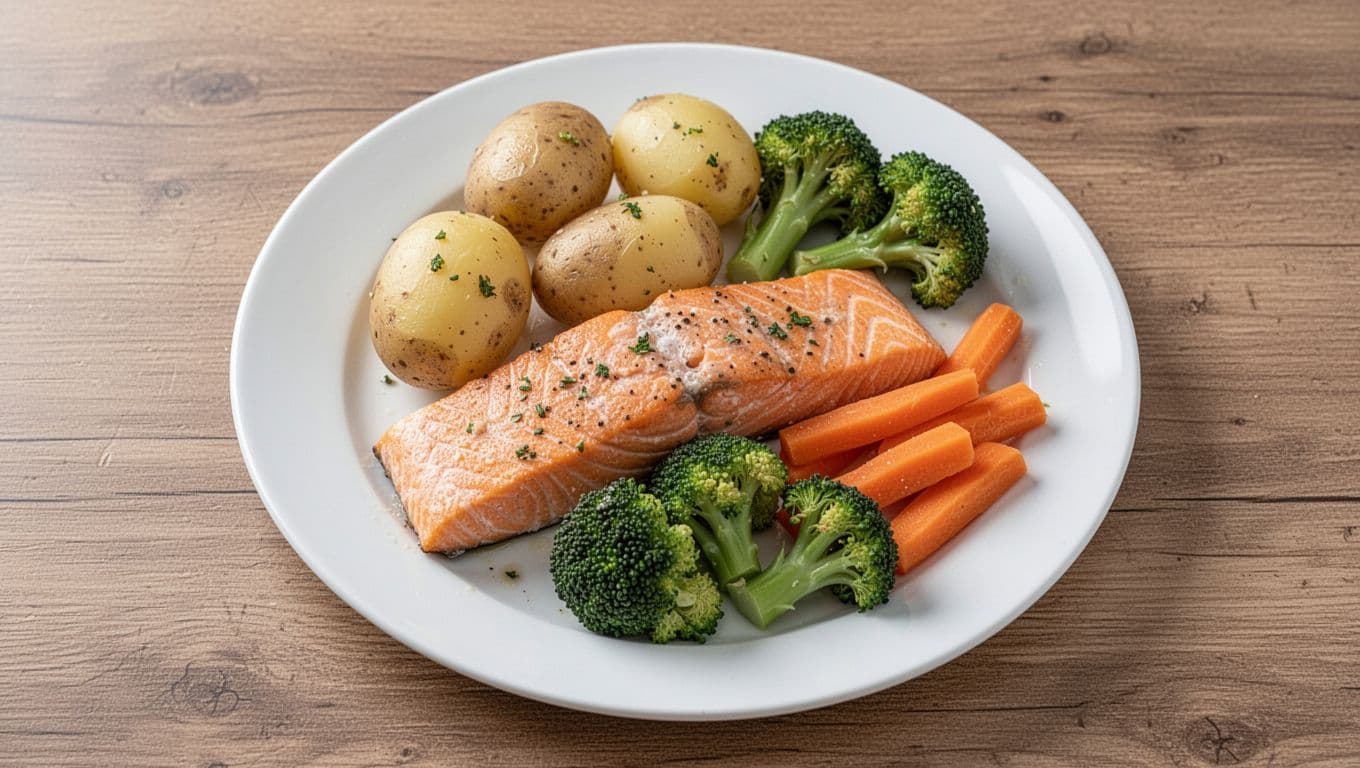
At dinner, keep it familiar. Salmon with potatoes and veg is a strong option. So is turkey chilli with beans, tofu stir-fry with rice, or mince and lentils in a shepherd’s pie style meal. Small swaps add up, for example, use an extra egg, pick higher-protein yoghurt, or add another half tin of beans to a stew.
Small Appetite? Use Protein Snacks And Higher-Protein Sips
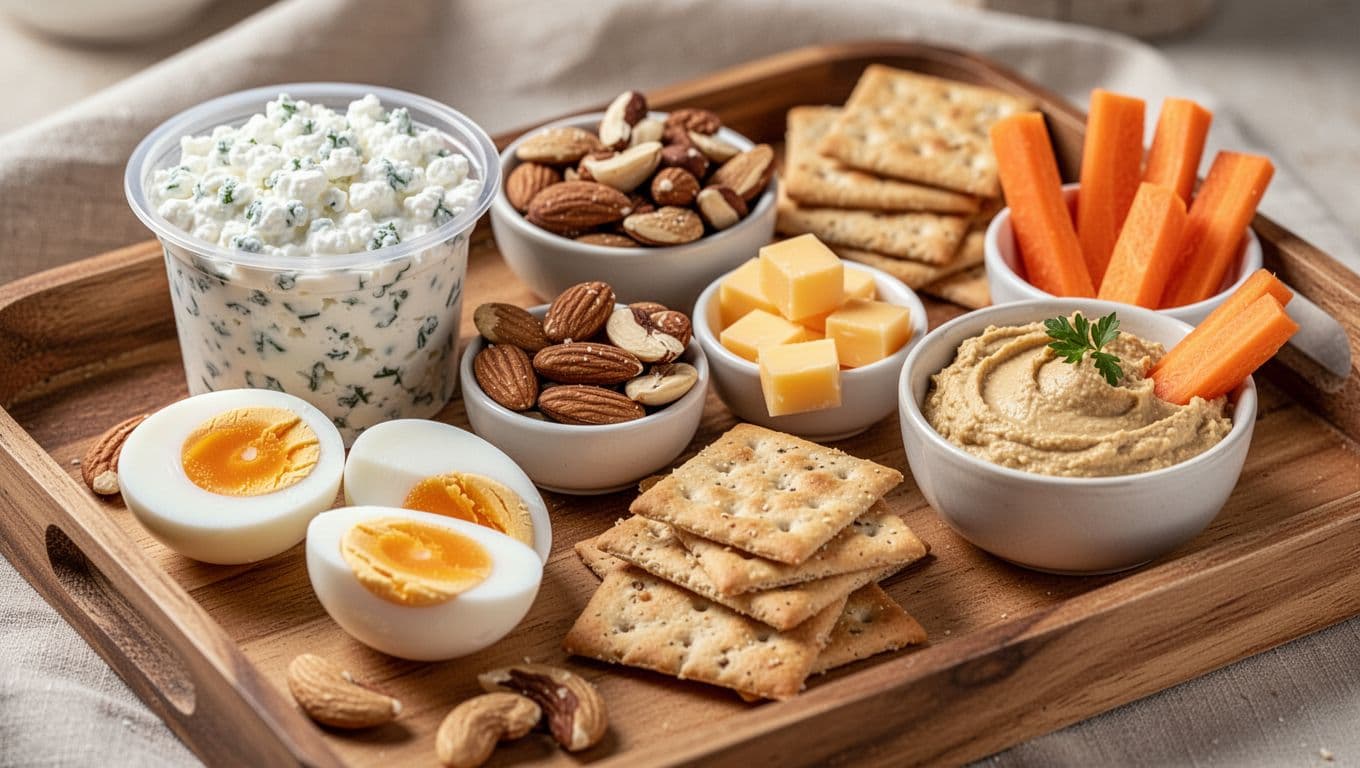
When appetite drops, big meals can feel like a chore. In that case, “little and often” works better. A pot of yoghurt, cottage cheese with fruit, cheese and crackers, hummus with pitta, a boiled egg, or a small handful of nuts can all lift your daily total.
Milky drinks can help too. A latte, a hot chocolate made with milk, or a simple smoothie with milk and yoghurt can be easier than chewing. Some people also like a pre-bed snack. You might see advice around about 40 g of protein before sleep to support overnight muscle repair. It may help some people, but it’s not magic, and it needs to fit your digestion and sleep.
If you use protein powders or ready-to-drink shakes, treat them like a convenience food. Check sugar, fibre, and serving size, and use them to top up, not replace meals.
Animal Vs Plant Protein: What Matters Most Is Total And Variety
You’ll often hear “high-quality protein”. In plain terms, that means a protein with all the essential amino acids. Animal foods like dairy, eggs, fish, and meat tend to cover this easily. Still, plant-based eating can work very well too.
The trick with plants is variety across the day. Beans with rice, hummus with pitta, tofu with noodles, or lentils with wholegrains all help cover what your body needs. Also, plant foods bring fibre, minerals, and helpful compounds you don’t get from powders.
Ultra-processed protein products sit in a middle ground. Some are genuinely useful when appetite is low or cooking is hard. Whole foods still offer more in terms of nutrients and satisfaction, so aim for food first when you can.
Common Mistakes That Keep Older Adults Under-Protein
Many people miss their protein target without realising. It’s rarely because they “don’t care”. It’s because routines drift, appetite changes, and meals get simpler.
One common mistake is a breakfast of toast, cereal, or a biscuit with tea. Another is saving most protein for dinner, then having a lighter lunch. Some people also eat too little overall, which makes the body burn protein for energy. Others worry that “too much protein” is risky, even when they have healthy kidneys.
The fixes don’t need a complete diet overhaul. Start by adding protein where it’s easiest, then spread it out. Finally, add simple strength work, because food alone can’t do the whole job.
The Breakfast Gap: The Easiest Place To Add 20 To 30 g
Breakfast is often low protein because it’s built around carbs, not because it’s “bad”. The goal is to add a protein anchor you actually enjoy.
Here are realistic UK options that can move the needle quickly:
- Higher-protein yoghurt or skyr with fruit and nuts
- Eggs on toast, or an omelette with cheese
- Porridge made with milk, topped with yoghurt
- Beans on toast, with an egg on the side
- A simple smoothie using milk and yoghurt
Pick one option and repeat it for a week. After that, it feels normal.
Protein Without Strength Training Is Only Half The Plan
 Photo by Yan Krukau
Protein provides the building blocks. Strength training gives your body a reason to use them for muscle.
That doesn’t mean heavy weights. Simple moves count, as long as they challenge you. Chair sit-to-stands, wall push-ups, stair climbing, carrying shopping evenly, resistance bands, or light dumbbells can all help. Two short sessions per week is a solid start, and you can build from there.
Food helps you maintain muscle, but resistance exercise tells your body where to put the protein.
FAQ
Is 1.0 g/kg Of Protein Enough After 65?
It can be a sensible minimum for some people, especially if you’re healthy and stable. Many older adults do better closer to 1.2 g/kg/day, and sometimes higher if strength is dropping. If you’re losing weight without trying, speak to a clinician.
How Do I Calculate My Protein Needs In Grams Per Day?
Multiply your weight in kg by your chosen target. For example, 75 kg × 1.2 g/kg/day = 90 g protein per day. Adjust up or down based on activity, appetite, and health conditions.
Does Spreading Protein Across Meals Really Matter?
It often helps because ageing muscles can respond better when they get enough protein more than once daily. A simple pattern is protein at breakfast, lunch, and dinner. If you struggle with portions, add a snack to bridge the gap.
What Are The Best High-Protein Foods For Older Adults Who Don’t Eat Much Meat?
Dairy, eggs, fish, yoghurt, beans, lentils, tofu, and chickpeas are all useful. Try tuna and sweetcorn with jacket potato, lentil soup with extra beans, or tofu stir-fry. Mix plant proteins across the day for variety.
Are Protein Shakes Safe For Older Adults?
They can be helpful when appetite is low or chewing is hard. Choose products with sensible sugar levels and ingredients you recognise. If you have kidney disease or a prescribed diet, check with your GP or dietitian first.
Can Too Much Protein Harm My Kidneys?
For people with healthy kidneys, higher protein intakes in the usual recommended ranges are generally considered safe. If you have diagnosed kidney disease, follow your clinician’s advice, as your target may differ. When in doubt, ask for personalised guidance.
What If I’m Trying To Lose Weight, Should I Still Increase Protein?
Often, yes, because protein can support muscle preservation during weight loss. Keep meals balanced with fibre and enough energy, and add resistance exercise. A moderate target, like 1.2 g/kg/day, is a practical starting point for many.
How Long Does It Take To Notice A Difference In Strength?
Some people feel better recovery and steadier energy within a few weeks. Strength changes usually take weeks to months, especially if you add resistance training. Consistency matters more than perfection.
Conclusion
Ageing muscle needs more support, partly because sarcopenia slowly reduces strength, and partly because anabolic resistance means small protein portions do less. Hitting a personalised protein target, often 1.0 to 1.6 g/kg/day, can help you stay mobile, steady, and independent.
Choose one daily target, add a protein anchor to breakfast, and spread intake across meals. Then add two short strength sessions each week. If you have kidney disease, unintended weight loss, or recent illness, ask for tailored advice so your plan feels safe and realistic.
Leave a Reply