

Strong feelings often fade faster than we expect when we stop feeding them with fresh thoughts. That simple idea sits behind the famous 90-second rule, often linked to Dr Jill Bolte Taylor, a neuroanatomist and author of My Stroke of Insight.
You might’ve seen the claim shared as a promise: “Wait 90 seconds and the emotion goes.” It’s popular because it feels like a pause button you can actually use at work, at home, or on the train. It’s also hopeful, because it suggests you’re not stuck with anger, shame, or panic forever.
Still, it’s not a perfect stopwatch. The useful part is the model: a trigger creates a fast body reaction, and you can stop re-igniting it. This article explains what Dr Taylor meant, what science can and can’t confirm about the exact timing, and a safe step-by-step way to try it in real life.
Key Takeaways
- The “90 seconds” refers to a short wave of body chemistry after a trigger, not the full story in your mind.
- Emotions tend to last longer when we replay the event, imagine outcomes, or argue with ourselves.
- There’s no strong scientific agreement that 90 seconds is exact for everyone, every time.
- It works best for small to medium triggers, like a rude email or a tense chat.
- A simple practice is: notice, name, breathe, and let the sensation move without fixing it.
- Common mistakes include checking messages, judging yourself, or trying to “win” an argument in your head.
- If you’re dealing with panic, trauma, or self-harm thoughts, get extra support rather than relying on a quick technique.
- The goal isn’t to feel nothing, it’s to create space so you can choose what to do next.
What Dr Jill Bolte Taylor Actually Meant By The 90-Second Rule
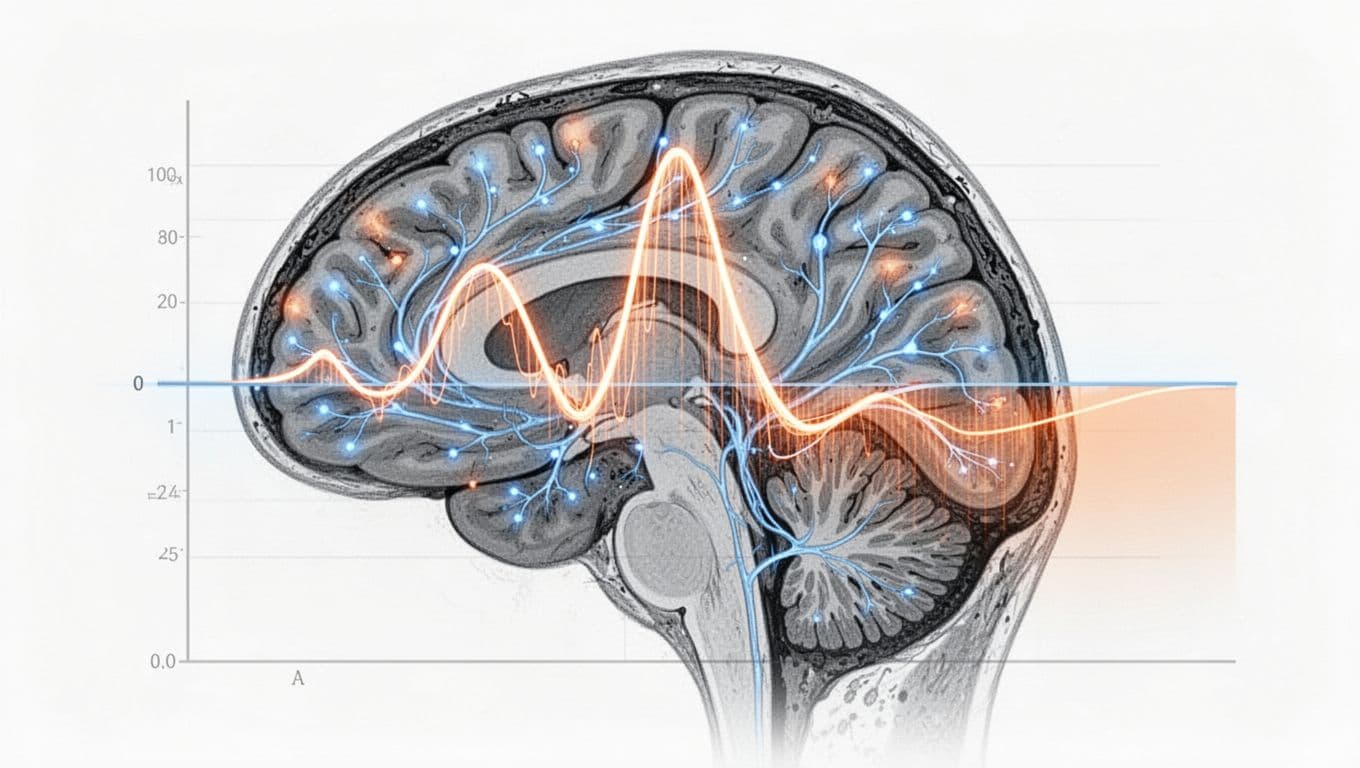
Dr Jill Bolte Taylor shared the “90-second” idea in her writing and public talks, including themes later echoed in Whole Brain Living. In plain terms, she describes a trigger as setting off a physical stress response. Chemicals move through the body, you feel the surge, and then the body can clear that initial wave fairly quickly if nothing keeps re-triggering it.
This is a big difference from saying, “All emotions end in 90 seconds.” Dr Taylor frames it more like a life cycle of a body reaction. If you don’t add extra fuel, the first surge can pass, and you get a chance to choose your next move.
That nuance matters. Grief, fear after a near miss, or anxiety that’s been building for weeks won’t shrink neatly into a minute and a half. However, even in those cases, noticing the start of a wave can help you avoid adding a second or third wave on top.
The most practical reading of the 90-second rule is this: you may not control the first surge, but you can reduce how often you re-start it.
The 90 Seconds Is About The Body, Not The Whole Story In Your Head
When you get triggered, your body often speaks first. Your face might heat up. Your chest can tighten. Your heart rate jumps, and your stomach drops. Those sensations are the “wave” people notice when they try the 90-second rule.
The story comes next. The mind explains, blames, predicts, or rewinds the moment like it’s editing a film.
Picture a rude email from a colleague. The first hit lands, and your body reacts. Then you re-read it, draft a sharp reply, imagine their response, and check again for new messages. Each loop presses the same bruise, so the wave keeps coming back. In other words, the emotion doesn’t “fail” to pass, it keeps getting re-triggered.
Why The Idea Became So Popular
 Photo by Tara Winstead
The message spreads because it’s easy to remember and easy to test. You don’t need special kit. You don’t need a retreat. You just need a moment of attention.
It also fits modern life. People want quick ways to stop snapping at partners, overreacting in meetings, or spiralling after a comment online. “Give it 90 seconds” feels doable when you’re juggling work, kids, or a packed commute.
Still, it works best when you treat it as a guide. If you use it like a strict rule, you can end up feeling worse, because you’re angry at yourself for still feeling angry.
Can An Emotion Really Pass In 90 Seconds, What Science Suggests
The honest answer is mixed. Many body changes after a trigger happen quickly, in seconds to minutes. That part matches everyday experience. Your pulse rises, your breathing changes, and your muscles tense. When the trigger stops, the body often starts settling.
However, there’s no strong scientific consensus that all emotions have a fixed 90-second duration. Recent discussions still tend to treat “90 seconds” as a memorable teaching point, not a proven universal timer. No major peer-reviewed studies in 2024 to 2026 have directly confirmed Dr Taylor’s exact timing as a rule for every person and every emotion.
Even so, the core principle lines up with what many psychologists teach: thoughts can extend feelings. Rumination (going over it again and again) keeps the body alert. Catastrophic predictions can do the same. On the other hand, grounding and mindful attention often reduce the intensity.
So, think of 90 seconds as the first wave, not the whole sea.
What Likely Happens In Your Brain And Body After A Trigger
A trigger usually sets off a fast “alarm” response. Your nervous system shifts gears. Adrenaline and other stress chemicals can rise quickly, preparing you to act. That’s why your body wants to do something right now, such as shout, run, or send the message.
If the trigger ends and you don’t keep stoking it, the body moves back towards baseline. Breathing slows. The jaw unclenches. Your shoulders drop, sometimes without you noticing.
Some parts of the stress response can last longer, though. Hormones linked to ongoing stress patterns can take more time to settle. That’s one reason the felt emotion can linger, even when you’re trying to “let it pass”.
Why The Time Can Be Longer, And Why That Does Not Mean You Failed
Longer waves are normal, and they often have a simple cause. Something keeps pressing the button.
Here are common “re-start” switches people miss:
- Repeated triggers: notifications, follow-up comments, or being stuck in the same argument.
- Rumination: rehearsing what you should’ve said, or planning a perfect comeback.
- Body strain: poor sleep, hunger, pain, too much caffeine, or a hangover.
- Chronic stress: you start already tense, so it takes longer to settle.
- Trauma reminders: the body reacts fast, even when your mind knows you’re safe.
The skill isn’t hitting 90 seconds perfectly. The skill is spotting the loop, then choosing what to do next.
How To Use The 90-Second Rule In Real Life Without Forcing It

This technique shines in everyday friction. Think workplace chats that feel sharp, a crowded bus when you’re already late, or family tension when everyone’s tired. In those moments, the goal is simple: don’t add a second wave.
First, be realistic about what it’s for. It’s not a quick fix for unsafe situations. It’s not a way to “calm down” so someone can keep treating you badly. If you need to leave, set a boundary, or get help, do that.
Used well, it’s a short reset that helps you respond with more choice. That could mean speaking calmly, asking for time, or deciding not to reply yet.
A 90-Second Reset You Can Do Anywhere

Try this the next time you feel the surge. Keep it light and curious, not like a test.
- Stop: Pause for a moment. Put both feet on the ground if you can.
- Name it: Say quietly, “This is anger” (or fear, shame, frustration).
- Locate it: Notice where it lives (throat, chest, belly, jaw, hands).
- Breathe slower: In for a count of 4, out for a count of 6, repeated a few times.
- Release one muscle: Drop your shoulders or soften your jaw. Pick one.
- Let it move: Notice the wave rise and fall, like weather passing through.
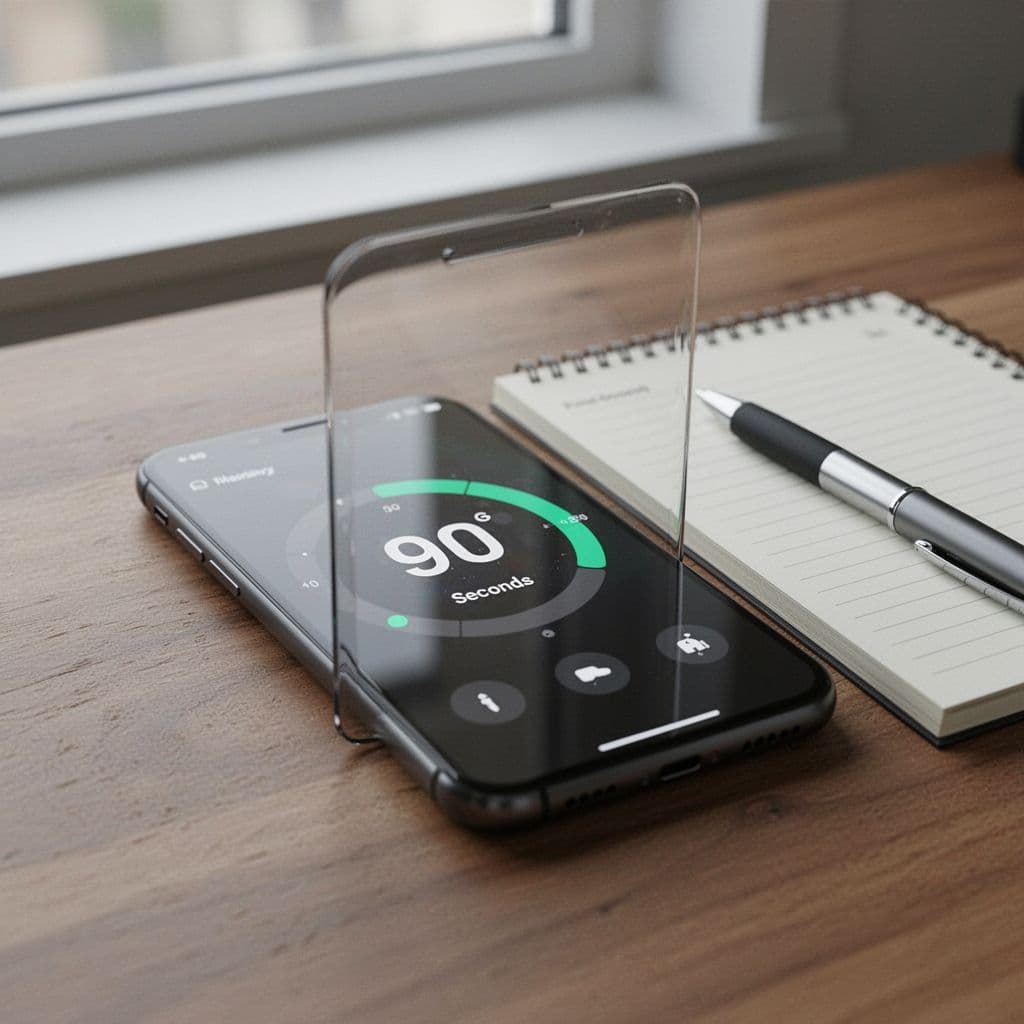
A discreet timer can help at first, because it stops you bargaining with yourself. If you’re in public, you can time it by slow breaths instead.
What To Do After The Wave Passes, So It Does Not Restart
Once the intensity drops, you’ll want a plan. Otherwise, your mind often runs back to the story and sparks another wave.
Use one of these quick next steps:
- Write one sentence in Notes: “I felt dismissed when X happened.”
- Ask one clarifying question instead of making an accusation.
- Take a two-minute walk, even if it’s just to the kitchen and back.
- Drink water, because a small body reset supports a mind reset.
- Do a fast grounding check: name five things you can see.
If you snapped, repair early. A simple “Sorry, I spoke sharply, give me ten minutes” can save hours of tension.
FAQ
What Is Dr Jill Bolte Taylor’s 90-Second Rule, In Simple Terms?
It’s the idea that the first surge of an emotion is a brief body reaction. If you don’t keep re-triggering it with repeated thoughts, it can fade quickly. The point is to create a pause between trigger and reaction.
Is The 90-Second Rule Scientifically Proven?
No single rule is proven for everyone. Body stress responses can shift quickly, but timing varies a lot. Treat 90 seconds as a helpful model, not a guaranteed timer.
What If I Still Feel The Emotion After 90 Seconds?
That’s common, and it doesn’t mean you’ve failed. A second wave may have started because you replayed the event or got re-triggered. Go back to naming the feeling and slowing your breath, then choose one small next step.
Can This Help With Anxiety Or Panic Attacks?
It may help with early anxiety signs, because it trains you to stay with body sensations without feeding them. With panic, the surge can feel bigger and last longer. If you often have panic attacks, consider speaking to a GP or a therapist for tailored support.
Is This The Same As Bottling Up Your Feelings?
No, not if you do it correctly. Bottling up means pushing the feeling away and acting like it isn’t there. This method asks you to notice the feeling in the body, allow it, and then decide how to respond.
How Can I Teach The 90-Second Rule To A Child Or Teen?
Keep it simple and physical. Use language like “Let’s watch the wave” and practise when things are calm. A teen may prefer a private cue, like three slow breaths and relaxing their shoulders.
What Are The Biggest Mistakes People Make With This Technique?
The most common mistake is turning it into a pass or fail test. Another is using distractions (scrolling, texting, checking email) that keep the mind busy but don’t settle the body. Self-judgement also keeps the stress response going.
When Should I Get Professional Support Instead Of Trying To Self-Manage?
Get support if emotions feel out of control, you have trauma symptoms, or you’re having thoughts of self-harm. Also speak to someone if anxiety, anger, or low mood keeps disrupting sleep, work, or relationships. Asking for help is a strength, not a defeat.
Conclusion
The 90-second rule works best as a guide: the first body wave can pass quickly, but thoughts often restart it. The number isn’t guaranteed, yet the pause is powerful because it creates space between trigger and reaction. Try the 90-second reset once a day with a small irritation, then build from there. If emotions feel unmanageable, getting support is a steady and sensible next step.
Leave a Reply