

Many studies suggest an estimated 70% of people worldwide experience at least one traumatic event in their lifetime. That doesn’t mean everyone develops PTSD, but it does mean trauma is common, and often misunderstood.
One reason recovery can feel confusing is that trauma isn’t only a story you remember. It can also become a state your nervous system keeps running, long after danger has passed. You might “know” you’re safe, yet your body still braces for impact.
Talk therapy can help a lot. Still, sometimes it doesn’t reach the parts of the brain and body that stay on high alert. This article explains what happens in the traumatised brain, why talking can leave you stuck, and how Somatic Experiencing offers a gentle, body-first route back to safety, without forcing a full retelling.
Key Takeaways
- Trauma can keep the nervous system stuck in survival mode, even in safe places.
- The amygdala (alarm), hippocampus (context), and prefrontal cortex (planner) can fall out of sync after trauma.
- Flashbacks often show up as sensations and emotions, not a tidy story.
- Talk therapy can help, yet stress can switch off language and reflection in the moment.
- Somatic Experiencing focuses on body signals, pacing, and choice, so you’re not overwhelmed.
- “Discharge” can look like yawning, shaking, warmth, tears, or deeper breaths, and it should feel manageable.
- Small grounding actions can send safety cues to the nervous system.
- If words haven’t helped, it’s not a personal failure, it may be a nervous system issue.
- Complex symptoms need a trauma-trained professional and, at times, joined-up medical support.
What Trauma Does To The Brain, The Fast Alarm Can Override The Thinking Mind
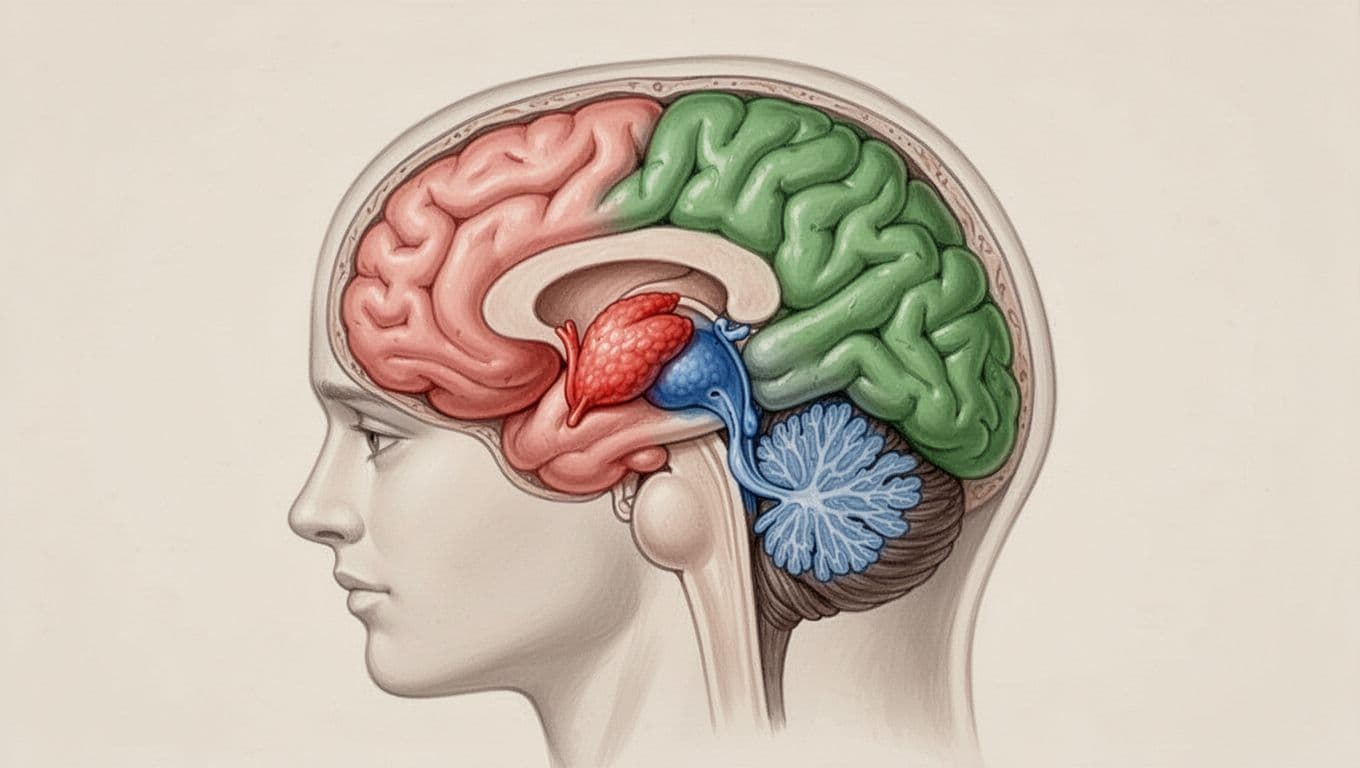
Trauma pushes the brain into survival mode. That’s useful during real danger, but exhausting when it sticks around. A simple way to picture it is a house with a smoke alarm, a librarian, and a manager.
The amygdala is the smoke alarm. It scans for threat and reacts fast. After trauma, it can become over-sensitive, so normal life triggers danger signals. That can look like jumpiness, irritability, or a constant “on edge” feeling.
The hippocampus helps file memories with time and place. When it struggles, memories can lose context. As a result, your body reacts as if the past is happening now. Sleep can suffer too, because the brain keeps checking for danger.
The prefrontal cortex helps you plan, calm down, and make sense of what’s happening. Under stress, it often goes quieter. That’s why you might go blank in an argument, struggle to find words, or make choices you later can’t explain.
These changes sit inside the limbic system and link closely with the nervous system. The classic survival responses are fight, flight, freeze, and fawn. Fight can look like sudden anger. Flight may show up as restlessness or overworking. Freeze can feel like stuckness or numbness. Fawn often looks like people-pleasing to keep the peace.
Why Flashbacks And Body Reactions Feel So Real
Trauma memories often come back as images, sounds, smells, or body sensations. They don’t always return as a clear story with a beginning and end. Because the alarm system fires, the brain can struggle to tag the memory as “over”.
For example, someone might feel their heart race in a supermarket after a near-miss car crash, because the noise and motion mimic danger. Another person might freeze during conflict at home, even when the other person isn’t shouting. In a meeting, you might go numb and struggle to speak, then feel ashamed later.
Those reactions are not “drama”. They’re the body doing its best to protect you.
The Nervous System’s Two Speeds: High Alert And Shutdown
A helpful frame is that your autonomic nervous system has two broad modes. One is sympathetic activation (high alert), which supports fight or flight. The other is shutdown (collapse or numbness), which can link with freeze.
Some therapists also refer to polyvagal theory, which highlights how cues of safety and connection can help the body move out of defence. The main point is simple: panic and numbness can both be trauma responses. Neither means you’re broken.
If your body reacts before you can think, it’s often a sign your alarm system learned danger too well.
Why Talking About It Sometimes Helps, And Sometimes Leaves You Stuck

Talking therapies can be powerful. They can help you name what happened, challenge blame, and build meaning. Trauma-focused therapies can also reduce symptoms for many people. Still, it’s common to understand your trauma and yet feel unchanged in your body.
A useful way to describe the difference is top-down versus bottom-up work. Top-down means starting with thoughts, words, and insight. Bottom-up starts with sensations, breath, posture, movement, and nervous system signals.
Talk therapy may not be enough when:
- Your body stays activated, even when you speak calmly.
- Stress pulls you out of language, so you can’t access what you know.
- Retelling becomes overwhelming, and your system goes into panic or shutdown.
- Dissociation makes it hard to feel anything, so sessions stay “in your head”.
- The work moves too fast, because pacing and trauma training vary.
This isn’t medical advice, and it’s not an attack on talking therapy. It’s a reminder that trauma can be stored as reaction, not just memory. If words haven’t worked so far, it’s not a personal failure.
When Retelling The Story Becomes Too Much
If a session brings up too much too quickly, you can get flooded. Flooding is when the body acts as if danger is happening again. Some people call this retraumatisation, although not every intense session causes harm.
Many trauma therapists aim to keep you within your window of tolerance, which means a zone where you can feel feelings without being overwhelmed.
Signs the pace may be too intense include shaking you can’t settle, nausea, zoning out, feeling unreal, or losing track of time. A safer pace can mean shorter pieces of the story, more grounding, and more time to settle at the end.
Why Understanding The Trauma Is Not The Same As Feeling Safe
Insight is valuable, but regulation is different. You can tell yourself, “I’m safe now”, yet your body still scans for threat. That gap is often where people feel stuck.
One missing link can be interoception, which is your ability to notice signals inside the body. Trauma can make those signals confusing. A normal fast heartbeat might feel like danger. A calm, quiet body might feel unfamiliar, even scary.
Bottom-up approaches build safety by helping the body learn, slowly, that the present is different from the past.
Somatic Experiencing, A Gentle Way To Help The Body Finish What Got Stuck

Somatic Experiencing (SE) is a body-based trauma therapy developed by Dr Peter A. Levine. The goal is to help the nervous system complete survival responses that got interrupted during threat, so the body can return to regulation.
SE doesn’t usually start with a full, detailed retelling. Instead, it focuses on present-time sensations. You might notice tightness, heat, numbness, or an impulse to move. With guidance, you track these signals in small doses, with lots of pauses.
The research base for SE looks promising, including studies showing reductions in PTSD and related symptoms. At the same time, study quality varies, and more high-quality research is still needed. In other words, SE isn’t magic, but many people find it helps when talk alone hasn’t shifted the body’s fear response.
The Core Skills: Titration, Pendulation, Regulation, And Discharge
SE often uses a few core skills, taught gently and with choice.
- Titration: taking “tiny sips, not a flood”, so you don’t get overwhelmed.
- Pendulation: moving attention between discomfort and ease, so the body learns flexibility.
- Regulation: practising ways to settle arousal, such as orienting to the room or feeling support under you.
- Discharge: a natural release that might look like yawning, warmth, shaking, tears, deeper breaths, or a sense of settling.
Discharge should feel manageable. Consent matters throughout, and you can pause or stop at any time.
What A Somatic Session Can Look Like In Practice
A session often begins with goals and safety. You might build resources first, such as picturing a supportive place, recalling a steadying memory, or grounding through contact with the chair.
Next, the therapist may invite you to track sensations, not to force feelings. You might also “orient” by noticing the room, light, and distance, because that can signal safety to the brain. Work tends to happen in small pieces, with time to settle before you leave.
Some practitioners use gentle touch, but it should always be optional, explained clearly, and easy to decline. Many people combine SE with counselling, CBT, or EMDR, depending on needs and preference.
Who Somatic Approaches May Suit, And When Extra Care Is Needed
Somatic approaches can suit people who feel stuck, have strong body reactions, live with long-term stress symptoms, or experience dissociation. They can also help those with complex trauma, where triggers feel “everywhere”.
Extra care is needed if someone has active substance dependence, acute psychosis, high suicide risk, or unstable medical issues. In those cases, specialist support and coordinated care matter.
In the UK, SE training exists, but the title “therapist” isn’t always regulated in one single way. Ask about trauma training, supervision, and professional registration where relevant (for example, with bodies such as BACP, UKCP, or HCPC, depending on the practitioner’s background).
Safe, Simple Body-Based Tools You Can Try Today (Without Pushing Yourself)

These practices are optional, and small is best. Stop if distress spikes, or if you feel worse afterwards. If symptoms are severe, seek professional support.
Grounding Through The Senses, Orientation, And Gentle Movement
Start with low-risk actions that bring you into the present.
- Orientation: look around and name five colours and three shapes, slowly.
- Feet on the floor: feel the heel, arch, and toes, then press down gently.
- Hands together: press palms lightly, notice warmth and pressure, then release.
- Slow head turns: turn your head a few degrees, pause, then return to centre.
- Short walk: notice contact points, heel then toes, and the swing of your arms.
These work because they offer the nervous system cues of safety and control. They also build body awareness without forcing deep feelings.
A Calm Plan For Getting Help That Fits Your Nervous System
If you want support, a simple plan can make the search less stressful. Look for someone who welcomes pacing, consent, and body awareness.
In a first call, you can ask: How do you keep sessions within a manageable level? What do you do if I freeze or dissociate? How do you end sessions so I feel steady? A good clinician should answer clearly and respectfully.
Track progress with practical markers: sleep quality, startle response, time to recover after stress, and how safe you feel in your body. NHS routes often begin with talking therapies, while private options may include somatic work. Some people use both, because top-down and bottom-up approaches can complement each other.
Healing often looks less like “a big breakthrough” and more like your body coming back online, bit by bit.
Conclusion
Trauma changes how the brain and nervous system respond to the world. That’s why talk therapy can help, yet still not reach the body’s alarm system. Somatic Experiencing offers a gentle way to build safety through sensation, pacing, and choice.
If you’re not getting better through words alone, nothing about that is a character flaw. Pick one tiny grounding practice and try it daily for a week, or book a consultation with a trauma-trained practitioner to discuss options that suit your nervous system.
FAQ
What Is Somatic Experiencing In Simple Terms?
Somatic Experiencing is a body-based therapy for trauma. It focuses on sensations and nervous system regulation, rather than detailed retelling. The aim is to help the body settle and feel safe again.
Can Somatic Experiencing Help If I Don’t Remember Much?
Yes, it can. SE often works with present-time body signals, even when memories are vague. Still, it’s important to work with a trained practitioner, especially if you dissociate.
Is Talk Therapy Useless For Trauma?
No. Many people benefit from trauma-focused talking therapies. The issue is that under stress, the body may stay on high alert, so adding body-based support can help.
What Does “Discharge” Mean In Somatic Therapy?
Discharge is a natural release of stress from the nervous system. It can show up as yawning, shaking, warmth, tears, or deeper breathing. It should feel manageable, not scary or out of control.
How Do I Know If Therapy Is Moving Too Fast?
You might feel flooded, numb, unreal, or unable to think clearly. You may also feel worse for days after sessions. A safer pace includes more grounding, smaller steps, and a steady finish.
Can I Combine Somatic Experiencing With EMDR Or CBT?
Often, yes. Many people use somatic work alongside EMDR, CBT, or counselling. A clinician can help you choose the order and pacing that best supports your nervous system.
Leave a Reply