

Rapamycin was first used as an immunosuppressant in transplant medicine, yet it later became one of the most studied lifespan extending drugs in animals. That odd career change makes sense once you understand mTOR, short for the mechanistic target of rapamycin.
mTOR is a cell signalling hub that helps your body decide when to grow and when to repair. That’s why it keeps coming up in fitness, fasting, diabetes, cancer research, and longevity.
This post explains what mTOR does, why ageing researchers care about it, and how food and drugs such as rapamycin can shift it. It will not claim proven human lifespan extension, because as of Feb 2026, we don’t have that evidence. Any drug discussion also comes with a simple rule: don’t self prescribe, use medical supervision.
Key takeaways
- mTOR is a growth and repair controller that responds to nutrients, insulin, and energy status.
- mTORC1 is the nutrient sensitive “build” mode most linked to ageing biology.
- mTORC2 supports cell survival and insulin signalling, and stronger inhibition can affect it too.
- Constantly high mTOR signals can mean less time for cellular clean up and repair.
- Protein (especially leucine) and insulin tend to push mTORC1 upwards after meals.
- Fasting windows and calorie reduction usually lower mTORC1 signals and increase clean up activity.
- Autophagy is the cell’s recycling system, it clears worn out parts and helps stress resistance.
- Rapamycin blocks mTOR signalling, but benefits in animals do not automatically mean longer human life.
- The biggest cautions are side effects, drug interactions, and the need for monitoring if prescribed.
What mTOR Does In Your Cells (And Why It Matters In Daily Life)
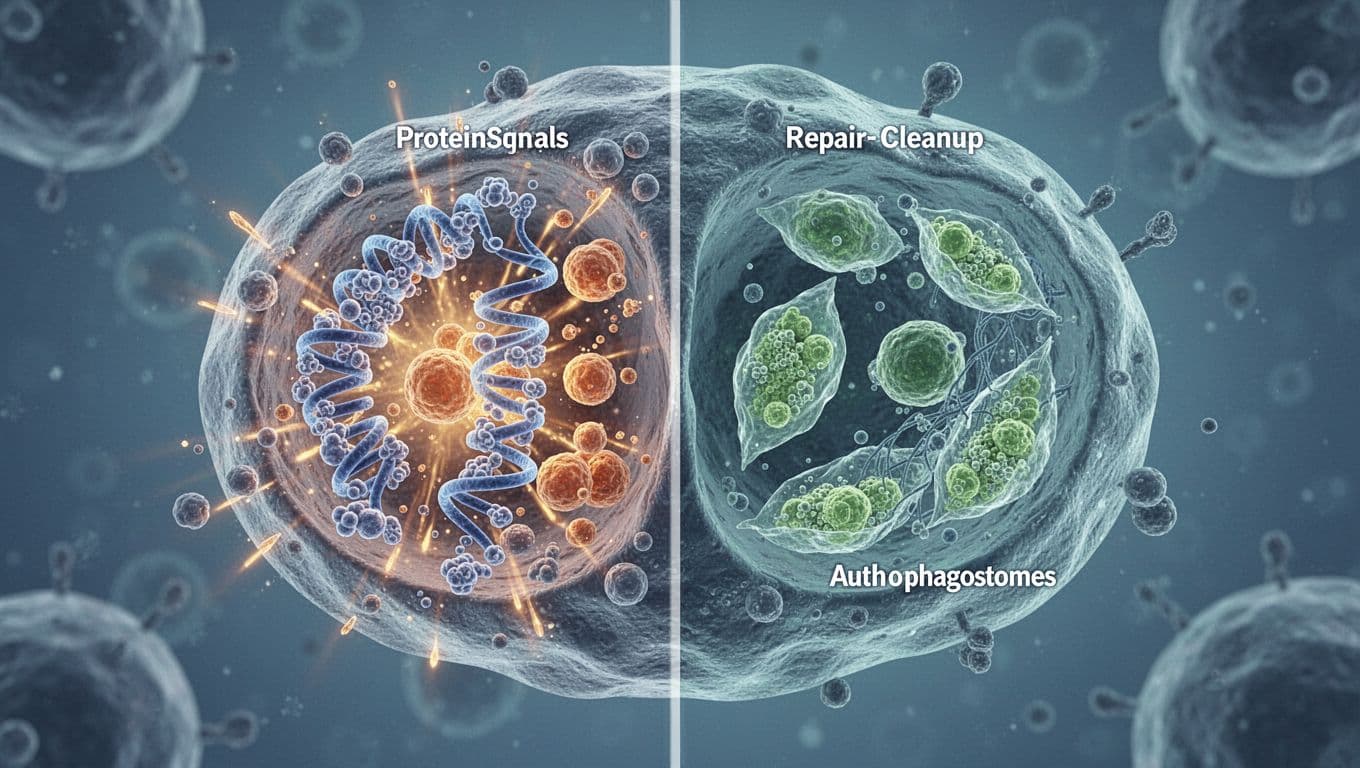
Think of mTOR like a set of traffic lights at a busy junction. When the light stays green, cells keep building, dividing, and making proteins. That’s useful after a hard training session, during growth, or while healing a wound. When the light turns red for a while, cells slow the building work and spend more time on upkeep.
In practical terms, mTOR helps decide whether your body prioritises growth (muscle protein synthesis, tissue building, immune cell expansion) or maintenance (repair, recycling, stress resistance). Neither is “good” or “bad” on its own. Problems tend to show up when the balance gets stuck.
When mTOR signals stay high for long periods, the body can act like it’s always in building mode. That can be fine in short bursts. Over years, especially later in life, always pushing growth can leave less time for housekeeping. That’s one reason researchers link mTOR to ageing and age related disease risk.
mTORC1 Vs mTORC2, The Two “Modes” People Mix Up
mTOR works through two main complexes, called mTORC1 and mTORC2. mTORC1 responds strongly to nutrients, especially amino acids, and to insulin related signals. It ramps up protein production and tends to dial down autophagy (the clean up process).
mTORC2 is less about meal by meal nutrients and more about longer term cell survival signals. It also plays a role in insulin signalling and metabolism in certain tissues.
Most “longevity” talk focuses on turning down mTORC1, not shutting down mTOR completely. That difference matters, because stronger or longer inhibition, including with drugs, can affect mTORC2 as well. When that happens, the risk profile can change.
Autophagy, Your Built In Clean Up Crew
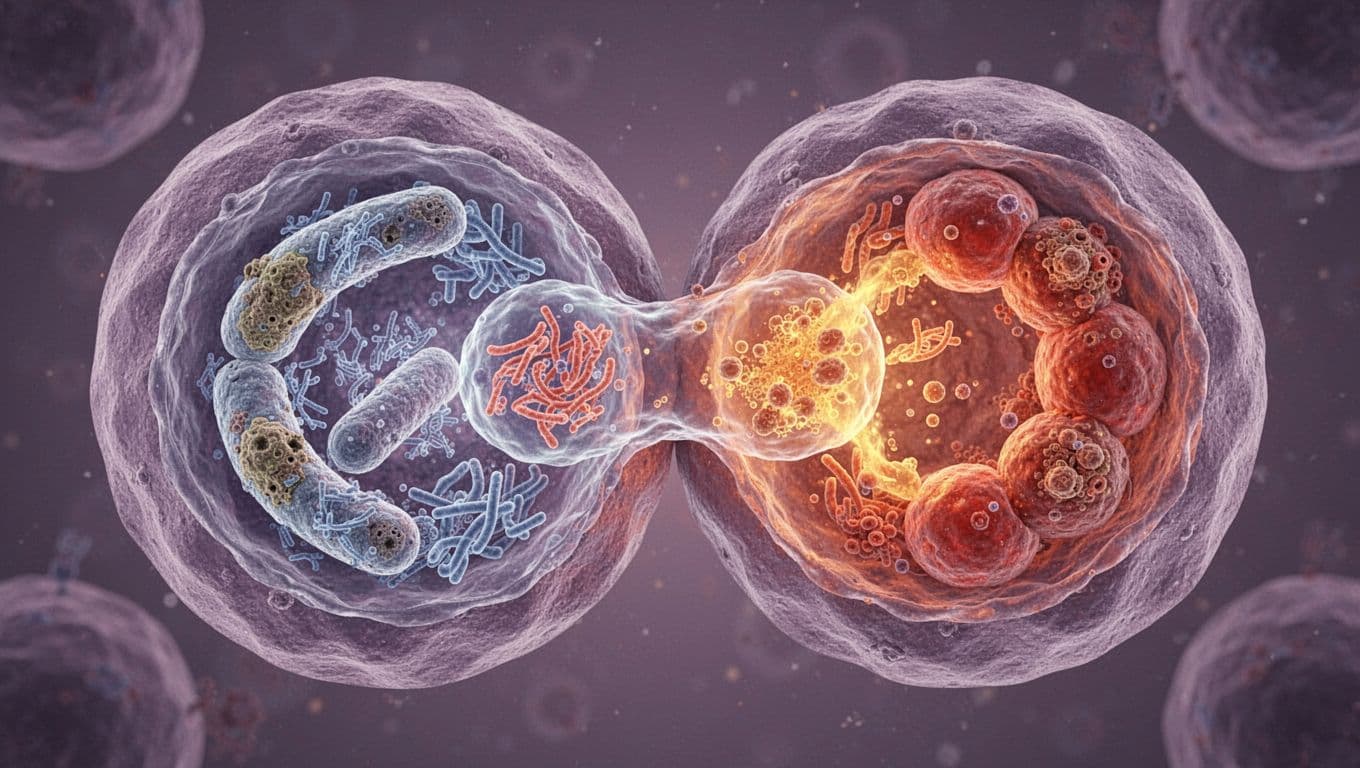
Autophagy is your cells’ recycling service. Old proteins, damaged mitochondria, and other worn out parts get bundled up, broken down, and reused. It’s one way cells reduce clutter and keep working well under stress.
High mTORC1 activity usually means less autophagy. Lower mTORC1 activity often means more clean up. That connection is a big reason fasting, calorie restriction, and rapamycin end up in the same conversation.
Why does it matter day to day? Because “cell junk” can feed inflammation signals and reduce how well tissues bounce back. More clean up doesn’t mean you’ll live forever, but it can support resilience, especially as you age.
A helpful mental model: eat, train, and recover in a way that gives your body time to build, and time to clear the rubbish.
mTOR And Ageing, Why “Too Much Growth” Can Speed Up Wear And Tear
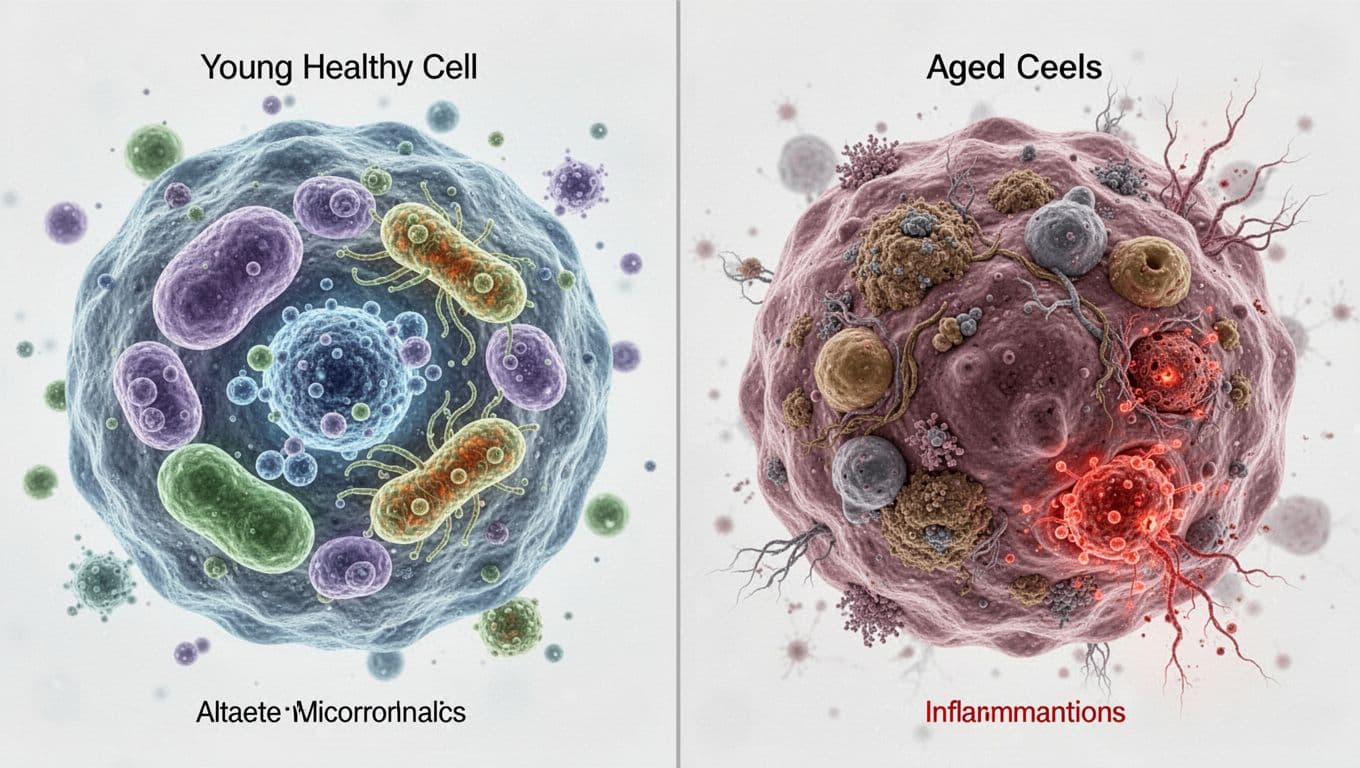
When you’re young, growth signals are a feature, not a bug. They help you develop, heal, and adapt to training. Later on, the same “keep building” message can become less helpful if it crowds out repair.
Ageing biology often comes back to this trade. Too much growth signalling can mean more cell stress, more senescent cells (cells that stop dividing but still send signals), and less time for maintenance. That doesn’t mean mTOR causes ageing on its own. It’s one part of a wider network that includes insulin, inflammation, and energy sensing pathways.
The evidence base also has a clear shape. In lab organisms and mice, lowering mTOR signalling, especially via mTORC1, can extend lifespan and improve markers of healthspan. In humans, we have early signals from small trials, but we don’t yet have proof of longer life.
Where The Longevity Evidence Is Strong, And Where It’s Still Guesswork
Animal research is the strongest area. Across multiple species, rapamycin and related approaches often extend lifespan and improve late life function. Researchers also see benefits when treatment starts later in life in animal models, which is part of the excitement.
Human evidence is narrower. Studies in older adults suggest rapamycin or rapalogs may improve immune related outcomes, and some trials report shifts in biomarkers linked with ageing. However, follow up times are short, sample sizes are limited, and endpoints are usually not “living longer”.
Unknowns still dominate the practical questions. We don’t know the best schedule, who benefits most, or what decades of use would do in generally healthy people.
The Big Trade Off, Muscle And Metabolism Versus Long Term Repair
People worry about one thing for good reason, if you turn mTOR down too far, you may pay a price. mTOR supports muscle building, recovery, and normal immune responses. If signalling stays too low, some people could struggle with strength gains, wound healing, or energy.
On the other hand, keeping mTOR high all day, every day can reduce time for maintenance. That’s why “cycles” make sense as a general approach. Let mTOR rise around protein meals and resistance training, then allow long gaps for recovery, sleep, and cellular clean up.
How Food And Lifestyle Signals Turn mTOR Up Or Down
mTOR listens to a few main inputs. Amino acids signal that building blocks are available. Insulin signals that energy is coming in. Total energy balance matters too, because surplus tends to push growth, while scarcity pushes conservation and repair. Stress signals and exercise also feed into the system.
The goal usually isn’t “mTOR off”. It’s appropriate mTOR for your age, training, and health. A 25-year-old doing hard strength work needs different signals than a 70-year-old trying to stay strong and mobile.
If you have a medical condition, speak to a clinician before major fasting or diet shifts. That matters even more if you use glucose lowering medicines.
Protein, Leucine, And Why Some Meals Feel More “Anabolic”
Protein, especially leucine rich protein, tends to activate mTORC1 after meals. That’s one reason whey, dairy, eggs, and many meats support muscle protein synthesis. It’s also why plant based eaters often pay more attention to protein quality and total intake.
Meal pattern changes the signal. Evenly spaced protein meals often create repeated “build” pulses across the day. One huge protein hit late at night creates a different pattern, which may not fit sleep or appetite well for some people.
Older adults often need enough protein to protect muscle and function. In that context, cutting protein hard to “lower mTOR” can backfire. A better aim is meeting protein needs, then creating natural down time between meals.
Insulin, Carbs, And Energy Surplus, The Other Side Of The Switch
Insulin is not an enemy, it’s a normal hormone. Still, high insulin most of the day can keep growth signalling elevated, especially when paired with a calorie surplus.
Carbs can fit a healthy diet, particularly around training. The issue is often the pattern, constant grazing, sweet drinks, and snacks that never let signals drop. Simple habits can help without obsessing. Defined meals, fewer ultra processed snacks, and finishing eating a bit earlier in the evening often create longer gaps.
Sleep also shapes insulin sensitivity. So, if your sleep is poor, diet tweaks may feel harder than they should.
Fasting And Calorie Restriction, Why Less Food Often Means More Repair
When you stop eating for a while, nutrient signals fall. As a result, mTORC1 activity often drops and autophagy tends to increase. Calorie restriction across the week can have a similar effect, although it’s harder to do well.
Safer options usually beat extreme protocols. A consistent overnight fast, for example 12 hours between dinner and breakfast, is a gentle way to create daily down time. Longer fasts may have stronger effects, but they also raise the risk of overeating later, low energy, or sleep disruption.
Some people should not fast without medical advice. That includes pregnancy, being underweight, a current or past eating disorder, teenagers, and anyone using certain diabetes medicines.
Rapamycin And Rapalogs, What They Do, What We Know, And The Real Risks
Rapamycin (also called sirolimus) inhibits mTOR signalling. Clinicians have used it for years, mainly to suppress the immune system after organ transplant, and in other specific conditions. That background is important, because it shows the drug can have serious effects at higher or continuous doses.
Longevity interest focuses on lower, often intermittent dosing schedules, aiming to reduce mTORC1 signalling without the same level of immune suppression. Even then, this is prescription only territory. Off label use for ageing is not proven, and it should be clinician led with proper monitoring.
In plain terms, dose and schedule matter because blocking too much mTOR for too long can shift the benefit risk balance.
Why Rapamycin Gets So Much Attention In Longevity Research
Rapamycin sits at the centre of ageing biology because it targets a pathway that links nutrients to growth. In animals, mTOR inhibition extends lifespan more reliably than most other drug candidates, and it often improves late life function.
Human trials are smaller and shorter, but some results look encouraging. Studies in older adults and other groups have reported changes in immune related outcomes and some ageing linked biomarkers. Even so, these outcomes are not the same as “you’ll live longer”.
As of Feb 2026, the honest view is simple. Rapamycin is promising, yet the big questions on long term safety and best use remain open.
Side Effects And Safety, What People Often Miss Online
Side effects can show up even at low doses, and they can vary a lot by person. People often talk about benefits online and skip the boring parts, which are the labs, interactions, and follow up.
Common, dose related issues include mouth ulcers, slower wound healing, lipid changes, and possible changes in glucose control. At higher or continuous dosing, infection risk rises because of immune suppression. Rapamycin can also interact with other medicines, which can raise levels unexpectedly.
If a clinician prescribes it, baseline blood tests and repeat monitoring matter. Don’t start, stop, or pause around surgery without medical guidance.
If someone sells rapamycin as a simple longevity shortcut, treat that as a warning sign.
FAQ
Is mTOR good or bad?
mTOR is essential for normal growth, recovery, and immune function. The problem is usually too much activation for too long, especially with age. Balance beats extremes.
What is the difference between mTORC1 and mTORC2?
mTORC1 responds strongly to nutrients and drives growth while reducing autophagy. mTORC2 supports cell survival and insulin signalling. Stronger or longer inhibition can affect both, which can change risks.
Does fasting always lower mTOR?
Fasting often lowers nutrient signals and reduces mTORC1 activity. However, the effect depends on fast length, training load, and what you eat before and after. Safety and context matter more than strict rules.
Will eating less protein help me live longer?
Lower protein can reduce mTORC1 signalling, but too little protein risks muscle loss and weakness. That risk rises with age. Aim for enough protein, then use meal timing and overall energy balance to create down time.
Can I “hack” mTOR with supplements?
Most supplements have weaker and less certain effects than diet, sleep, and resistance training. Claims often run ahead of evidence. Start with basics before spending money chasing marginal gains.
Is rapamycin legal and can my GP prescribe it for longevity?
Rapamycin is a legal prescription medicine. Longevity use is off label and not standard care, so access depends on clinician judgement and local practice. If prescribed, monitoring is part of safe use.
What are the biggest rapamycin side effects at low doses?
Mouth sores, lipid changes, and slower healing can still happen. Some people also notice fatigue or glucose changes. Drug interactions are a major safety issue, so clinician oversight matters.
How long would it take to see any benefit from mTOR targeting changes?
Meal timing and training can shift mTOR signalling quickly. Meaningful changes in strength, body composition, or blood markers usually take weeks to months. Lifespan claims need long studies, and we don’t have them yet.
Conclusion
mTOR is a master growth regulator, it helps decide when your cells build and when they repair. Ageing research suggests constant “growth mode” may raise wear and tear over time, while regular breaks support clean up and recovery. The safest ways to influence mTOR are boring but reliable, strength training, sensible meal timing, good sleep, and improving metabolic health.
Rapamycin remains one of the most interesting mTOR targeting drugs, but it’s not a DIY longevity plan. If you want a calm next step, pick one change you can keep, such as a consistent overnight fasting window, a simple resistance training routine, or a clinician led discussion about risks if you’re considering any medication. Track recovery and energy, then adjust with balance in mind.
Leave a Reply