-

·
Epigenetic Clocks Explained: How To Measure Your True Biological Age
Identical twins can end up ageing at different rates, even when they share the same DNA. That’s the basic clue behind epigenetic clocks. They try to estimate biological age, meaning how “old” your body seems, rather than how many birthdays you’ve had. These tests can be useful, especially if you want a clearer view of…
-

·
Telomeres And Ageing: Can You Really Lengthen Your Lifespan?
A reported 117-year-old woman had unusually short telomeres, yet other signs suggested her cells were not simply “worn out”. That’s a useful reality check, because telomeres matter, but they don’t act like a single countdown timer for lifespan. Telomeres are the little protective tips on the ends of your chromosomes, a bit like the plastic…
-

·
The Nine Hallmarks Of Ageing: A Practical Roadmap To Longevity
Ageing doesn’t come from one “ageing gene”. It comes from several kinds of damage and stress that build up, then start to reinforce each other. Researchers often use the nine hallmarks of ageing as a map of what pushes the body from smooth repair to slow decline. It’s not a perfect map, but it’s a…
-

·
Exercise For Longevity: HIIT Vs LISS Vs Strength Training (And How To Combine Them)
One of the most useful things we’ve learnt about longevity lately is surprisingly simple: doing a wider mix of activities seems to help, even if you don’t add more total exercise time. A large study published in BMJ Medicine (Jan 2026) reported that people who did a broader range of activities had a lower risk…
-

·
The Ivy Lee Method: The 100-Year-Old Productivity Secret That Still Works
In 1918, a steel company boss tried a simple daily list, then wrote the consultant a cheque for $25,000 because it worked. That story has survived for a reason. Most days, the problem isn’t a lack of apps or advice. It’s the long to-do list, the constant pings, and the “busy but not much done”…
-
·
The Neuroscience Of Procrastination: Why We Do It And How To Stop
About 20% of adults are chronic procrastinators, and many more put things off most weeks. That’s a lot of people staring at the same email draft, unopened bank letter, or half-started assignment. If that sounds familiar, the useful point is this: procrastination is rarely a character flaw. It’s often a brain and emotion problem. Your…
-

·
A Plain-English Guide To Psilocybin-Assisted Therapy Sessions In Clinical Research
In clinical research, a psilocybin session is rarely “one appointment where you take a drug”. The dosing day is usually wrapped in several therapy visits, careful checks, and structured follow-ups. This guide explains what typically happens before, during, and after a supervised psilocybin-assisted therapy session in a research study. It’s not about retreats or self-use,…
-
·
Metacognition For Skill Practice: A Simple Session Structure That Speeds Up Progress
Most people don’t stay stuck because they lack talent, they stay stuck because practice turns into repetition without thought. That’s where metacognition helps. It’s a simple idea: thinking about how you learn while you practise. When you use it, you start acting like your own coach. You set a clear goal, watch what’s happening, then…
-

·
Top 10 Brain Foods for Long-Term Cognitive Health (Backed by Nutrients Your Brain Uses Daily)
Long-term cognitive health doesn’t come down to one “magic” ingredient. It builds over time, shaped by habits, sleep, movement, social contact, and, yes, what ends up on the plate. Food can’t promise perfect memory or a sharp mind forever, yet it can supply the raw materials the brain relies on every day. The brain is…
-

·
10 Things to Do After 60 to Keep Your Brain Young and Adaptable (Evidence-Based, Practical Habits)
Some centenarians stay sharp longer than most people think. Better yet, dementia may take less time at the very end for those who reach 100 than for people in their 90s. A 2025 Harvard study using data from US Alzheimer’s centres found about 1.1 years versus 2.4 years on average. In other words, the brain…
-

·
Top 10 Science-Backed Habits to Slow Biological Aging (What Research Consistently Supports)
Slowing ageing isn’t only about looking younger, it’s about keeping cells, blood vessels, muscles, and the brain working well for longer. Researchers often track this through signs like inflammation, insulin control, cardiovascular health, sleep quality, and even measures linked with “biological age” rather than calendar years. No single habit flips a switch. Instead, studies keep…
-

·
Microdosing vs Placebo: What the Double-Blind Trials Actually Show
In the best-known blinded microdosing study, people reported feeling better even when they took placebo. That one detail changes how you read almost every microdosing story online. Microdosing psychedelics gets talked about as a quiet boost for mood, focus, and creativity. Yet when researchers remove guesswork with double-blind methods, the headline is less dramatic. So…
-

·
Can You Hack Your Circadian Rhythm? Melatonin, Light, and Temperature Protocols
A bright phone screen late at night can tell your brain it’s still daytime, even if you feel exhausted. That matters because light at night can shift your circadian rhythm, which then shifts when you naturally feel sleepy and alert. Your circadian rhythm is your body’s 24-hour timing system, it helps set sleep, hormones, temperature,…
-
·
Microdosing: A Look At The Current Scientific Literature (Feb 2026)
Microdosing has become mainstream enough that respected research groups now study it, yet strong proof of benefits still looks thin. That contrast is the story so far. In plain terms, microdosing means taking a very small amount of a psychedelic, most often LSD or psilocybin, with the aim of avoiding a full “trip”. People usually…
-

·
The Placebo Effect: In Your Head, In Your Body, And Why It Matters
Brain scans can show real shifts in activity when someone expects relief, even if the “treatment” has no active drug. That simple fact changes the tone of the placebo debate. The placebo effect is when a person’s symptoms improve because they expect a treatment to help. So, is it “all in your head”? In one…
-
·
Red Light Therapy: What Does The Data Actually Say?
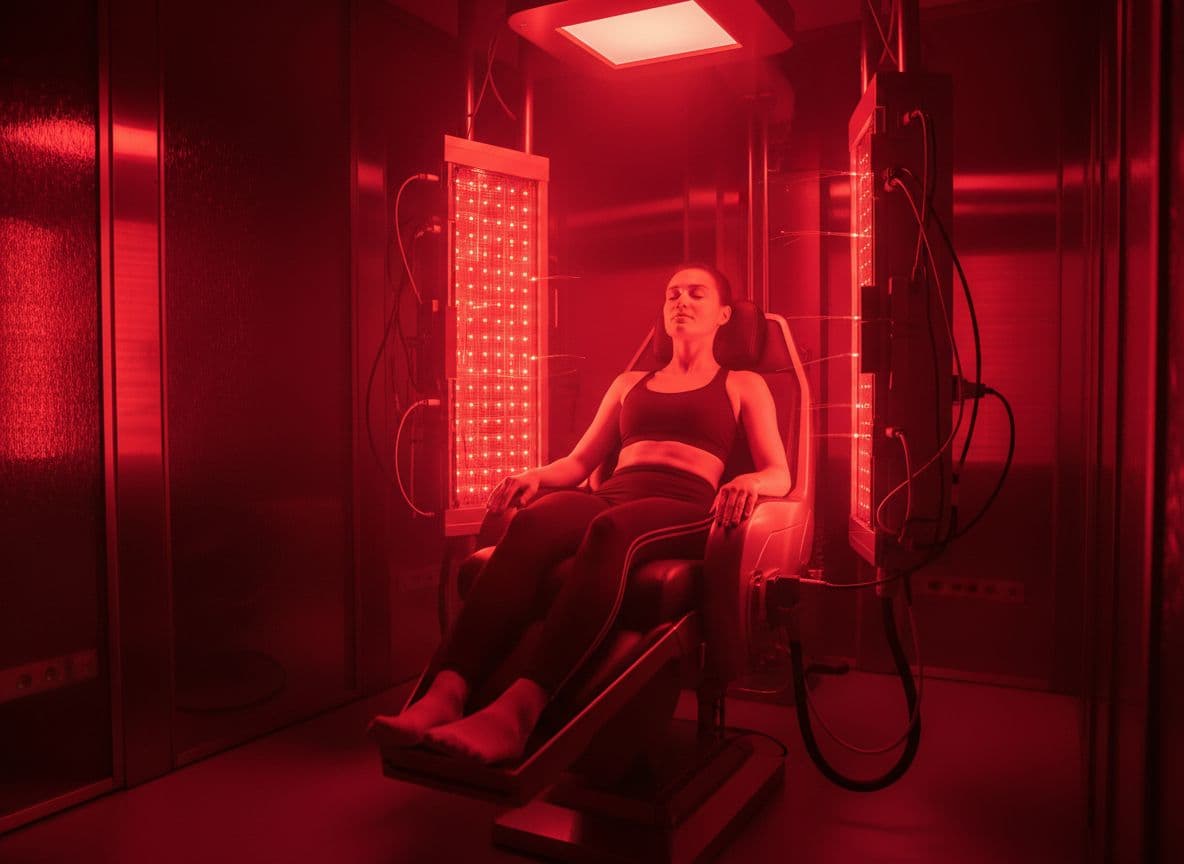
Red light therapy turns up in real clinics, not just on social media, but the most popular promises often outpace what studies can prove. In plain terms, red light therapy (RLT) means exposing the body to red and near-infrared light, usually from LEDs, for a set time and distance. The idea is simple, but the…
-

·
The Spotlight Effect: Why We Think People Are Looking (And Why They Aren’t)
In a classic psychology study, people thought about half a room would notice their embarrassing T-shirt, yet only around a quarter did. That gap captures something most of us feel, then forget. You spill coffee on your top, stumble over a word in a meeting, or trip on the pavement. Instantly, it feels like every…
-

·
The Zeigarnik Effect: Why Unfinished Tasks Haunt Your Mental Bandwidth
People often recall interrupted tasks more clearly than the ones they finished, even when they want to switch off. If your head feels crowded by half-done jobs, it’s not a character flaw. It’s a common brain pattern called the Zeigarnik Effect. In plain terms, unfinished tasks stay mentally “open”, so they keep tugging at your…
-

·
Stacking Keystone Habits: One Routine That Triggers A Cascade Of Positive Behavior
Exercise is one of the most studied everyday habits, and it often changes sleep and eating even when people don’t set out to fix either. That’s the strange power of a keystone habit, one routine that nudges lots of other choices in the right direction. A keystone habit is a single habit that makes other…
-

·
Deep Dive: Analysing the Latest Study on Lion’s Mane (Jan 2026)
A lot of Lion’s Mane claims online trace back to small studies, older trials, or lab work, not large modern human trials. That matters, because a petri dish can’t tell you if you’ll remember names better next week. This post breaks down a January 2026 Lion’s Mane study published in Immuno (9 Jan 2026). It…