-

·
The PARA Method Organising Your Life For Action
Estimates often put time spent searching for work information at about 1.8 to 3.6 hours a day, depending on the role and tools. Even if your number is lower, the feeling is familiar. Notes end up in five places. Files sit in random folders. Browser tabs multiply. Messages hold “important” details you’ll forget to save.…
-

·
The Neuroscience Of Procrastination: Why We Do It And How To Stop
An estimate suggests around 20% to 25% of adults chronically procrastinate, even when it clearly backfires. That doesn’t mean you’re broken, it means you’re human. Most procrastination isn’t a time problem, it’s an emotion problem. When a task feels stressful, boring, unclear, or risky, your brain tries to protect you from that discomfort. A simple…
-
·
Train Your Amygdala: Exercises For Anxiety Relief That Rewire The Alarm System
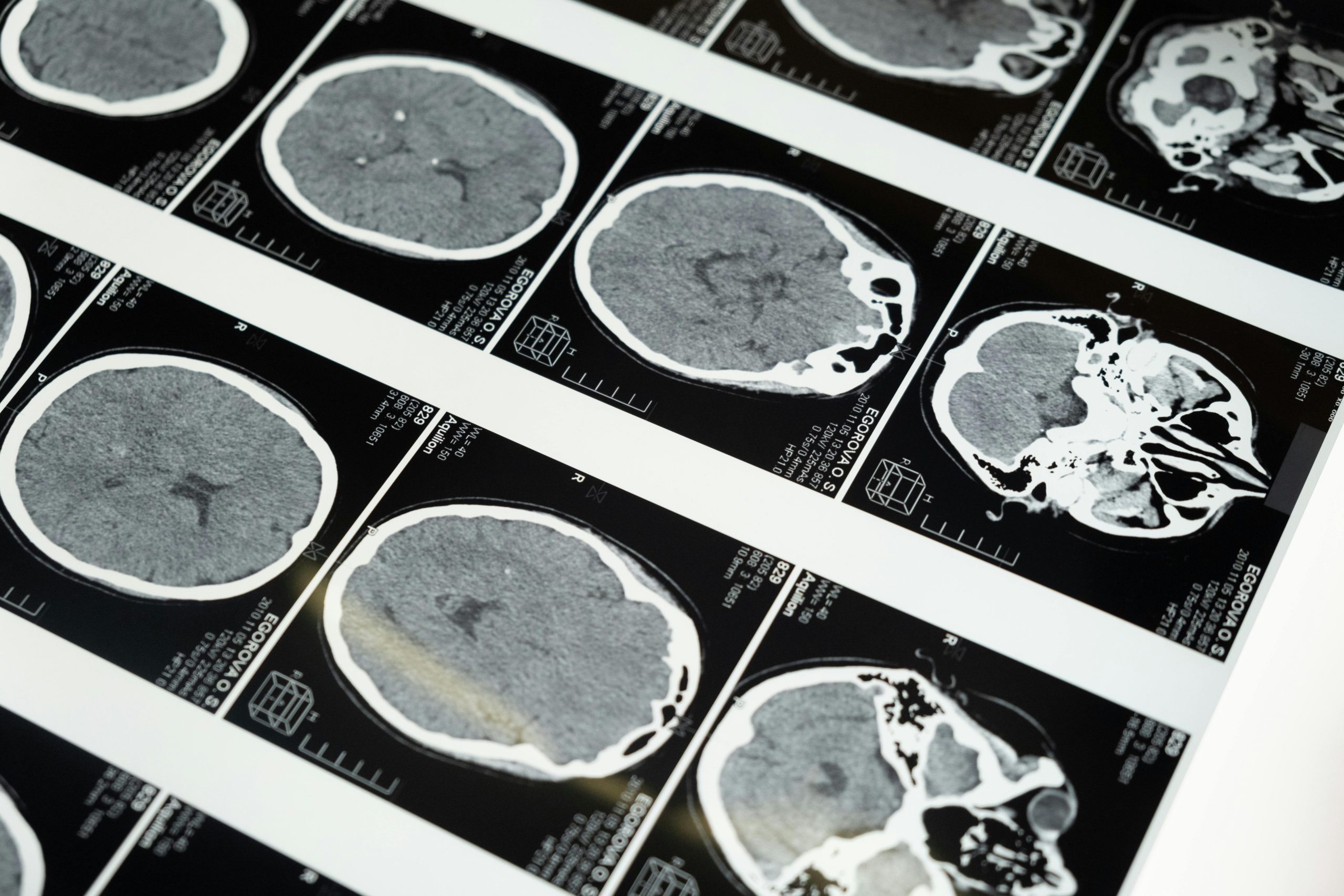
Your amygdala can learn safety through repeated, safe experiences, even after it’s learnt fear. That’s why anxiety can reduce over time when you practise the right skills, in small doses, again and again. This post gives you simple amygdala training exercises for anxiety relief you can do anywhere. Some calm the body fast. Others teach…
-

·
Learn Your Chronotype: The Best Time For You To Sleep
Most people can feel wide awake at 22:30, while someone else is fighting sleep at 21:00. That isn’t a character flaw, it’s biology. If you’re forcing the wrong sleep schedule, life can feel like permanent jet lag. You might “do everything right” and still wake up groggy, crave caffeine too late, or hit a wall…
-

·
Telomeres 101: How to Keep Your DNA Young
Every time one of your cells divides, a tiny piece of your telomeres is lost. Over a lifetime, this adds up – by age 60, your telomeres might be only half as long as they were when you were born. This gradual shortening is a normal part of ageing, but research shows that how you…