
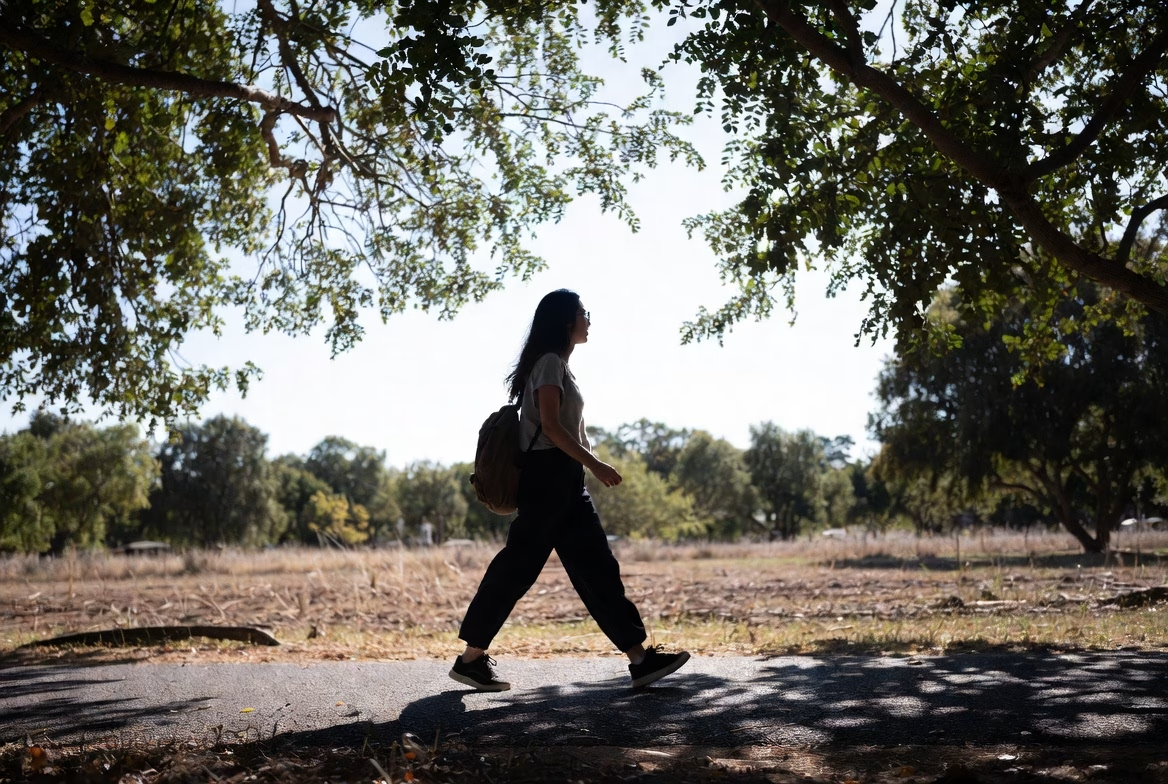
Nearly half of all adults in the UK do not meet the recommended weekly physical activity targets. Yet, one of the simplest forms of movement—walking—holds surprising power for our minds. It is not just about physical health. Regular walking can directly improve your working memory and unlock creative thinking. This connection between a basic activity and complex brain function offers a practical tool for anyone looking to solve problems or generate new ideas.
Key Takeaways
- A short walk can increase blood flow to the brain, delivering the oxygen and nutrients it needs to function at its best.
- Walking helps manage stress hormones, creating a calmer mental state that is better for focused thought and memory recall.
- The rhythmic, repetitive nature of walking can free up your conscious mind, allowing subconscious connections and ideas to surface.
- Studies show that walking, especially outdoors, can lead to a measurable improvement in performance on creative thinking tasks.
- Physical activity stimulates the growth of new neurons in the hippocampus, a brain region critical for memory and learning.
- You do not need to walk for hours; even a 10 to 20 minute stroll can provide a noticeable cognitive boost.
- Combining walking with a change of scenery, like a park, can amplify the creative benefits by providing novel stimuli.
- Making walking a regular habit builds a long-term foundation for sharper cognitive function and mental flexibility.
The Science of Movement and Mind
Our brains are energy-intensive organs, using about 20% of the body’s oxygen and calories. When we walk, our heart rate increases, pumping more oxygen-rich blood throughout the body, including the brain. This enhanced circulation delivers vital fuel and clears out metabolic waste products. Think of it like opening a window in a stuffy room. The fresh air—or in this case, blood—helps your neural networks operate more efficiently. This basic physiological effect is the first step toward clearer thinking.
Walking and Working Memory
Working memory is your brain’s notepad. It holds information temporarily, like a phone number you are about to dial or the steps in a complex task. Research indicates that aerobic exercise, including brisk walking, strengthens this system. It appears to improve the communication between different brain regions involved in attention and executive control. After a walk, you might find it easier to follow a conversation while cooking, or to hold several pieces of a project in your mind at once. The activity essentially tunes up the brain’s capacity for handling immediate information.
The Creative Spark of a Stroll
Creativity often involves making novel connections between seemingly unrelated concepts. Walking facilitates this in a few ways. First, the mild, rhythmic activity can induce a state of relaxed focus. This state quietens the brain’s default mode network, which is active during rumination and worry, and allows more diffuse, associative thinking to occur. Many people report that solutions to stubborn problems simply “pop” into their heads while walking. The act of moving forward can metaphorically and literally help you move past mental blocks.
Why Environment Matters
Where you walk can influence the cognitive payoff. Walking in a natural environment, like a park or along a tree-lined path, offers a bonus. This “green exercise” combines the benefits of physical movement with the restorative effects of nature. Natural settings provide gentle, involuntary attention—watching leaves rustle or clouds drift—which gives your directed, problem-solving attention a chance to rest and recover. This break can lead to greater mental clarity and renewed creative energy when you return to your work.
The Role of Stress Reduction
Chronic stress is a known enemy of both memory and creativity. It floods the brain with cortisol, a hormone that can impair cognitive function over time. Walking is a powerful, natural stress reliever. It helps lower cortisol levels and stimulates the production of endorphins, the body’s natural mood elevators. By reducing background anxiety and mental clutter, walking creates the calm, open mental space where ideas can grow and where memories can be formed and retrieved more easily.
Building a Sustainable Habit
The best part about using walking for cognitive boost is its accessibility. You do not need special equipment or a large time commitment. Start by integrating short walks into your daily routine. Try a 15-minute walk before a brainstorming session or after lunch to combat the afternoon slump. Consider having “walking meetings” for one-on-one chats instead of sitting in a room. The goal is consistency, not intensity. Making movement a regular part of your day builds a foundation for long-term brain health.
Combining Movement with Mental Tasks
You can actively direct your walk toward a creative or memory challenge. For instance, if you are stuck on a problem, state it clearly in your mind as you begin your walk, then let it go. Do not force a solution. Just walk and observe your surroundings. Often, an insight will arrive unbidden. To exercise working memory, you could try memorising a short list or a few key points from a report, then rehearse them during your walk. The combination of light physical activity and mental rehearsal can strengthen recall.
Conclusion
Walking is far more than a way to get from one place to another. It is a simple, free, and profoundly effective tool for enhancing your mind. By improving blood flow, reducing stress, and fostering a state of relaxed awareness, walking directly supports the brain functions we rely on for memory and innovation. The next time you face a mental block or need to sharpen your focus, the solution might be as straightforward as stepping outside and putting one foot in front of the other. Your brain will thank you for the journey.
FAQ
What is working memory?
Working memory is the part of your short-term memory that actively holds and manipulates information for a brief period. It is what you use when you are doing mental arithmetic, following multi-step instructions, or keeping a new idea in mind while you write it down.
How long do I need to walk to see benefits?
Cognitive benefits can begin with walks as short as 10 to 20 minutes. For more sustained improvements in memory and creativity, aim for a brisk walk of 20 to 30 minutes, several times a week. Consistency is more important than any single, long session.
Is walking outdoors better than on a treadmill?
Walking outdoors often provides greater benefits for creativity. The changing scenery, fresh air, and connection with nature offer more novel stimuli for your brain. However, a treadmill walk is still excellent for boosting circulation and working memory if outdoor options are limited.
Can walking help if I have a very busy mind?
Yes, absolutely. The rhythmic pattern of walking can have a calming, almost meditative effect on a busy mind. It helps shift your brain out of a state of anxious, circular thinking and into a more open and receptive state, which is ideal for problem-solving.
What if the weather is bad?
Poor weather does not have to stop you. Dressing appropriately for a short walk can be invigorating. Alternatively, walking indoors in a large space like a shopping centre or museum, or even pacing in a room while thinking, can still provide many of the same cognitive benefits.
Should I walk without any distractions?
For maximum creative and memory benefits, it is generally best to walk without listening to podcasts, music, or making phone calls. This allows your mind to wander freely and make its own connections. However, listening to an audiobook on a routine walk can be a good way to learn if creativity is not your immediate goal.
How quickly will I notice improvements?
Some people notice an immediate lift in mood and clarity right after a walk. Measurable improvements in working memory and creative output often become more apparent after a few weeks of making regular walking a consistent habit.
Is there a best time of day to walk for ideas?
The best time is often when you feel a mental slump or need a creativity boost. Many people find a morning walk sets a positive tone for the day, while an afternoon walk can overcome post-lunch fatigue. Experiment to see what time works best for your personal rhythm and schedule.
Leave a Reply