
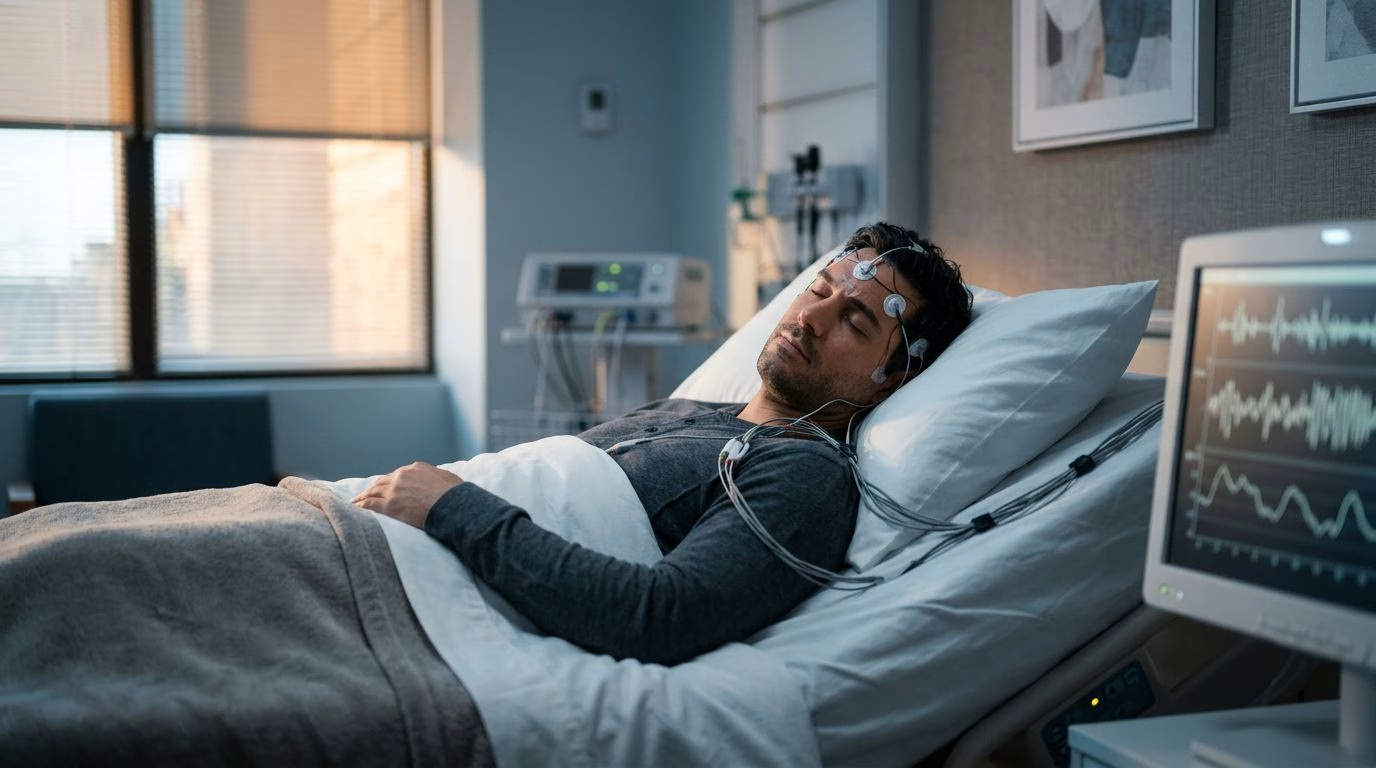
A person can feel awake during a nap yet show clear sleep on the recording. A multiple sleep latency test measures your sleep latency, rather than how rested you think you feel.
If excessive daytime sleepiness affects work, school, driving, or family life, this test can provide useful answers. The American Academy of Sleep Medicine defines a standardised protocol with planned naps, so careful preparation matters as much as the test itself.
Key takeaways
- A multiple sleep latency test measures how quickly you fall asleep during planned daytime naps.
- Sleep clinics use it to help assess narcolepsy and idiopathic hypersomnia, both linked with excessive daytime sleepiness.
- Most people complete five nap trials, with each nap trial starting two hours apart under American Academy of Sleep Medicine guidance.
- You usually have an overnight sleep study before the daytime test.
- Keep a sleep diary for two weeks and follow the clinic’s instructions about actigraphy.
- Medicines, caffeine, alcohol, nicotine, and recreational drugs can alter the result.
- You must remain awake between trials so your sleep drive stays consistent.
- The result often includes a mean sleep latency of eight minutes or less and two sleep-onset REM periods.
- Results need interpretation alongside your symptoms, sleep history, medicines, and diagnostic criteria.
What a Multiple Sleep Latency Test Measures
Daytime sleepiness has many possible causes. Too little sleep, depression, shift work, obstructive sleep apnea, medication effects, and several neurological conditions can all leave you exhausted.
The multiple sleep latency test gives a sleep specialist an objective measure of sleepiness. It records how quickly you fall asleep in a quiet, dark room during several daytime opportunities to nap. The interval from lights out to sleep is called your sleep latency. A shorter sleep latency can indicate greater objective sleepiness, but it does not explain every form of fatigue.
The test also checks whether you enter rapid eye movement, or REM, sleep unusually soon after sleep onset. REM normally arrives later in a sleep period, so its timing helps specialists assess sleep architecture. Early REM can support a narcolepsy assessment when it appears alongside marked sleepiness.
An MSLT mainly helps assess central sleep disorders involving hypersomnolence. These include narcolepsy type 1, narcolepsy type 2, and idiopathic hypersomnia. It does not diagnose every cause of fatigue, and it cannot replace a full clinical assessment.
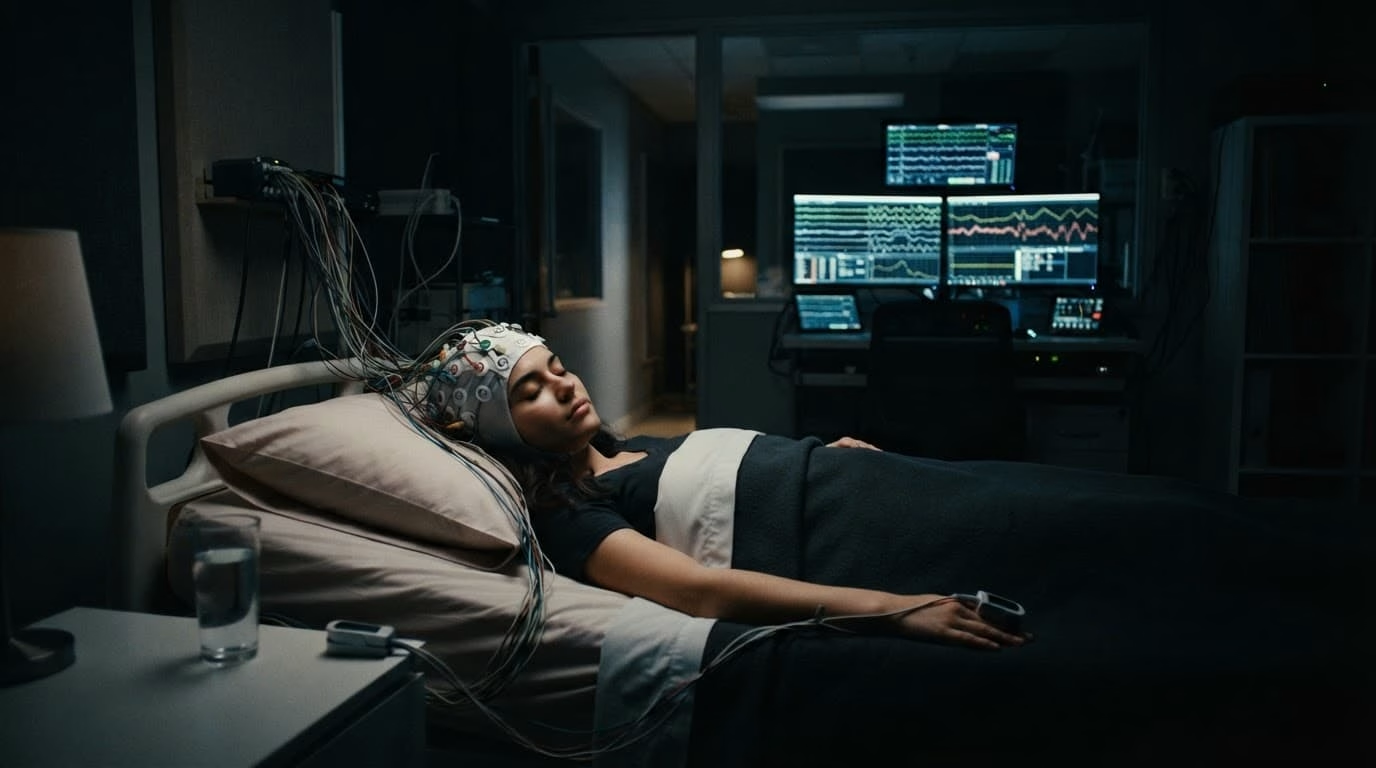
Narcolepsy can involve more than unwanted naps. Some people also experience cataplexy, which causes sudden muscle weakness during laughter, surprise, or other strong emotions. Sleep paralysis, vivid dreams around sleep, and broken night-time sleep can occur too. Still, symptoms vary greatly between people.
Why An Overnight Polysomnography Comes First
A daytime nap study usually follows an overnight sleep study in the same sleep centre. The overnight polysomnography records breathing, oxygen levels, brain activity, eye movements, heart rhythm, leg movements, and muscle tone.
This step matters because disrupted sleep architecture can distort the following day’s findings. Untreated sleep disorders, including obstructive sleep apnea, frequent limb movements, or an unusually short night could make almost anyone fall asleep quickly during the day.
The American Academy of Sleep Medicine protocol requires adequate overnight sleep for valid daytime testing. Clinics commonly look for at least six hours of recorded sleep after enough time in bed. If illness, anxiety, equipment problems, or disrupted sleep prevent this, the clinic may postpone the daytime testing. If breathing problems are treated with positive airway pressure, document treatment adherence before testing.
The overnight recording can also show rapid eye movement soon after sleep onset, known as an overnight SOREMP. In some cases, the American Academy of Sleep Medicine allows this finding to count towards the REM criteria used to assess narcolepsy.
Prepare For The Test During The Previous Two Weeks
Your preparation starts well before the appointment. Sleep clinics often ask you to keep a sleep diary for two weeks. You may also wear an actigraphy device, usually a watch-like movement monitor, during that time.
Record when you go to bed, when you wake, naps, caffeine consumption, alcohol, and medicines. This sleep diary, alongside actigraphy data, helps the clinician confirm when you sleep and wake. It also shows whether you have had enough regular sleep before testing. A stable routine matters more than trying to sleep perfectly.
Keep your usual bedtime and wake time unless the clinic advises otherwise. The American Academy of Sleep Medicine recommends two weeks of regular sleep and wake timing before testing. Avoid deliberately restricting sleep to prove how tired you feel. Equally, don’t spend the fortnight sleeping far longer than normal.
A regular wake time helps your body clock predict when alertness and sleepiness should occur. Maintaining a consistent wake time can also make the diary more representative of your normal routine.
Tell the clinic about recent shift work, long-distance travel, acute illness, major stress, or a changed sleep schedule. These factors can shift your body clock and change when different sleep phases appear.
This record is not paperwork for its own sake. It helps distinguish a genuine sleep problem from sleepiness caused by an irregular or restricted routine.
Review Medicines, Caffeine, And Other Substances Early
Many medicines affect alertness or alter sleep architecture. For that reason, your sleep specialist should review every prescription medicine, over-the-counter product, supplement, and recreational substance well before the appointment.
Stimulants and wakefulness medicines can make it harder to fall asleep. Examples include methylphenidate, dexamfetamine, modafinil, and solriamfetol. Some antidepressants, including SSRIs and SNRIs, can suppress rapid eye movement (REM) sleep. Sedatives, benzodiazepines, sedating antihistamines, opioid pain medicines, and cannabis can also influence the result.
Clinics often ask patients to stop certain alerting, sedating, or REM-altering medicines for around two weeks. This usual medication washout is consistent with guidance from the American Academy of Sleep Medicine. Medicines with long-lasting effects, such as fluoxetine, may need a longer medication washout.
Where relevant, your clinician may request drug screening to help interpret the findings.
Never stop a prescribed medicine on your own. Sudden withdrawal can be unsafe and may worsen depression, anxiety, pain, seizures, or sleep symptoms. Your prescriber and sleep clinic should agree on a plan that fits your health needs.
On the test day, avoid caffeine consumption, alcohol, and recreational drugs unless your clinic provides different clinical guidance. This includes coffee, tea, cola, energy drinks, pre-workout powders, and some headache tablets. The American Academy of Sleep Medicine notes that these substances can affect result validity. Nicotine can also alter alertness, so clinics may restrict it before and during the study.
What Happens During The Daytime Nap Study
After the overnight polysomnography, you will usually stay at the sleep centre for the day. This multiple sleep latency test assesses daytime sleepiness by measuring how quickly you fall asleep. The first nap trial normally begins between 1.5 and 3 hours after the overnight recording ends.
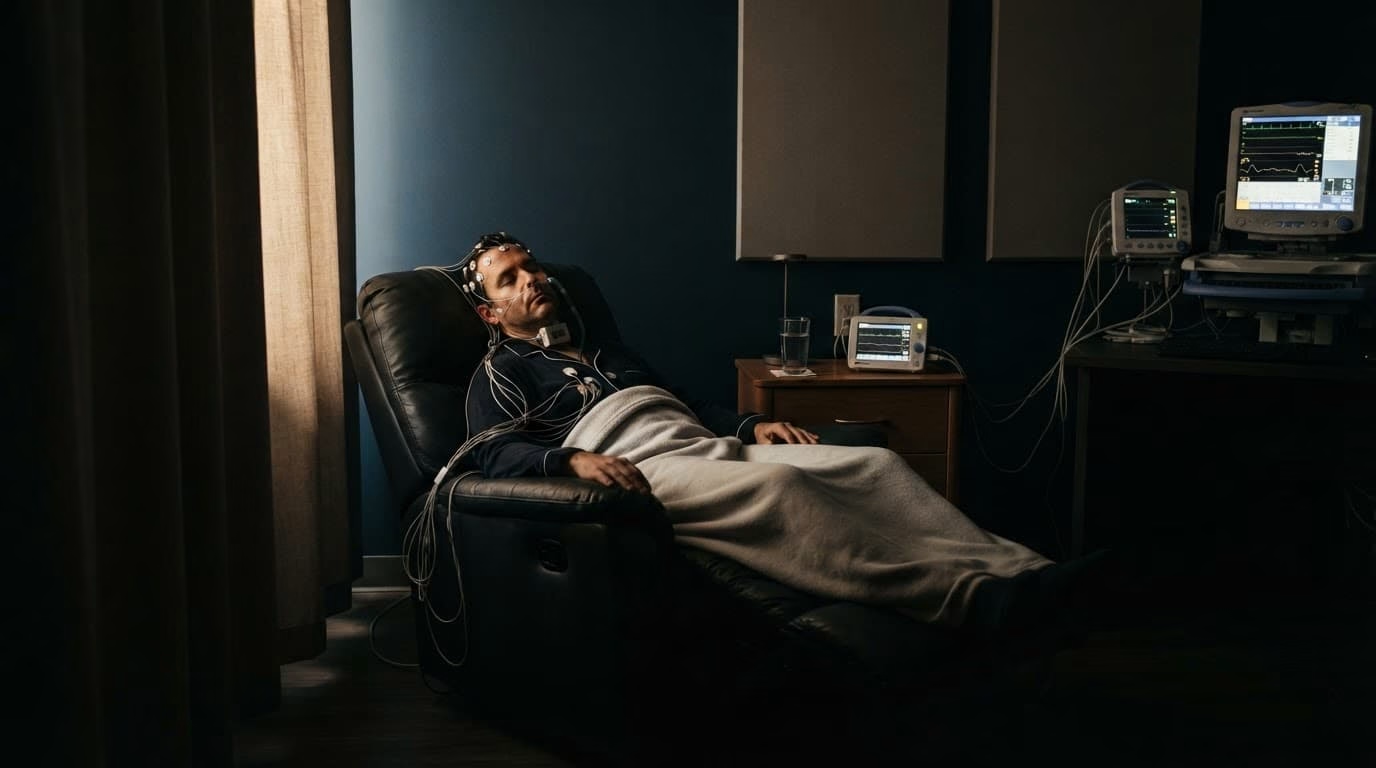
A sleep technologist attaches small sensors to your scalp, face, and chin, creating a recording montage. The American Academy of Sleep Medicine describes this approach for recording brain waves with an electroencephalogram, eye movements, and muscle activity. The equipment does not hurt, although the adhesive can feel slightly uncomfortable when removed.
You lie down in a dim, quiet room and receive the same instruction for each trial: relax, keep still, and let sleep come naturally. The room is designed to reduce distractions, not to make the experience feel like an exam.
| Stage Of The Day | What Usually Happens |
|---|---|
| Before the first nap | You have time to wash, eat a light breakfast, and settle after the overnight study. |
| Each nap trial | You get a chance to sleep in a dark room while the recording tracks sleep onset and REM sleep. |
| Between trials | You stay awake under staff supervision, eat light meals, and avoid caffeine or unscheduled naps. |
| After the final trial | The sleep technologist removes the sensors, and the sleep specialist reviews the data later. |
The American Academy of Sleep Medicine recommends a five-trial protocol, with each nap trial generally two hours apart. In some circumstances, the clinic may stop after four naps if the results already meet clear criteria for narcolepsy.
During a nap trial, the recording measures sleep latency, the time until you fall asleep. If you don’t fall asleep within 20 minutes, it records a 20-minute sleep latency and staff end that trial. If you do fall asleep, recording continues for about 15 minutes to identify sleep stages. You will then be woken for the next break.
Why You Must Stay Awake Between Nap Trials
The breaks are part of the test, not spare time. A nap between scheduled trials lowers your sleep pressure and can make later measurements less reliable.
Between each nap trial, staff may ask you to sit up, read, watch television, talk, or complete quiet activities while a sleep technologist supervises. Stay awake until the next nap trial begins, following guidance from the American Academy of Sleep Medicine. You should not lie down with your eyes closed for long periods or exercise vigorously, unless your clinic says otherwise.
One unplanned doze between scheduled opportunities can affect later sleep latency measurements and reduce the chance of falling asleep during the next trial.
Not falling asleep during a scheduled nap does not mean you have failed. The technologist records a sleep latency of 20 minutes for that trial. Your final result uses the mean sleep latency across all valid trials, rather than one isolated nap.
Some people feel tense because they want the test to provide an answer. Try not to force sleep. The recording captures what happens naturally under controlled conditions.
How Sleep Specialists Score The Results
For suspected narcolepsy, a trained scorer follows American Academy of Sleep Medicine conventions, reviewing recordings in standard 30-second sections called epochs. They identify the first epoch showing sleep onset after lights out, noting sleep stages and overall sleep architecture. For each valid trial, that interval contributes to the mean sleep latency for the study.
The specialist adds the sleep latency from each valid trial and divides the total by the number of trials. This produces an average across the day, with a shorter result showing that you fell asleep more quickly.
They also look for SOREMPs, which are periods of REM sleep near the start of a nap. A SOREMP occurs when rapid eye movement (REM) sleep begins within 15 minutes of sleep onset.
These findings help apply diagnostic criteria, and the American Academy of Sleep Medicine recommends interpreting them alongside symptoms and other assessments.
| Pattern | What It Can Support |
|---|---|
| Mean sleep latency of 8 minutes or less, plus at least 2 SOREMPs | Narcolepsy, when symptoms and other assessments fit |
| Average of 8 minutes or less, with fewer than 2 SOREMPs | Idiopathic hypersomnia may be considered after other causes are excluded |
| Longer latency without SOREMPs | The result may not support central hypersomnolence, but symptoms still need review |
For narcolepsy type 2, diagnostic criteria usually include daily irresistible sleepiness for at least three months, plus a mean sleep latency of eight minutes or less. They also require two or more SOREMPs and no better explanation, such as insufficient sleep, untreated obstructive sleep apnea, circadian rhythm disruption, or medicine effects.
Narcolepsy type 1 may involve cataplexy or low hypocretin-1 levels in cerebrospinal fluid. A sleep specialist considers those findings alongside the results, rather than relying on a single measurement.

What A Result Can And Cannot Tell You
A positive multiple sleep latency test provides useful evidence, but it does not diagnose narcolepsy in isolation. Your specialist compares it with your sleep diary, symptoms, medical history, medicines, and an overnight sleep study using polysomnography. The American Academy of Sleep Medicine’s diagnostic criteria help interpret sleep latency and mean sleep latency in sleep disorders.
A negative result does not mean your daytime sleepiness is imagined, and a compromised study may warrant repeat testing. Poor preparation, medication withdrawal, anxiety, or an altered schedule can affect sleep onset and the outcome. Untreated obstructive sleep apnea, inconsistent positive airway pressure use, or poor treatment adherence can affect interpretation when narcolepsy remains suspected.
Idiopathic hypersomnia can be especially difficult to confirm through nap testing alone. Some people with the condition sleep for long periods but do not show the expected pattern. Extended sleep monitoring or actigraphy may add useful evidence, while a maintenance of wakefulness test assesses the ability to stay awake.
If you have sleep attacks while driving, stop driving and contact your GP or sleep team promptly. Excessive daytime sleepiness can make journeys unsafe before a formal diagnosis, so follow clinical guidance about driving and next steps.
Conclusion
A multiple sleep latency test offers a controlled view of daytime sleepiness and may help assess narcolepsy. Good preparation, an adequate overnight assessment, and staying awake between naps help protect the accuracy of the mean sleep latency measurement.
The clearest next step is to follow your sleep clinic’s written instructions and discuss medicines early. A well-prepared test provides the strongest basis for deciding what comes next.
FAQ
How Long Does A Multiple Sleep Latency Test Take?
Most people spend one night and the following day at a sleep centre. The five daytime nap trials usually finish in the afternoon, although timings vary.
Do I Need To Stay Overnight Before The MSLT?
Usually, yes. The overnight recording confirms that you had enough sleep and checks for breathing-related conditions that could explain your difficulty staying awake.
What Happens If I Cannot Fall Asleep During A Nap Trial?
The sleep technologist ends the trial after 20 minutes if you remain awake. The result is recorded as 20 minutes and included in the overall mean sleep latency.
Can I Take My Usual Medicines Before Testing?
Only follow the plan given by your sleep clinic and prescriber. Some medicines need a gradual pause, while others should continue because stopping them could be unsafe.
Why Are There Usually Five Nap Trials?
Five trials give a fuller picture of how easily you fall asleep throughout the day. The American Academy of Sleep Medicine recommends five trials, although a clinic may stop after four when the findings are already clear.
Does The Test Hurt Or Carry Risks?
The sensors sit on the skin and don’t involve needles. The main discomforts are adhesive residue, a disrupted routine, and possible caffeine withdrawal if you usually consume it.
What Is The Difference Between An MSLT And An MWT?
An MSLT measures how quickly you fall asleep when given the chance. A maintenance of wakefulness test, or MWT, measures how well you can stay awake in a quiet setting.
Is Narcolepsy Testing Available Through The NHS?
NHS sleep services can arrange testing for narcolepsy after referral from a GP or another clinician. Private testing is also available, but prices and what is included vary between providers.
Leave a Reply