
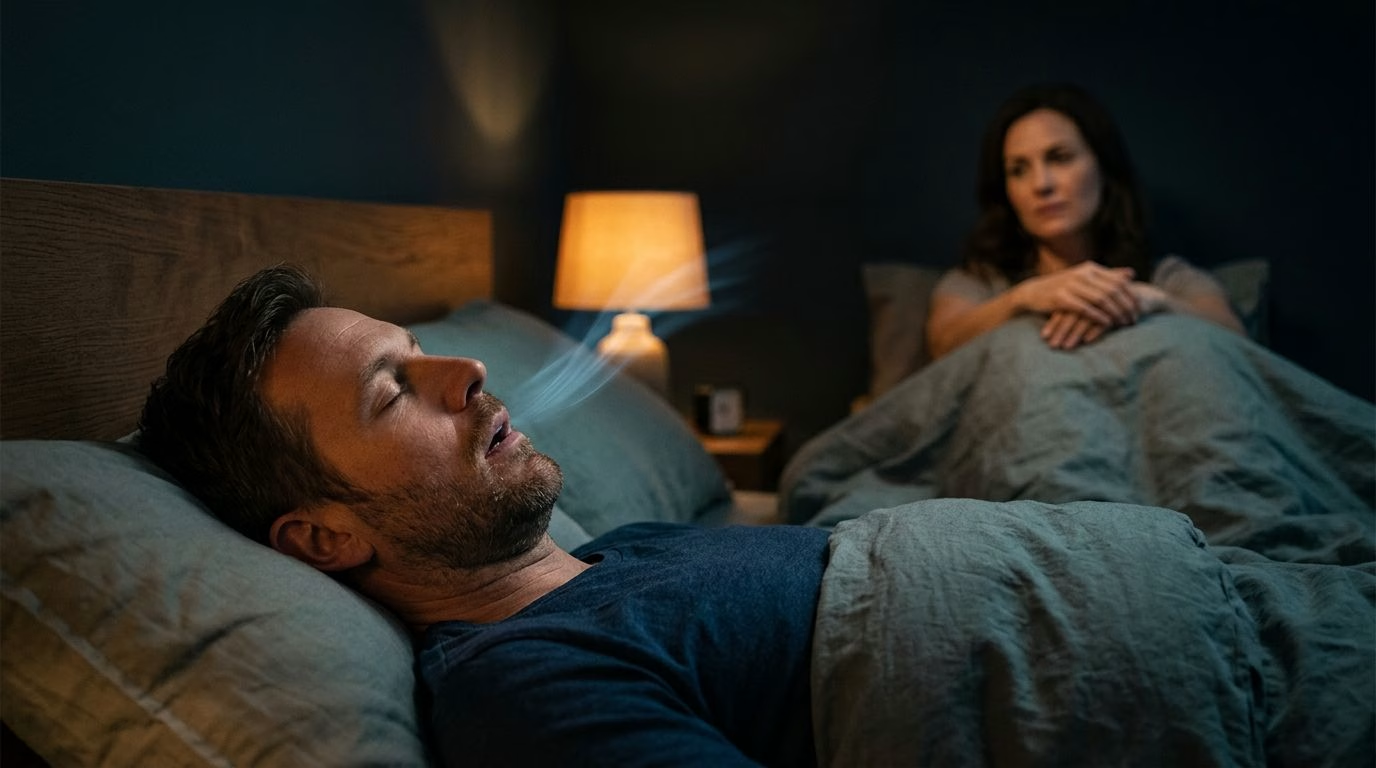
A long, low groan during sleep can sound alarming, yet the person making it often has no idea it happened. Nocturnal groaning and catathrenia sleep groaning are usually more disruptive for sleep partners than dangerous for the sleeper, but catathrenia still deserves a proper check if breathing seems irregular.
The sound can be mistaken for snoring, talking, pain, or even a nightmare. Knowing the pattern helps you decide whether to monitor it at home or speak with a GP.
Key takeaways
- Catathrenia causes repeated moaning or groaning sounds, usually during a slow exhalation in sleep.
- Nocturnal groaning is often unknown to the sleeper, while a partner or family member notices the noise first.
- Catathrenia is a sleep-related breathing disorder that differs from ordinary snoring, although both can occur in the same person.
- Catathrenia is not the same as obstructive sleep apnea, which involves repeated airway blockage.
- A phone recording and a brief sleep diary can help a doctor assess the pattern.
- Seek medical advice if groaning comes with choking, breathing pauses, severe daytime sleepiness, or morning headaches.
- CPAP therapy can reduce catathrenia in some people, particularly where testing finds another sleep apnea issue.
- Regular sleep hours, less alcohol, and good sleep hygiene may improve overall sleep quality, even if they do not cure catathrenia.
Catathrenia Sleep Groaning: The Basic Pattern
Catathrenia is a rare sleep-related breathing disorder that causes a drawn-out groan, moan, hum, or sometimes a higher-pitched squeak while a person sleeps. The sound usually happens during exhalation, rather than on the inhale.
A typical episode may begin with a deeper breath in. The person then holds their breath briefly and releases air slowly during exhalation, producing catathrenia sleep groaning. Episodes can last from a few seconds to close to a minute, and they may repeat across the night.
Many people first hear about nocturnal groaning from a partner. The sleeper may feel perfectly unaware of it. In contrast, the person beside them might lie awake, concerned that breathing has stopped because of this sleep-related breathing disorder.

Catathrenia used to sit mainly within the category of a parasomnia, alongside sleepwalking and night terrors. Sleep specialists now often group catathrenia with breathing conditions because the sound follows unusual breathing patterns.
The exact cause of nocturnal groaning remains unclear. Researchers have considered how the brain controls breathing during sleep, as well as the role of the larynx, vocal cords, and upper airways. A smaller jaw or narrower throat structure may matter for some people, but no single explanation fits everybody when diagnosing catathrenia as a parasomnia alternative.
What Sleep Groaning Usually Sounds Like
The acoustic profile of catathrenia has a different rhythm from typical snoring. Traditional snoring is often rough, rattly, and loudest on an inhale, whereas nocturnal groaning tends to be smoother, longer, and more vocal as air passes over the vocal cords.
Sleep partners may describe the sound as a low drone, a mournful moan, a drawn-out “oooh”, or a steady exhalation like someone slowly pushing out air. It can seem unsettling because nocturnal groaning often occurs during a prolonged pause between breaths.
The timing matters as much as the sound itself, and catathrenia episodes often follow a distinct sequence during the night. A person takes a deep breath in, experiences a short breath hold, and then produces an audible exhalation that sounds like a groan. Normal breathing typically returns afterwards, sometimes followed by a brief arousal.
These sounds are often most pronounced during REM sleep, when vivid dreaming takes place. Because catathrenia shares some characteristics with sleep apnea, it is important to look at the whole picture. Other issues like standard snoring, sleep apnea, reflux, and nocturnal seizures can sometimes mimic similar sounds, so you cannot rely on noise alone for an accurate evaluation.
Sleep partners often find that a short audio recording is useful to capture the breathing patterns before and after the episode. Keep any recording private and use it only to help a clinician understand the concern during an evaluation.
How Catathrenia Differs From Snoring And Sleep Apnea
Catathrenia can look worrying, but it does not automatically mean there is an airway obstruction. Sleep apnea needs particular attention because repeated breathing interruptions can lower sleep quality and affect health.
The NHS lists loud snoring, gasping, choking noises, repeated pauses in breathing, morning headaches, and daytime tiredness among common signs of sleep apnea. Catathrenia can occur on its own, but some people experience both nocturnal groaning and a sleep-related breathing disorder.
| Feature | Catathrenia | Snoring | Obstructive Sleep Apnea |
|---|---|---|---|
| Main sound | Long moan or groan | Rough, vibrating noise | Snoring, gasping, choking |
| Usual breathing phase | Slow exhale | Often inhale | Airway repeatedly narrows or closes |
| Sleeper awareness | Usually none | Usually none | Usually none |
| Main concern | Sleep disruption for sleep partners | Sleep disruption, possible airway issue | Repeated breathing pauses and poor sleep |
| Assessment | Sleep history, recording, sleep study | Sleep history, airway assessment | GP assessment and sleep testing |
The main takeaway is simple: the sound alone cannot rule out obstructive sleep apnea. If you notice silent gaps in breathing, then a sharp gasp or snort, arrange a doctor appointment.
You can also read more about sleep recovery strategies that support better rest while you seek assessment. Better habits do not diagnose nocturnal groaning, but they can reduce the strain of a poor night.
Catathrenia may be socially disruptive without causing harm itself, but regular breathing pauses, choking, or pronounced daytime sleepiness need medical assessment.
When Sleep Groaning Needs Medical Advice
Book a routine GP appointment if nocturnal groaning happens often, disturbs a partner, or leaves you tired during the day. Start with clear notes rather than trying to diagnose the sound yourself.
Write down when episodes of catathrenia happen, how often they occur, and whether alcohol, illness, stress, or sleeping position seems linked. Ask a partner what they hear. Details such as breathing pauses, gasping, restless movement, or blue lips are more useful than a general description of strange noises.
A GP may ask about your sleep schedule, weight changes, medicines, nasal congestion, mood, and daytime alertness. They may also check for signs of obstructive sleep apnea or refer you to a sleep specialist.
If your symptoms persist, a sleep specialist may recommend a comprehensive clinical evaluation of your respiratory system. A sleep study, also called polysomnography, records breathing, oxygen levels, heart rate, movement, and brain activity overnight. Undergoing polysomnography can separate catathrenia from snoring and identify sleep apnea. Some services use home tests first, while others need an overnight sleep study in a clinic.
Seek urgent help through NHS 111 if breathing problems feel acute or you are unsure what to do. Call 999 for a medical emergency, such as severe breathing difficulty, blue or grey lips, chest pain, or a person who cannot be roused.
Children who experience nocturnal groaning and make repeated sleep noises also need a GP review, especially if they snore loudly, breathe through the mouth, sweat heavily at night, or seem unusually tired or irritable in the daytime.
What Helps With Catathrenia
There is no standard tablet that cures catathrenia. If tests show no other sleep disorder and the sleeper feels well, treatment may not be necessary. The decision often comes down to sleep quality and how much the nocturnal groaning affects a partner.
Continuous positive airway pressure therapy, known as CPAP therapy, is the treatment most often reported in clinical case studies. A small bedside machine sends gentle air pressure through a mask. It keeps the airway more open and may reduce or stop the nocturnal groaning pattern for some people.
CPAP therapy is more likely to be offered when catathrenia occurs with obstructive sleep apnea or sleep apnea. It can feel awkward at first, so mask fit and humidity settings matter. Sleep clinics can review problems such as dry mouth, mask leaks, or pressure discomfort.
Some people may be assessed for oral appliances. These custom-fitted oral appliances bring the lower jaw slightly forward during sleep. They are more often used for snoring or mild obstructive sleep apnea, and evidence for catathrenia remains limited.
Tonsil or airway surgery is not a routine answer to sleep groaning. A sleep specialist might discuss a tonsillectomy if large tonsils or another clear anatomical issue contributes to airway obstruction. A tonsillectomy has risks, so it needs a reason beyond catathrenia and the sound itself.
Avoid expensive anti-snore devices that promise a cure. Catathrenia is not ordinary snoring, and a gadget cannot diagnose a breathing disorder. Start with a GP or an accredited sleep service if symptoms persist.
Daily Habits That Support Better Sleep
Good sleep hygiene may not completely stop catathrenia, but it can make rest more settled. Such habits are especially useful when poor daily routines increase tiredness or make nighttime noise harder for sleep partners to tolerate.
Keep your wake time fairly steady, including weekends. A consistent morning routine helps set your body clock and can make bedtime feel less erratic. The importance of a stable wake time becomes clearer after several weeks, rather than one perfect night.
Alcohol deserves attention because it relaxes throat muscles and fragments sleep later in the night. Avoiding alcohol close to bedtime is sensible if you suffer from snoring, wake gasping, or notice worse nocturnal groaning and catathrenia after drinking.
Try side sleeping if you usually sleep on your back. Back sleeping can worsen snoring, alter breathing patterns, and trigger obstructive sleep apnea for some people. A body pillow or a pillow behind the back can make the position more comfortable and help protect sleep partners from excessive noise.
Keep caffeine earlier in the day if it affects your overall sleep hygiene. Late coffee may not cause catathrenia, but it can make it harder to fall asleep and recover after a disrupted night. Nasal congestion also deserves treatment through a pharmacist or GP when it regularly affects breathing.
Making Nights Easier For A Partner
The sleep partners of those affected matter too. Repeated nocturnal groaning can create anxiety, resentment, and fatigue, even when the sleeper has no symptoms. Talk about it during the day, not at 3 am after another broken night.
A recording may confirm the pattern, but sleep partners should avoid monitoring every sound. The goal is to spot warning signs and collect useful information, not to make bedtime feel like surveillance.
Earplugs can help some sleep partners, provided they can still hear alarms and children if needed. White noise machines, separate blankets, or a temporary separate sleeping arrangement may also protect sleep while you wait for a catathrenia assessment.
Separate sleeping is not a relationship failure. It can be a practical short-term measure when catathrenia or nocturnal groaning regularly wakes the other person. A calm plan is kinder than months of silent frustration.
Conclusion
Sleep groaning can sound far more dramatic than it feels to the person making it. Catathrenia sleep groaning is often manageable, yet breathing pauses, gasping, and persistent daytime tiredness should never be brushed aside because they can sometimes point to sleep apnea.
Record the pattern, note any warning signs, and speak to a doctor if nocturnal groaning is frequent or concerning. A clear assessment for catathrenia can replace night-time worry with a sensible plan.
FAQ
Is Catathrenia Dangerous?
Catathrenia itself has not been linked with clear health harm in the way obstructive sleep apnea has. However, similar sounds can occur alongside breathing disorders. A sleep study matters if there are pauses, gasps, poor daytime alertness, or morning headaches. If a patient undergoes polysomnography, doctors can accurately monitor upper airways and rule out severe complications during REM sleep.
Can Catathrenia Wake The Person Making The Noise?
Most people do not remember their own nocturnal groaning. Because this parasomnia often manifests during REM sleep, some individuals may have brief arousals at the end of an episode without fully waking. Partners often notice the problem long before the sleeper does.
Does Catathrenia Happen Every Night?
It can happen nightly, occasionally, or in clusters. Stress, alcohol, illness, sleep deprivation, and sleep position may affect how noticeable it is, especially since episodes tend to cluster during REM sleep. A sleep diary can help reveal a pattern.
Can Stress Cause Sleep Groaning?
Stress can disturb sleep and make breathing patterns feel less settled, but it is not a proven direct cause of catathrenia. If nocturnal groaning began during a stressful period, still look for other signs of a sleep disorder. Clinicians note that while anxiety affects REM sleep architecture, it rarely triggers this specific vocalization on its own.
Will Losing Weight Stop Catathrenia?
Weight loss may improve obstructive sleep apnea or snoring in people where excess weight contributes to airway narrowing. Catathrenia has no single known cause, so weight loss does not guarantee that groaning will stop. A clinician can advise based on your full symptoms.
Does CPAP Always Work For Sleep Groaning?
CPAP therapy has reduced or stopped catathrenia in some published cases. It does not work equally well for everybody, and a sleep specialist should guide its use. CPAP therapy is particularly relevant when testing also finds sleep apnea, helping stabilise the larynx and vocal cords during REM sleep.
Can You Diagnose Catathrenia With A Sleep App?
A sleep app may capture audio, but it cannot diagnose catathrenia or measure breathing reliably enough to rule out sleep apnea. A formal sleep study gives a more complete answer, and overnight polysomnography remains the gold standard for evaluating this unusual parasomnia. Use home recordings only as supporting information for a GP or sleep clinician.
Should I Wake My Partner During An Episode?
Usually, no. Waking them during REM sleep may disrupt rest without changing the underlying pattern. Wake them only if they seem in distress, struggle to breathe, have prolonged pauses, or show signs that need urgent medical help.
Leave a Reply