
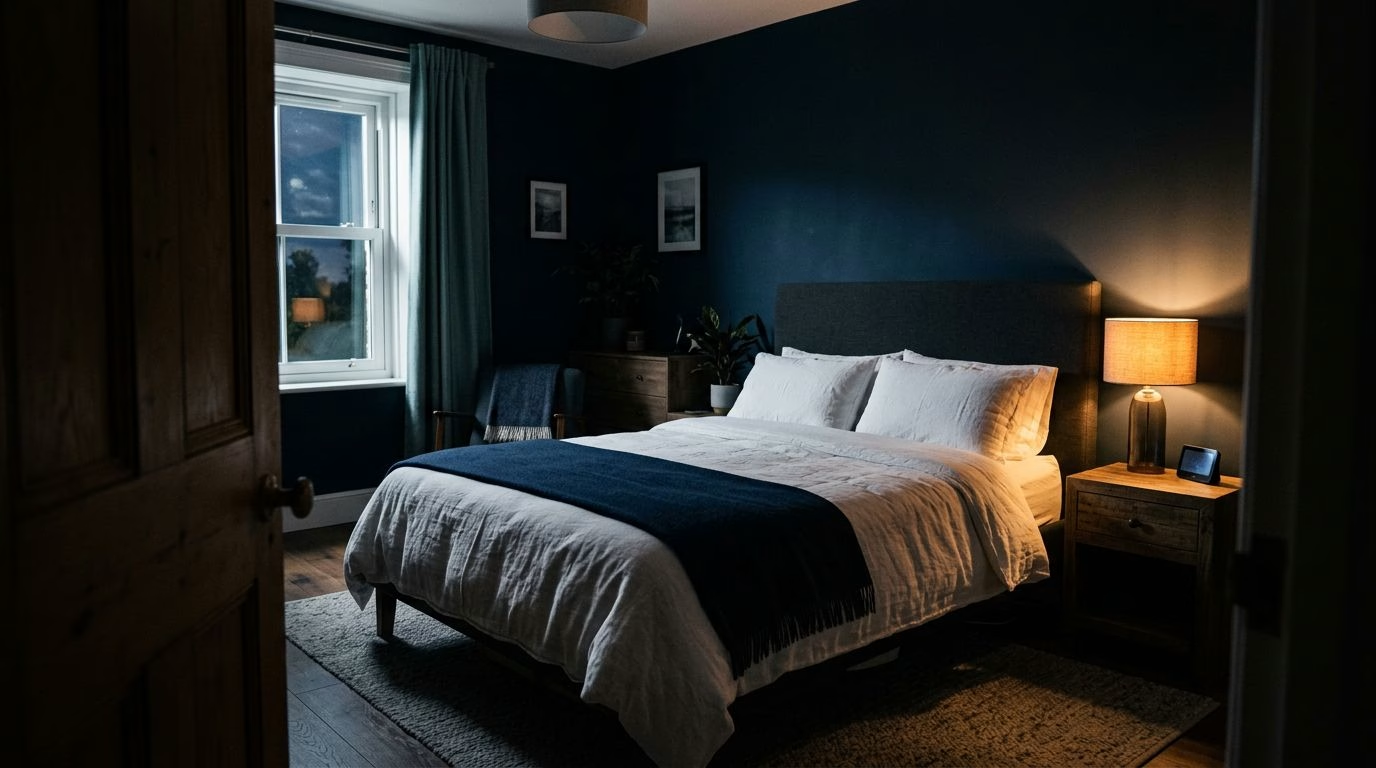
A room that feels pleasantly warm before bed can become stifling by 3 am. For most adults, the best bedroom temperature for sleep sits around 18 to 20 C, providing an ideal sleeping temperature alongside the right bedding, health, age, and home adjustments.
Sleep needs a small drop in core body temperature. When your bedroom environment works against that process, you may wake more often, sweat, or toss off the duvet. A cooler room is often one of the simplest changes you can make.
Key Takeaways
- Most adults sleep well when they set the ideal sleeping temperature to roughly 18 to 20 C.
- Many general sleep guidelines use a broader range of about 15 to 20 C.
- Heat above 24 to 25 C commonly makes sleep lighter and more fragmented.
- Your body needs time cooling down before sleep, so bedtime routines matter just as much as your thermostat settings.
- Light, breathable bedding often solves overheating without cooling the whole home further.
- Older adults may have a different comfort range and should not force an overly cold room.
- Perimenopause, illness, medicines, and alcohol can all shift your overnight temperature needs.
- Test one adjustment at a time for several nights before deciding whether it works.
The Best Bedroom Temperature for Sleep Is a Range
Finding the best bedroom temperature for sleep is not about sticking to one exact number for every single person. Still, 18 to 20 C is a sensible starting point for healthy adults because it acts as an ideal sleeping temperature that feels cool enough to support the body’s nightly temperature drop without making most people shiver under ordinary bedding.
You will also see a wider recommendation of around 15 to 20 C. That range reflects normal differences in duvets, sleepwear, body size, outdoor weather, and personal temperature preferences. A person under a thick 13.5 tog duvet may need a cooler room than someone using a light summer cover.
Research does not support treating 18 C as a strict rule. A field study published in Science of the Total Environment tracked almost 50 older adults across more than 11,000 nights. It found their sleep was most efficient when the ambient temperature stayed between 20 and 25 C. Sleep efficiency fell by about 5 to 10% as temperatures rose from 25 C to 30 C, which highlights how heat can damage overall sleep quality.
That finding is useful because it shows why advice needs context. The study focused on older adults living in their own homes, not every age group in a controlled sleep laboratory. It also found that very warm rooms disrupted sleep more consistently than mildly cool ones.
Start near 18 C, then adjust in small steps. If you wake cold despite suitable bedding, try 19 or 20 C. If you wake sweaty or restless, try 17 or 18 C before buying another sleep gadget.

Your Body Temperature Helps Set Your Sleep Timing
Your circadian rhythm and internal body clock do more than make you sleepy at night. They also guide a gradual fall in core body temperature before bed, which helps trigger melatonin production. This drop is commonly around 1 to 3 C across the night, although it varies between people.
Blood vessels in your hands and feet widen as bedtime approaches. That lets heat move from your core to the skin, where it can leave the body during this natural cooling process. Warm feet, a warm bath, or a shower taken well before bed can support this heat loss afterwards.
A hot bedroom traps that heat, which disrupts your normal progression through key sleep stages. As a result, you may take longer to fall asleep and spend less time in slow wave sleep and rapid eye movement sleep. You can also wake more easily during the night and miss out on truly restorative sleep, even if you do not remember every awakening.
Cool does not mean cold enough to feel uncomfortable. Shivering raises heat production and can keep you alert. A room should feel fresh when you first enter it, while the bed itself should feel warm and inviting.
Your body also responds to light, food, exercise and stress. For a fuller picture of how body temperature affects sleep, look at your daytime routine alongside your bedroom climate. A cool room cannot fully offset late caffeine, bright screens or an irregular bedtime.
The target is a cool room with warm enough bedding, not a cold room that leaves you tense or shivering.
Find the Right Setting in Your Own Bedroom
A thermostat reading does not always match the temperature where you sleep, meaning the broader bedroom environment often needs a closer look. Radiators, draughty windows, loft rooms and direct evening sun can create large differences within one house. Measure near the bed, away from the radiator and out of direct airflow.
A cheap room thermometer can help you spot patterns. Check it as you go to bed, then again when you wake, noting how initial thermostat settings compare to the actual room temperature later in the night. If your bedroom rises several degrees overnight, the problem may be trapped heat rather than the setting you chose at bedtime.
Use this range as a practical starting guide:
| What You Notice | Useful First Adjustment | Temperature to Try |
|---|---|---|
| You wake sweaty or throw off the duvet | Lower heating, use lighter bedding | 17 to 18 C |
| You fall asleep slowly in a stuffy room | Ventilate before bed, use a fan safely | 18 to 19 C |
| You wake cold at dawn | Add a layer or raise heating slightly | 19 to 20 C |
| You feel comfortable but sleep poorly | Look beyond temperature | Keep the setting steady |
Make one change and give it three to seven nights. A single poor night can follow a late meal, alcohol, work stress or noise outside. Several nights reveal whether the change suits you.
The best bedroom temperature for sleep may also shift with the seasons. In a British heatwave, a 20 C bedroom may not be realistic without air conditioning. Lowering the room from 27 C to 24 C can still make a meaningful difference for your sleeping comfort. Use fans, shaded windows and lighter bedding rather than expecting perfect conditions.
Bedding Often Matters More Than Turning Down the Heating
Your duvet creates a small climate around your body. A cool bedroom paired with a heavy synthetic duvet can still leave you overheated. On the other hand, a light duvet in a cold room may wake you before your alarm.
Tog ratings offer a useful guide. Many households use around 10.5 to 13.5 tog in winter, but that may be too warm for people who run hot. A 4.5 tog duvet often works better in summer. Some people prefer a two-part duvet so they can use one layer or both.
Natural fibres can help moisture move away from the skin, aiding natural temperature regulation and helping with cooling down as you rest. Cotton, linen and wool are common choices. Wool can regulate warmth well, though feel matters too. If scratchy sheets bother you, you will not sleep better just because the fabric has good thermal properties.
Your choice of bedding and sleepwear plays a vital part in maintaining comfort. Loose, breathable cotton works for many people. However, cold sleepers may rest better in a thin long-sleeved layer or socks. Warm feet can help the body release heat before sleep, provided the rest of you does not overheat.
Try this simple order before changing your central heating to reach your ideal sleeping temperature:
- Replace a heavy duvet with a lighter layer.
- Swap fleece or brushed bedding for cotton or linen.
- Keep a spare blanket folded at the end of the bed.
- Adjust the thermostat by 1 C only if you still wake too hot or cold.
This approach gives you more control than heating the entire home around one sleeper’s needs.
Ventilation, Humidity and Airflow Change How Heat Feels
Temperature is only part of the story. A room temperature of 20 C with stale, humid air can feel hotter than a well-ventilated 22 C room. High humidity slows sweat evaporation, so your body struggles to cool itself.
Open windows for a short period before bed if outdoor noise, pollution and security allow it. Cross-ventilation can clear warm air faster than leaving one window slightly open. During pollen season, a window may worsen hay fever symptoms, so weigh comfort against nasal congestion.
A fan can improve sleeping comfort without making the space much colder. Point it across the room rather than directly at your face. Direct airflow may dry your nose or irritate your eyes. Keep cables tidy and position the fan where bedding cannot fall onto it.
In winter, central heating can make the air feel dry. High humidity within the bedroom environment can increase sleep disruptions if it leaves the air feeling sticky and oppressive. You do not need to chase a perfect humidity number, but condensation on windows, damp patches or a musty smell need attention. Damp and mould can irritate airways and undermine sleep.
Blackout curtains also affect the ideal room temperature. Close them during hot afternoons to block solar heat. In cooler weather, open them during daylight and shut them before dusk. Small routines like this often work better than constantly changing the thermostat.
Temperature Needs Change With Age, Hormones and Health
The best bedroom temperature for sleep can change through life. Babies, children, older adults and people with certain health conditions may not feel comfortable at the same temperature. Individual health conditions and personal temperature needs can quickly alter a standard ideal sleeping temperature. The wider sleep research does not justify one rule for every household member.
Older adults often have reduced sensitivity to temperature changes. Changes in the cardiovascular system with age can also affect how efficiently the body manages temperature regulation. If an older person feels cold, don’t insist on a low setting because a generic guide recommends it. Add appropriate bedding, check the room temperature and discuss persistent night-time symptoms with a GP.
Perimenopause can bring hot flushes and disruptive night sweats that ruin sleep without warning. A fan by the bed, layered bedding and moisture-wicking sleepwear can make episodes easier to manage. More tailored perimenopause sleep solutions can help when temperature changes alone do not settle the problem.
Fever is different from ordinary overheating. If you are ill, focus on comfort, fluids and medical advice rather than an ideal thermostat number. Seek urgent help through NHS 111 if symptoms are severe, worsening, or you are worried about a child or vulnerable adult.
Alcohol can also cause a misleading pattern. It may make you feel sleepy at first, then disrupt temperature regulation and sleep later in the night. A cooler bedroom may reduce discomfort, but it will not remove alcohol’s effect on sleep quality.
A Cooler Room Cannot Fix Every Sleep Problem
When people blame their bedroom temperature, they sometimes miss another cause of poor sleep quality and frequent sleep disruptions. Loud traffic, a partner’s movement, reflux, pain, anxiety, caffeine or an inconsistent wake time can all produce broken sleep. Change the room climate, but keep an eye on the wider pattern.
Snoring with choking, gasping or repeated pauses in breathing needs medical attention. Sleep apnoea strains the cardiovascular system and prevents you from entering deep sleep stages, which are necessary for restorative sleep and optimal sleep. Book a GP appointment if you notice these signs, especially alongside daytime sleepiness or morning headaches.
Tinnitus can also feel louder in a silent, overheated room. A steady fan may provide gentle background sound while improving airflow. If ringing affects your nights, advice on sleeping with tinnitus can help you build a calmer routine.
Keep a brief sleep diary for two weeks if you are making changes. Record bedtime, room temperature, bedding, alcohol, caffeine, awakenings and how you feel in the morning. Patterns become easier to see when they are written down.
Avoid making your bedroom into a testing laboratory every night. Pick a sensible temperature, keep bedtime stable, then make gradual adjustments. Consistency gives your body a clearer signal that the day is over.
Conclusion
For most adults, establishing the best bedroom temperature for sleep around 18 to 20 C is a practical place to begin. This range supports the natural fall in body temperature that aligns with your circadian rhythm, which helps you fall asleep and stay asleep while promoting uninterrupted sleep cycles for optimal sleep.
Use bedding, airflow and light control before making major heating changes. Then adjust by one degree at a time and judge the result over several nights. The right bedroom climate feels cool, calm and easy to maintain.
FAQ
Is 18 C Too Cold for Sleeping?
For many adults, finding the right ideal sleeping temperature around 18 C is comfortable with suitable bedding and sleepwear. Because individual temperature preferences vary widely, you should raise the room slightly or add a light layer if you shiver, wake cold, or tense up under the duvet.
Is 16 C Better Than 20 C for Sleep?
Neither setting is automatically better. Some people sleep well at 16 C, while others need 19 or 20 C. Your overall comfort and sleep continuity matter more than hitting a single room temperature target, especially when supporting healthy sleep cycles throughout the night.
Why Do I Wake Up Hot At 3 am?
Your natural cooling process depends on your core body temperature dropping, and your bedding may trap heat as the night progresses. Hormones, alcohol, illness, stress, and a rising room temperature can also disrupt your core body temperature and cause night sweats.
Should I Sleep With a Window Open?
An open window can help if it improves airflow and does not bring in excessive noise, pollen, or cold draughts. Proper ventilation aids natural temperature regulation, helping you transition smoothly through light sleep stages, slow wave sleep, and rapid eye movement sleep without waking up.
Can a Fan Help You Sleep Better?
A fan can make a warm room feel cooler by moving air across your skin. This cooling effect supports your internal body clock and melatonin production, which help maintain deep sleep stages. Keep it at a safe distance and avoid aiming strong airflow directly at your face.
What Tog Duvet Works Best In Summer?
A 4.5 tog duvet suits many people during warmer months. Others prefer a thin sheet or a light blanket, especially in loft bedrooms that hold heat and interfere with comfortable slow wave sleep and rapid eye movement sleep.
Does a Cold Room Cause Illness?
Cold air does not directly cause colds, which come from viruses. However, a room that feels uncomfortably cold can disturb sleep and leave you less rested by interrupting vital sleep cycles.
When Should I Speak to a GP About Night Sweats?
Contact your GP if night sweats are frequent, soak your bedding, continue for weeks, or come with symptoms such as weight loss, fever, pain, or swollen glands.
Leave a Reply