-
·
Positional Therapy For Sleep Apnea: Who It Helps And How To Start
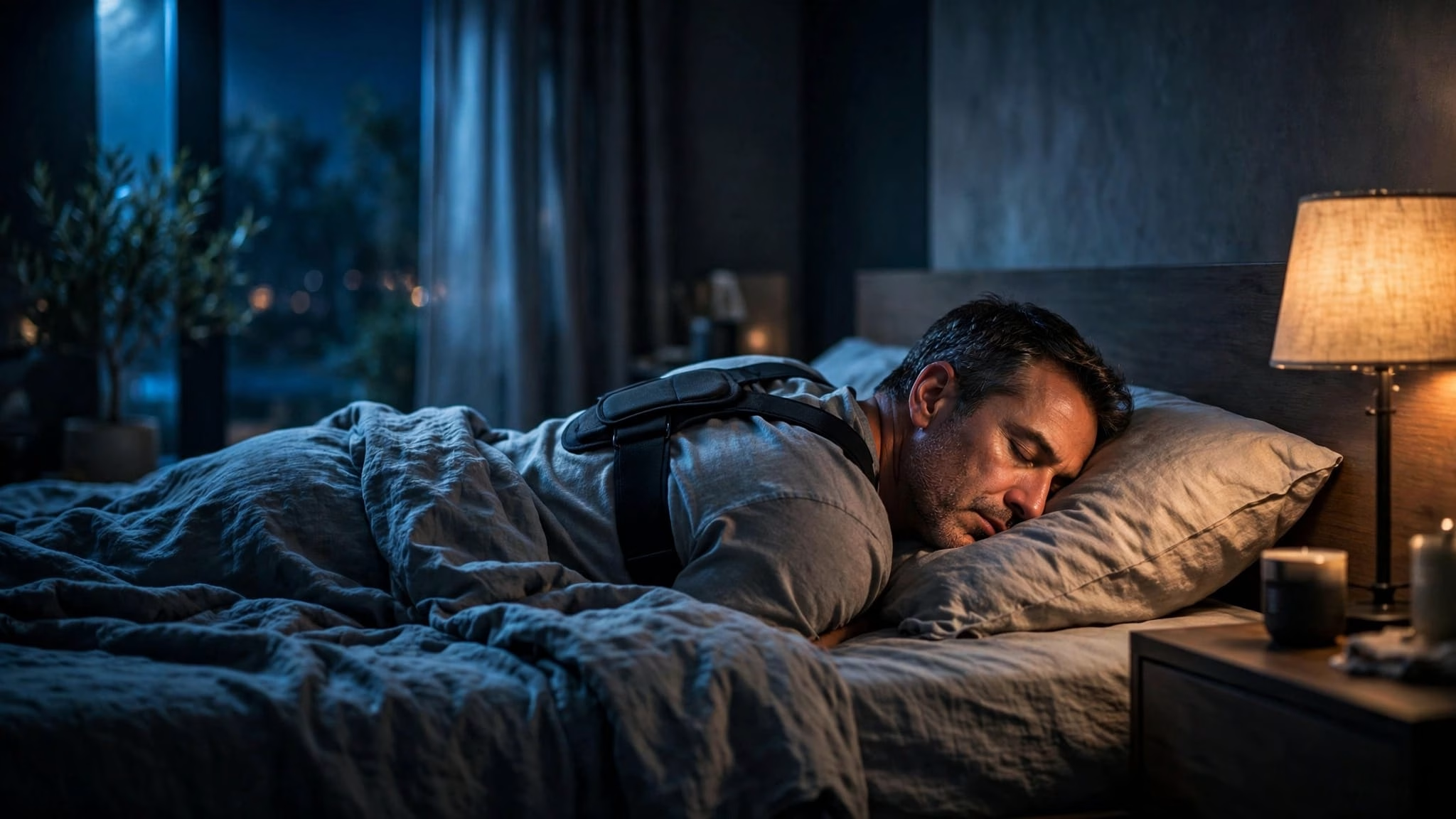
Sleeping in the supine position can worsen airway obstruction and trigger repeated breathing pauses for some people. Positional therapy sleep apnea treatment aims to keep you off your back, but it targets positional obstructive disease, not every form of sleep apnoea. If you snore, wake gasping, or feel exhausted despite enough time in bed, don’t…
-

·
Sleep and Blood Pressure: Why Mornings Run High
Healthy sleep is linked with an overnight fall in readings, sometimes by as much as 20%. When rest is short or broken, that fall may shrink or disappear. The link between sleep and blood pressure matters if blood pressure readings often look higher in the morning. One raised reading doesn’t diagnose high blood pressure, but…
-
·
AHI Score Explained: Reading Your Sleep Study Results
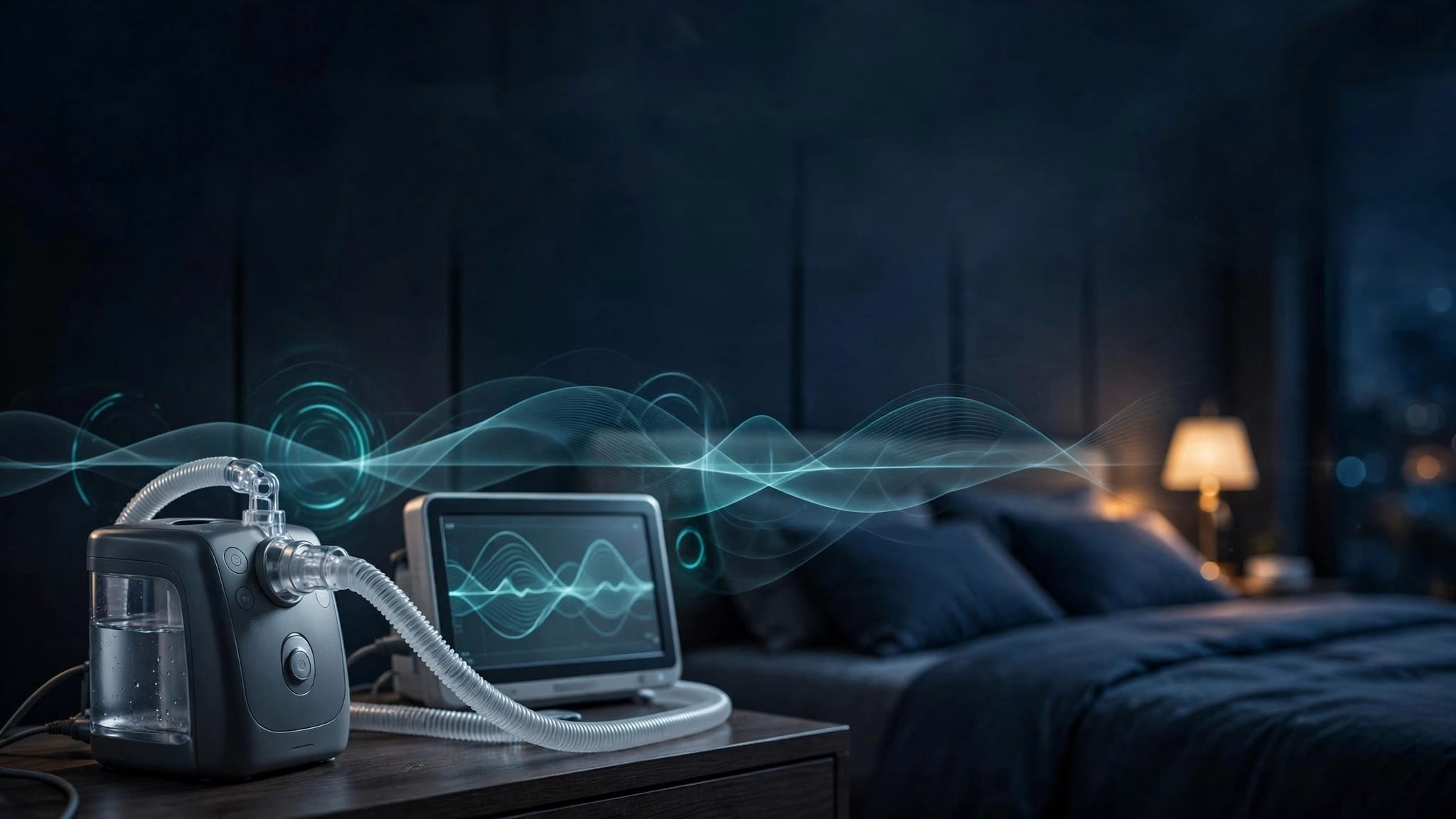
A CPAP machine’s “events per hour” figure is useful, but it isn’t the same as a sleep-lab AHI. Your AHI score is one part of a sleep study, not a standalone diagnosis. It measures breathing disruptions during sleep, but only makes sense alongside oxygen levels, symptoms, sleep position, and your test type. A result can…
-
·
Sleep Banking Before Early Mornings: A Practical Protocol
In a 2009 sleep study, people who spent 10 hours in bed for a week coped better with later sleep restriction than those on a usual schedule. Sleep banking will not make a 04:30 alarm feel pleasant, but it can give your alertness and executive functioning a useful buffer. This matters before an early commute,…
-

·
Interleaved Practice Vs Blocked Practice for Lasting Skills
In a study of 126 Year 7 pupils, mixed maths practice produced scores of 80%, compared with 64% for blocked practice after one day. That result feels backwards when repeated drills often seem smoother and faster. Interleaving mixes related skills or problem types across your study sessions, while the blocked approach repeats one skill at…
-

·
Lactate Threshold Testing at Home: Methods and Limits
Blood lactate can return towards normal soon after hard exercise, even as muscle fatigue during exercise and next-day soreness follow different timelines. That is one reason lactate threshold testing needs a clearer explanation than “lactic acid causes fatigue”. At-home testing can give runners, cyclists and triathletes a useful training intensity anchor without a laboratory visit.…
-

·
Vitamin D Brain Fog: When Testing Makes Sense
Brain fog is a symptom label, rather than a medical diagnosis. Yet it can make emails, names and ordinary decisions feel unexpectedly difficult. That makes vitamin D brain fog a sensible question, rather than a conclusion. Vitamin D deficiency affects bones and muscles most clearly, although a low level can sit alongside tiredness and poor…
-

·
Spaced Repetition: A Simple Weekly Plan for Beginners
Forgetting starts soon after a study session, even when the material felt clear at the time. A simple spaced repetition routine gives your brain several chances to retrieve it before it slips away. Instead of cramming for hours, you return to small pieces of information over days and weeks. Start with a few cards, a…
-

·
Metacognition: Improve How You Think And Learn
Psychologist John Flavell introduced the term “metacognition” in 1976. Yet many people still revise, work, and make decisions without checking whether their approach is helping. Metacognition turns effort into a testable process by helping you monitor cognitive processes and use self-regulation to make deliberate changes. This metacognitive ability helps you judge whether a method produces…
-

·
Omega-3 Brain Health: EPA, DHA and the Evidence
A daily 2 g DHA supplement raised DHA levels in spinal fluid in a recent trial, showing DHA can reach the central nervous system, but it did not improve memory or preserve brain volume. That finding captures the reality of omega-3 brain health research. EPA and DHA matter to the body, but a fish oil…
-

·
Sleep Muscle Recovery: Rest That Builds Training Gains
One night without sleep reduced post-meal muscle protein synthesis by 18% in healthy young adults. This finding makes sleep a planned part of your training, not an optional extra. Your programme creates the stimulus, but sleep helps your body respond to it. Better rest will not rescue poor training or under-eating, yet regular, high-quality sleep…
-

·
Sleep and Blood Sugar: Why Glucose Swings Wake You
Your liver can release glucose before you wake, even though you have not eaten for hours. For some people, that normal early-morning process becomes a sharp rise in blood sugar levels, leaving them thirsty, restless, or wide awake. Sleep and glucose affect each other in both directions. A broken night can make the next day’s…
-

·
Sleep Immune Function: How Rest Supports Recovery
Your immune system does not work the same shift all day. During good sleep, early deep sleep is associated with growth hormone release. The body also creates conditions that help immune cells communicate, learn, and prepare for future threats. Research into sleep immune function helps explain why several short nights can leave you feeling run-down.…
-

·
REM Rebound: Why Sleep Loss Makes Dreams Intense
REM sleep normally takes up about 20% to 25% of an adult’s night, yet a few missed hours can make its return feel overwhelming. REM rebound can leave you with vivid dreams that seem unusually emotional or disturbing. After late work, night feeds, revision, travel, or broken sleep, sleep deprivation may shift your brain towards…
-
·
Sleep Architecture Age: What Normal Rest Looks Like
Deep N3 sleep begins to decline in early adulthood, often decades before people notice their nights changing. This concept describes how sleep changes across the night and through adulthood. It covers the organisation of sleep and how the sleep pattern shifts with age. As people get older, an individual sleep pattern may become lighter or…
-

·
Adult Bedwetting During Sleep: Causes and When to Seek Help
Adult nocturnal enuresis is thought to affect up to 3% of adults. A single accident can feel upsetting, but adult bedwetting is a health symptom, not a personal failing. It may follow an unusual evening or a short-lived change in your health. However, wetting that starts suddenly, recurs, or disrupts daily life deserves a proper…
-
·
Confusional Arousals in Adults: Causes, Treatment and Safety
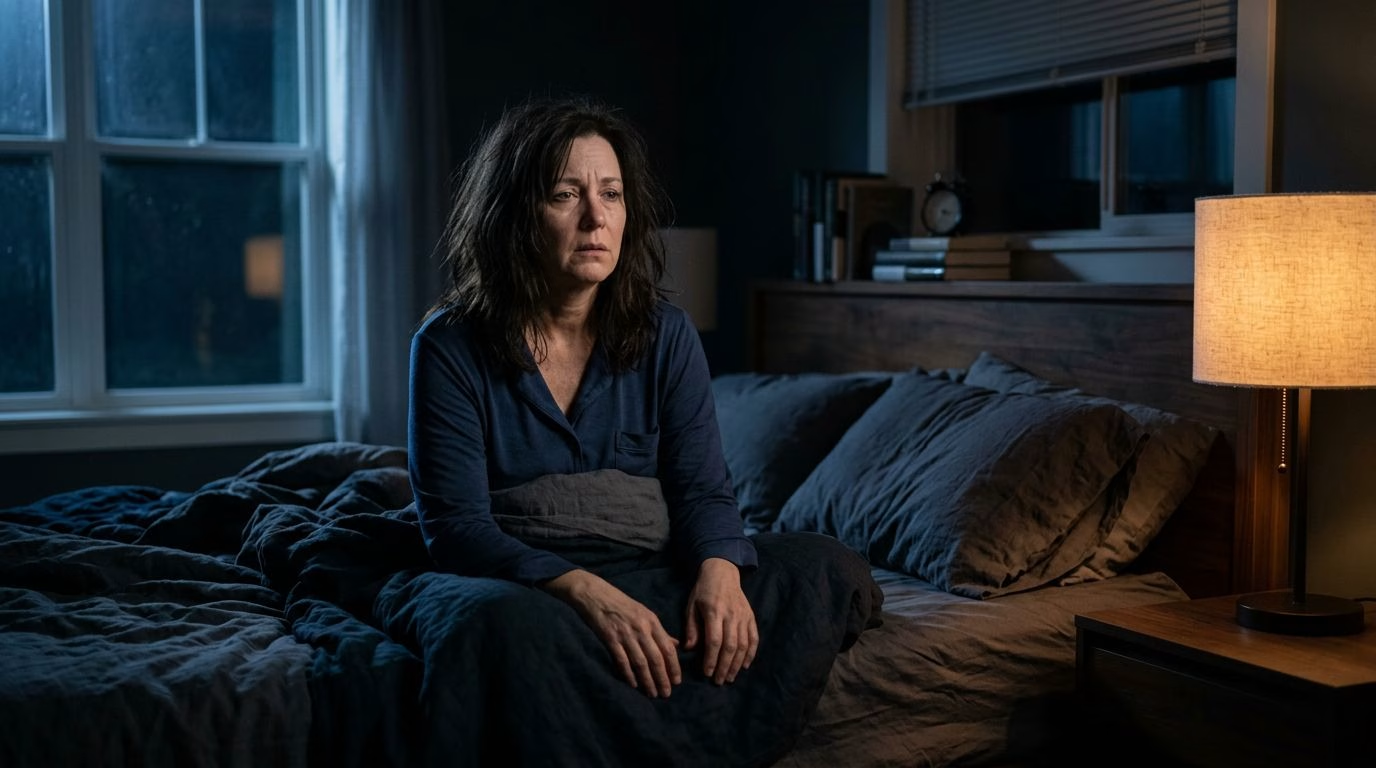
An adult can sit up, speak, and even argue while still partly asleep, then remember none of it by breakfast. The confusional arousals adults experience can look frightening because the person appears awake without being fully conscious. These episodes often follow disrupted or insufficient sleep. They can also point to an untreated condition, the effects…
-
·
Non-24-Hour Sleep-Wake Disorder: Symptoms And Treatment
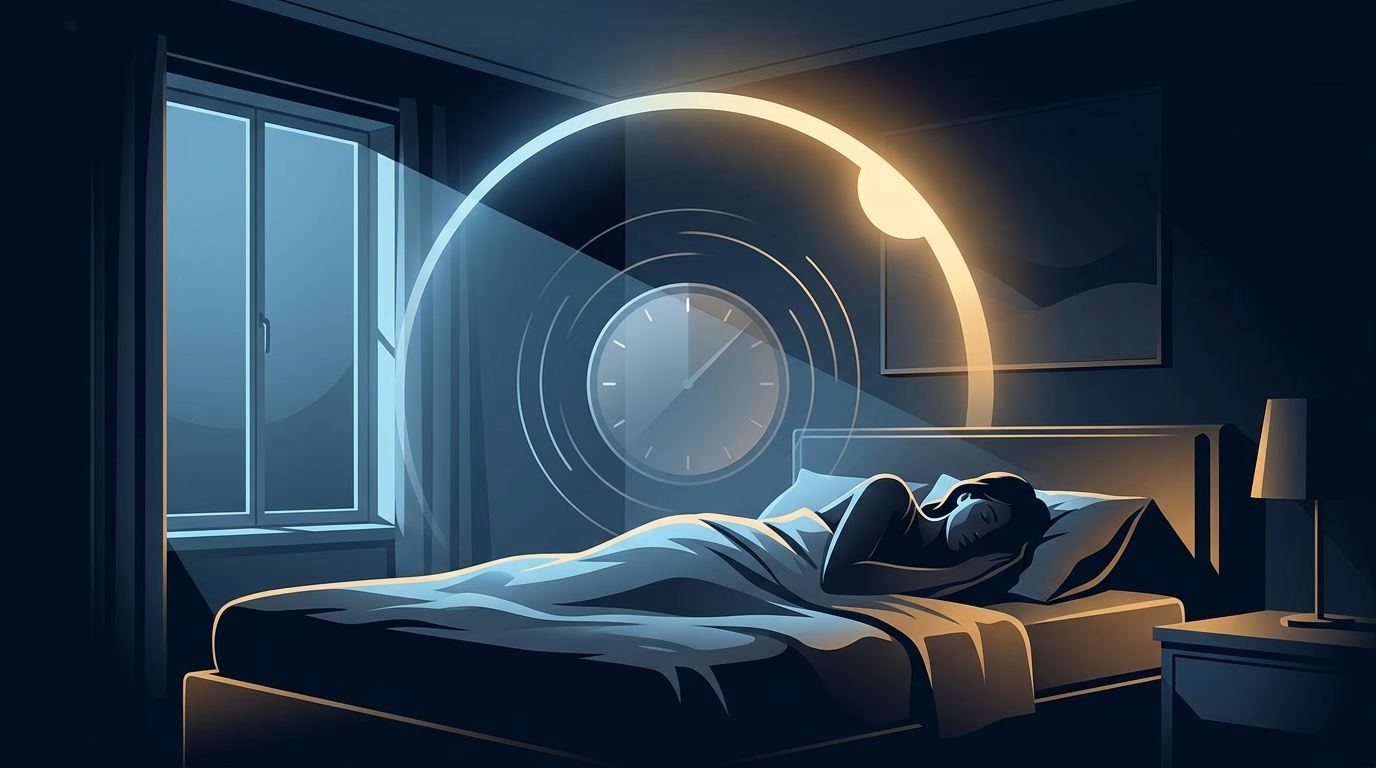
Studies estimate that non-24-hour sleep-wake disorder affects 55% to 70% of blind individuals who are totally blind and have no light perception. For these individuals, and the smaller number of sighted individuals affected, the sleep-wake cycle can shift later each day despite determined efforts to keep a routine. This condition is a recognised circadian rhythm…
-
·
Central Sleep Apnoea: Symptoms, Causes And Treatment
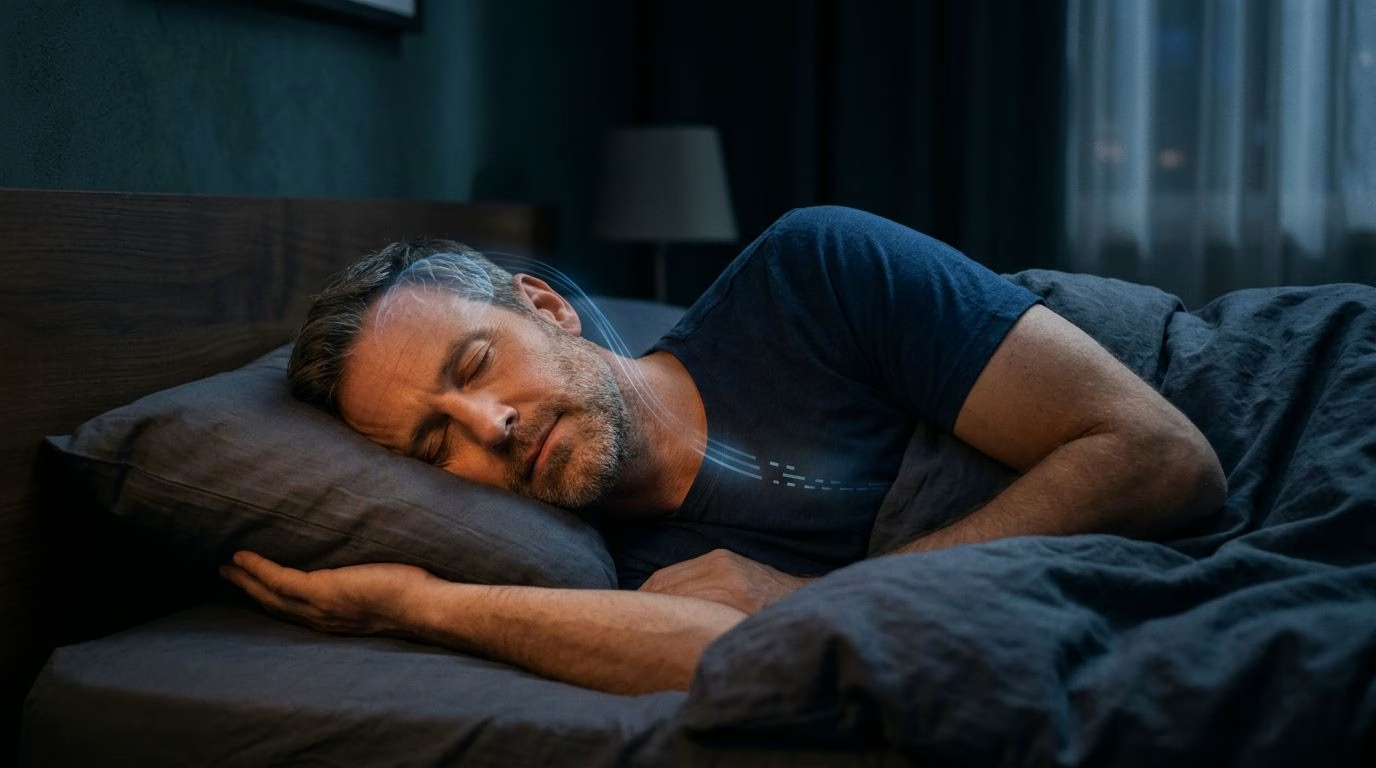
A person can stop breathing repeatedly during sleep even when their airway stays open. Central sleep apnoea happens when the brain briefly fails to send the right breathing signal to the muscles that draw air into the lungs. You may feel exhausted, wake suddenly short of breath, or hear that your breathing pauses overnight. These…
-
·
Nocturnal Seizures: Signs During Sleep And When To Get Help
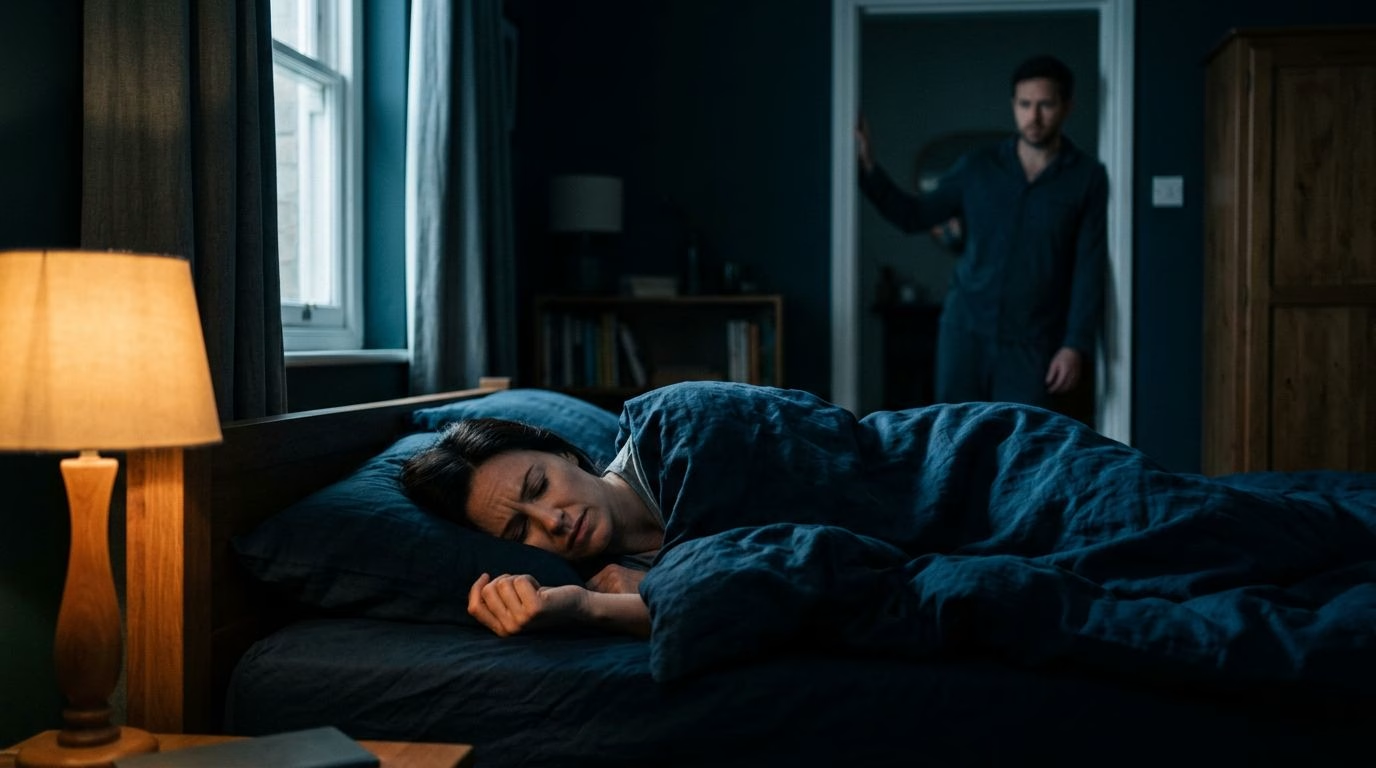
Nocturnal seizures are seizures that happen during sleep, sometimes without any memory by morning. Epilepsy is a neurological disorder that can cause them, but one unexplained overnight episode does not automatically confirm epilepsy. A bitten tongue or cheek, unexplained soreness, or waking confused can be a clue. These signs need medical attention, particularly after a…