

Your brain becomes easier to wash while you sleep. During good sleep, fluid moves through brain tissue more freely and helps carry away waste left behind by active nerve cells.
That clean-up network, defined by Maiken Nedergaard as the primary waste-clearance pathway for the central nervous system, is called the glymphatic system. It removes metabolic waste. It’s one reason a bad night can leave you foggy the next day. Over time, it may matter even more, because long-term sleep loss is linked with poorer brain health as we age.
The science is still growing, especially in humans, but the main message is already useful: sleep is part of your brain’s maintenance shift.
Key Takeaways
- The glymphatic system helps with waste clearance from brain tissue.
- It uses cerebrospinal fluid, the liquid that surrounds the brain and spinal cord.
- Clearance seems to work best during sleep, especially NREM sleep.
- While you’re awake, the brain gives more space to signalling and less to clean-up.
- Poor sleep may leave waste products sitting in the brain for longer.
- This matters for alertness, memory, ageing, and possibly brain disease risk.
- Good sleep timing, morning light, and sensible caffeine cut-offs can support the process.
Table of Contents
- Key Takeaways
- What The Glymphatic System Does
- Why Sleep Makes Clearance Easier
- Why Brain Waste Clearance Matters For Memory And Ageing
- Habits That Support Night-Time Clearance
- Conclusion
- FAQ
What The Glymphatic System Does
The name combines “glial” and “lymphatic”. Astrocytes, a type of glial cell, facilitate this process through their astrocyte end-feet, which feature a polarized expression of aquaporin-4 water channels. These structures help guide cerebrospinal fluid through tiny spaces around blood vessels, including the perivascular space (also known as the paravascular system), where it mixes with interstitial fluid between brain cells and carries metabolic waste away via bulk flow. That waste includes spent proteins and other by-products of normal brain work.

Unlike the rest of the body, the brain doesn’t use a standard lymphatic network inside its tissue. It relies on this separate fluid pathway instead. Cerebrospinal fluid from the subarachnoid space moves alongside arteries, enters the perivascular space to wash through the brain parenchyma, mixes with interstitial fluid, and directs waste toward meningeal lymphatics.
You don’t feel this happening. Still, the effect matters. A busy brain produces a constant stream of leftovers, much like a kitchen after a full day of cooking. If clean-up slows, the mess doesn’t vanish. It hangs around until the system catches up.
Why Sleep Makes Clearance Easier
Sleep seems to open a better window for this work. During slow wave sleep, a stage of NREM sleep, brain activity becomes more synchronised, levels of the chemical noradrenaline fall, and the extracellular space between cells expands. Arterial pulsation acts as a pump to drive fluid through the perivascular space, giving it more room to move and reducing resistance to flow.
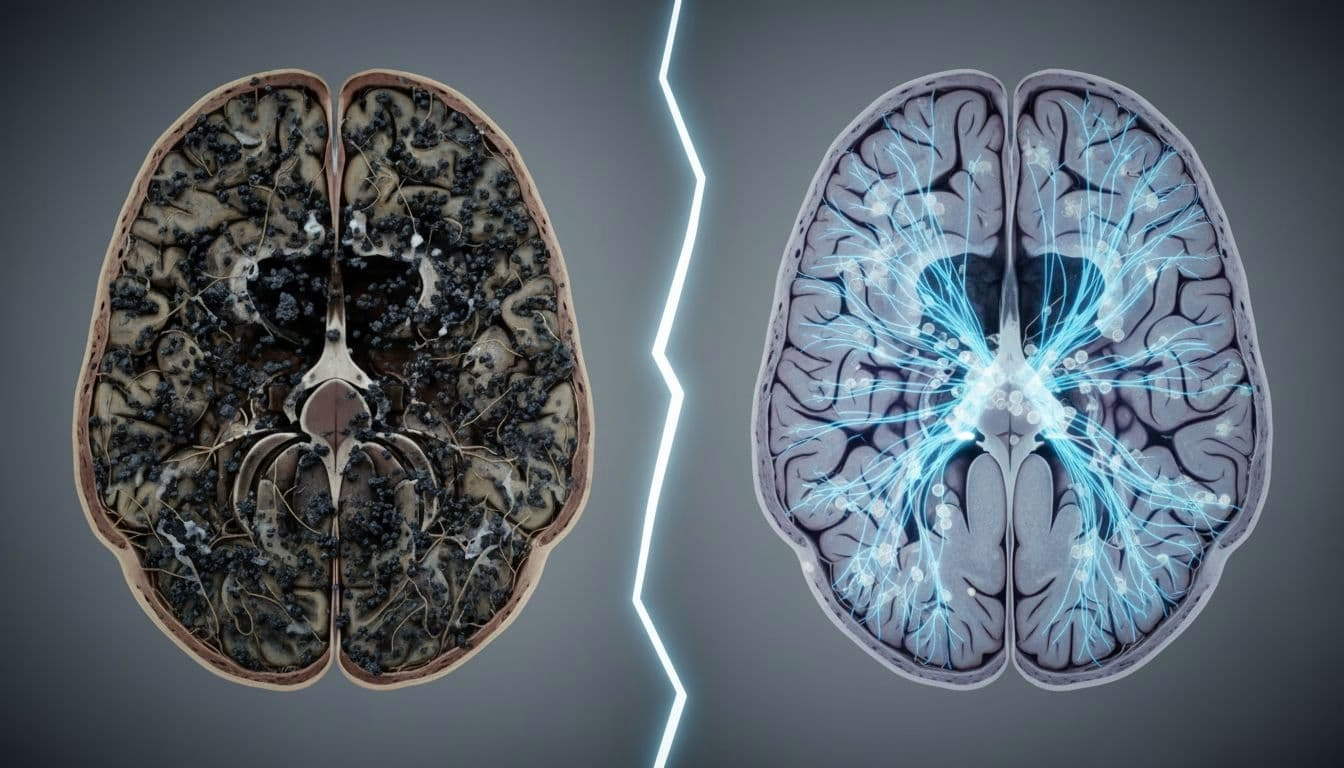
When you’re awake, the brain has a different job. It has to process sights, sounds, decisions, and movement in real time. Sleep shifts resources away from constant input and towards restoration. In other words, the brain gets a quieter period to tidy up.
This isn’t an on-off switch. The glymphatic system doesn’t vanish during the day. Yet research suggests night-time sleep, and especially slow wave sleep, gives it a stronger run. That’s one reason broken sleep can feel stale and heavy, even if you stayed in bed long enough.
Why Brain Waste Clearance Matters For Memory And Ageing
Sleep does more than one job at once. It helps sort memories, stabilise learning, and restore energy use in the brain. If waste clearance also improves during sleep, that gives one more reason good sleep feels mentally freshening, while helping prevent neurodegenerative diseases.
Poor sleep may hit you from two sides. You miss some memory consolidation, and you may also clear less metabolic rubbish. That’s a plausible path to brain fog after late nights, shift work, or frequent sleep disruption. People often feel that cost as poor focus first, and fluid imbalances from poor clearance can even contribute to complications like cerebral edema.
Age adds another layer. Older adults often get less deep sleep, and blood vessels may become less flexible with time, potentially affecting the blood-brain barrier. Both changes could make glymphatic flow less efficient. Researchers are studying links with conditions such as Alzheimer’s disease, where proteins like amyloid beta and tau protein build up due to impaired clearance. The link to Alzheimer’s disease matters, but it isn’t simple. One rough month of sleep won’t decide your future. Still, years of poor sleep probably aren’t harmless.
Habits That Support Night-Time Clearance
The best support is still boring in the best possible way. Keep a regular sleep window, make the room dark and cool, and protect the first half of the night. Deep sleep tends to cluster earlier, so a wildly delayed bedtime can cost you more than you think. These habits promote cerebrospinal fluid dynamics that enhance glymphatic clearance.
Light timing helps because it sets the body clock. Getting morning sunlight for circadian alignment soon after waking can make sleep arrive more cleanly at night. Late caffeine can do the opposite, so caffeine timing for better sleep matters more than most people realise. Alcohol may make you drowsy, but it often fragments sleep later on.

Sleep position may matter too. Some animal work suggests side-sleeping could help fluid movement more than lying flat on the back, but human evidence is still thin. More important is fixing problems that break sleep night after night. Loud snoring, gasping, or waking unrefreshed can point to sleep apnoea, and that needs proper medical help.
Conclusion
Your brain doesn’t only rest at night, it also does housework. The glymphatic system, a fundamental component of the central nervous system, appears to use sleep, especially deep sleep, as a better time to wash away daily waste.
That doesn’t mean sleep is a magic shield against brain disease. It does mean sleep is basic maintenance, and cutting corners has a cost. If you want a sharper mind tomorrow, start by protecting tonight’s sleep for optimal waste clearance.
FAQ
Is the glymphatic system proven in humans?
Yes, but human research using magnetic resonance imaging is harder than animal work. The broad process involving cerebrospinal fluid looks real, while many details are still being refined.
Does one bad night stop brain waste clearance?
No. Your brain still works through short-term disruption. The bigger concern is repeated poor sleep over months or years.
Are naps enough to support the system?
A nap can help alertness and mood. Still, full night-time sleep likely matters more because it gives longer stretches of deep sleep.
Does side-sleeping improve glymphatic flow?
It might, but the evidence is limited. Side-sleeping looks promising in animal studies, yet it isn’t a firm rule for people.
Can supplements boost the glymphatic system?
No supplement has solid proof for that claim. Sleep quality, timing, breathing, light exposure, and caffeine habits matter more.
When should you speak to a GP?
Get help if you snore heavily, gasp in sleep, feel exhausted most mornings, have a history of traumatic brain injury, or can’t stay asleep for weeks. Those problems, including traumatic brain injury that can impair glymphatic system function, can block recovery and deserve proper assessment.
Leave a Reply