
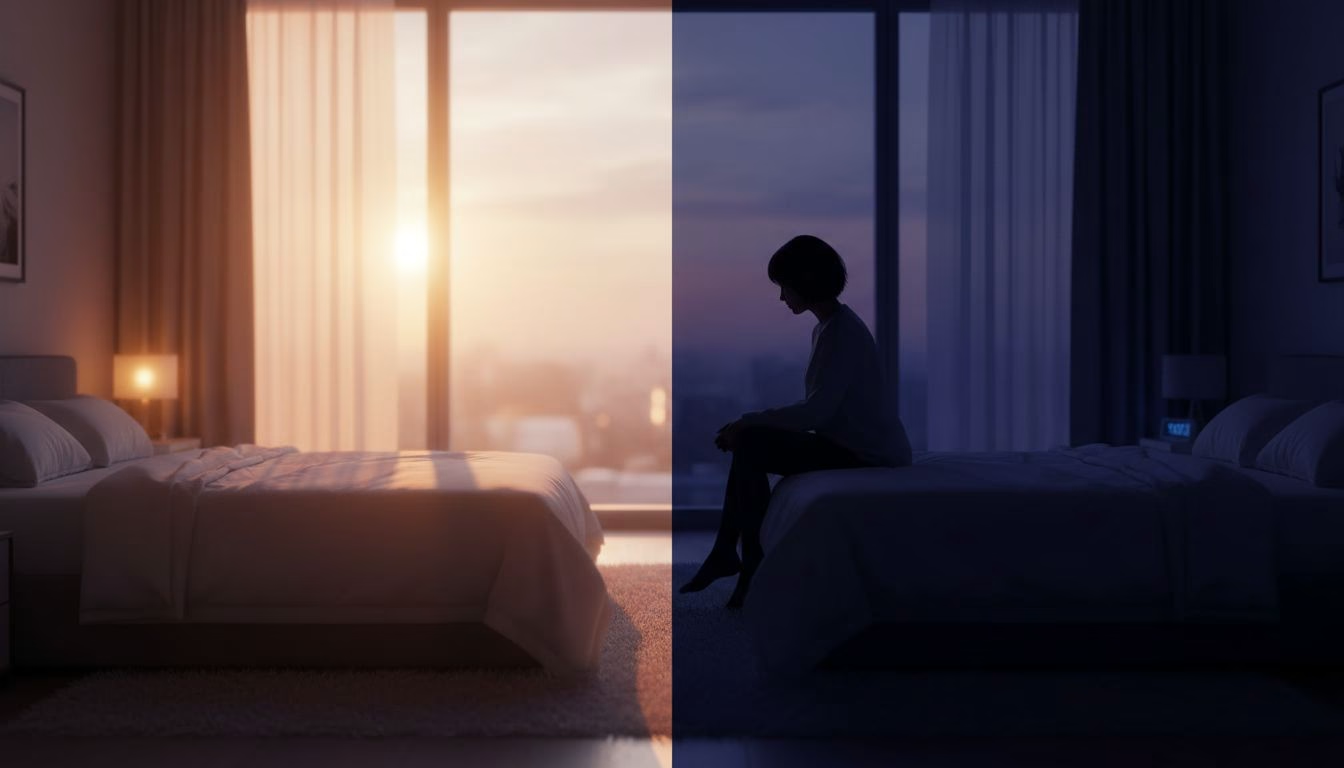
Your sharpest hour may come long after someone else’s, and that’s normal.
If early mornings feel like walking through mud, you might not be lazy or undisciplined. Your chronotype helps shape when you naturally feel alert, sleepy, hungry, and ready to focus. Chronotype explained simply, it’s your body’s preferred timing. Once you work with it, sleep and productivity usually feel less like a fight.
Key takeaways
- A chronotype is your natural pattern for sleep, alertness, and energy across the day.
- It’s shaped partly by biology, so you can’t force a full change overnight.
- Popular chronotype labels are useful guides, not fixed identities.
- A mismatch between your schedule and your body clock can feel like constant drag.
- Deep work usually goes better when you place it in your natural peak window.
- Light, meals, movement, and caffeine can support your rhythm, or disrupt it.
- Small adjustments often help more than a dramatic life overhaul.
What A Chronotype Really Means
A chronotype sits inside your circadian rhythm, your roughly 24-hour body clock. That clock affects sleep timing, body temperature, hormones, and mental sharpness. In plain terms, it helps explain why one person feels bright at 07:00 and another only starts humming at 10:00.
Habits still matter, but they don’t tell the whole story. Two people can follow the same bedtime routine and still feel best at different hours. Age, genes, daylight, and daily demands all play a part. Teenagers and young adults often drift later, while many adults shift earlier with age.
The Four Main Chronotypes
Popular sleep writing often uses animal labels. They aren’t a diagnosis, but they make the pattern easier to spot.
| Type | Usual Pattern | Helpful Focus |
|---|---|---|
| Lion | Early wake, early dip | Hard work before lunch |
| Bear | Mid-range schedule | Keep a steady routine |
| Wolf | Later sleep, later peak | Save deep work for late day |
| Dolphin | Light sleeper, uneven energy | Protect wind-down and consistency |

Most people sit somewhere near the middle, yet mixed types are common. The point isn’t to squeeze yourself into a mascot. It’s to notice when your mind feels clear, when it goes flat, and when sleep comes easily.
Why Your Schedule Feels Harder Than It Should
When your timetable clashes with your chronotype, everyday tasks feel heavier than they should. A late type forced onto a 06:00 alarm may spend weekdays in a fog, then stay up and sleep in at weekends. That pattern is often called social jet lag.
Think of it like wearing shoes that almost fit. You can walk in them, but every step asks for extra effort. Focus drops, mood gets thinner, and sleep can turn patchy because your body never gets a steady signal.
How To Work With Your Natural Rhythm
Start by finding your peak window. For a lion, that may be early morning. For a wolf, it may be late afternoon or evening. Put deep work, revision, writing, or planning inside that window. Save admin, chores, and routine meetings for flatter hours.
Then shape the rest of the day around that pattern. Get outdoor light soon after waking, keep meals fairly regular, and use movement to lift slow periods. Caffeine can help, but timing matters, so it’s worth learning more about timing caffeine around your chronotype. Matching hard tasks to your best mental window also cuts friction, much like why your brain procrastinates and how to stop.
Most importantly, stop copying someone else’s perfect day. A wolf forcing a lion’s routine is like writing with your wrong hand. You can do it, but it costs more.
When Life Won’t Match Your Ideal Day
Life won’t always let you follow your perfect clock. School runs, office hours, and caring duties often win. Still, small changes help. Shift sleep and wake times slowly, often by 15 to 30 minutes, and keep wake time steadier than bedtime.
If stress keeps wiping out your best hours, calm the body first. Short walks, slower breathing, and simple start-up rituals can help you shift from stress to focus with brain resets. If you snore heavily, wake choking, or feel exhausted no matter what, speak to a GP, because chronotype may not be the whole story.
Conclusion
Your chronotype is not a label to hide behind. It’s a practical clue about when your brain and body want to do their best work.
The win comes from timing, not perfection. Protect your wake time, place hard tasks in your peak window, and use light, food, movement, and caffeine with more care.
Start by tracking one week of energy highs and lows. Your natural rhythm usually speaks clearly once you stop drowning it out.
FAQ
Is Chronotype The Same As Being A Morning Person?
Not quite. “Morning person” is casual language, while chronotype is broader. It covers sleep timing, alertness, appetite, and performance across the whole day.
Can You Change Your Chronotype?
You can nudge it, but you probably can’t rewrite it fully. Light exposure, routine, and a steady wake time can shift you a bit earlier or later, though your natural lean often remains.
Which Chronotype Is Best For Productivity?
None is best in every setting. A lion may suit early meetings, while a wolf may do better creative work later. Productivity improves most when tasks match your energy.
Why Do Teenagers Often Stay Up Later?
Their biology tends to shift later during adolescence. That makes early starts feel harder, even when they want to sleep sooner. It’s one reason school mornings can feel brutal.
Do Screens And Coffee Mess Up Chronotype?
They can muddy the signal. Late bright light can delay sleep, and badly timed caffeine can prop you up when your body wants to slow down. They don’t change who you are, but they can hide your pattern.
When Should I Get Help For Sleep Problems?
Get advice if tiredness is constant, sleep feels broken for weeks, or you have signs like loud snoring or gasping. A chronotype mismatch can cause fatigue, but so can sleep disorders, stress, or illness.
Leave a Reply