
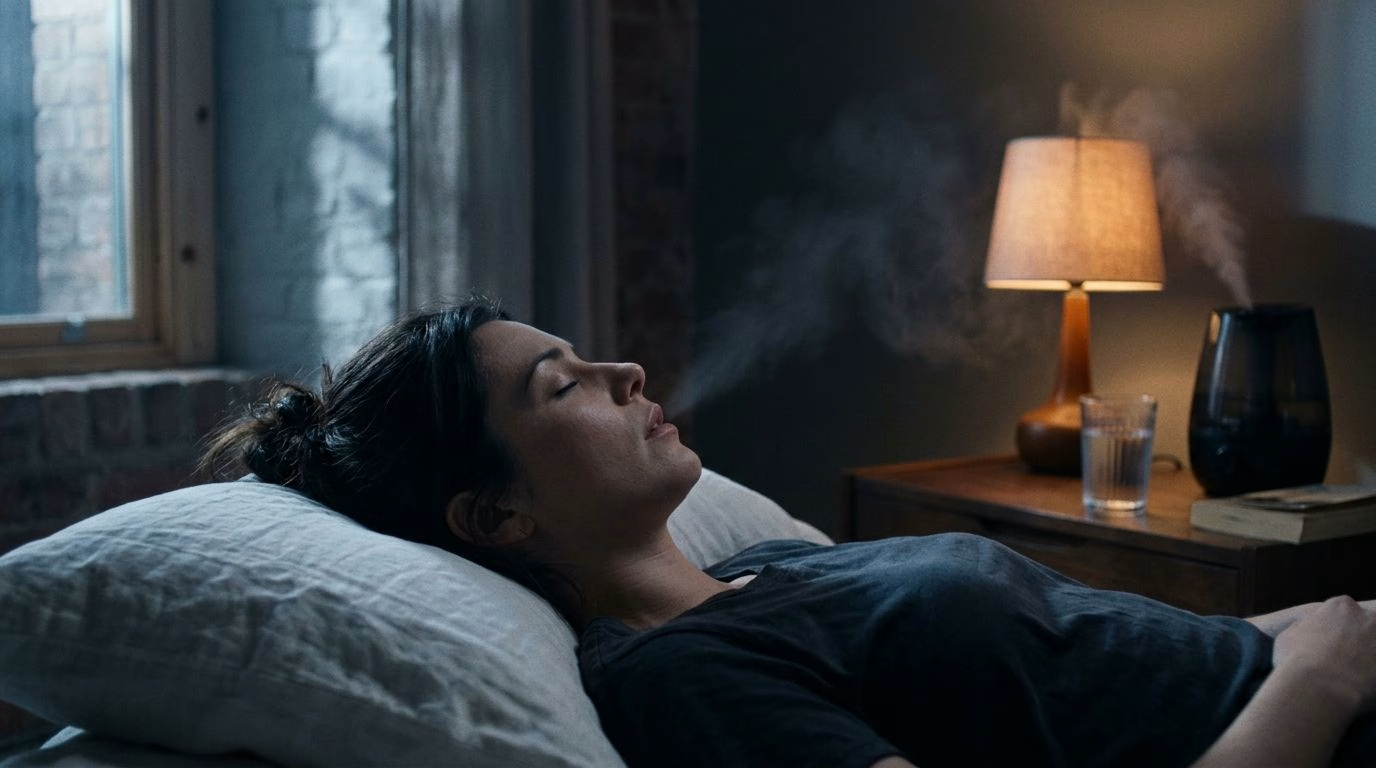
Saliva production naturally drops while you sleep. Because of this, even a mildly blocked nose, a late drink, or the wrong tablet can cause you to wake up with dry mouth at night (xerostomia) far more often than you might expect.
If this happens occasionally after a salty meal, it usually is not a major concern. However, if you wake up with a parched mouth most nights, your body may be signaling issues like chronic mouth breathing, systemic dehydration, the side effects of medication, or an underlying health condition that requires a closer look.
Key Takeaways
- Experiencing dry mouth at night usually has a simple cause, but persistent symptoms deserve professional attention.
- Mouth breathing is one of the most common reasons people wake up feeling parched.
- A blocked nose, snoring, allergies, and sleep apnea can all make the problem significantly worse.
- Factors like alcohol consumption, smoking, vaping, dry bedroom air, and low fluid intake can further trigger symptoms.
- Many common medicines, such as antihistamines, decongestants, antidepressants, and diuretics, often contribute to the issue.
- Small sips of water, xylitol lozenges, and alcohol-free dry mouth gels can provide effective, immediate relief.
- Chronic dryness can raise your risk of developing bad breath, tooth decay, gum irritation, and poor sleep quality.
- If your symptoms last more than two weeks, or are accompanied by heavy snoring, extreme thirst, or mouth sores, you should consult a dentist or GP.
Why Night-Time Dryness Matters
A dry mouth in the middle of the night feels annoying, but it is about more than just thirst. Saliva protects your teeth, assists with swallowing, keeps the mouth comfortable, and washes away acids and food debris. When saliva production drops too low, your mouth loses its built-in rinse cycle.
That is why night-time dryness often comes with more than a sticky tongue. You might notice bad breath, cracked lips, a rough throat, a sour taste, or saliva that feels thick and foamy. Some people also wake to sip water several times, which breaks up sleep and leaves them groggy the next day.
Repeated dryness can also affect your dental health. With less saliva, plaque acids sit on the teeth for longer periods, which increases the risk of tooth decay. Furthermore, consistent dryness can aggravate gum disease and cause ongoing discomfort. These combined factors highlight significant oral health risks, especially for those who wear retainers, dentures, or night guards, as the lack of moisture makes these appliances feel far less comfortable.
Mouth Breathing And A Blocked Nose
For many adults, the primary culprit behind nighttime dryness is mouth breathing. Air moving in and out through the mouth for hours at a time dries the tissues much faster than saliva can replenish the moisture. You may never notice it while you are unconscious, but your mouth certainly feels the effects come morning.

Persistent nasal congestion is often the underlying reason. Issues such as colds, hay fever, sinus swelling, nasal polyps, a deviated septum, or enlarged tonsils can all force your body to switch to an open-mouth sleeping position. Because these airway obstructions often hinder healthy nasal breathing, snoring frequently occurs as a secondary symptom.
If you wake up with a dry mouth and a sore throat, start by evaluating your nose. Do you feel stuffed up before bed? Do your symptoms worsen during pollen season, after cleaning, or when the bedroom air feels dusty? These clues are significant. A saline spray or rinse before sleep can alleviate mild congestion, while a steroid nasal spray may help reduce allergic swelling, though these products often require a few days of consistent use to be effective.
Loud snoring, choking, gasping, or witnessed pauses in breathing point to a more serious concern. In these cases, dry mouth may be one sign of sleep apnea, and the condition warrants professional medical advice.
Dehydration, Drinks And Dry Air
Low fluid intake is a primary driver, but it is not the only cause. If you go to bed already experiencing mild dehydration, your mouth has less margin to stay hydrated overnight. A hot bedroom, physical activity, digestive issues, or simply forgetting to drink enough fluids throughout the day can all make the problem more obvious by the time you head to bed.
Alcohol makes things worse in more than one way. It can leave you feeling drier overall, and it also relaxes the muscles around the airway, which often increases snoring and mouth breathing. Caffeine affects people differently, but consuming coffee, tea, energy drinks, or cola late in the day can leave some people both sleeping less soundly and waking up with a drier mouth by morning.
Smoking and vaping can irritate the tissues in the mouth as well. The same goes for very dry indoor air, especially in winter when radiators run for hours; in these cases, using a humidifier in your bedroom can provide significant relief. If you often wake with persistent thirst, tiredness, and a headache, why dehydration causes dry mouth and tiredness is worth a look.
The fix usually starts earlier in the day. Sip water steadily, rather than trying to rescue everything with a huge glass right before bed. That approach helps your mouth stay hydrated without sending you to the bathroom throughout the night.
Medicines That Commonly Dry The Mouth
Medicines are a major cause of dry mouth at night, and people often miss the link. Many tablets reduce saliva production as one of the common side effects of medications, while others lead to systemic dehydration. Because saliva production naturally slows down during sleep, even a modest medication effect can feel much stronger overnight.
Common culprits include antihistamines used for allergies, decongestants for colds, and certain antidepressants. Other medications that may contribute to this issue include those for overactive bladder, antipsychotics, blood pressure medications, and various painkillers. Diuretics can also leave you feeling drier because they increase how often you need to urinate. Additionally, ADHD medicines such as methylphenidate may play a part.
Timing can matter significantly. A medicine taken in the evening may reach its peak effect while you are asleep. Over-the-counter night-time cold remedies and sleep aids can also dry the mouth more than people expect, especially if they contain sedating ingredients.
Do not stop a prescribed medicine on your own. Instead, ask your pharmacist or GP whether the timing, dose, or drug choice could be reviewed. Sometimes a small change helps. In the meantime, alcohol-free dry mouth sprays or gels from UK chemists can make nights more comfortable while you work to identify the underlying cause.
Health Conditions That Can Be Behind It
Sometimes a dry mouth at night is a symptom rather than the whole problem. Diabetes can cause extra thirst and mouth dryness, often accompanied by tiredness, blurred vision, recurrent thrush, or the need to urinate more frequently than usual. If those signs occur together, it is important to speak with your GP.
Autoimmune conditions can also reduce saliva production. Sjogren’s syndrome is a well-known example; people with this condition often experience dry eyes along with a dry mouth, and the dryness can feel persistent rather than occasional. Furthermore, issues affecting your salivary glands can hinder the amount of moisture your mouth produces, and radiation therapy for head and neck cancers is another common factor that can lead to persistent dryness.
Stress and poor sleep can make things worse even when they are not the primary cause. During tense periods, some people breathe through their mouth more, clench their jaw, or wake up frequently with a parched feeling. If that sounds familiar, understanding body signals like dry mouth can help you spot the pattern sooner.
Dental appliances matter too. A retainer, night guard, or dentures may hold the lips slightly open or make you notice dryness more. Menopause can also change mouth comfort for some women. If the symptom feels new, strong, or hard to explain, do not keep guessing for months.
What Helps Straight Away When You Wake Dry
When you wake with a dry mouth, comfort comes first. Take small sips of plain water and swish it around before swallowing. This method moistens the oral tissues more effectively than taking one big gulp, which is particularly helpful if you are experiencing any difficulty swallowing. If your lips are cracked, apply a simple lip balm to soothe the area as well.
Products specifically formulated for dry mouth can provide more relief than water alone. Using xylitol lozenges or adhesive discs, such as XyliMelts, can encourage natural saliva production and provide longer-lasting comfort during the night. Gels and sprays like Biotene or Oralieve can also coat the mouth before bed or after a waking spell. While these products do not address the underlying cause, they are excellent for reducing that miserable, sticky feeling.
Skip fizzy drinks, fruit juice, and sugary sweets at the bedside. When saliva production is low, sugar and acid remain on the teeth for longer, which increases your risk of decay. Avoid standard alcohol-based mouthwashes before bed, as they can sting and dry your tissues further. Instead, opt for an alcohol-free mouthwash that provides moisture without irritation. If you wake up feeling dry and foggy, these tips for waking up more alert and hydrated can help the rest of your morning feel less heavy.
Habits That Prevent Dry Mouth Overnight
The most useful changes are often simple. Clear your nose before bed if congestion is part of the story. If allergies flare often, ask a pharmacist or GP about a treatment plan that promotes consistent nasal breathing without making dryness worse. Side-sleeping may also help if you tend to snore with your mouth open while lying on your back.
Keep the bedroom cool if you can, as temperatures around 16 to 19 degrees Celsius often suit sleep well, and pay attention to how dry the air feels. Using a humidifier can help in a heated bedroom, especially during winter months. While it may not solve every case, it can significantly take the edge off overnight dryness.
Your daytime habits matter too. Drink water regularly throughout the day, go easy on alcohol in the evening, and try not to smoke or vape before bed. Maintaining good oral hygiene is vital; brush your teeth last thing at night with fluoride toothpaste and try not to rinse heavily afterwards. This leaves more fluoride on the teeth, which is especially important when your natural saliva flow is low.
If you use a CPAP machine, dryness may point to a mask leak or incorrect humidity settings rather than the device itself. A sleep clinic, supplier, or GP can help you troubleshoot your sleep therapy equipment to ensure your settings are optimized for comfort.
When To See A Dentist Or GP
If dry mouth at night persists for more than two weeks, it is time to get it checked. A dentist can evaluate your oral hygiene to look for early signs of tooth decay, gum changes, thrush, mouth ulcers, and insufficient saliva flow. A GP can review your current medications, order blood tests if necessary, and investigate underlying concerns such as diabetes, nasal obstruction, or sleep apnea.
Seek professional help sooner if you experience significant oral health risks, such as difficulty swallowing, white patches in the mouth, persistent swelling, fever, weight loss, or an unexplained increase in thirst and urination. New, loud snoring, gasping during sleep, and morning headaches are also symptoms that deserve clinical attention. These are not issues to ignore.
If dry mouth wakes you most nights, treat it as a symptom, not a small annoyance.
If you are not sure where to start, your pharmacist is a practical first step. If your local surgery is closed and your symptoms feel urgent, NHS 111 can provide the necessary guidance.
Conclusion
A dry mouth at night is frequently caused by a reduction in saliva flow combined with environmental factors like mouth breathing, dry bedroom air, alcohol consumption, or side effects from medication. The good news is that many cases improve once you identify the triggers.
Start with the basics this week by evaluating your nasal health, evening habits, bedroom humidity, and your current list of medications. If you find that the issue persists, book an appointment with a professional. Addressing these symptoms is important because consistent saliva production is vital for better sleep and long-term protection for your teeth against the complications associated with xerostomia.
FAQ
Is Dry Mouth At Night Always Dehydration?
No. While simple dehydration can contribute to the issue, it is rarely the only cause. Factors such as mouth breathing, blocked nasal passages, dry indoor air, and various medications are often more significant reasons for waking up parched.
Can Snoring Cause A Dry Mouth?
Yes. Snoring often coincides with sleeping with your mouth open, which dries the oral tissues for hours. If your snoring is accompanied by gasping, pauses in breathing, or morning headaches, consult a GP to rule out sleep apnea.
Which Medicines Are Most Likely To Cause It?
Common culprits include antihistamines, decongestants, certain antidepressants, bladder medications, diuretics, ADHD drugs, and some painkillers. A pharmacist can often confirm quickly whether your current prescriptions are known to cause dry mouth symptoms.
What Should I Keep By The Bed?
Plain water is the safest option. Many people also find that a xylitol lozenge or an alcohol-free dry mouth gel provides more effective relief, as the moisture lasts longer than a quick sip of water.
Do Biotene, Oralieve, And XyliMelts Work?
They can certainly help manage symptoms, especially throughout the night. While they do not fix a blocked nose or the underlying side effects of your medication, they can make your sleep significantly more comfortable.
Can A Humidifier Help?
Yes, if the air in your room is excessively dry. Using a humidifier tends to provide the most relief in winter, in heated bedrooms, or when the air feels stuffy and parched by morning.
Can Dry Mouth Damage Teeth Or Gums?
Yes. Saliva is essential because it protects enamel and neutralizes acids. When you lack enough saliva, it increases the risk of tooth decay, bad breath, and gum disease. This is a primary reason why a dental check is sensible if the problem persists.
How Much Do Dry Mouth Products Cost In The UK?
Basic saline sprays often cost about £3 to £8. Dry mouth gels or sprays are usually around £5 to £12, lozenges often fall between £6 and £15, and a decent unit for moisture control commonly costs £20 to £60 or more.
When Should I Get Medical Advice?
Ask for help if the problem lasts more than two weeks, wakes you often, or comes with mouth sores, swallowing trouble, strong thirst, frequent urination, or loud snoring. Start with a dentist, pharmacist, or GP, and use NHS 111 for urgent advice out of hours.
Leave a Reply