

You can feel mental fogginess before you feel thirsty. That’s why mild dehydration often slips into busy days without much warning.
A long meeting, a warm room, a rushed commute, or a hard gym session can be enough to knock your cognitive performance off course. When hydration and focus start to drift apart, even simple tasks can feel oddly heavy.
The effect is small on paper, yet it can feel big in real life. It starts with a few changes inside the body that affect overall brain function as fluid levels drop.
Key takeaways
- Mild dehydration can make attention, vigilance, memory, and mental speed feel worse before strong thirst kicks in.
- Your brain works best when fluid balance helps steady blood flow, temperature, and nerve signalling.
- The first signs are often subtle, such as dry mouth, a dull headache, tiredness, or irritability.
- You may also experience short-term memory lapses, such as rereading lines, losing your train of thought, or struggling to find the right word.
- Changes in urine color can be a clue, but it should not be your only sign.
- Adequate hydration through frequent drinking water throughout the day often helps more than one large drink when you already feel drained.
- Water-rich foods can support hydration, especially during hot weather or busy workdays.
- If symptoms are strong, persistent, or come with dizziness or confusion, get medical advice.
- Maintaining hydration supports optimal brain function.
How Mild Dehydration Trips Up Attention
Your brain likes stable conditions. When fluid levels dip even with just a 1-2% body water loss, your body has less room to keep temperature, blood flow to the brain, and energy use steady. That doesn’t always create a dramatic crash, but it can create friction.
The result is often a drop in mental efficiency, as cognitive function and executive function suffer from dehydration. You may take longer to switch tasks, hold less in working memory, or need more effort to stay on the same page. A report, lecture, or email chain can start to feel like walking through mud.
That’s why mild dehydration matters. The fluid loss may be modest, yet focus depends on tiny systems working smoothly together as part of essential neurological function.
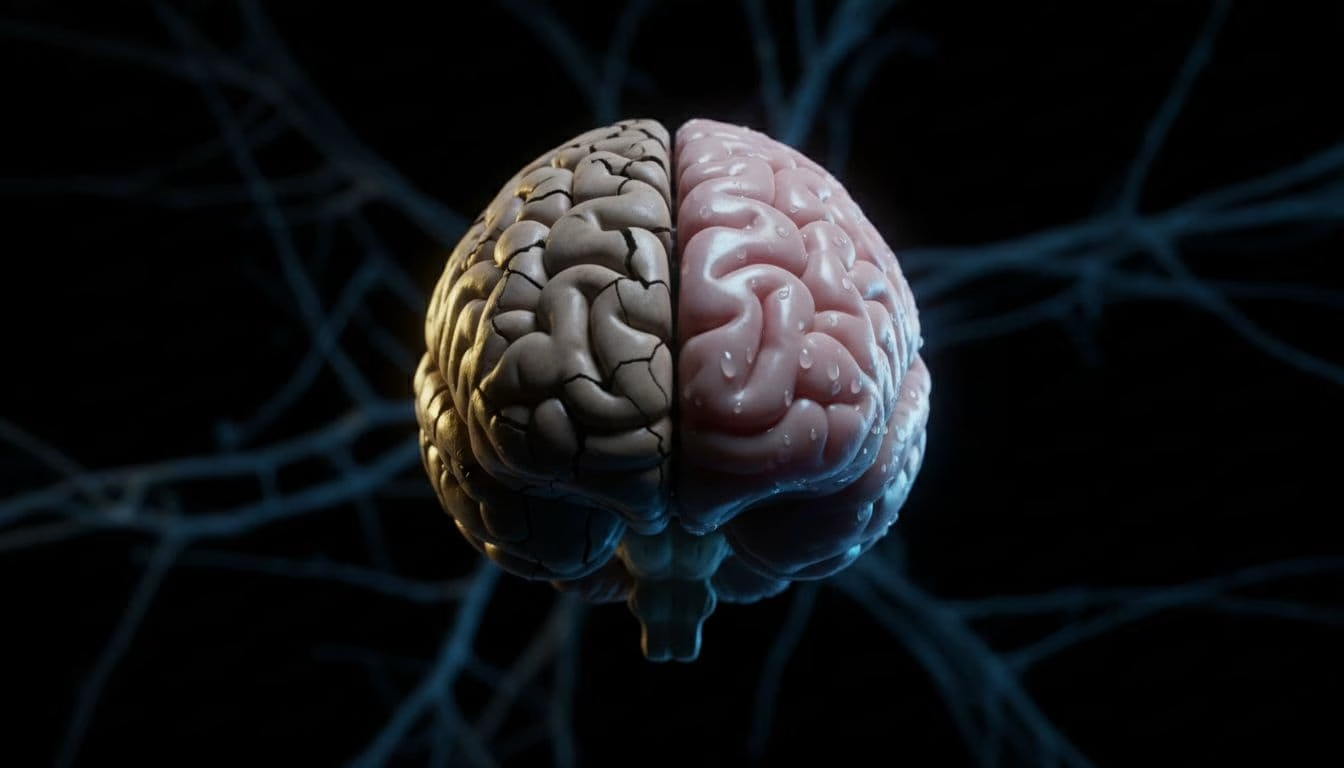
A small fluid shortfall can create a mental slowdown that feels larger than the loss itself.
Why The Dip Often Sneaks Up On You
Mild dehydration rarely announces itself with a big alarm. Instead, it blends into other problems you already know well, poor sleep, stress (which it compounds by impacting cortisol levels), too much screen time, or a packed schedule.
Because of that overlap, people often blame themselves first. They think they lack discipline, motivation, or mental stamina. Sometimes the simpler answer is that the brain is running with less support than usual, lacking the steady fluid intake it needs to maintain performance.
Thirst also isn’t a perfect early warning. You can go a while with flat concentration (a primary casualty of ignoring thirst), a dry mouth, or a heavier mood before you stop and think about water. That’s one reason office workers and students often miss it until the afternoon slump hits hard.
Signs You Might Be Running Low
The common signs are easy to shrug off. You might notice dry lips, sticky mouth, a mild headache, slower reaction time, mood swings, or a tired feeling that coffee doesn’t quite fix. Some people get more irritable. Others feel oddly slow.
Focus problems can show up in small ways. You reread the same sentence, forget why you opened a tab, or lose track of a conversation halfway through. Those slips, reflecting a loss of mental clarity, don’t always mean dehydration, but they fit the pattern.
Your body may give clues as well. Darker urine (checking urine specific gravity is a more accurate measure than just looking at color), less frequent toilet trips, and feeling hotter than usual can all point in the same direction. Monitoring water consumption is key to identifying these patterns early. When several signs appear together, pay attention.
Simple Habits That Protect Hydration And Focus
The best fix for smart hydration is usually boring, and that’s good news. Boost your drinking water habits earlier, not only when you feel parched. A glass of water after waking, another with meals, and a bottle within reach during work can smooth out the day.
Pair drinking water with things you already do. Sip before a meeting starts, after every toilet break, or when you sit down to study. Those small links work better than relying on memory alone.
Food helps too. Fruit, yoghurt, soups, and other water-rich meals add to your water consumption without much effort. These water-rich foods provide essential nutrients that support brain health. In the same way, good nutrition supports steadier thinking, and these top 10 brain foods for cognitive health fit well into a brain-friendly routine.
You don’t need to obsess over a perfect number. Your needs change with weather, exercise, illness, body size, and how much you sweat. What matters most is a steady fluid intake.
Conclusion
When your mind feels slow, remember that productivity depends heavily on brain health, so water deserves a place on the checklist beside sleep, stress, and food. Mild dehydration can quietly drag down attention long before it feels serious.
The practical next step is simple. Drink a glass of water a bit sooner today, then notice whether your focus and cognitive performance feel lighter and more efficient over the next hour.
FAQ
What counts as mild dehydration?
It refers to a slight disruption in your water balance, where your body is low on fluids but not to a dangerous level. You may still be walking around and working normally, yet your concentration and comfort can start to slip.
How much water should I drink for better focus?
There is no single perfect amount for every adult. A better rule is to drink regularly across the day, then take more in hot weather, after exercise, or when you sweat more.
Can tea and coffee count towards hydration?
Yes, they can count towards your fluid intake. However, they should not be the only source for adequate hydration, as they may not fully support electrolyte balance. Still, if you rely on them alone and ignore thirst, you may miss the steady drinking pattern that helps focus feel stable.
How fast can focus improve after drinking water?
That depends on how low your fluid level was and what else is going on, such as sleep or stress. Proper hydration supports the glymphatic system in clearing metabolic waste to aid brain function. Some people feel better within a short time, while others notice a slower lift over the next hour or two.
Do water-rich foods help with hydration?
Yes, they do. Foods like fruit, vegetables, soups, and yoghurt add fluid and can make it easier to stay topped up without thinking about it all day.
Are headaches always caused by dehydration?
No, headaches have many causes. But if a headache comes with dry mouth, tiredness, darker urine, or poor focus signaling a decline in cognitive function, dehydration is one possible reason worth checking first.
Leave a Reply