

Your nervous system can react to stress before your mind finds words for it.
That’s why you can feel wired, blank, snappy, or shut down without fully knowing why. The window of tolerance gives you a simple way to understand that shift. Once you can spot the window of tolerance, getting back to steadier ground feels far less mysterious.
Key takeaways
- The window of tolerance is the zone where you can cope, think, and feel without tipping into overwhelm or shutdown.
- Hyperarousal feels like too much energy, anxiety, panic, anger, or restlessness.
- Hypoarousal feels like too little energy, numbness, fog, heaviness, or disconnection.
- You usually get back in faster when you calm the body before trying to reason.
- Slow breathing, grounding exercises, and movement can help your nervous system settle.
- Sleep, food, routine, and breaks can make your window wider over time.
- If stress responses feel frequent or intense, extra support can make a big difference.
What The Window Of Tolerance Actually Means
The window of tolerance concept, coined by psychiatrist Dan Siegel, describes the optimal zone of arousal where your nervous system operates effectively. Think of it like a car with a safe speed range. Inside that range, you can steer, brake, and notice the road. That’s your window of tolerance. Here, the prefrontal cortex supports executive functioning, so you can think clearly, feel emotions without drowning in them, and respond rather than react.
When you’re inside the window, stress still exists. The difference is that it stays workable, without dysregulation taking over. You might feel upset, but you can still speak, listen, decide, and recover.
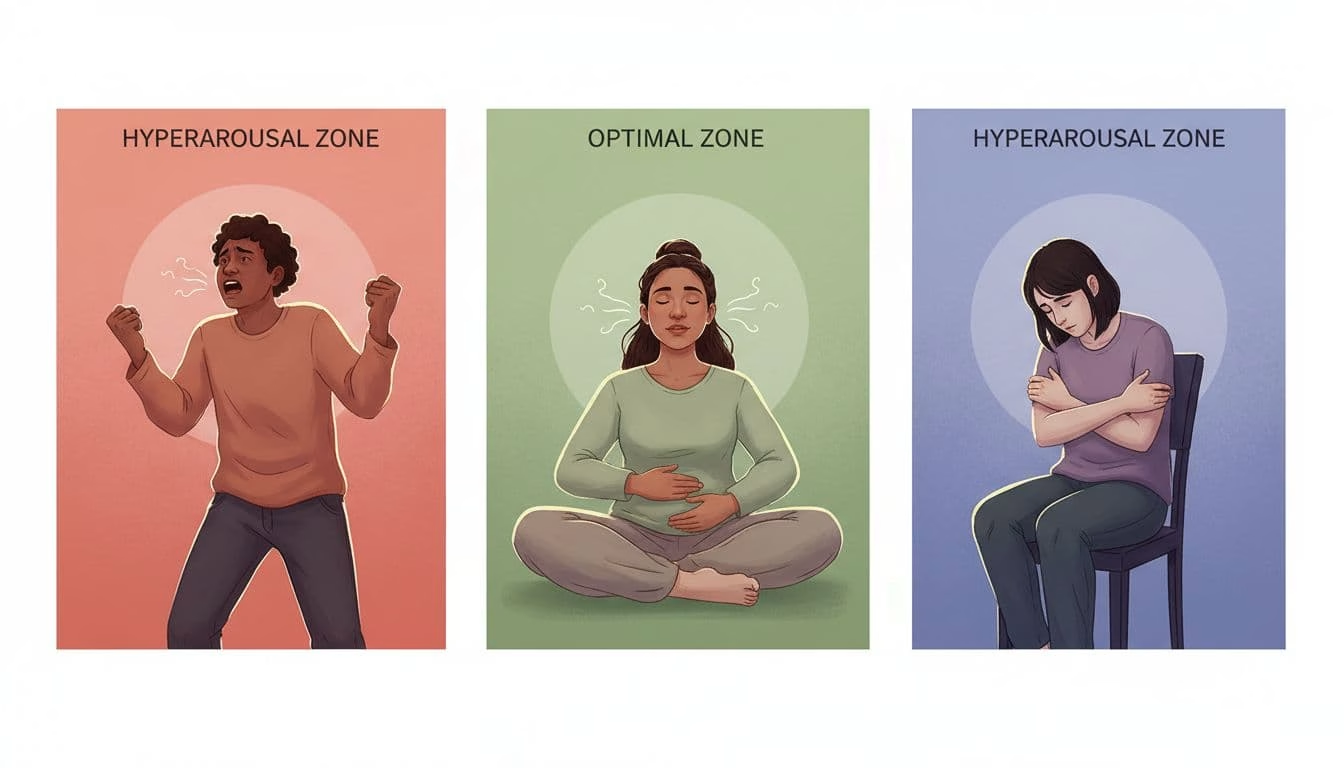
Your window isn’t fixed. It can shrink after poor sleep, conflict, illness, too much caffeine, or long-term stress, leading to dysregulation. It can also grow with practice, safety, and support. So if you feel “fine” one day and flooded the next, that doesn’t mean you’ve failed. It means your system has limits, and limits move.
What Hyperarousal And Hypoarousal Feel Like
When you leave your window on the high side, that’s hyperarousal, triggering the fight or flight response. You may feel anxious, angry, hypervigilant, on edge, shaky, or unable to sit still. Thoughts race, breathing gets shallow and rapid, heart rate accelerates, and everything feels urgent.
When you drop out on the low side, that’s hypoarousal, activating the freeze response. You may feel emotional numbness, flat, sleepy, frozen, or far away from yourself. Thinking gets slow, words are hard to find, body feels heavy, and even small tasks can feel overwhelming.
Too much energy (fight or flight response) and too little energy (freeze response) can both mean the same thing, your nervous system doesn’t feel safe.
Both states are protective reactions to a perceived threat. Your body is trying to help, even if the result is messy. That’s why shame rarely helps. Noticing the state with a bit of kindness is a better starting point.
Get Back In By Calming The Body First
When stress surges, logic often goes offline. First, help your body get the message that the danger has passed. Then your thinking brain can come back online.
Start small. Lengthen your exhale. Press both feet into the floor. Unclench your jaw. Drop your shoulders. Look around the room and name three things you can see. These signals anchor your nervous system in the present moment.

Specific breathwork helps because it’s direct. Try inhaling for four, then exhaling for six, for one or two minutes. If you want more ideas, these body-based methods to quiet stress responses pair well with the same body-first approach.
Use Grounding To Reconnect With The Present
Grounding exercises work best when they’re concrete. Touch a cold glass to tune into body sensations. Hold something textured. Stand up and feel the weight in your heels. Describe five things you can see without rushing; this mindfulness anchors you in the present moment. Simple sensory detail can pull you out of spiralling thoughts.
Movement can help too. Walk to the kitchen. Stretch your arms. Shake out your hands. If you feel shut down, gentle movement can bring a bit of energy back. If you feel overamped, slow movement can bleed off some charge.
The key is matching the tool to the state. A revved-up system often needs slowing. A collapsed system often needs safe activation.
Daily Habits to Widen Your Window
Quick resets matter, but daily care matters too. Incorporating enough sleep, regular food, water, daylight, and breaks into everyday life helps widen your window of tolerance. None of that is glamorous, but it works.
Practice helps most when you do it before a hard moment. Regular mindfulness, such as a two-minute breathing drill in the morning, can make it easier to use later and helps build resilience against the stressors of everyday life. So can short walks, journaling, and fewer back-to-back demands. In everyday life, stress can also turn simple tasks into avoidance, and overcoming limbic-driven task avoidance gets easier when your system feels safer.
When To Get Extra Support
Sometimes self-help tools aren’t enough, especially for trauma survivors with post-traumatic stress disorder if panic, shutdown, dissociation, or trauma reactions keep showing up. In that case, working with a therapist can help you track patterns, apply therapeutic strategies, and process traumatic memories to build steadier regulation.
That step isn’t a last resort. It’s often the shortest path to feeling less hijacked by your own nervous system.
Conclusion
The window of tolerance is not about staying calm all the time. It’s about noticing when you’ve drifted out, then using simple tools to come back.
Start with one body-based reset and use it often. The goal isn’t perfection; it’s a little more space, a little more choice, and a steadier way to meet stress. Practicing these self-regulation techniques improves your overall emotional regulation.
FAQ
Is The Window Of Tolerance The Same For Everyone?
No. Each person has a different window of tolerance, and it can change from day to day. Sleep, stress, health, and past experiences all affect it.
How Do I Know If I’m In Hyperarousal?
Hyperarousal happens when you feel sped up or overloaded, often as part of the fight-flight-freeze system responding to a perceived threat. Common signs include panic, irritability, racing thoughts, tight muscles, and shallow breathing.
How Do I Know If I’m In Hypoarousal?
Hypoarousal may leave you feeling flat, foggy, frozen, or far away. People often describe it as numbness, heaviness, or emotional shutdown.
How Long Does It Take To Get Back In?
Sometimes it takes a minute or two. Other times it takes longer, especially after strong stress. The aim is steadying your window of tolerance, not forcing it.
Can Breathing Ever Make Me Feel Worse?
Yes, for some people, especially if they have traumatic memories or panic symptoms. If that happens, try grounding through touch, sight, or movement instead.
Can Therapy Help Widen My Window Of Tolerance?
Yes. Therapy can help you notice triggers, practise regulation, and feel safer in your body. Over time, that often widens your window of tolerance and makes stress feel more manageable.
Leave a Reply