

Your immune system does not work the same shift all day. During good sleep, early deep sleep is associated with growth hormone release. The body also creates conditions that help immune cells communicate, learn, and prepare for future threats.
Research into sleep immune function helps explain why several short nights can leave you feeling run-down. Sleep will not prevent every infection, but it gives your body’s defences time and timing that they cannot fully replace during the day.
Key Takeaways
- Adults generally need 7 to 9 hours of sleep, although regular timing and sleep quality matter too.
- Early slow wave sleep supports immune-cell communication and the formation of immunological memory.
- Natural killer cells and cytotoxic T cells move through the bloodstream differently during wakefulness.
- Repeated sleep deprivation can alter normal immune-cell activity and push the immune system towards inflammation.
- Sleeping less than seven hours is linked with a higher risk of common viral infections.
- Good sleep around vaccination may support a stronger vaccine response.
- One poor night is usually recoverable, but regular short sleep creates a larger problem.
- A stable wake-up time, daylight, and a calm bedroom are useful foundations for better rest.
How the Body Clock Shapes Immune Defence
Your immune system follows a daily rhythm rather than operating at one fixed level. The circadian rhythm times hormone release, immune-cell movement, body temperature, and sleepiness across 24 hours.
Sleep is not an inactive period for defence. Instead, the body shifts attention from rapid response towards repair, immune learning, and long-term preparation.
Early Sleep Creates Conditions For Immune Learning
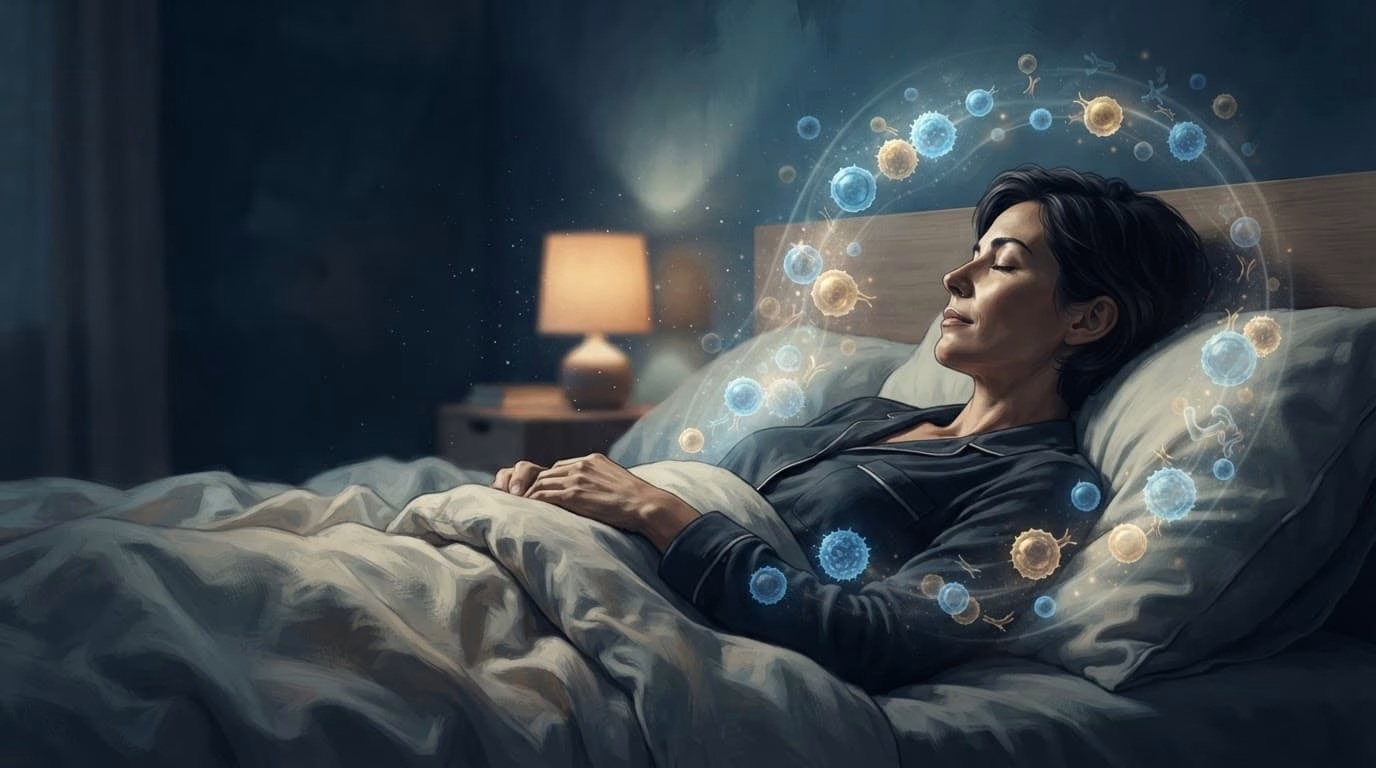
Most slow wave sleep, also called N3 or deep sleep, appears during the first part of the night. This stage is harder to wake from, and it supports physical recovery as well as immune regulation.
During early non-REM sleep, growth hormone and prolactin rise while cortisol concentrations remain lower than they are later in the day. That hormonal pattern encourages naive T cells to move from the bloodstream into lymph nodes.
Lymph nodes are places where immune cells share information about viruses, bacteria, and vaccines. Traffic between blood and lymphoid tissue brings antigen-presenting cells to T helper cells, helping direct the adaptive immune response.
Interleukin-12 and other pro-inflammatory cytokines also have controlled roles here. In the right place and amount, they help form useful immune memories without creating widespread inflammation.
Wakefulness Mobilises Rapid Defenders
Daytime immune activity has a different job. Signals from the sympathetic nervous system help move natural killer cells and cytotoxic T lymphocytes into the blood.
These cells can react quickly to infected or damaged cells. Their higher numbers in circulation during wakefulness do not mean sleep weakens immunity, because the body is simply using a different defensive pattern.
When the circadian rhythm is aligned, your immune system has both modes. Night-time rest supports learning and memory, while wakefulness supports surveillance and quick action.
Slow Wave Sleep Builds Immunological Memory
A night of sleep does not create immunity from nothing. However, it helps the immune system organise the adaptive immune response after exposure to a virus, bacterium, or vaccine antigen.
This is one reason deep sleep and physical recovery belong together. Sleep supports the cell-to-cell conversations that shape long-term protection.
Lymphatic Tissue Brings The Right Cells Together
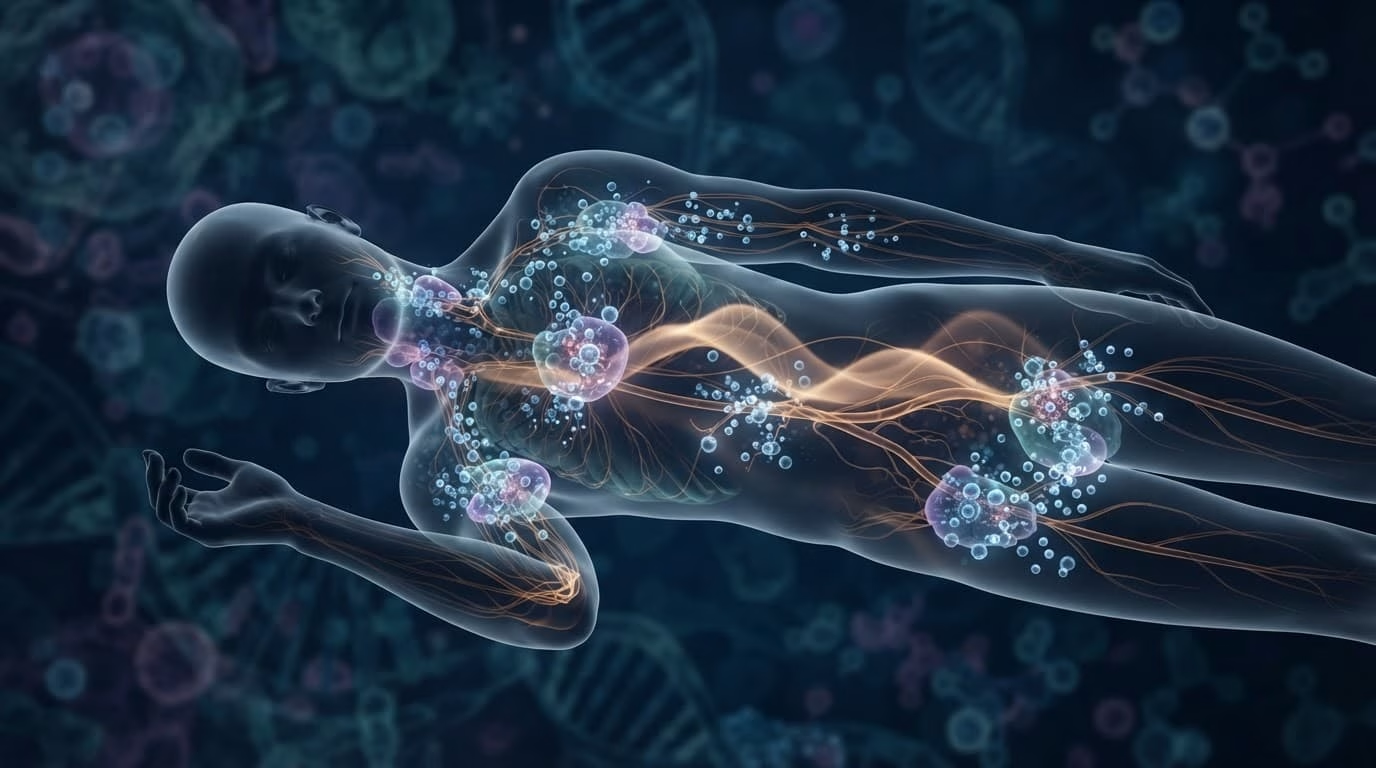
During sleep, some immune cells leave the blood and travel into lymph nodes. A lower blood count after sleep can therefore reflect normal redistribution, rather than weaker defences.
Inside lymph nodes, naive T cells can meet antigen-presenting cells carrying information from a recent infection or vaccine. If the signals match, those T cells can multiply and become specialised cells. Regulated signals, including pro-inflammatory cytokines, help coordinate this process without allowing inflammation to dominate.
Some become memory T cells, contributing to immunological memory. They help the body recognise a familiar threat more quickly on the next encounter.
B cells also matter because they produce antibodies. T helper cells support this process, helping B cells make antibodies that bind more effectively to a target.
Continuous Sleep Matters More Than A Perfect Score
Deep sleep occurs in cycles, and early cycles support physical recovery partly through growth hormone release. Frequent waking can break up those cycles and disturb the timing of immune signalling, including the release of pro-inflammatory cytokines.
You might spend eight hours in bed yet gain less restorative sleep if alcohol, pain, anxiety, noise, or untreated sleep apnoea repeatedly interrupts early slow wave sleep.
Wearables can spot broad patterns, but their sleep-stage estimates aren’t medical tests. Focus first on how refreshed you feel, how often you wake, and whether fatigue affects your daytime life.
Learning about deep sleep and physical recovery can help put sleep stages in context. The goal is not to chase a flawless graph, but to protect enough uninterrupted sleep most nights.
Sleep Deprivation Pushes Immunity Towards Inflammation
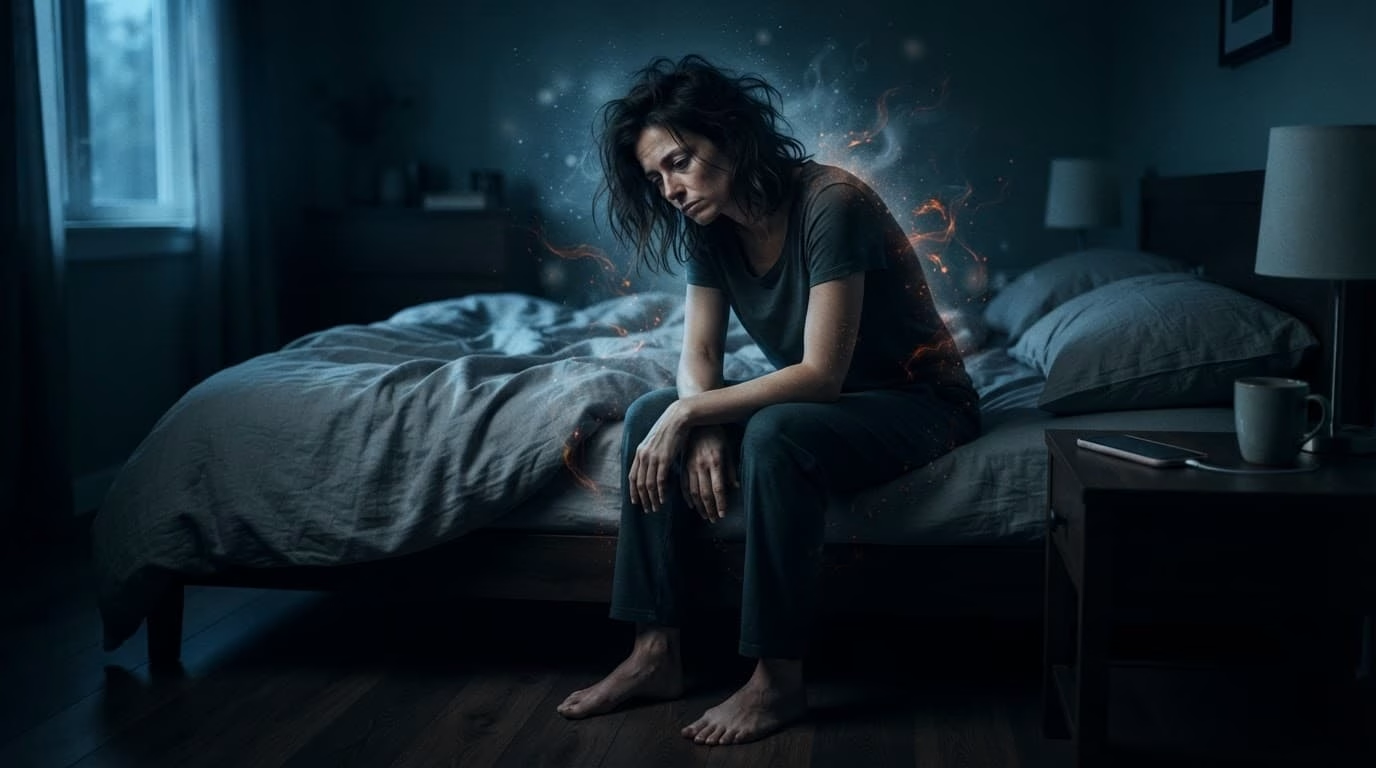
A single late night can leave you tired and less sharp the next day. Repeated sleep deprivation has wider effects because the body treats persistent sleep loss as a form of stress.
Over time, the balance can shift away from well-timed immune defence and towards chronic inflammation.
Monocytes Can Take On A More Inflammatory Profile
Monocytes are part of the innate immune system. They circulate in the blood and can develop into cells that help remove pathogens and damaged tissue.
Studies of ongoing sleep restriction have found changes in monocyte activity and monocyte production. These changes can favour inflammatory signalling and the release of pro-inflammatory cytokines. Researchers also see links between short sleep and higher inflammatory markers such as C-reactive protein and interleukin-6.
This does not mean every short sleeper will become ill. Diet, activity, body weight, stress, illness, smoking, and medicines also influence these measures.
Still, poor sleep can add to the strain. How poor sleep fuels inflammation is especially relevant when low energy, poor food choices, and irregular exercise start reinforcing one another.
Stress Signals Change Cell Traffic
Sleep deprivation can increase sympathetic nervous system activity. In practical terms, the body stays closer to a daytime alert state when it should be winding down.
That shift changes how immune cells move between blood, tissues, and lymph nodes. It can also disturb cortisol concentrations, which normally rise towards morning and fall during the evening.
Repeatedly mistimed stress signals may contribute to poorer glucose control, raised blood pressure, and oxidative stress. They may also raise risks linked with cardiovascular diseases and type 2 diabetes.
Research examines links between sleep loss, the blood-brain barrier, and neurodegenerative diseases. These findings don’t show that sleep loss directly causes either condition. Sleep loss is rarely the only cause of cardiometabolic or inflammatory problems, but it is a modifiable contributing factor.
Sleep Duration, Infection Risk, And Vaccines
Sleep length is easy to track, although it is only part of the picture. For most adults, seven to nine hours gives the body enough opportunity to complete several sleep cycles.
The evidence does not support panic over one short night. It does support taking a regular pattern of short sleep seriously, particularly when sleep deprivation becomes routine.
Why Less Than Seven Hours Can Matter
In a controlled 2015 study, adults who reported shorter sleep were more likely to develop a cold after exposure to rhinovirus. People sleeping under seven hours had a higher risk than those getting seven hours or more.
Sleep may influence susceptibility in several ways. It affects inflammatory signalling, pro-inflammatory cytokines, T-cell function, antibody responses, and the body’s ability to regulate stress.
A few late nights may leave you tired, but weeks of curtailed sleep can change immune signalling.
The seven-hour mark is a useful guide, not a pass-or-fail rule. Someone with fragmented nine-hour nights may still feel drained, while another person may function well near the lower end of the usual range.
Sleep After A Vaccine Supports Antibody Production
Vaccination trains the immune system, so protecting sleep around an appointment may support the vaccine response. Research using hepatitis A vaccination found that people who slept after the injection developed stronger antibody titres than volunteers kept awake that night.
Other vaccine studies point in the same direction. Regular nocturnal sleep may help create higher antibody titres and more durable protection.
That doesn’t mean sleep replaces vaccination or medical advice. It’s a practical support measure that may help immunological memory, alongside attending appointments, eating normally, drinking enough fluids, and following NHS guidance after your jab.
Recovery After Bad Sleep Requires More Than A Lie-In
A long lie-in after a week of sleep deprivation can feel tempting. However, a huge change in wake-up time may push your circadian rhythm later and make the next bedtime harder.
Recovery works better when you give your body repeated, predictable cues over several nights.
Use The Next Few Nights To Reset The Rhythm
Get up close to your usual time, ideally within 30 to 60 minutes. Then get outdoor daylight early in the day, even if the weather is grey, because morning light helps set your body clock.
Keep meals and movement fairly regular as well. These daily cues tell the body when to be alert and when to prepare for rest.
Go to bed when you feel genuinely sleepy, rather than forcing an unusually early bedtime. If you’re too sleepy to drive or work safely, take a brief nap earlier in the day. Keep it short so it doesn’t steal sleep pressure from the evening.
Why a consistent wake time matters becomes clearer after a disrupted week. A steady morning is usually more helpful than trying to fix everything in one night.
Avoid Turning Recovery Into Another Disruption
Alcohol may help some people fall asleep faster, yet it often fragments sleep later in the night. It can also worsen snoring and leave you less refreshed the next morning.
Caffeine stays in the system for hours, so a late-afternoon coffee can make a tired evening more difficult. Keep bright screens, intense work, and upsetting news out of the final part of your night where possible.
Sleep supplements can’t compensate for a chaotic schedule. If you’re considering melatonin or herbal products, ask a pharmacist or GP about safety and interactions first.
Build Better Sleep And Immune Function Habits
Supporting sleep and immune health does not require an expensive routine. It usually begins with a reliable schedule and fewer things that keep your brain switched on at night.
Choose two or three changes you can repeat. Consistency beats a complicated plan that lasts four days.
Time Cues Make Sleep More Predictable
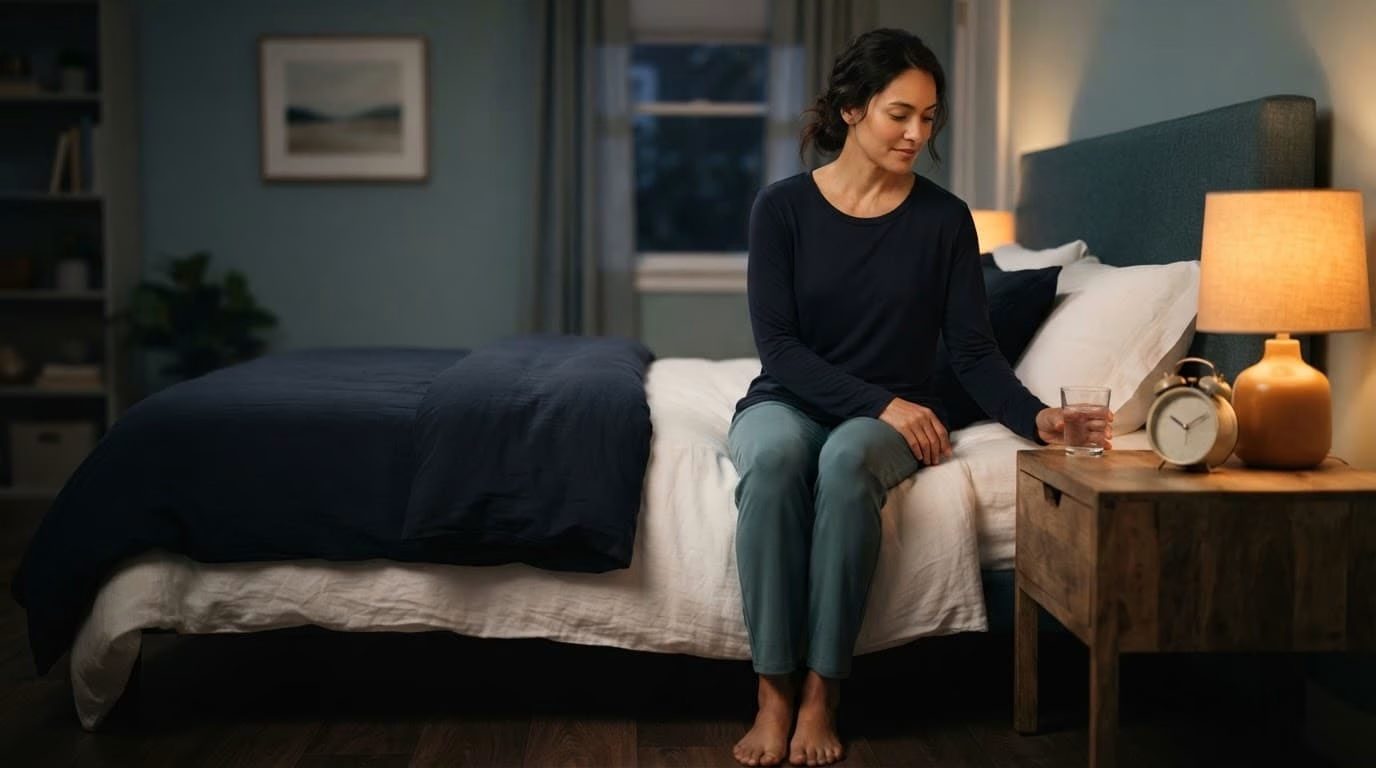
Pick a wake-up time that works for most weekdays and weekends. A shift of an hour is usually easier on the body clock than sleeping until midday after a late Saturday night.
Get daylight and gentle movement soon after waking. A steady wake-up time and morning light help anchor your circadian rhythm. In the evening, lower household light and choose a repeatable wind-down activity, such as reading, stretching, or preparing for tomorrow.
Your natural chronotype also matters. Some people feel sleepy earlier than others. Later chronotypes can still benefit from consistent timing and morning light, which help steady the circadian rhythm.
Bedroom Basics Reduce Friction
Keep the room dark, quiet, and comfortably cool. These basics can support sleep quality and make restorative sleep easier. They won’t resolve anxiety, pain, breathing problems, or other medical causes.
Put your phone out of reach if scrolling keeps extending your night. A simple alarm clock can remove the urge to check messages, work, or sleep data at 02:00.
If racing thoughts are the problem, write down tomorrow’s tasks before bed. The point is to move unfinished business out of your head, not to create another demanding ritual.
When Poor Sleep Warrants A GP Appointment
Book a GP appointment if sleep problems continue for months, affect work or driving, or leave you exhausted despite enough time in bed. Persistent insomnia can respond to assessment and structured treatment, including cognitive behavioural therapy for insomnia.
Loud snoring, gasping, choking during sleep, morning headaches, and severe daytime sleepiness can point to sleep apnoea. Restless legs, chronic pain, menopause symptoms, anxiety, depression, thyroid problems, and some medicines can also affect sleep.
Speak to your healthcare team sooner if you have a weakened immune system, autoimmune diseases, a serious long-term condition, or a recent major change in sleep. For urgent health concerns, contact NHS 111 or seek emergency care when symptoms are severe.
Conclusion
Sleep gives the immune system a planned period for cell movement, repair, and long-term learning. Deep sleep supports immunological memory, while repeated sleep deprivation can push the body towards chronic inflammation.
The strongest habit is usually a consistent sleep schedule, not a dramatic weekend catch-up. It supports your circadian rhythm and helps preserve immune function integrity. Set a realistic wake-up time, get daylight in the morning, and give yourself enough time in bed for several nights in a row.
FAQ
Does One Bad Night Weaken The Immune System?
One poor night can temporarily affect immune-cell activity, and sleep deprivation may leave you feeling less well. It won’t erase your immune defences, especially if you return to a stable routine over the next few nights.
How Much Sleep Supports Immune Health?
Most adults need around 7 to 9 hours per night. Your best amount also depends on sleep quality, health conditions, activity levels, stress, and whether you feel alert during the day.
Can Extra Sleep Help When You Have A Cold?
More rest can help you cope with the fatigue that comes with an infection. Drink fluids, eat when you can, and seek medical advice if symptoms become severe, unusual, or prolonged.
Do Naps Make Up For Lost Sleep?
A short nap can improve alertness after a poor night, particularly when safety matters. However, it does not fully replace night-time sleep and may delay bedtime if it is long or late.
Does Sleep Improve Vaccine Effectiveness?
Sleep may support antibody production, immunological memory, and a healthy vaccine response after vaccination. It does not replace the vaccine itself or the advice given by your healthcare provider.
Does Alcohol Help You Sleep Better?
Alcohol can make you feel drowsy, but it often disrupts the second half of the night. It may also worsen snoring, early waking, and next-day tiredness.
Can Supplements Fix Poor Sleep?
No supplement can replace sufficient, regular sleep. Speak with a pharmacist or GP before taking sleep aids, particularly if you take medication or have a long-term health condition.
Why Am I Tired After Eight Hours In Bed?
Interrupted sleep, sleep apnoea, stress, alcohol, pain, and irregular timing can all reduce sleep quality. If tiredness continues or affects daily life, a GP can help identify possible causes.
Leave a Reply