
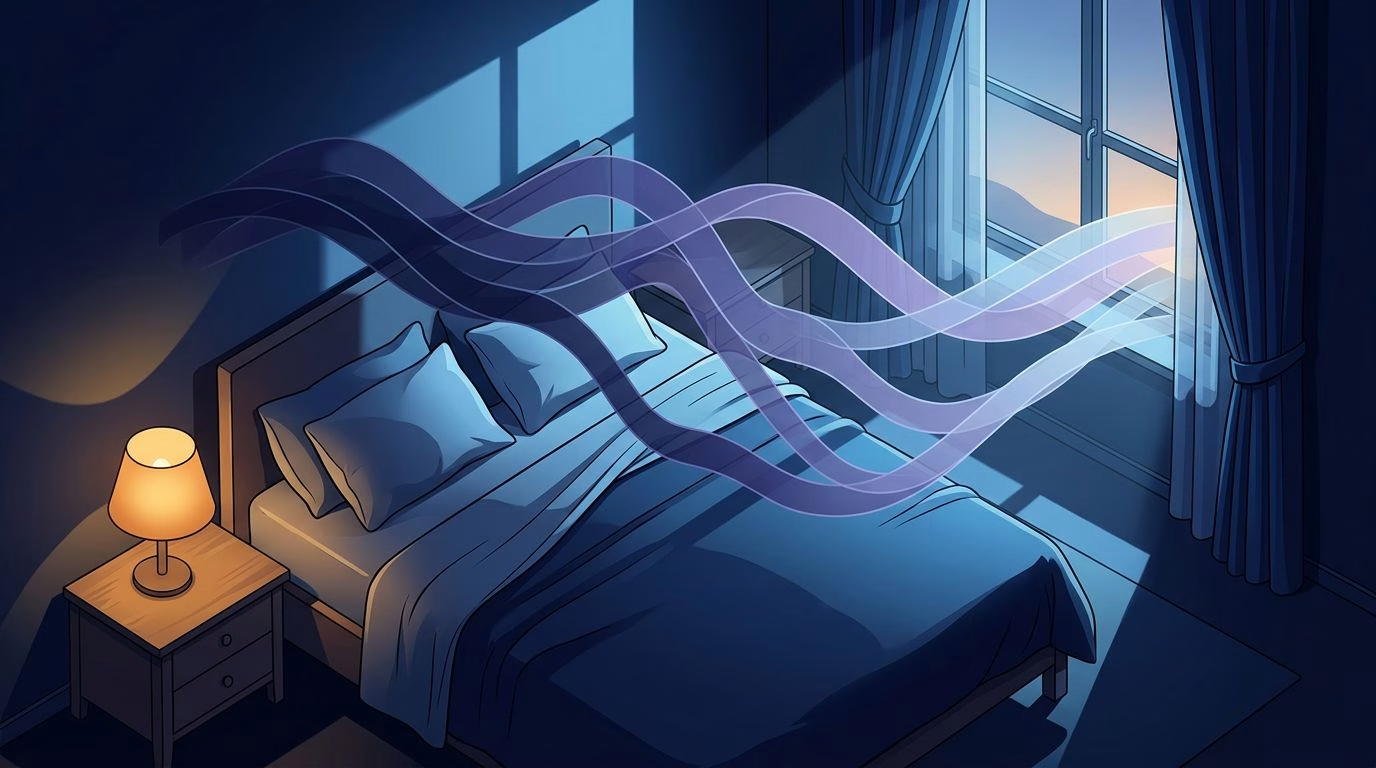
Deep N3 sleep begins to decline in early adulthood, often decades before people notice their nights changing.
This concept describes how sleep changes across the night and through adulthood. It covers the organisation of sleep and how the sleep pattern shifts with age.
As people get older, an individual sleep pattern may become lighter or more interrupted. This doesn’t automatically mean sleep quality is poor, but persistent symptoms or impaired daytime function warrant professional advice.
Key Takeaways
- Each sleep cycle contains repeating N1, N2, N3 and REM periods.
- The four sleep stages include N1, N2, N3 and REM; non-REM sleep covers N1 to N3.
- Older adults generally spend less time in deep sleep and wake more often between cycles.
- REM sleep may decline slightly with age, but it is usually better preserved.
- Recommended sleep duration for adults aged 65 and over remains around 7 to 9 hours.
- A changing circadian rhythm and internal clock often lead to earlier sleep and waking times.
- Gasping, breathing pauses, marked daytime sleepiness and painful leg urges may signal sleep apnea or restless legs syndrome, rather than normal ageing.
- Wearables can show useful trends, but they cannot diagnose sleep disorders or measure sleep stages perfectly.
- A steady wake time, morning daylight and a calm evening routine can support better rest at any age.
Sleep Architecture Age: The Normal Shift
This framework describes how your brain moves through distinct phases overnight. Most people complete a sleep cycle every 70 to 120 minutes, moving through a repeating sequence of sleep stages. Stress, illness, alcohol, exercise and room temperature can alter that pattern.
In younger adulthood, the first part of the night usually contains more restorative sleep. REM sleep periods become longer towards morning. With age, lighter N1 and N2 stages of non-REM sleep occupy more of the night.
These changes do not mean that older adults no longer need proper rest. Sleep may simply feel less solid. They may remember nighttime awakenings at 03:00, a toilet trip and longer settling time, even with reasonable total sleep.
The clearest structural change is reduced slow-wave sleep, also called N3 or deep sleep. Age-related changes in brain activity accompany this shift. Reviews of ageing research show that N3 declines through adulthood and tends to level off after about age 60. Some people retain more than others, so no single percentage fits everyone.
The Four Sleep Stages And What They Do

Sleep architecture describes how a typical sleep cycle moves through non-REM sleep, from N1 to N3, before REM sleep.
N1 is the light transition into sleep, when muscles relax and awareness fades. N2 is more stable light sleep and usually makes up the largest share of an adult night.
N3 is slow-wave sleep. Brain activity slows compared with wakefulness, waking becomes harder, and the body carries out much of its physical restoration. Deep sleep supports physical health, immune function, tissue repair and the feeling of having slept soundly.
REM (rapid eye movement) sleep is different. Brain activity becomes more active than during N3, vivid dreams are more likely, and most skeletal muscles temporarily relax. REM sleep supports emotional processing and memory. It is normal to spend less time in REM than N2 sleep.
Typical proportions vary widely, but this table gives useful guidance for healthy younger adults.
| Sleep Stage | Usual Role | Approximate Share Of Adult Sleep |
|---|---|---|
| N1 | Transition from wakefulness to sleep | Around 5% |
| N2 | Stable light sleep | Around 45% to 55% |
| N3 | Deep, slow-wave sleep | Around 13% to 23% |
| REM | Dream-rich sleep and memory processing | Around 20% to 25% |
Older adults often spend more time in N1 and N2, with less N3 and deep sleep. REM may also decline, although findings are less consistent than for N3. A lower deep-sleep score on its own is not a diagnosis.
The important question is not whether you woke briefly. It is whether sleep leaves you tired, sleepy, low in mood or unable to function safely during the day.
How Sleep Changes From Newborns To Older Adults
Newborns sleep far more than adults, and a large share is active sleep, the early-life form of REM sleep. This balance across sleep stages supports rapid brain development. Their sleep is spread across day and night because their sleep-wake system is still developing.
Children gradually consolidate sleep at night. By adolescence, biology pushes many young people towards later sleep and wake times. Early school starts can therefore clash with their internal clock.
The American Academy of Sleep Medicine gives broad daily sleep duration ranges, including naps for younger children. Individual needs still vary.
| Age Group | Recommended Sleep In 24 Hours |
|---|---|
| Newborns, 0 to 3 months | 14 to 17 hours |
| Infants, 4 to 12 months | 12 to 16 hours |
| Toddlers, 1 to 2 years | 11 to 14 hours |
| Preschoolers, 3 to 5 years | 10 to 13 hours |
| Children, 6 to 12 years | 9 to 12 hours |
| Teenagers, 13 to 18 years | 8 to 10 hours |
| Adults, 18 to 64 years | 7 to 9 hours |
| Adults, 65 years and over | 7 to 9 hours |
Later life does not come with a lower official sleep requirement. Many older adults sleep in shorter stretches and nap more often, making their main night look shorter. Sleep quantity and timing can change separately. Some feel well after seven hours, while others need closer to nine.
Ageing research also shows that an earlier body clock can affect timing as well as stage balance. People in later life may become sleepy earlier in the evening and wake earlier in the morning. If someone goes to bed at 20:30 and wakes at 04:30 feeling refreshed, that earlier sleep pattern may suit them perfectly.
Sleep supports attention, balance and memory in later life, as well as physical health. It is one useful part of keeping your brain young after 60, alongside movement, social contact and managing chronic conditions.
Circadian Rhythms, Melatonin And Earlier Sleep Times
Your circadian rhythm is a roughly 24-hour timing system. The suprachiasmatic nucleus uses light from the eyes to help set that clock. Morning daylight tells the brain that the day has started.
As daylight fades, the body releases more melatonin. This hormone signals that night is approaching. It does not work like a sedative, but it helps prepare the body for sleep by shifting timing and lowering alertness.
Ageing can weaken signals from the internal clock. Many older adults also spend less time outside, especially during winter or limited mobility. Less bright daytime light can blur the difference between day and night.
An earlier body clock can explain early waking. However, waking at 04:00 and feeling exhausted all day is not something to dismiss as inevitable. Depression, pain, breathing-related sleep problems, chronic conditions, medicines or a poorly timed afternoon nap may contribute.
Strong morning light and regular meals give the body useful time cues. Keeping lights lower in the final hour before bed also helps the hormone rise naturally.
When Fragmented Sleep Needs Medical Attention
Persistent symptoms in older adults may point to sleep disorders, rather than normal ageing. Lighter sleep can be expected, but repeated choking, severe daytime drowsiness or prolonged wakefulness may cause sleep deprivation and need attention.
Obstructive sleep apnea (sleep apnoea) can cause breathing pauses, snoring and gasping. It becomes more common with age and can leave people tired after a full night in bed. Restless legs syndrome creates an uncomfortable urge to move the legs, usually in the evening. Periodic limb movements can also interrupt rest without the person remembering each episode.
Pain and other physical health problems, including arthritis, reflux and heart or lung disease, can fragment sleep. Frequent urination, anxiety and depression can also disturb rest, especially when chronic conditions are present. Some medicines interfere with rest, including stimulants, corticosteroids and certain water tablets when taken late in the day. Never stop prescribed medicine without discussing it with a GP or pharmacist.
Use this simple route if sleep disruption lasts for several weeks:
- Keep a two-week sleep diary with bedtimes, wake times, naps, alcohol, caffeine, medicines and daytime energy.
- Record nighttime awakenings and symptoms such as snoring, gasping, leg discomfort, morning headaches, low mood or repeated trips to the toilet.
- Book a GP appointment if poor sleep affects daily life, concentration, driving or mood.
- Ask whether a medication review, blood tests, cognitive behavioural therapy for insomnia, or a sleep clinic referral would suit your symptoms.
A GP may arrange a home breathing test for suspected sleep apnea. If symptoms remain unclear, a sleep study called polysomnography records brain waves, breathing, oxygen levels and muscle activity. It provides a much clearer picture of brain activity than a consumer device.
If someone is falling asleep while driving, has chest pain, or has dangerous breathing symptoms, seek urgent medical help. In the UK, NHS 111 can help when the problem needs advice but is not an emergency.
What Wearables Can And Cannot Tell You
Smart rings, watches and bedside monitors have made sleep tracking easy. Devices such as Oura Ring, Apple Watch and Fitbit estimate movement, heart rate and other signals rather than measuring sleep architecture directly. They use these signals to estimate sleep stages, not EEG-based measurements.
However, clinical sleep staging depends mainly on electroencephalogram data, which record brain activity. A watch may confuse quiet wakefulness with sleep or mistake one stage for another.
A wearable sleep profile is best used as a trend, not a medical verdict. It may estimate deep sleep or REM sleep, but it cannot diagnose sleep apnea. When symptoms warrant assessment, a sleep study provides the clinical comparison.
Compare several weeks using the same device. Pay more attention to consistent sleep timing, total sleep and how you feel during the day. Avoid chasing a perfect score. Worrying about metrics can create orthosomnia, where concern about “good” sleep makes sleep harder. If a tracker suggests poor sleep and you feel well, the score may be less important than your daytime function.
Practical Habits That Support Better Sleep
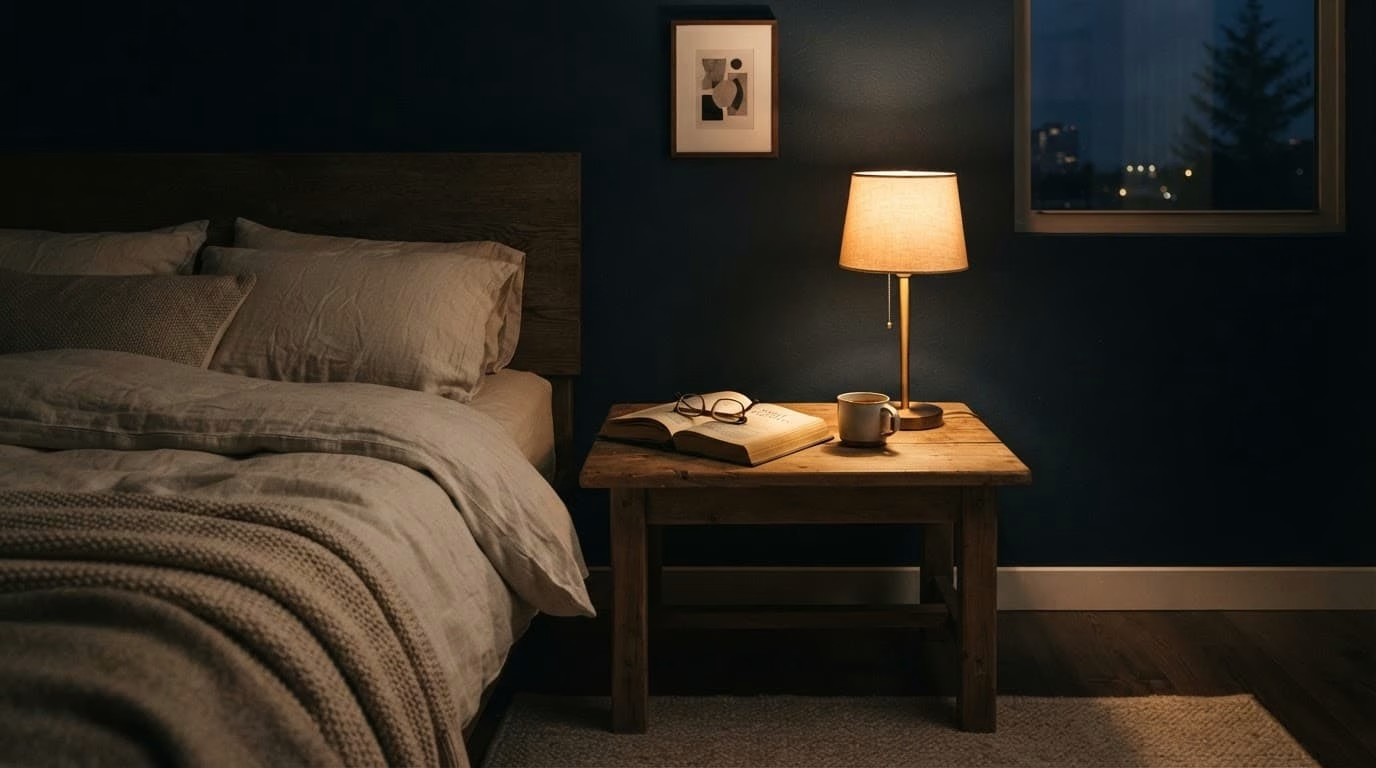
Practical sleep hygiene starts with a reliable wake time. Get up within about an hour of your usual time, including weekends. This anchors the circadian rhythm better than forcing an early bedtime, supporting sleep quality. Read more about why wake time matters for rest.
Get outdoors soon after waking if possible. Even a short walk or sitting near daylight can strengthen your internal clock, reinforcing the difference between day and night. For people with limited mobility, a bright window seat is still better than staying in dim indoor light.
Keep naps short and earlier in the day. A 20 to 30-minute nap can restore alertness, while a long late-afternoon nap may reduce sleep pressure at night. If you need long naps most days, discuss it with a GP.
Caffeine can remain in the body for many hours, so switch to decaffeinated drinks after lunch if sleep is fragile. Alcohol may make you sleepy at first, but it often disrupts the second half of the night and reduces REM sleep.
Make the bedroom cool, dark and quiet. Many people sleep well in a room around 16 to 18°C, although comfort matters more than a precise number. Keep a lamp for reading, but avoid bright overhead light in the final hour. Dimmer light then supports melatonin’s normal rise.
If you cannot sleep, don’t spend hours watching the clock. If insomnia keeps you awake, get up, keep lighting low, and do something calm until sleepiness returns. This helps the bed remain linked with sleep rather than frustration.
Conclusion
Ageing changes the shape of your sleep pattern more than it removes the need for sleep. Less deep sleep, earlier waking and occasional nighttime awakenings can all be normal when you remain rested.
Yet persistent sleep deprivation deserves attention when it affects safety, mood, concentration or daytime energy. It can also lower sleep quality. Track the pattern, protect your routine, and ask a GP for help when symptoms persist.
FAQ
Is It Normal To Wake Up Several Times At Night As You Age?
Yes, brief nighttime awakenings become more common with age because sleep is lighter. However, repeated waking that leaves you exhausted, breathless or unable to function well needs a medical review.
Do Older Adults Need Less Sleep Than Younger Adults?
No. Adults aged 65 and over usually still need around 7 to 9 hours in each 24-hour period. This usual sleep duration may come in shorter blocks, with more frequent naps.
Why Does Deep Sleep Decrease With Age?
The deeper phase starts declining in early adulthood. Changes in brain function, sleep pressure and daily timing all play a part. The decline in N3 usually becomes less steep after about age 60.
Is REM Sleep Less Important In Later Life?
This phase remains important for memory and emotional health. It may decline slightly with age, but it is often better preserved than N3 sleep.
Can Melatonin Fix Early Waking?
The hormone may help with sleep timing in some situations, but it is not right for everyone. Speak to a GP or pharmacist before using it, especially if you take other medicines.
Are Sleep Trackers Accurate For Sleep Stages?
They estimate stages rather than measure them directly. A sleep study measures them clinically, while trackers can help you observe habits over time. Do not treat deep or REM scores as medical results.
When Should Snoring Lead To A GP Appointment?
Book an appointment if snoring comes with gasping, breathing pauses, morning headaches or daytime sleepiness. These signs may suggest sleep apnea.
What Is The Best First Change For Poor Sleep?
Set a consistent wake time and get daylight early in the day to reset your internal clock. If poor sleep continues, speak to a GP about insomnia.
Leave a Reply