

Many home light boxes can produce around 10,000 lux, far brighter than typical indoor lighting on a winter morning. That matters because your brain uses light as a time signal, and short, dark days can throw that signal off.
If your energy drops every winter, or your sleep drifts later and later, bright light therapy can help reset the pattern. It works best when you use it at the right time, with the right setup, and with a bit of patience.
Key Takeaways
- Bright light therapy works best in the morning because early light tells your brain that the day has started.
- A standard light box often delivers 10,000 lux, but that brightness only applies at the stated distance.
- Many people with winter low mood or fatigue notice changes within about a week, although results vary.
- For delayed sleep, morning light can shift your body clock earlier, which makes bedtime and wake time easier to move.
- You do not need to stare at the lamp, but your eyes should stay open and the light should reach them indirectly.
- Late afternoon or evening use can push sleep later, so timing matters as much as brightness.
- Start with shorter sessions if you get headaches, eye strain, agitation, or feel extra wired.
- Speak to a GP before starting if you have bipolar disorder, an eye condition, migraines, or take photosensitising medicine.
Why Winter Light Can Leave You Tired And Wide Awake At Night
Winter changes more than the view outside. In the UK, short days often mean dark mornings, dim afternoons, and long hours under weak indoor light. Your body clock notices that drop.
The brain has a built-in timing system that responds to light hitting the eyes. When morning light is strong, that system lines up sleep, alertness, hormones, appetite, and body temperature. When mornings stay dark, the signal gets fuzzy. You may feel groggy for hours, crave more sleep, and still find yourself wide awake late at night.
That mismatch can feel especially rough if you’re prone to seasonal mood changes. Low energy, heavy limbs, low motivation, and a flat mood often travel together. For others, the main issue is timing. They do not feel sleepy until 1 am or later, then struggle to wake for work, school runs, or morning meetings.
Bright light therapy gives your brain a stronger morning cue when the weather cannot. It does not replace sleep, and it will not fix every cause of fatigue. Still, when winter darkness is part of the problem, it can help your system find its rhythm again.
How Bright Light Therapy Resets Your Body Clock
The key job of bright light therapy is simple. It tells your brain, “This is daytime.”
Light entering the eyes reaches cells that send timing signals to a small brain area called the suprachiasmatic nucleus. That structure helps control when melatonin rises and falls. Melatonin is the hormone that supports sleepiness. Morning light suppresses it sooner, which helps you feel more alert earlier in the day.
At the same time, light can support mood and daytime energy. That is one reason people often describe the effect as feeling less foggy rather than suddenly “stimulated”. Done properly, it should feel like a steady morning lift, not a jolt.
Morning light tends to pull the body clock earlier. Evening bright light tends to push it later.
That rule explains why timing matters so much. Use the lamp soon after waking, and you are more likely to feel sleepy earlier that night. Use it too late, and you can send the opposite message. If you already struggle with a delayed sleep pattern, late use can make the problem worse.
When It Helps Most For Seasonal Fatigue And Delayed Sleep
Bright light therapy is best known for seasonal affective disorder, often shortened to SAD. Some people do not meet the full criteria for SAD but still feel noticeably worse in autumn and winter. They may sleep more, move less, think more slowly, and feel less like themselves. In those cases, morning light can lift energy and mood, sometimes within about a week.
It can also help delayed sleep phase, now often called delayed sleep-wake phase disorder. This is more than simply liking late nights. The body clock itself runs later than daily life allows. A person may not feel sleepy until the early hours, then feel miserable at 7 am.
Morning bright light can shift that rhythm earlier. In one study, stronger morning light moved sleep timing by roughly 85 minutes, while a weaker light barely changed it. That is a useful reminder that both brightness and timing matter.
Still, light therapy is not the answer to every kind of tiredness. If your fatigue is new, severe, or present all year, other causes deserve attention. Poor sleep, sleep apnoea, iron deficiency, thyroid problems, depression, long-term stress, and some medicines can all look similar at first glance.
How To Choose A Light Box For Home Use
Most people do best with a proper light box rather than a decorative lamp. Look for a device that provides 10,000 lux at a practical sitting distance and filters out UV light. The stated distance matters. A lamp may only reach full brightness when you sit quite close, so always check the instructions.
A larger light surface is often easier to live with than a tiny, intense panel. It gives you more freedom to read, eat breakfast, or work without keeping your head locked in one spot. A stable stand also helps because the lamp should stay at the right angle every day.
You do not need gimmicks. Coloured LEDs, glowing alarm clocks, and mood lights may be pleasant, but they are not the same as a proven bright light device. If a lamp does not clearly state lux, distance, and safety details, move on.
For UK shoppers, it is sensible to look for proper product information, a clear returns policy, and UKCA or CE marking where relevant. If you have an eye condition or use photosensitising medication, check with a GP or optician before buying.
How To Use It In The Morning Without Making It A Chore
For most people, the easiest plan is also the best one. Sit by the lamp within the first hour after waking, and use it for about 20 to 30 minutes if the device provides 10,000 lux at the recommended distance. If the lamp is dimmer, sessions usually need to be longer.
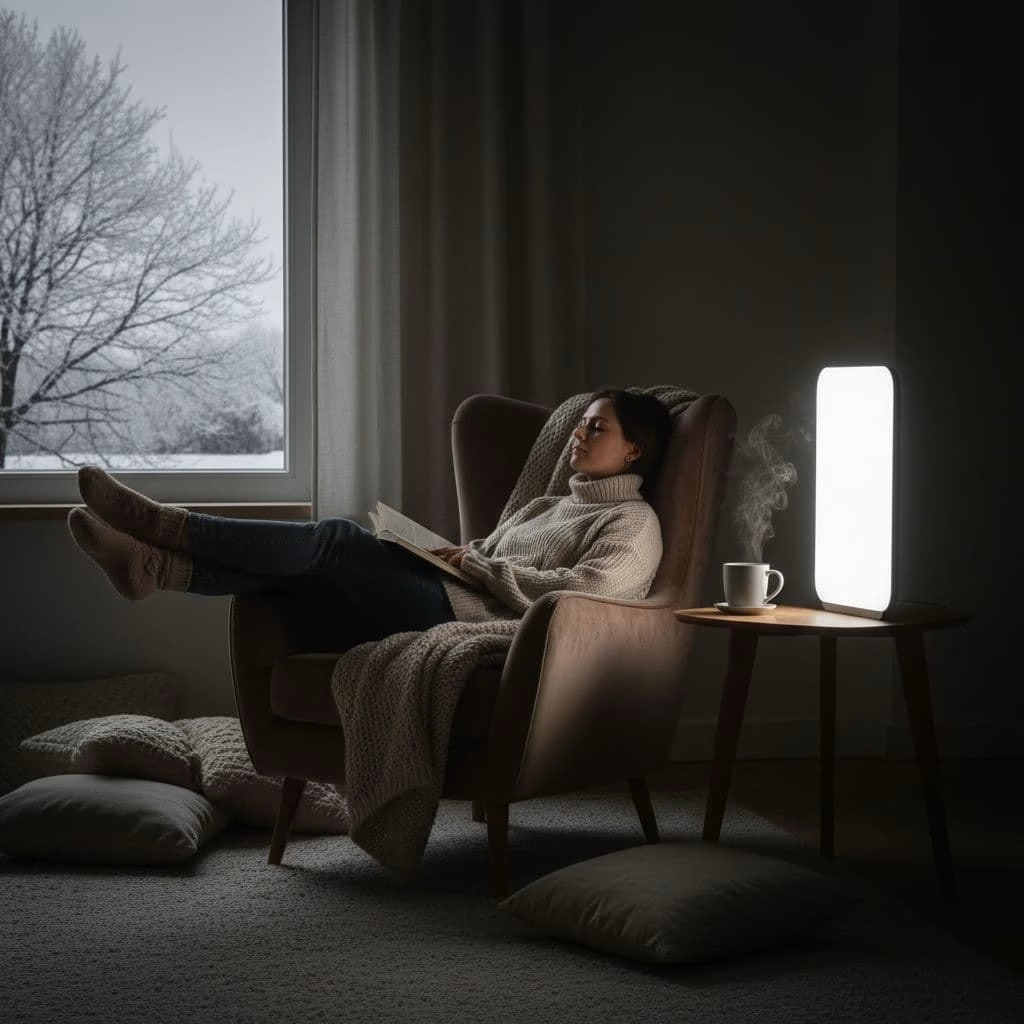
Morning light therapy works best when it fits into a normal routine.
You do not need to stare straight at the light. In fact, don’t. Place it slightly off to one side or slightly above eye level, then keep your eyes open while you read, have tea, journal, or eat breakfast. The point is to let light reach your eyes naturally.
If you are sensitive to light, prone to headaches, or feel wired easily, start lower. Ten to 15 minutes can be enough for the first few days. Then build up if you feel fine. Some people do better with a bit more distance from the lamp, as long as they still receive the stated dose.
Consistency matters more than perfection. A short morning session most days will usually beat the odd heroic session. Tie it to something fixed, like your first coffee or brushing your teeth, and it becomes much easier to keep.
A Simple Schedule For Winter Fatigue And Late Sleep
This quick guide helps match your goal to a sensible starting routine.
| Goal | Best Timing | Typical Starting Session | Useful Note |
|---|---|---|---|
| Winter tiredness and low mood | Within 30 to 60 minutes of waking | 20 to 30 minutes | Use it daily during darker months |
| Delayed sleep pattern | As early after waking as possible | 20 to 30 minutes | Keep wake time steady, even on weekends |
| High sensitivity to light | Early morning | 10 to 15 minutes | Increase slowly if side effects stay mild |
The pattern is simple: early, bright, and consistent usually works better than long, irregular sessions.
If your sleep is badly delayed, shift the schedule gently. Wake 15 to 30 minutes earlier every few days, then use the light straight away. That gradual approach is easier to tolerate than jumping two hours overnight. It also fits better with your real life.
At the same time, stop weekend lie-ins from wiping out your progress. If you sleep until noon after five days of early mornings, the clock often slides back. That is why why consistent wake times regulate your body clock matters so much when you are trying to move sleep earlier.
Mistakes That Make Bright Light Therapy Less Effective
The most common mistake is using the lamp too late. A session at 6 pm may feel pleasant, but it can push sleep later. Morning use is the default for winter fatigue and delayed sleep because it sends the clearest daytime signal.
Another problem is sitting too far away. People often buy a lamp that claims 10,000 lux, place it across the room, and then decide it does not work. In practice, the light dose depends on distance, angle, and session length. If you halve the distance or double it, the effect can change a lot.
Some people also expect one week of light to undo years of late sleep. Progress tends to come from stacking cues. Use the lamp, get up at a stable time, dim the house later in the evening, and keep screens under control before bed.
Trying to “make up” for missed days with very long sessions is not a great idea either. Longer is not always better. If you feel jittery, irritable, or headachy, back off and return to a shorter session. A calmer routine usually gets better results.
Safety, Side Effects And When To Speak To A GP
Bright light therapy is usually well tolerated, but “usually” does not mean “for everyone”. The most common side effects are mild eye strain, headache, nausea, feeling wired, or trouble sleeping if you use the lamp too late. These often settle when you shorten the session or move it earlier.
Some people need extra care before they start. Speak to a GP if you have bipolar disorder, because bright light can trigger hypomania or mania in some cases. The same goes if you have glaucoma, cataracts, retinal disease, severe migraines, or take medicines that increase light sensitivity. Your GP, pharmacist, or optician can help you decide what is sensible.
Pay attention to changes in mood as well as sleep. If light therapy makes you feel unusually agitated, speeds up your thoughts, or cuts your need for sleep in a way that feels odd, stop and get medical advice.
If winter low mood becomes severe, do not rely on a lamp alone. Speak to your GP or contact NHS 111 for urgent advice. If you are in crisis, call 999, go to A&E, call Samaritans on 116 123, or text Shout on 85258. Light therapy can help some people, but safety comes first.
Make It Work Better By Supporting Your Morning Rhythm
A light box works best as part of a wider rhythm, not as a stand-alone fix. Get outside for a few minutes after waking if you can, even on a grey day. Natural daylight, cool air, and a short walk all help reinforce the same message.
It also helps to keep evenings dim. Your brain reads bright late light as a sign to stay alert. If you use a morning lamp but blast yourself with overhead lights and screens at 11 pm, the signals clash. A softer evening routine makes the morning light more effective.
If you have always been a night owl, it also helps to be realistic. Some people have a later natural bias, and not every body clock wants a 5 am routine. Understanding your natural chronotype and sleep rhythm can help you aim for a schedule that is practical rather than punishing.
There is also a hormone piece to this. Morning alertness often feels better when light, movement, and wake time line up. That is part of how morning light regulates your circadian rhythm and why some mornings feel easier than others. Bright light therapy works best when it joins those dots.
Conclusion
Bright light therapy can be a solid tool for winter fatigue, seasonal low mood, and delayed sleep, but timing does most of the heavy lifting. Used early and used often, it gives your brain a stronger morning signal when winter light is weak.
Start small, keep the routine simple, and watch how your sleep, mood, and energy respond over one to two weeks. If anything feels off, or your symptoms run deeper than a dark season, bring a GP into the picture and treat light as one part of a bigger plan.
FAQ
How Long Does Bright Light Therapy Take To Work?
Some people notice a lift in alertness within a few days. For seasonal low mood, many notice changes within about a week, although it can take longer. Sleep timing often shifts more gradually.
What Time Should I Use Bright Light Therapy?
Morning is usually best, often within the first hour after waking. If your goal is to move a late sleep pattern earlier, use it as soon after waking as you can manage. Late-day use can push sleep later.
Do I Need To Look Straight At The Lamp?
No. Keep your eyes open, but do not stare into the light. Place the lamp slightly off to the side or above eye level so the light reaches your eyes indirectly.
Can Daylight Outside Do The Same Job?
Natural morning daylight is excellent, and even a cloudy day can help your body clock. Still, winter weather, work schedules, and dark mornings can make outdoor light hard to rely on. A light box gives you a more regular dose at home.
Can Bright Light Therapy Make Insomnia Worse?
Yes, it can if you use it too late, use it for too long, or react strongly to bright light. The fix is often simple: move the session earlier, shorten it, or stop and get advice if symptoms persist.
Is It Safe If I Have An Eye Condition Or Take Medication?
Not always without medical advice. If you have glaucoma, retinal disease, cataracts, severe migraines, or take medicines that raise light sensitivity, speak to a GP, pharmacist, or optician first.
How Much Does A Good Light Box Cost In The UK?
Prices vary a lot. Budget models can sit under £50, while larger or better-built lamps often cost over £100. The key is not the highest price, but clear lux information, safe design, and a usable shape.
What If I Miss A Day?
Missing one day is not a disaster. Start again the next morning and get back to your normal routine. Regular use matters, but one missed session does not wipe out all progress.
Leave a Reply