
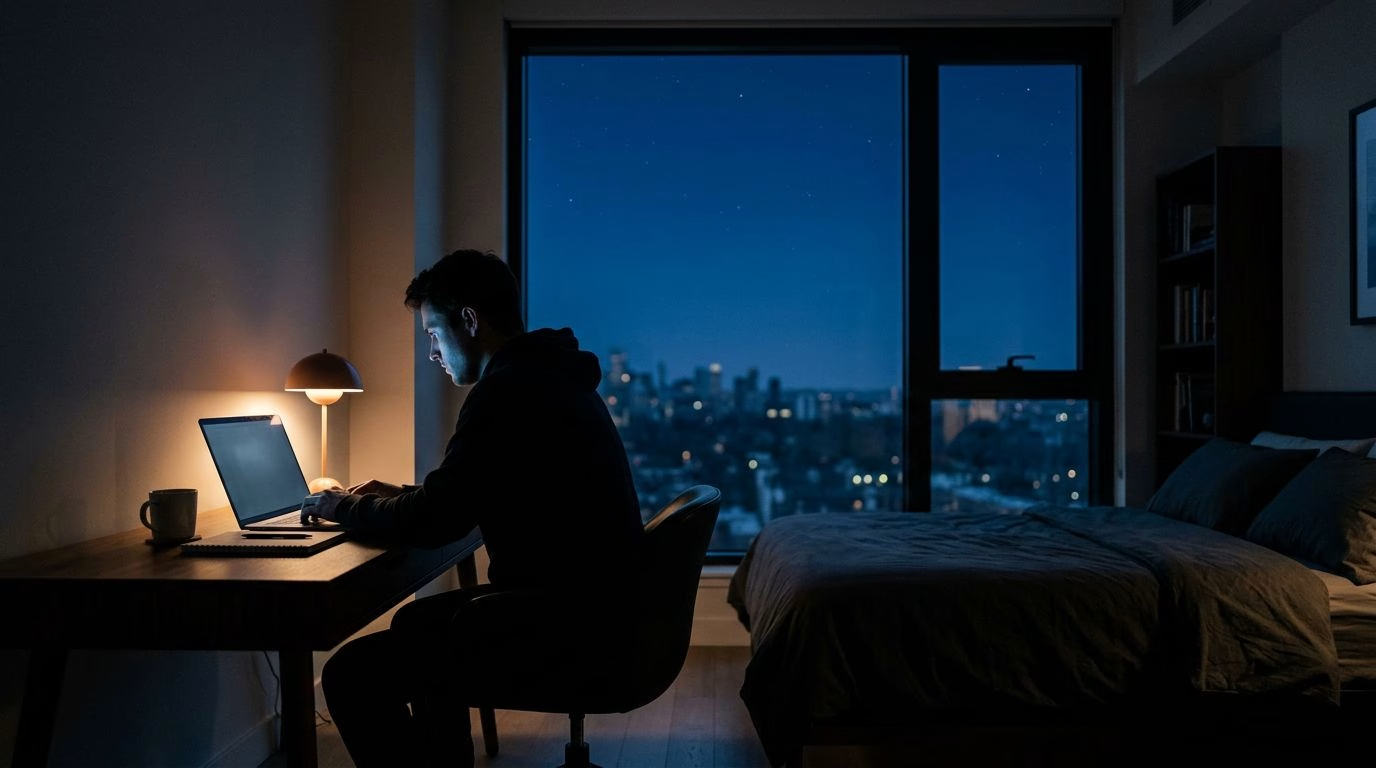
Sleepiness does not always rise in a smooth line throughout the evening. You might feel heavy-eyed at 21:30, only to find yourself feeling oddly switched on an hour later.
That late burst, often called a second wind at night, usually comes from your internal body clock, your daily habits, or a combination of both. The good news is that this surge of energy is not random. Once you identify what is nudging your brain back into alert mode, it becomes much easier to stop feeding the triggers that cause it.
Key Takeaways
- A night-time second wind often happens because your circadian rhythm briefly boosts alertness before sleep.
- If you stay up past your first sleepy window, that alertness can mask how tired you are.
- Bright light, screens, stress, caffeine, and late workouts can all make the burst stronger.
- Irregular sleep and weekend lie-ins can train your brain to expect wakefulness later.
- Natural night owls usually feel this pattern more than early birds do.
- Going to bed when the first sleep window hits often works better than pushing through it.
- A steady wake time is one of the best ways to reduce late-night alertness.
- If this keeps happening with insomnia, racing thoughts, or little need for sleep, speak to a GP.
Your Body Clock Sends An Evening Alertness Signal
Your brain does not only create feelings of sleepiness. It also manages timed pockets of alertness controlled by the suprachiasmatic nucleus, which acts as the master clock for your circadian rhythm. This daily pattern dictates when you feel energized and when you start to wind down.
In the evening, that clock can do something counterintuitive. Instead of allowing tiredness to build in a steady, linear fashion, it often triggers the wake maintenance zone, also known as the forbidden zone for sleep. During this window, your brain generates a noticeable alertness boost that helps you stay awake well past sunset. From an evolutionary perspective, this makes sense; early humans needed to remain vigilant and capable of activity even after the sun went down.
This is exactly why you might find yourself yawning through a film, only to feel a sudden surge of productivity when it is time to tidy the kitchen at 22:30. You did not suddenly recover from fatigue. Your brain simply turned up the volume on wakefulness for a short period.
It also explains why your energy levels fluctuate so drastically between the morning and the night. The same internal timing system shapes your early day alertness, and understanding the cortisol awakening response helps make sense of that natural morning lift.
Feeling wired at night does not always mean you are not tired. It often means your brain has briefly covered underlying sleepiness with a powerful alertness signal.

Late light and focused work often keep the brain in alert mode.
Sleep Pressure Can Hide Behind That Burst Of Energy
Alongside your body clock, you also experience sleep pressure, often referred to as your homeostatic sleep drive. This is the natural biological tension or the drive to sleep that builds steadily the longer you stay awake. A chemical called adenosine plays a major role in this process, accumulating throughout your waking hours to signal that your body needs rest.
During the day, your homeostatic sleep drive rises bit by bit. By the evening, it should naturally help pull you toward bed. Still, if your circadian rhythm triggers an alertness boost at the same time, that familiar tired feeling can become blurred. You may easily mistake this temporary alertness for actual energy.
That is why many people miss their ideal sleep window. At 21:45 they might feel drowsy, but they decide to push on with another episode, some work, or a scroll through messages. By 22:30 the initial sleepy wave has passed, and they feel awake again because they missed the optimal time to fall asleep.
The practical lesson is simple. When your eyes feel gritty, your focus slips, and yawns start stacking up, take those cues seriously. If you push past them often, your second wind at night may keep showing up, making it harder to maintain a healthy sleep schedule.
Light At Night Tells Your Brain To Stay Awake
Light is one of the strongest signals your body clock responds to. Morning light helps anchor your rhythm, but exposure to artificial light during the evening can shift that cycle later than intended.
Screens often receive most of the blame, but they are not the only culprits. A bright kitchen, ceiling spotlights, a strong desk lamp, or the television in a dark room can all signal to your brain that the day has not yet ended. While blue light from digital devices is particularly disruptive, the total brightness of your environment matters as well.
Melatonin also plays a central role here. It is not merely a sleep-inducing chemical produced by your brain, but rather a crucial timing signal that informs your body that night has arrived. Bright light in the evening can delay the natural melatonin release, leaving you feeling less prepared for sleep when you finally head to bed.
A simple change often makes a significant difference. About 60 to 90 minutes before sleep, dim the lights in your home, switch to warmer lamp settings, and reduce the intensity of your screen displays. While night mode on your phone can provide some relief, it does not fully negate the impact of a bright, face-level screen held at midnight.
Stress, Deadlines, And Late Exercise Can Create False Energy
A second wind at night is not always about circadian timing alone. Sometimes it is stress wearing an energy costume.
When you are worried, rushing to finish work, or doom-scrolling, your brain releases stress hormones. This activity triggers your fight-or-flight response, leading to a significant spike in cortisol levels. While searching for dopamine through late-night social media feeds keeps your brain engaged, this heightened state of arousal is counterproductive at bedtime. Your body perceives this internal environment as a signal to stay switched on. Although some people mistakenly attribute this state to adrenal fatigue, it is usually a simple matter of timing and nervous system activation.
Late exercise can do something similar for many people. While a gentle walk or light stretching often helps you prepare for sleep, a hard interval session at 21:00 may leave your body temperature elevated, your mind alert, and your system mentally charged for a while. Not everyone reacts the same way, but many people notice this effect.
Mental effort counts as well. Writing an email, revising projects, coding, or planning for tomorrow can all sharpen your attention during hours when you should be winding down. If your brain treats the evening like prime work time, it will often reward your focus with wakefulness instead of sleep.
Your Routine Trains Your Brain More Than You Think
Habits and consistent sleep hygiene shape your nights more than most people realize. While your bedtime matters, your wake-up time is often the primary driver of your schedule.
When you sleep in on weekends, nap late, or go to bed at wildly different times, your internal body clock loses a stable anchor. Your sleepy window can then drift later and later. If you want a practical fix, maintaining a consistent bedtime is one of the strongest tools you have to stabilize your rest.
Caffeine can also keep this cycle going. Because individual caffeine metabolism varies significantly, some people clear it quickly while others still feel the effects many hours later. A coffee at 15:00 may feel harmless, yet it can still trim sleep pressure by bedtime if you are particularly sensitive to stimulants.
Food and alcohol can confuse things as well. A heavy late meal may keep your body busy when it should be settling. Alcohol might make you feel sleepy at first, but later it often fragments your rest and leaves you awake again.
Then there is the human element. If your evenings represent your only quiet time, staying up late can feel like a small act of freedom. The problem is that your brain learns the pattern. Night becomes the time for reward, stimulation, and relief, rather than the time for sleep.
Some People Feel A Second Wind At Night More Strongly
Not everyone runs on the same schedule. Chronotype matters, which is the natural tendency to feel more alert earlier or later in the day.
If you are a night owl, evening alertness may come more naturally. Teenagers and young adults often lean later too, which is one reason they can feel wide awake when older adults are fading. For some, this persistent preference for staying up late is known as delayed sleep phase, where your internal clock is simply set to a later schedule. That does not necessarily mean anything is wrong, as your timing may just sit later on the clock.
Shift work makes the whole system harder to read. Rotating hours, early starts, and late finishes can blur the cues that keep sleep predictable. As a result, your body may send alertness at unhelpful times and sleepiness when you need to function, occasionally mimicking the symptoms of a delayed sleep phase.
Some health issues and medicines can play a part as well. Anxiety can keep your mind scanning for problems, and stimulant medication, steroid tablets, or decongestants may delay sleep in some people. If a new medicine seems to shift your evenings, check the leaflet or ask a pharmacist.
When A Night-Time Second Wind May Mean More Than A Quirk
A late burst of energy is common. Still, there are times when it is worth taking it more seriously.
If you regularly lie awake for hours, dread bedtime, or experience sleep deprivation for weeks, insomnia may be part of the picture. If you snore heavily, wake up choking, or feel exhausted despite spending enough time in bed, speak to your GP. Sleep timing problems can also occur when your internal clock runs much later than your work or family life allows.
Mood changes matter too. If late-night alertness comes with racing thoughts, an unusually high mood, risky behaviour, or the feeling that you barely need sleep, get medical advice promptly. A GP is the right place to start, and NHS 111 can help if you are unsure where to turn.
Poor sleep also builds sleep debt, which can make your internal timing more chaotic. If that sounds familiar, how to bounce back from poor sleep can help you recover without making the pattern worse.
How To Stop The Second Wind Before It Starts
Most people do not need a complicated fix. They simply need better timing and fewer late signals that tell the brain to stay awake.
First, keep your wake time steady, even after a rough night. Sleeping in feels tempting, but it often pushes the next night’s sleep later. Second, recognize your first sleep window and go to bed when that initial wave of sleepiness arrives, rather than trying to remain productive for another hour.
Third, dim the environment before bed. Lower the lights, avoid bright overhead bulbs, and move intense tasks earlier in the day. Fourth, watch your caffeine timing. If you often get a second wind at night, try cutting coffee, tea, energy drinks, or pre-workout after lunch for a week to see how it affects your alertness.
Establishing a consistent bedtime routine helps signal to your body that it is time to rest. Try reading paper pages, stretching gently, taking a shower, or practicing deep breathing to help settle your mind. Keep these activities repetitive and calm. Your brain should get the message that nothing urgent is left.
If you have had a bad week of sleep, do not try to fix it with random lie-ins. A steadier rhythm works better than catch-up chaos. After all, the aim is not to force sleep, but to stop sending your body mixed signals.
Conclusion
Experiencing a second wind at night is rarely a medical mystery. In most cases, this phenomenon occurs when your internal body clock triggers a surge of evening alertness, while factors like artificial light, stress, and inconsistent routines amplify the effect. Understanding that this is a manageable biological signal rather than an uncontrollable habit is the first step toward better rest.
The most effective strategy to manage this timing is often the simplest. Maintain a consistent wake time, prioritize sleep hygiene by recognizing your initial window of tiredness, and ensure your late evenings are dim and calm. When you consistently limit stimulation after dark, you signal to your brain that it is time to wind down. By adjusting your habits, you can stop the second wind at night from sabotaging your rest and help your body find a much easier path to sleep.
FAQ
Is A Second Wind At Night Normal?
Yes, for many people it is. A brief lift in evening alertness is a common occurrence driven by your circadian rhythm, which naturally regulates your internal clock and can cause temporary spikes in wakefulness if you stay awake past your initial window of sleepiness.
Why Do I Feel Sleepy At 21:00 And Awake At 22:30?
That often means you missed your first sleep cue. Your sleep pressure was high at 21:00, but then your body clock sent a short alertness boost that masked the tired feeling.
Does Blue Light Really Cause A Night-Time Second Wind?
Blue-rich light can make it stronger, especially from bright screens or overhead lights. Still, brightness in general matters too, so a well-lit room can keep your brain more alert even without a phone in your hand.
Can Caffeine Earlier In The Day Still Affect Me At Night?
It can. Some people clear caffeine slowly, so an afternoon coffee still trims sleep pressure at bedtime. If you are not sure, test an earlier cut-off for a week.
Are Night Owls More Likely To Get A Second Wind?
Usually, yes. People with a later chronotype tend to feel more alert in the evening, so the effect can feel stronger and more regular.
Can Naps Make This Worse?
Late or long naps can. They reduce sleep pressure, which means you may feel less sleepy at night and more likely to hit that alert rebound.
Should I Go To Bed Earlier If This Keeps Happening?
Only if your body is showing real sleep cues earlier. Forcing an early bedtime when you are not sleepy can create frustration, so it is better to aim for a stable wake time and follow the first genuine wave of drowsiness.
When Should I Speak To A GP?
Book an appointment if this pattern comes with weeks of insomnia, loud snoring, choking at night, strong anxiety, or big mood changes. Long-term sleep deprivation can lead to significant health consequences, so it is important to seek professional help if you feel unusually energized on very little sleep, if your mental health feels unsafe, or if you consistently struggle to get enough rest.
Leave a Reply