

The brain can treat a thought like a threat, even when nothing dangerous is happening.
If you want rumination explained in plain English, think of it as a form of negative thinking where the mind gets stuck on replay. You go back over the same worry, past mistakes, or fear, hoping to feel better, yet the loop keeps pulling you in.
That can leave you tense, tired, and strangely stuck. The good news is that rumination can be interrupted, and the first step is knowing what it is.
Key Takeaways
- Rumination is repetitive thinking that goes in circles without leading to action.
- These rumination loops often start when stress, guilt, shame, uncertainty, anxiety, or depression is high.
- Healthy reflection gives you clarity, while rumination drains you.
- Your body helps keep the loop going, so calming the body matters first.
- Naming the loop can reduce its grip and create a small gap.
- Short actions help you break the cycle better than long inner debates when you feel stuck.
- Sleep, movement, and steadier caffeine habits can lower rumination.
- If loops keep harming daily life, getting support is a wise next step.
What Rumination Really Is
Rumination refers to repetitive thought processes that involve passive thinking about distress. You revisit the same issue, but you don’t get a clear answer or plan. As a key component of psychological distress, rumination often focuses on future fears. It can sound like, “Why did I do that?” or “What if I ruin this?” According to Response Styles Theory, some people dwell more on rumination than others. Reflection helps you learn and move on. Rumination keeps you running on a mental hamster wheel, where effort is high but progress is low.
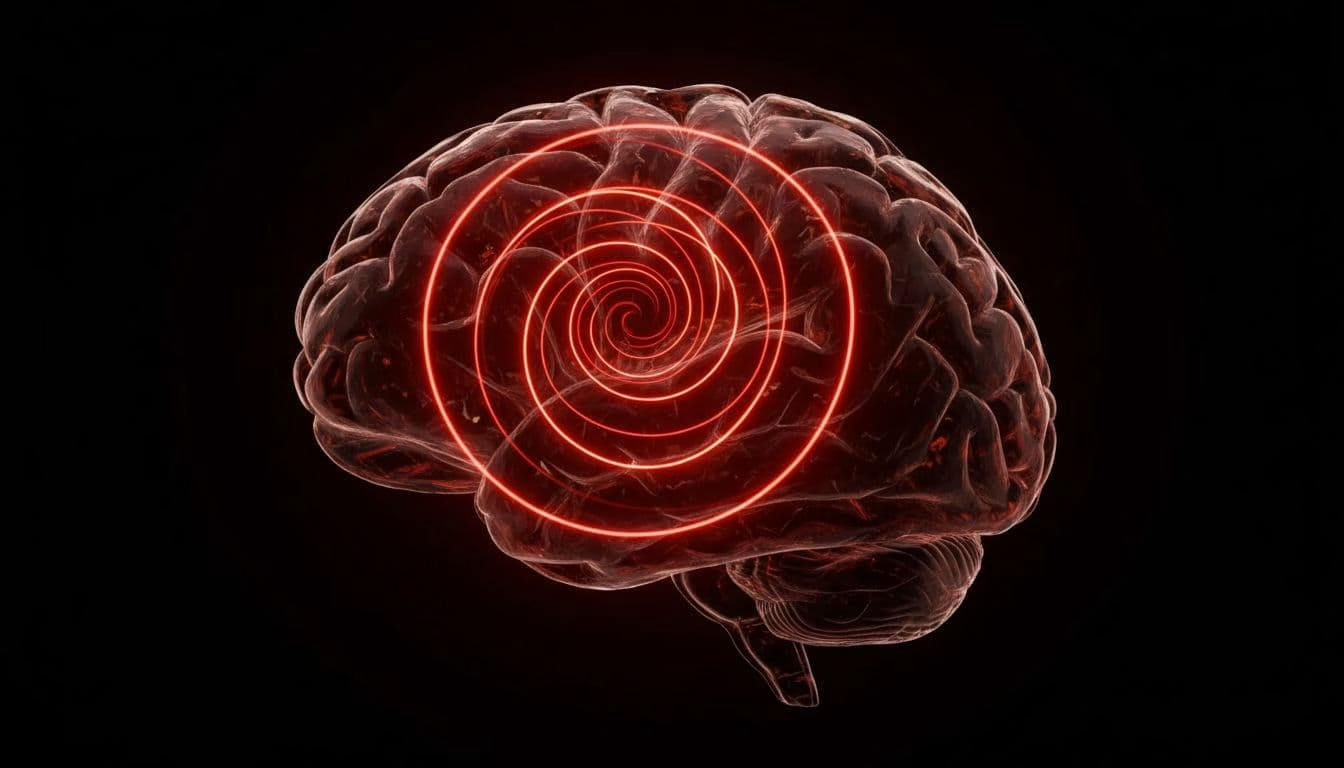
Why Mental Loops Feel So Sticky
Mental loops feel sticky because the brain hates loose ends, and stress, amplified by negative thinking patterns, makes unfinished thoughts seem urgent. When something feels awkward, risky, or unresolved, your attention keeps snapping back to it. The loop can even feel useful due to metacognitive beliefs that thinking about the problem is helpful, almost like problem solving. However, effective problem solving creates concrete steps and a next step. Rumination keeps collecting the same old evidence and rarely changes the outcome, as these metacognitive beliefs reinforce the rumination.
When Reflection Turns Into Rumination
A simple test helps here. Healthy reflection leads to insight, a decision, or some kind of action. Rumination repeats old material and often makes your body feel worse at the same time. You may notice symptoms of the stress response, such as a tight chest and shallow breathing, along with a clenched jaw or a strong urge to replay a conversation again. In other words, if the thinking keeps circling and your state keeps dropping, contributing to a general negative affect and lowered mood, it’s probably rumination.
How To Interrupt A Loop In The Moment
Don’t start by arguing with the thought. Start with your body, because a wound-up nervous system keeps the rumination loop alive. Slow your exhale, relax your shoulders, and put both feet on the floor. These physical interventions serve as powerful tools for self-regulation. Then name the pattern with one plain sentence, such as “I’m caught in rumination right now.” After that, do one small real-world action with distraction techniques, like making tea or stepping outside. For lasting results, pair these immediate distraction techniques with long-term practices such as mindfulness meditation. If you want more help with this approach, these body-first methods to escape reactive anxiety fit well.

Why Small Actions Beat More Thinking
Rumination feeds on stillness and doubt, so tiny actions matter more than they seem. These small actions embody behavioral activation, which forces your brain out of the rumination loop and into your environment. You don’t need a perfect fix. You need something that shifts your attention from inner replay to present reality. That might mean writing down one worry, then one response, or setting a two-minute timer to tidy a surface. Small actions break the cycle. They remind your brain that life is happening now, not only in your head.
Habits That Make Rumination Less Likely
Mental loops love tired, overstimulated brains. So the basics matter more than people think. These habits serve as broader coping strategies, including regular sleep, daylight, movement, meals, and worry scheduling, where you set aside dedicated time to think and prevent rumination loops from bleeding into the whole day. They give your mind a steadier base. If coffee makes you feel edgy, review these caffeine cut-offs protecting sleep from stress, because poor sleep often makes rumination worse. Over time, repeated calming habits can reshape old patterns, which is the point of unlocking neuroplasticity to break rumination loops.
When To Get Extra Support
Self-help can do a lot, but it isn’t the whole answer for everyone. If rumination keeps harming sleep, work, relationships, or your mood (including depression), speak to a GP or mental health professional. That matters even more if the loops come with panic, hopelessness, or harsh self-criticism. Cognitive behavioral therapy (CBT) is a standard treatment option, and if the loops are tied to obsessive-compulsive disorder, a therapist might use specialized tools like exposure and response prevention or cognitive restructuring. Support isn’t a sign of weakness. It’s a practical way to stop carrying the whole load alone.
Conclusion
Rumination feels like thinking hard, but it’s often worry wearing a clever disguise. The helpful move is simple: notice the loop, calm the body, and return to one small action.
You probably won’t stop every difficult thought; the goal is progress, not perfection. Still, you can practice emotional regulation to stop rumination from steering the day. Pick one reset and practise it before the next loop digs in.
FAQ
Is rumination the same as overthinking?
Not quite. Overthinking is a broad term for thinking too much. Rumination is persistent overthinking in a narrower pattern, where distressing thoughts repeat without leading anywhere useful. Unlike intrusive thoughts, which arise suddenly and unwanted, rumination functions as a mental compulsion to dwell on them.
Is rumination a sign of anxiety?
It can be, yes. Rumination often shows up with anxiety, stress, depression, or burnout, although it can also happen during a rough patch without a diagnosis.
How long does a rumination loop last?
It varies from person to person. Some loops fade in minutes, while others return for days if you keep feeding them with attention.
Can rumination happen at night?
Yes, and many people notice it most in bed. When the day goes quiet, the mind can start replaying unfinished worries, which is why evening routines matter.
Should I distract myself from rumination?
Healthy distraction can help a lot. Choose active distraction, such as walking, stretching, washing up, or talking to someone, rather than endless scrolling.
Can journalling make rumination worse?
It can, if you only rehash the same worry on paper. Journalling works better when you end with one lesson, one decision, or one next step.
When should I seek professional help?
Get help if rumination is frequent, intense, or damaging daily life. A professional can help you spot triggers, challenge patterns, and build tools that suit your situation.
Leave a Reply