

A daily 2 g DHA supplement raised DHA levels in spinal fluid in a recent trial, showing DHA can reach the central nervous system, but it did not improve memory or preserve brain volume.
That finding captures the reality of omega-3 brain health research. EPA and DHA matter to the body, but a fish oil capsule isn’t a proven treatment for cognitive decline or Alzheimer’s disease. The useful question is where omega-3s fit within a wider plan for healthy aging.
Key takeaways
- DHA is a major structural fat in brain cell membranes, while EPA has different roles in signalling and inflammation; these fatty acids aren’t interchangeable.
- A 2026 USC trial showed that high-dose DHA reached the central nervous system, yet memory and brain scans did not improve.
- Higher red blood cell EPA and DHA levels are linked with larger brain volumes in observational research, though this doesn’t prove supplements caused the difference.
- UK guidance still favours eating two fish portions weekly, including one oily fish portion.
- A Mediterranean-style diet offers more potential support than an isolated fish oil capsule.
- Check the label for the actual EPA and DHA amounts, rather than the total amount of fish oil.
- Third-party batch testing and sensible storage matter because freshness is separate from dose.
- Speak with a GP or pharmacist before using high-dose omega-3 if you take medicines that affect blood clotting.
- Worsening memory needs a clinical assessment, not a larger supplement dose.
What Omega-3 Brain Health Research Really Shows
The strongest claims about omega-3 research need a careful reading of the study type. Trials can test whether a supplement causes a result. Observational studies can only show that two things appear together.

The USC Clinical Trial Proved Delivery, Not Memory Protection
The University of Southern California ran a placebo-controlled phase IIa study, NCT03613844, between 2018 and 2024. It included 365 adults aged 55 to 80 with low dietary DHA intake and at least one dementia risk factor.
Participants took 2 g of DHA daily or a placebo for 24 months. DHA improved the cerebrospinal fluid DHA-to-arachidonic-acid ratio after six months. In plain terms, the supplement reached the central nervous system.
However, memory tests, cognitive performance, and brain volumes did not differ between groups after two years. The researchers also found no treatment effect on shrinkage of the hippocampus.
Raising DHA in cerebrospinal fluid shows brain delivery. It does not show that memory has improved.
Associations Do Not Prove Supplement Benefits
The WHIMS-MRI study gives a different kind of result. It found that postmenopausal women with higher EPA and DHA levels in red blood cells had larger total brain and hippocampal volumes on MRI eight years later.
A one-standard-deviation increase in EPA plus DHA related to 2.1 cm3 more total brain volume and 50 mm3 more hippocampal volume. Women in the highest quarter of omega-3 status had hippocampal volumes 159 mm3 larger than those in the lowest quarter.
Those figures are interesting, yet they don’t prove that fish oil created the difference. People with higher omega-3 levels may also eat better, move more, smoke less, or manage blood pressure more effectively.
DHA And EPA Have Different Jobs
EPA and DHA are both long-chain omega-3 fatty acids, but they are not interchangeable. Labels often group them together, which can hide the difference.

DHA Is More Closely Linked With Brain Structure
Docosahexaenoic acid (DHA) is found in high concentrations in the brain and retina. It forms part of the flexible membranes around brain cells, which help cells send and receive signals.
That biological role explains why DHA is often the focus of supplements marketed for cognition. It also explains why the USC researchers used DHA rather than a general fish oil blend.
Still, a nutrient being present in brain tissue does not mean extra amounts will improve thinking skills in everyone. The trial evidence does not support using DHA to prevent memory loss in otherwise healthy older adults.
EPA Has A Different Evidence Base
Eicosapentaenoic acid, or EPA, is less concentrated in brain tissue than DHA. Researchers more often study it in relation to inflammation, blood fats, and mood symptoms.
In WHIMS-MRI, DHA had a stronger link with total brain volume than EPA. Yet neither fatty acid has convincing trial evidence as a stand-alone treatment for cognitive decline.
A balanced EPA and DHA product can still help people whose diet lacks oily fish. Just don’t treat a higher EPA number as a shortcut to sharper memory.
Why Fish And Mediterranean Eating Patterns Matter
Fish and plant foods are useful dietary sources of omega-3 fatty acids, although they provide different types of these fats alongside protein, vitamins, and minerals. A Mediterranean-style pattern also includes vegetables, pulses, olive oil, nuts, fruit, and wholegrains.
Diet Gives Omega-3s A Better Context
Research on a Mediterranean diet looks more promising for long-term brain health than evidence for fish oil pills alone. That doesn’t prove one salmon supper protects against Alzheimer’s disease.
Instead, the pattern supports cardiovascular health, stable blood sugar, and nutrient intake across the week. These factors affect the brain’s blood supply and energy needs.
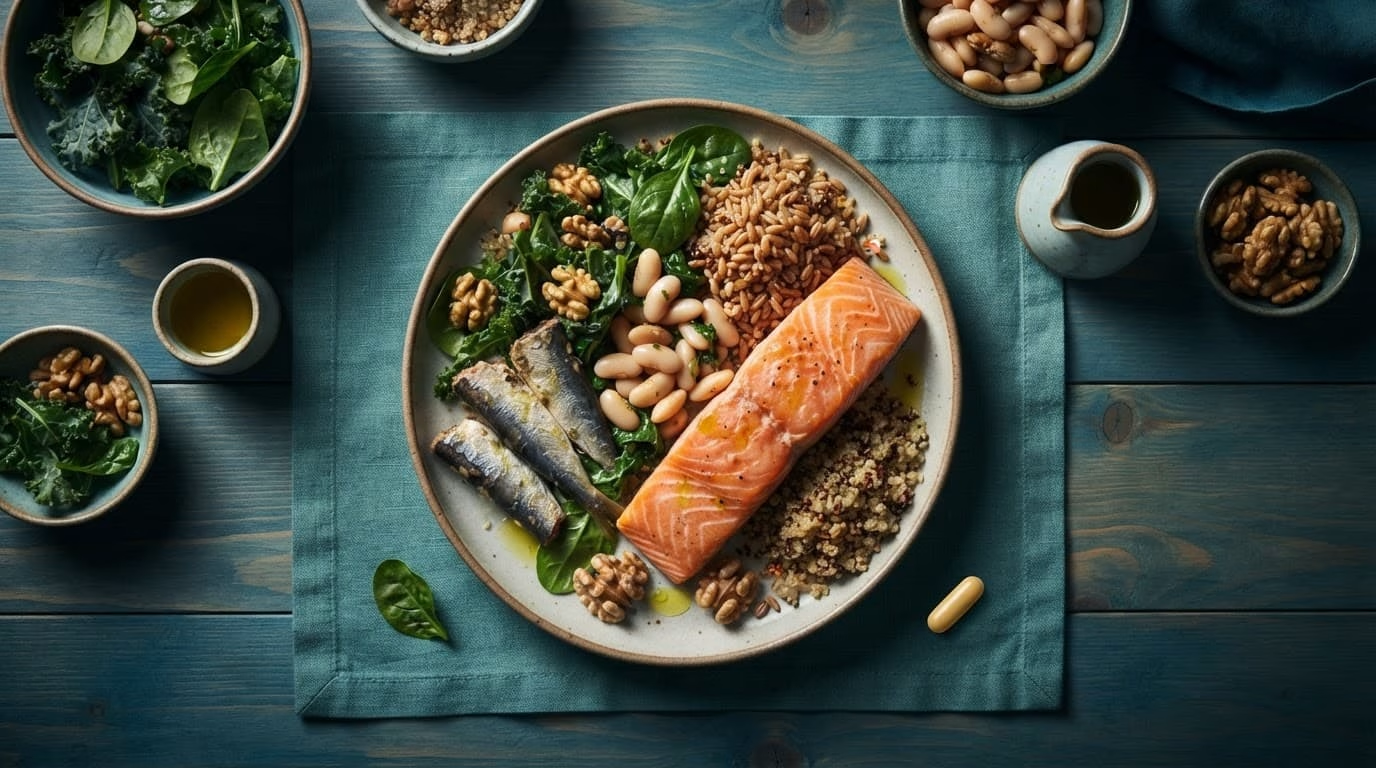
Oily fish also sits naturally amongst other brain foods for cognitive health, including leafy greens, beans, berries, and nuts. Regular meals built around these foods offer more than a capsule alone can provide.
A Realistic UK Food Target
UK advice is to eat at least two 140 g portions of fish each week, including one portion of oily fish. Salmon, sardines, mackerel, herring, and trout are useful options.
Try a tin of sardines on toast, grilled mackerel with potatoes, or salmon with lentils and greens. Frozen fish works well too and can cost less than fresh fillets.
Plant foods such as walnuts, chia, flaxseed, and rapeseed oil provide alpha-linolenic acid, or ALA. Your body converts only a limited amount of ALA into EPA and DHA, so they are helpful foods but not direct substitutes for oily fish.
Where Omega-3 Supplements Fit In A Sensible Plan
Supplements can fill a dietary gap. They make less sense when used as insurance against every age-related memory worry.
When An Omega-3 Supplement May Be Reasonable
Omega-3 supplements may suit you if you rarely eat fish, avoid fish for ethical reasons, or cannot manage it regularly. Fish oil supplements are one option, while algae oil can provide DHA and sometimes EPA for people avoiding fish.
Choose them to improve omega-3 intake, rather than to treat forgetfulness. If you already eat oily fish weekly, more capsules may add little.
People who eat fish occasionally can use food as their main source and save supplements for periods when meals become less varied. Consistency over months matters more than taking a large dose after a poor week.
Read EPA And DHA, Not Just Fish Oil
A front label may claim “1,000 mg fish oil”, but this is not the same as 1,000 mg of EPA plus DHA. Turn the bottle around and find the amounts of each fatty acid per daily serving.
Products differ widely. One softgel may contain a modest dose of EPA and DHA, while another supplies much more. Compare the combined amount of these two fatty acids before comparing prices.
The clinical evidence does not show that triglyceride-form fish oil produces better brain outcomes than ethyl ester products. Don’t pay a premium for a brain claim based on chemical form alone.
Supplement Quality And Safety Deserve Attention
Fish oil is vulnerable to oxidation, which occurs when its fats degrade through exposure to heat, light and air. A high EPA or DHA figure cannot show whether a product has been stored well.

Freshness Is Separate From The Dose
Look for a brand that publishes independent batch testing or a certificate of analysis for purity and oxidation. A clear use-by date, intact packaging and traceable batch number are also sensible signs.
Follow the storage instructions on the packet. Don’t keep bottles in a hot car, on a sunny windowsill or beyond their use-by date.
A strong fishy smell can be unpleasant, although smell alone cannot show whether the oil has degraded. Don’t assume that a flavoured capsule is fresh simply because it masks the taste.
Medicines And High Doses Need Care
Omega-3 products commonly cause fishy burps, indigestion or reflux. Taking them with a meal may make them easier to tolerate.
Check with a pharmacist or GP before taking higher doses if you use anticoagulants, antiplatelet medicines or have surgery planned. The USC study reported no serious adverse events attributed to DHA, but that doesn’t make every over-the-counter product suitable for every person.
Avoid stacking fish oil, cod liver oil and multinutrient products without checking the combined ingredients. Cod liver oil also contains vitamins A and D, which create separate dose considerations.
B Vitamins, APOE4 And Personal Context
Omega-3s do not work in isolation. Nutrient status, medical history, and overall diet can change the picture.
VITACOG Suggests A Nutrient Interaction
The VITACOG trial tested B vitamins that lower homocysteine levels in older adults with mild cognitive impairment. Published subgroup analyses found that people with higher baseline omega-3 status appeared to gain more from B vitamins than those with low omega-3 status.
In the highest omega-3 group, B vitamins related to a slower brain atrophy rate. The result was a post-hoc subgroup finding, not proof that everyone should combine high-dose B vitamins and fish oil.
B vitamins can be useful when a clinician identifies a deficiency or raised homocysteine. They are not a replacement for assessment, sleep, movement, or a varied diet.
APOE4 Does Not Create A Personal DHA Prescription
The APOE4 gene raises the likelihood of developing dementia, but it does not make dementia inevitable. The USC DHA trial accounted for APOE4 status when it assigned participants to treatment groups.
No current trial result can turn a genetic test into a personalised omega-3 dose. A result showing APOE4 status may be emotionally significant, so discuss testing and prevention choices with a GP or genetics professional.
Memory change can also come from poor sleep, low mood, thyroid problems, medication effects, hearing loss, or vitamin deficiencies. A supplement should never delay proper investigation.
A Practical Way To Make Your Choice
Use omega-3 as one part of your health routine, rather than giving it the burden of protecting your brain on its own.
- Start with two fish portions each week if you eat fish, with at least one oily fish portion.
- If fish is not practical, choose clearly labelled omega-3 supplements, such as fish oil supplements or algae oil, and check the EPA and DHA amounts.
- Pick a product with credible batch testing, then store it as directed and check the use-by date.
- Keep sleep, blood pressure, physical activity, social contact and meals in view, because these support cognitive function and thinking skills too.
- Book a GP appointment if changes in memory and thinking affect daily life, work, finances, driving or relationships.
Conclusion
DHA clearly reaches the brain, yet current trials do not show that extra DHA prevents memory decline, preserves the hippocampus, or improves brain volume outcomes. Regular dietary intake and a wider pattern of healthy living offer more credible support for brain health than bold claims on a supplement bottle.
Choose oily fish or a well-labelled supplement to cover a real dietary gap. Then give the same attention to sleep, movement, blood pressure, and any new memory symptoms.
FAQ
Can Fish Oil Improve Memory In Older Adults?
Current large trials don’t show reliable memory improvement in healthy or at-risk older adults. In the USC study, 2 g of DHA daily reached the central nervous system but didn’t improve cognitive performance over 24 months.
Does DHA Cross The Blood-Brain Barrier?
Yes, the USC trial showed that high-dose DHA increased DHA-related measures in cerebrospinal fluid. That indicates delivery to the central nervous system, although it didn’t improve memory or brain volume outcomes.
Should I Choose EPA Or DHA?
DHA has the closer link with brain structure, while EPA is often studied for mood and inflammation. A mixed EPA and DHA product is reasonable for dietary coverage, but neither ratio is proven to prevent dementia.
How Much Fish Should I Eat Each Week?
UK guidance recommends at least two 140 g fish portions weekly, including one oily fish portion. Salmon, sardines, mackerel, herring, and trout are useful choices.
How Much Do Omega-3 Supplements Cost?
Prices vary widely, so compare the amount of EPA plus DHA per daily serving rather than the bottle price. A cheaper product with little EPA and DHA may offer less value than a smaller, clearly labelled product.
Can I Take Omega-3 With Blood Thinners?
Speak with a pharmacist or GP first if you take anticoagulants or medicines that affect clotting. You should also ask for advice before surgery or if you have a bleeding condition.
Can Omega-3 Prevent Dementia?
There is no established evidence that fish oil or DHA supplements prevent Alzheimer’s disease. Eating fish as part of a Mediterranean-style diet supports general health, but it can’t guarantee protection from dementia.
Do B Vitamins Make Omega-3 More Effective?
VITACOG subgroup findings suggest B vitamins may have worked better in people with higher omega-3 status and mild cognitive impairment. This isn’t a reason to self-prescribe high-dose B vitamins without clinical advice.
How Long Does It Take To Feel A Difference?
A supplement may improve fatty acid intake over time, but you shouldn’t expect a clear memory boost within days or weeks. If your thinking feels worse, look for sleep, stress, medication, or health causes rather than increasing the dose.
Leave a Reply