
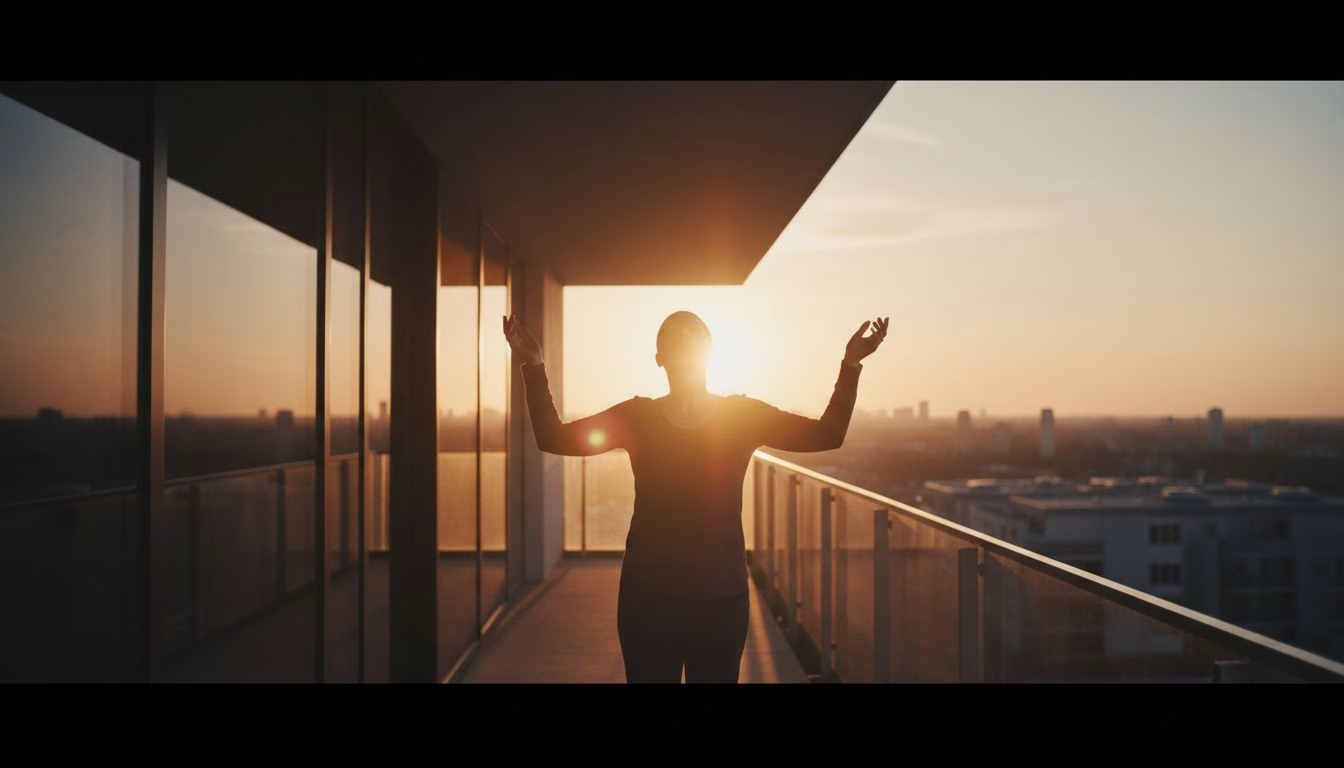
Your body clock takes its strongest daily cue from light, not your alarm. If mornings feel foggy and nights feel restless, morning light exposure may be the missing piece.
Many people try to fix low energy with more coffee, brighter screens, or extra sleep at weekends. That often shifts the body clock later. Morning light pulls it back, so alertness rises earlier and sleep arrives with less of a fight.
Key Takeaways
- Get outdoor light soon after waking whenever you can.
- Morning light helps set your body clock for the whole day.
- It can make evening sleepiness arrive at a more useful time.
- Outdoor light usually works better than sitting by a window.
- Grey skies still give a helpful light signal to your brain.
- Consistency matters more than chasing the perfect sunrise.
- Evening screens can blunt the benefit of a bright morning.
- Good light habits often reduce the urge for extra caffeine.
Why Morning Light Exposure Works
Light enters the eyes and sends a clear daytime signal to the brain. That signal helps set your circadian rhythm, which affects sleep, hunger, mood, and alertness.
When this timing drifts late, mornings can feel heavy and evenings can feel oddly lively. You might feel tired at 07:00, then wide awake at 23:30. Morning light exposure helps shift that pattern earlier, so your body stops acting like it lives in a different time zone.
Morning light does not create energy out of nowhere. It helps your body place energy at the right time.
The Science Behind Light And Melatonin
Your brain does not switch melatonin on like a lamp. It times melatonin partly from the light it sees early in the day. Stronger light in the morning often helps melatonin rise earlier that night, which can make falling asleep easier.
Morning light also supports the natural cortisol rise that helps you wake up. That rise is useful at breakfast time, not at bedtime. If you pair morning light with sensible evenings, and avoid late stimulants, the effect is stronger. This guide on caffeine timing for better sleep can help if afternoon coffee keeps stealing from your night.
How To Get Morning Light Exposure On Busy Days
You do not need a perfect sunrise ritual. You need a routine you will repeat on real mornings, even when the school bags are missing and your inbox is already loud.
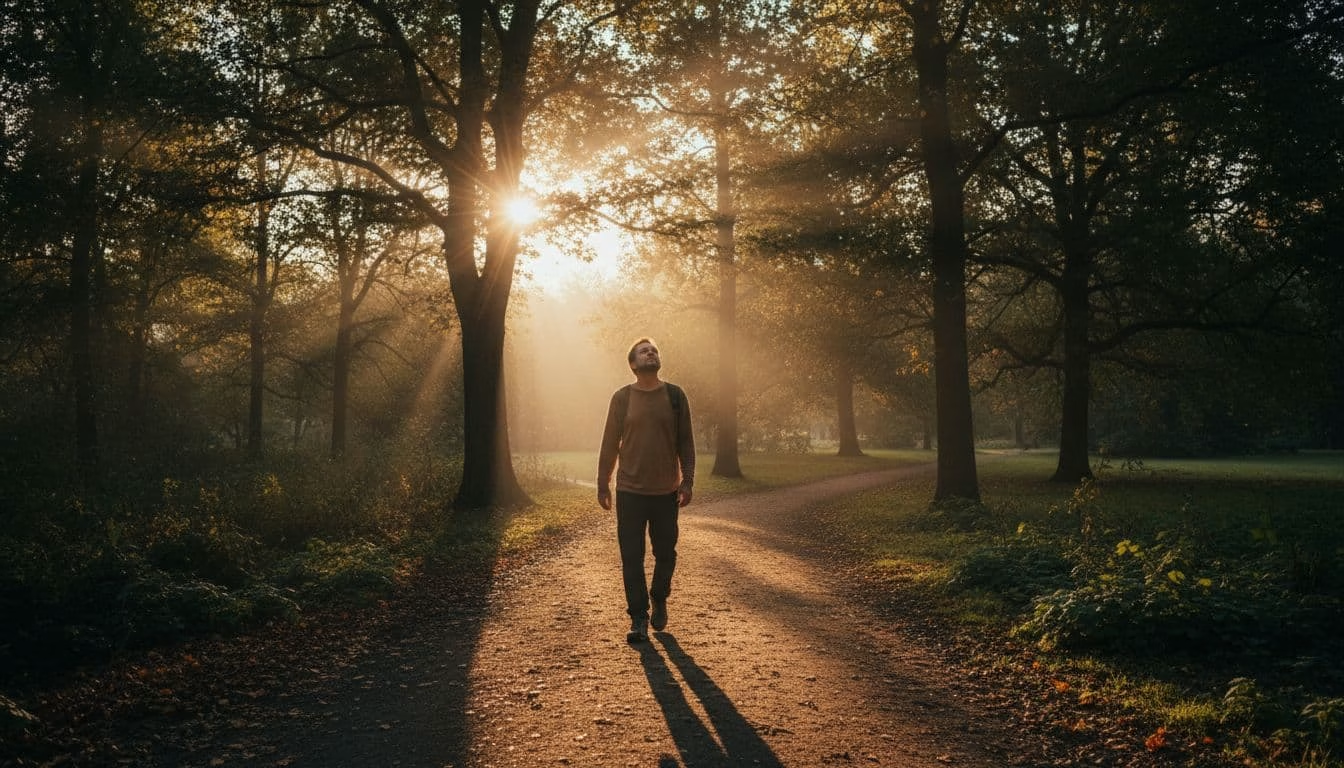
Step outside with tea, walk the dog, take a quick lap round the block, or get off the bus one stop early. Even cloudy mornings count. Outdoor light is still much brighter than most kitchens, bedrooms, and offices.
For many people, 10 to 30 minutes outdoors is a useful starting point. Dark winter mornings may call for longer. If breakfast helps you feel steady, combine that light habit with protein and some top brain foods for cognitive health.
What To Do If Mornings Are Dark Or Rushed
UK winters can make this harder, but not pointless. If sunrise is late, turn on your indoor lights as you wake, then get outside as soon as daylight appears. A short outdoor break still beats waiting until lunch.
If your mornings are packed, stack light onto something that already happens. School run, bin day, dog walk, station walk, or taking a call outside all count. The goal is not a polished wellness routine. The goal is telling your brain, early and often, that the day has started.
Mistakes That Can Cancel The Benefit
The biggest mistake is getting good light early, then blasting your eyes with bright screens at night. Morning light sets the clock, but late light can push it back again. That is why people can do the right thing at 08:00 and still feel wired at 23:00.
Another problem is inconsistency. A 06:30 wake time on weekdays and a 10:30 lie-in on weekends sends mixed signals. You do not need military precision. Still, a fairly stable wake time makes morning light exposure work far better. If you miss one day, return to it the next morning rather than writing off the week.
Conclusion
If your sleep feels late and your daytime energy feels unreliable, start with light. A few minutes outside after waking can sharpen morning alertness now and make sleep come more naturally later.
The real power is timing. Morning light exposure gives your body a daily anchor, and small anchors often steady the whole day.
FAQ
How Soon After Waking Should I Get Morning Light?
Soon after waking is the best general rule. Earlier light usually gives a stronger clock-setting signal than waiting until late morning.
Is Sitting By A Window Good Enough?
It helps a little, but outdoor light is usually much stronger. Glass cuts part of the effect, so getting outside is better when possible.
Does Morning Light Exposure Work On Cloudy Days?
Yes, it still works. Even a dull morning outdoors is normally brighter than indoor room light.
How Long Does It Take To Notice A Difference?
Some people feel more alert within a few days. Sleep timing often improves over one to two weeks of steady practice.
Can Morning Light Replace Coffee?
Not exactly. Coffee changes how awake you feel quickly, while light helps set the timing of alertness and sleep across the day.
What If I Wake Before Sunrise?
Use indoor lights first, then get outside once daylight arrives. Keep the habit close to wake time as much as real life allows.
Leave a Reply