
A CPAP machine’s “events per hour” figure is useful, but it isn’t the same as a sleep-lab AHI. Your AHI score is one part of a sleep study, not a standalone diagnosis. It measures breathing disruptions during sleep, but only makes sense alongside oxygen levels, symptoms, sleep position, and your test type.
A result can look worrying, or oddly reassuring, when viewed alone. Once you know what your AHI score counts and misses, you can discuss it more clearly with your GP or sleep clinic.
Key Takeaways
- The AHI is the average number of apneas and hypopneas recorded per hour of sleep.
- A normal AHI score for adults is usually below 5.
- Scores of 5 to 14 are mild, 15 to 29 are moderate, and 30 or more are severe.
- A single average can hide worse breathing during REM sleep or in the supine position.
- At-home tests and in-lab studies measure sleep differently, so their results aren’t always identical.
- Oxygen dips, event length, snoring, and daytime sleepiness matter alongside the index.
- Many adults using CPAP aim for a residual reading below 5, with personal targets set by their clinic.
- A persistently raised machine reading, continued snoring, or exhaustion needs a review rather than a DIY pressure change.
What An AHI Score Measures During Sleep
AHI means the apnea-hypopnea index. It counts breathing events and divides them by the hours you were asleep. Apneas are near-complete pauses in airflow lasting at least 10 seconds. Hypopneas are partial reductions in breathing that last at least 10 seconds and link with an oxygen drop or an arousal from sleep.
For example, 48 respiratory events across six hours of sleep produces an AHI of 8. This does not mean you stopped breathing eight times in one hour throughout the night. Events often cluster during certain sleep stages or positions.
Adult AHI Ranges And Sleep Apnoea Severity
NHS guidance uses standard adult bands to describe sleep apnoea severity for obstructive sleep apnea. They give clinicians a shared starting point, rather than a complete picture of your health.
| Adult AHI | Usual Classification | What It Means |
|---|---|---|
| Under 5 | Normal range | Fewer than five scored breathing events per hour |
| 5 to 14 | mild sleep apnea | Breathing interruptions occur regularly |
| 15 to 29 | moderate sleep apnea | Events happen often enough to need prompt assessment |
| 30 or more | severe sleep apnea | Breathing is disrupted very frequently |
The labels can sound stark. However, an AHI score of 15 isn’t automatically twice as harmful as a score of 7. Symptoms, oxygen desaturation, blood pressure, heart rhythm concerns, cardiovascular risk, and other health conditions affect the clinical decision.
AHI describes event frequency, including hypopneas. It doesn’t measure how long each event lasts or how hard your body has to work to recover.
How Sleep Studies Calculate The Result
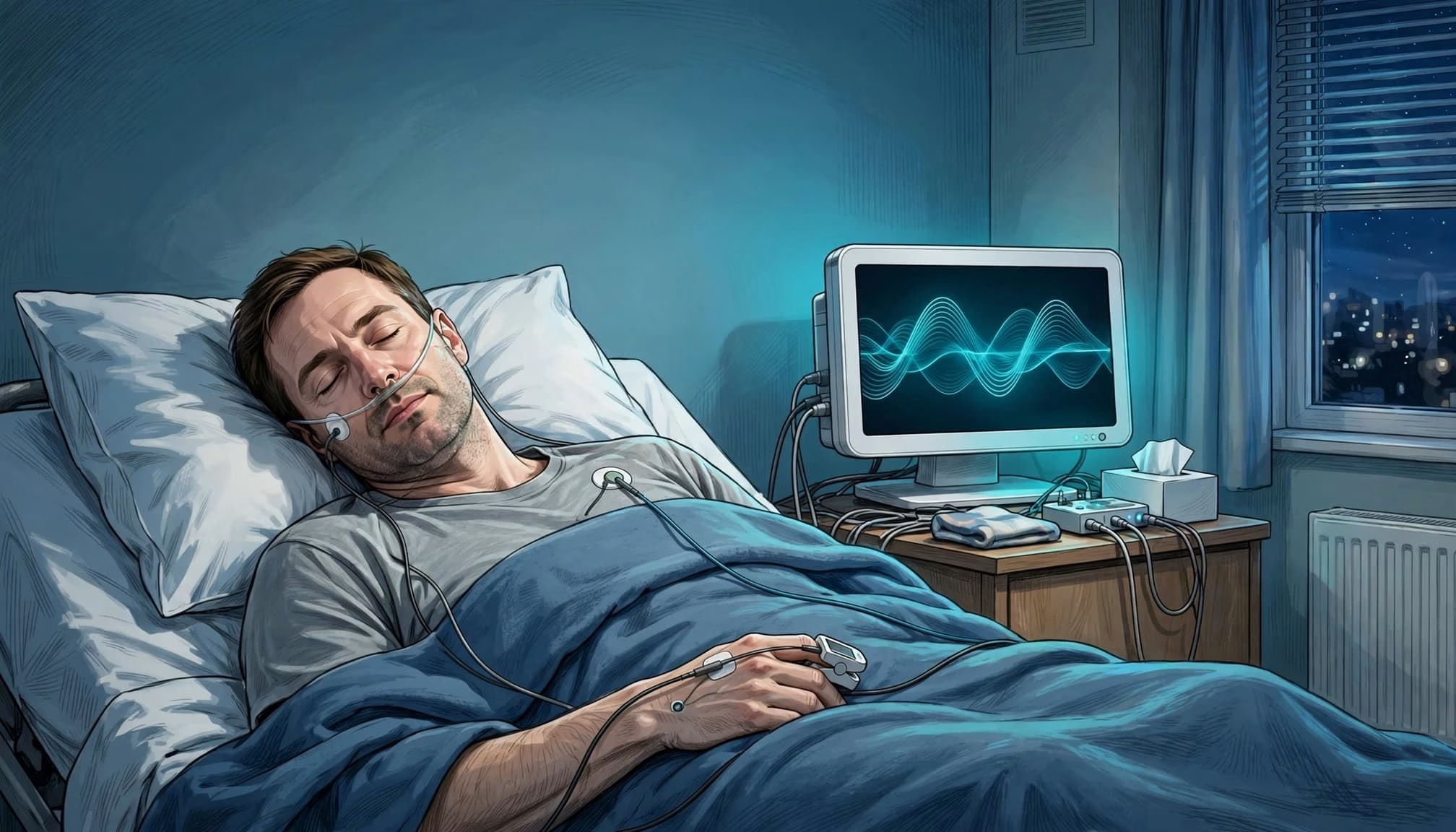
A full sleep study, called a polysomnogram, records brain activity, eye movement, muscle tone, breathing effort, airflow, oxygen saturation, heart rhythm, and sleep stages. Because it identifies when you’re actually asleep, the calculation uses true total sleep time.
A home sleep test usually tracks airflow, chest or abdominal movement, oxygen levels, pulse rate, and sometimes body position. It’s often convenient and appropriate for suspected uncomplicated obstructive sleep apnoea. Yet many home systems can’t measure brain activity or confirm every minute of sleep.
Why The Test Type Can Change The Number
If you lie awake for part of a home test, the device may include more recording time than actual sleep time. That can make the event rate look lower than it would in a laboratory study. In contrast, a poor night’s sleep in a lab may capture less REM sleep than usual.
A sleep specialist interprets the raw signals, your symptoms, and your medical history together. A negative home test doesn’t always rule out sleep apnoea when loud snoring, witnessed pauses, gasping, or marked daytime sleepiness continue.
Why AHI Cannot Tell The Whole Story
Two people can have the same AHI score and feel very different. One may have brief events with small oxygen dips. Another may have longer pauses, repeated drops in oxygen levels, and frequent awakenings that leave them unable to function well the next day.
The rule used to score hypopnoeas also matters. Some laboratories use oxygen desaturation criteria, while others count arousal-linked events. This can shift the total, particularly around mild and moderate boundaries.
Look At Oxygen And Symptoms Too
Your report may list the lowest oxygen saturation, time spent below a threshold, oxygen desaturation index, and arousal index. These figures add context to the result. A clinician may pay closer attention if your oxygen falls sharply, even when the average event count seems modest.
Symptoms carry weight as well. Unrefreshing sleep, morning headaches, concentration problems, low mood, erectile difficulties, daytime sleepiness, and dozing while driving are worth sharing with a clinician. You can read more about morning headaches and sleep apnoea if waking head pain is part of the pattern.
Sleep Position And REM Can Raise Your AHI
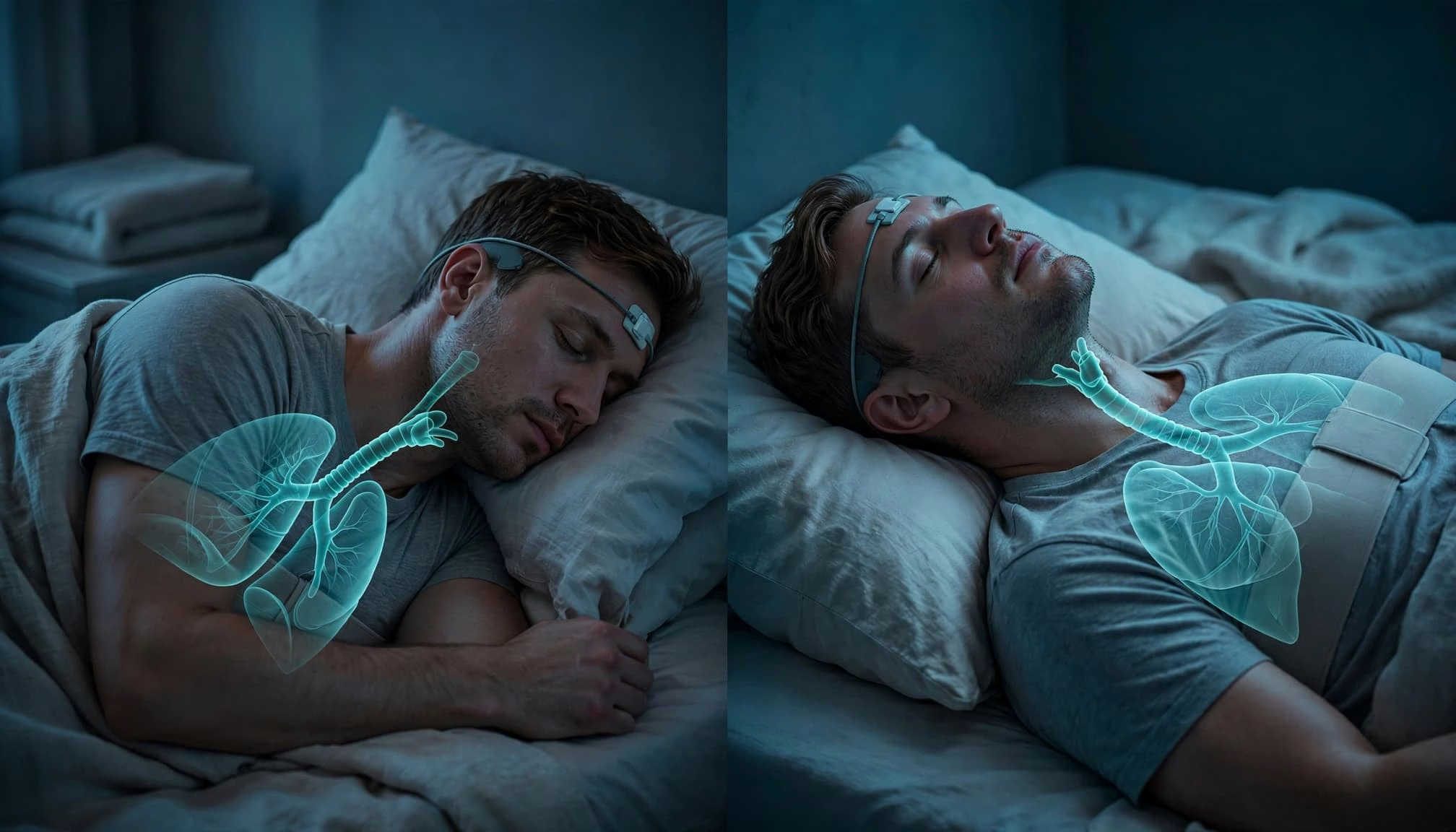
Gravity can narrow the upper airway when you sleep in the supine position. Your tongue and soft tissues may fall backwards more easily, causing airway blockages. Some people have a much higher AHI in the supine position than during side sleeping. A report might call this positional obstructive sleep apnoea.
REM sleep can also make obstruction worse. During REM, one of the sleep stages, muscles that help hold the airway open relax more. Someone who reaches little REM during testing may have a lower overall average than on a typical night.
Use Position Data Carefully
Side sleeping can reduce events for some people, especially when the report shows a strong supine position pattern. It does not work for everyone, and it should not replace prescribed treatment without advice from your sleep team.
Alcohol near bedtime and sedating medicines can worsen airway collapse in susceptible people. Discuss prescribed medication with a GP or pharmacist before changing it. Do not stop medicines abruptly because of an AHI result.
Children’s Results Need Different Thresholds
Adult AHI bands don’t apply to children, so sleep apnoea severity is judged differently. The British Thoracic Society uses obstructive AHI bands of 1 to under 5 for mild, 5 to under 10 for moderate, and 10 or more for severe obstructive sleep apnoea in children under 16.
Children also need a broader assessment. Behaviour changes, poor concentration, growth, enlarged tonsils, nasal obstruction, sleep quality, and blood oxygen levels all matter. A child who snores most nights, struggles to breathe during sleep, or seems unusually tired should be assessed through a GP or paediatric sleep service.
Machine Downloads Are Less Reliable For Children
CPAP and ventilator algorithms haven’t been fully validated for children. A device-reported figure should therefore never drive pressure changes at home. A paediatric specialist needs to interpret the result in the child’s clinical context.
What A Good AHI Target Looks Like With CPAP Therapy
Gentle air pressure holds the airway open during treatment. Most clinics aim to bring adult readings into the normal range, often below five per hour. Treatment should also improve daytime sleepiness, snoring, and sleep quality.
Your CPAP machine reports a number often called residual AHI, or events per hour. It estimates respiratory events from airflow patterns. It can’t tell whether you were asleep, awake, coughing, or adjusting your mask.
A low device number is encouraging, but better treatment also means less snoring, fewer symptoms, and enough use on every night you sleep.
Some people feel well with a residual figure around 2 or 3. Others still feel tired despite a reading below 5. Sleep may be short or fragmented, or another condition may be involved. Getting used to a CPAP mask can take time, especially if congestion or pressure sensitivity disrupts the first few weeks.
Why CPAP Readings Can Stay High
A raised residual AHI can happen even when you wear the mask all night. Mask leaks are a common cause because they reduce effective pressure and may confuse the machine’s event detection. Mouth leaks can occur with a nasal mask, particularly when nasal congestion forces you to breathe through your mouth.
Pressure settings may also need review. Weight change, alcohol intake, sleeping in a supine position, worsening nasal blockage, or more REM sleep can alter your needs. However, do not change prescribed settings on your own unless your sleep service has given you a plan.
Check The Pattern Before Blaming The Machine
Look at several nights rather than one isolated result. Note the hours used, leak information, whether you had a cold, and your sleeping position. A run of high readings after a few drinks or severe congestion tells a different story from a steady pattern over several weeks.
Some machines separate obstructive and central events. Central events involve a temporary lack of breathing effort rather than a blocked airway. If central events appear repeatedly after starting CPAP, contact your sleep specialist. The treatment approach may need reassessment.
Treatment Depends On More Than Severity
CPAP is often the most effective treatment for moderate or severe obstructive sleep apnoea. Treatment decisions consider sleep apnoea severity, but CPAP may also help mild cases. This is especially true when symptoms, oxygen drops, or other risks are significant. Oral appliances, including an adjustable mandibular advancement device, can suit some people with mild to moderate disease when fitted through an appropriate dental service.
Weight loss can reduce severity for people carrying excess weight, but it is not a quick cure and does not help every cause of sleep apnoea. Positional therapy, reducing alcohol near bedtime, stopping smoking, and treating nasal congestion may support other treatments.
A report gives you a baseline, not a verdict. If you are sleepy at the wheel, avoid driving until you have discussed safety and treatment with a clinician. The DVLA has rules on sleep apnoea and driving where excessive sleepiness affects safe driving.
Questions To Take To Your Sleep Appointment
Bring the report, or a photo of its summary, to your GP or sleep specialist. Ask whether your events were mainly obstructive, central, REM-related, or positional. Find out how low your oxygen fell, whether your sleep was fragmented, and whether another sleep disorder appeared in the recording.
If your test was at home, ask whether it measured actual sleep time. If the result conflicts with your symptoms, the clinic may suggest further testing. A sleep study can also identify leg movements, unusual behaviours during sleep, and other causes of disrupted rest.
Finally, describe your day-to-day life plainly. Falling asleep in meetings, struggling through a school run, snoring loudly, or waking with choking sensations gives the score practical meaning. Numbers guide care, but your experience directs the conversation.
Conclusion
Your AHI score is a useful measure of disrupted breathing, especially when read alongside oxygen levels, symptoms, sleep stages, and body position. It can help indicate sleep apnoea severity, but it can’t capture every effect of a broken night.
Keep the result in context, particularly if you use CPAP. A persistent raised reading or continuing daytime sleepiness deserves a review with your GP or sleep clinic. Better sleep is the aim, not simply a better number.
FAQ
Is An AHI Of 5 Bad?
An AHI of 5 sits at the usual threshold for mild adult obstructive sleep apnoea. It doesn’t automatically mean you’ll need CPAP. Symptoms, oxygen readings, health history, and event patterns help determine the next step.
Can AHI Change From Night To Night?
Yes. How you sleep, alcohol, nasal congestion, sleep stage, and ordinary night-to-night variation can change the result. Scores near a severity boundary may move between categories across different nights.
Is AHI Below 5 Always Normal?
For adults, a result below 5 is generally considered normal. Still, poor sleep or daytime fatigue can have other causes. Insomnia, periodic limb movements, medicines, depression, pain, and too little sleep can all affect how rested you feel.
What Is A Normal AHI For A Child?
Children use lower thresholds than adults. British Thoracic Society guidance considers an obstructive AHI of 1 or more abnormal in children under 16. A paediatric clinician should interpret the result, since symptoms and changes in oxygenation matter greatly.
Does A CPAP Machine Measure My True AHI?
No. A CPAP machine estimates remaining breathing events from airflow signals. It can’t confirm sleep stages or tell whether you were awake. Its reading can still reveal trends and support a discussion with your sleep clinic.
Why Is My CPAP AHI Higher Some Nights?
Leaks, a blocked nose, back sleeping, alcohol, and changes in sleep stage can all contribute. Check whether the increase coincides with a poor mask seal or shorter use. If it continues, ask the clinic to review the detailed data.
Can Sleeping On My Side Lower My AHI?
It can help when events happen mainly while you’re on your back. Your sleep study may report separate side and back values. Positional therapy works best when the difference between those values is clear.
Do I Need An In-Lab Sleep Study After A Home Test?
Not always. A home sleep test can diagnose many cases of obstructive sleep apnoea. However, an in-lab polysomnogram may help when the home result is unclear, symptoms remain strong, or another sleep condition is suspected.
Leave a Reply