

A phone feed never ends, so your brain never gets a natural stop sign. What starts as a quick check can turn into a tired, wired half-hour, especially late at night.
If you want to stop doomscrolling, don’t start with guilt. Start with friction. A friction-based reset makes scrolling slightly harder and better choices slightly easier, which is often enough to break the loop.
Key takeaways
- Doomscrolling sticks because your brain gets novelty, threat, and easy reward all at once.
- Friction works best when you place it at the exact moment the habit usually starts.
- Small barriers beat dramatic promises, because they still work when you’re tired.
- Moving your phone out of reach is often more effective than trying to “be stronger”.
- You need a replacement action, or your brain will chase the next easy hit.
- Repeating the same reset in the same context helps the new habit settle faster.
- A good reset feels a bit awkward at first, but it should still be simple enough to repeat.
Why Doomscrolling Hooks You
Doomscrolling isn’t laziness. It’s a loop. Your brain spots something new, something alarming, and something unfinished, then asks for one more swipe.
That loop gets stronger when you’re stressed, lonely, tired, or trying to switch off. In those moments, your brain wants relief, not a lecture. That’s why pure willpower often collapses at 23:00.
There’s also no built-in ending. A book has pages. A film has credits. A feed keeps serving. So your attention never gets a clean cue to stop.
If stress is fuelling the habit, body-based tools can help you start shifting from stress to productive focus before you reach for the next update. That matters, because a calmer nervous system makes better choices.
Build Friction Into The Exact Moment You Scroll
The best reset starts where the habit begins, not where you wish it began. If you doomscroll in bed, change the bedtime setup. If you do it in the kitchen, change the kitchen setup.
Put the phone in a drawer, another room, or the far side of the house. Log out of the apps that trap you. Remove them from your home screen. Turn off non-human notifications. Charge your phone away from the bed and use a basic alarm clock instead.
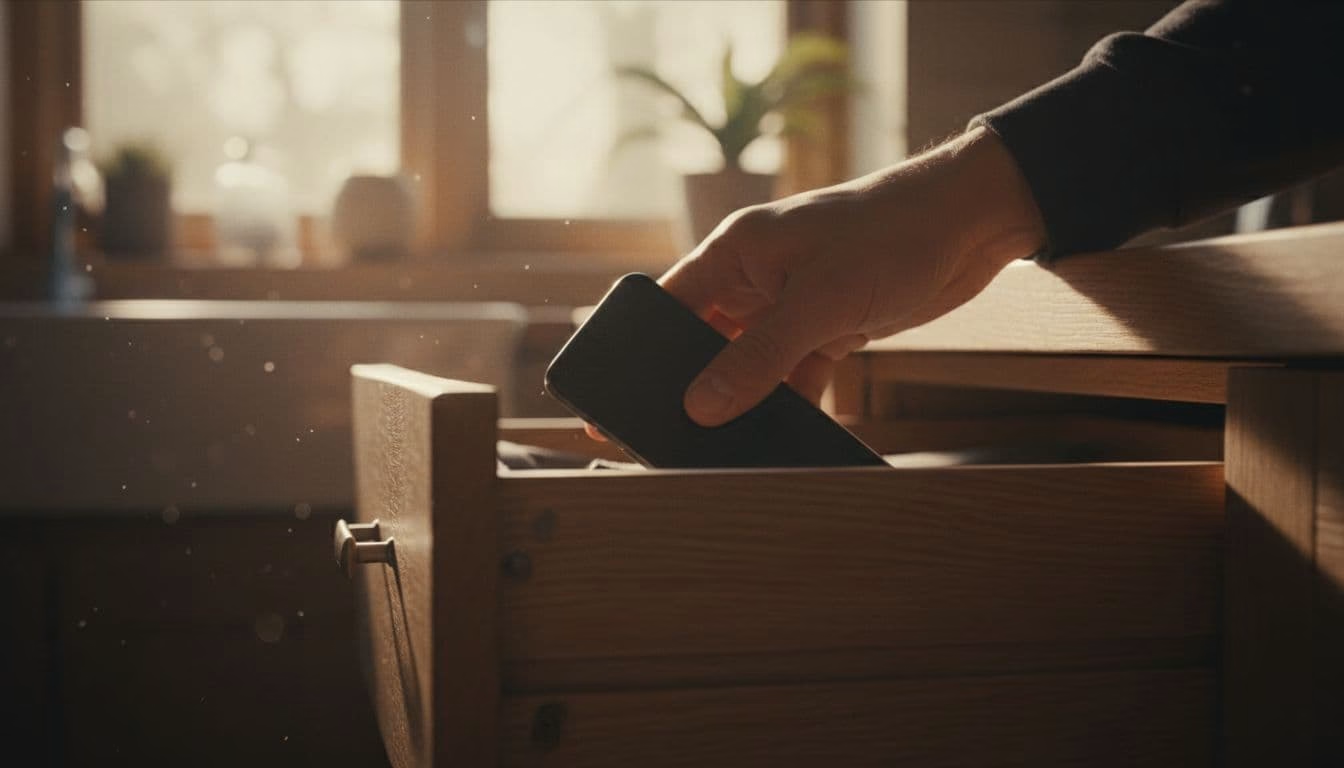
Make the bad habit a bit harder, and the good habit a bit nearer.
That’s the whole idea. You’re not banning the phone. You’re making the automatic reach less automatic. One extra step can be enough to wake up the thinking part of your brain.
Replace The Scroll, Don’t Leave A Vacuum
If you remove scrolling but leave empty space behind, the urge often comes back harder. Your brain still wants a reward, so give it one that’s short, boring enough to be safe, and easy enough to repeat.
Good replacements take less than two minutes. Drink water. Stretch your shoulders. Step outside. Read one page of a paperback. Write one line in a notes app that isn’t connected to a feed. Breathe slowly for five rounds.
The key is speed. Don’t pick a replacement that needs motivation. Pick one that works when you’re half-awake, annoyed, or mentally fried.
Done often enough, this is part of how your brain rewires itself. Repetition teaches your brain that the urge to check doesn’t always end in a scroll.
Make The Reset Small Enough To Survive Real Life
A friction-based reset should feel low-pressure. Busy people don’t need a perfect system. They need one change that still works on rough days.
Start with one danger zone. For many people, that’s bed, the sofa after work, or the first ten minutes after waking. Build one clear rule for that spot. For example, “My phone charges in the kitchen” or “News only at lunch and after dinner”.
Then make the better option obvious. Leave a book on the pillow. Put headphones by the door for a short walk. Keep a notepad near the kettle. When the replacement is visible, it wins more often.
Slip-ups don’t mean the reset failed. They show you where the loop is still too easy. Adjust the setup, not your self-respect.
Conclusion
The fastest way to stop doomscrolling is not more shame. It’s friction. When you add one small barrier at the moment of impulse, you interrupt the loop before it runs on autopilot.
Start with one place, one cue, and one replacement. Test it tonight, keep what works, and let the habit get weaker through repetition.
FAQ
What Is A Friction-Based Reset?
It’s a way to change behaviour by making an unwanted habit harder to start. At the same time, you make a better action easier to do. The goal is not force, it’s interruption.
Do I Need To Delete Every App?
No. Some people do better with deletion, but many don’t need it. Moving apps, logging out, or storing your phone out of reach can work well without going extreme.
How Long Does It Take To Feel Easier?
That varies. Some people feel a difference on day one because the habit loop gets interrupted straight away. Still, it usually gets easier when you repeat the same reset for at least several days.
What If I Doomscroll For Work?
Separate work checking from idle checking. Use fixed windows for news or social monitoring, then log out when the task ends. A defined purpose helps stop passive drift.
What Should I Do Instead At Night?
Pick something that feels lighter than your feed. Reading a few pages, stretching, slow breathing, or listening to quiet audio can help your brain settle. Keep the option visible before bedtime.
What If I Keep Slipping Back?
That’s normal. Most habits fight for their old route. If you slip, add more friction to the trigger point and make your replacement easier to reach.
Leave a Reply