

Your body naturally dips in alertness in the early afternoon, even after a decent night’s sleep. So the post lunch slump is rarely a sign of weak discipline.
It usually appears when your body clock, lunch size, hydration, screen time, and stress all collide. The fix isn’t heroic willpower. It’s a short routine that wakes you up gently, protects sleep, and gives you a fair shot at solid afternoon focus.
Key Takeaways
- The post lunch slump is often biology plus habit, not laziness.
- Water, daylight, and movement work better than staring harder at the screen.
- A lighter lunch usually supports steadier energy than a heavy one.
- Late caffeine can lift the afternoon, then damage sleep later.
- Slow breathing helps when stress feels like tiredness.
- A short reset works best at the first sign of fog.
- One focused task block beats scattered multitasking when energy dips.
Why The Post Lunch Slump Feels So Strong
First, your body clock has a natural early afternoon dip. Second, lunch can briefly pull your system towards rest and digestion. Add stale indoor air, long sitting, and a crowded inbox, and your brain feels like a laptop in low-power mode.
That mix explains why the post lunch slump can feel personal when it isn’t. You’re not failing. Your environment and timing are shaping your state. Remote workers often feel it more because home lighting is dim, movement is easy to skip, and the kitchen is always nearby.
Think of the slump like fog on a windscreen. You don’t fix it by glaring through it. You clear it with a few simple actions.
Build A 10 Minute Reset Protocol
A short reset works best when you use it early, not after an hour of scrolling and pointless snacks. Keep it simple enough for an office, a library, or a spare room.
- Drink a large glass of water.
- Get five minutes of outdoor light and brisk walking, or climb stairs.
- Take six slow breaths, with a longer exhale than inhale.
- Pick one task and work on it for 25 minutes with notifications off.
This sequence helps because it nudges hydration, circulation, breathing, and attention at the same time. It also gives your brain a clear restart.
Eat And Drink For Steady Afternoon Energy
The best lunch for afternoon focus is light enough to avoid heaviness, but solid enough to stop mindless grazing. Aim for protein, fibre, and slow carbs. Chicken with salad, lentil soup with bread, or yoghurt with fruit and nuts all tend to land better than a huge beige meal.
Big sugary lunches can feel comforting, then leave you flat. A smaller meal often carries you better through the afternoon. Hydration matters too. Mild dehydration can make tiredness feel worse, so drink water before you reach for caffeine or another snack.
If lunch meetings push you towards pastries or crisps, add protein rather than relying on willpower later.
Use Light, Movement, And Task Design To Restore Focus
Daylight and movement are two of the fastest ways to shake off mental fog. Even on a grey UK afternoon, outside light beats most offices. A brisk walk can lift alertness without the jitter of another flat white.
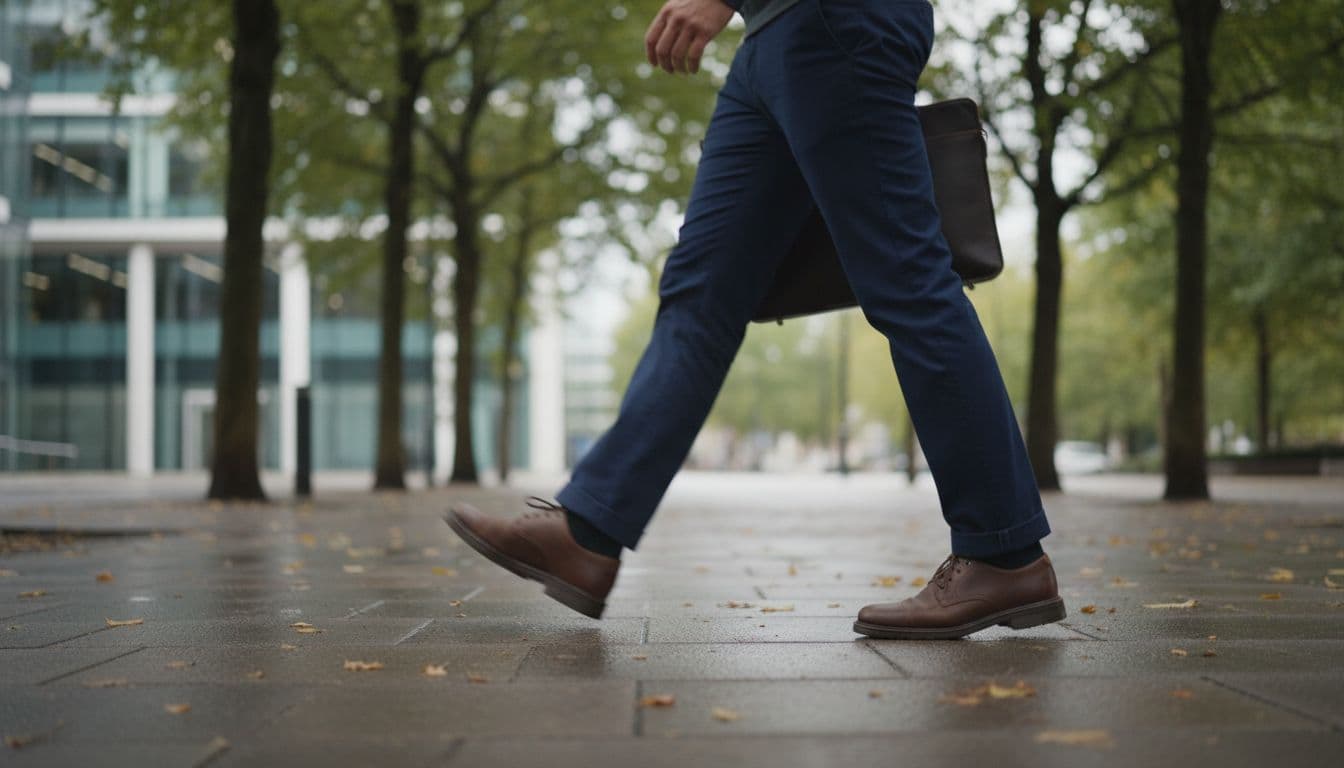
After you move, protect the next 25 to 40 minutes. Put admin, email, and chat on hold if you can. Use that window for one useful task, such as writing, revising, or planning. When energy is lower, narrow the target. A small clear task beats vague ambition every time.
Use Caffeine And Stress Tools Wisely
Coffee can help, but timing matters more than size. If you drink it late, you may borrow focus from tomorrow. This guide on caffeine timing to beat the post-lunch slump explains why an earlier, smaller dose often works better than a late rescue cup.
Stress can mimic sleepiness too. When your mind feels scattered, pause before assuming you need more fuel. Drop your shoulders, unclench your jaw, and slow your breathing for a minute. If stress is driving the fog, these practical ways to regain productivity after lunch can help you settle and refocus.
Treat the afternoon crash as a state problem, not a character flaw.
Make The Protocol Easy To Repeat
Consistency beats intensity. Keep water on your desk, block a short walking break after lunch, and decide your main afternoon task before midday. Managers can help by protecting meeting-free focus windows, not by praising people for pushing through brain fog.
The real win is repeatability. If your reset needs special gear or perfect motivation, it won’t last. Build a version that fits ordinary life. Ten plain minutes, used most days, can change the feel of your whole afternoon.
Conclusion
Better afternoon focus doesn’t come from fighting the post lunch slump head-on. It comes from a repeatable routine that supports your body instead of arguing with it. Start with water, light, movement, calmer breathing, and one focused task block. Run the protocol for a week, then keep what clearly helps.
FAQ
What Is The Post Lunch Slump?
It’s the dip in energy and concentration many people feel in the early afternoon. Body clock timing, lunch size, low movement, and stress often all play a part.
How Fast Can This Protocol Work?
Many people feel better within 10 to 20 minutes. Still, poor sleep or a very heavy lunch can make the recovery slower.
Is A Nap Better Than A Walk?
A brief nap can help if you have the time and setting for it. Still, a brisk walk is easier at work and less likely to leave you groggy.
Should I Skip Lunch To Avoid The Slump?
No. Skipping lunch can backfire and lead to poor concentration or overeating later. A lighter, balanced meal usually works better than no meal.
Does Working From Home Change The Protocol?
Yes, but mostly in a good way. Home workers can open curtains, step outside fast, keep water visible, and start a timed focus block more easily.
What If I Feel Heavy Fatigue Every Afternoon?
Frequent heavy fatigue can point to poor sleep, late caffeine, stress, or health issues. If it keeps happening despite better habits, speak to a clinician.
Leave a Reply