

Jet lag from crossing multiple time zones often isn’t caused by the flight itself, it’s caused by light hitting your eyes at the “wrong” local time. Your brain reads that light as a timing signal for your circadian clock, disrupting your circadian rhythm, then your sleep, appetite, mood, and energy follow behind like confused luggage.
The good news is you don’t need a supplement stack to feel human again. A simple jet lag protocol built around light exposure, light meals, hydration, and gentle movement can pull your biological clock towards the new time zone faster, with less effort than you’d expect.
Key takeaways
- Treat light as your main “reset button”, because it sets your circadian clock fastest.
- Eat lighter on arrival day, heavy meals can anchor you to the old time zone.
- Aim to eat on destination time as soon as it’s practical, even if portions are small.
- Use short walks to reduce daytime sleepiness and brain fog, and improve nighttime sleep drive.
- Manage your “caffeine intake” earlier in the local day, or it can steal sleep later.
- Avoid bright light late in the local evening if you’re trying to sleep sooner.
- Stay hydrated steadily, then add some salt with food if you’ve been sweating or flying long-haul.
- If you can only do one thing, get outside in bright sunlight on day one.
Anchor Your New Time Zone With Light
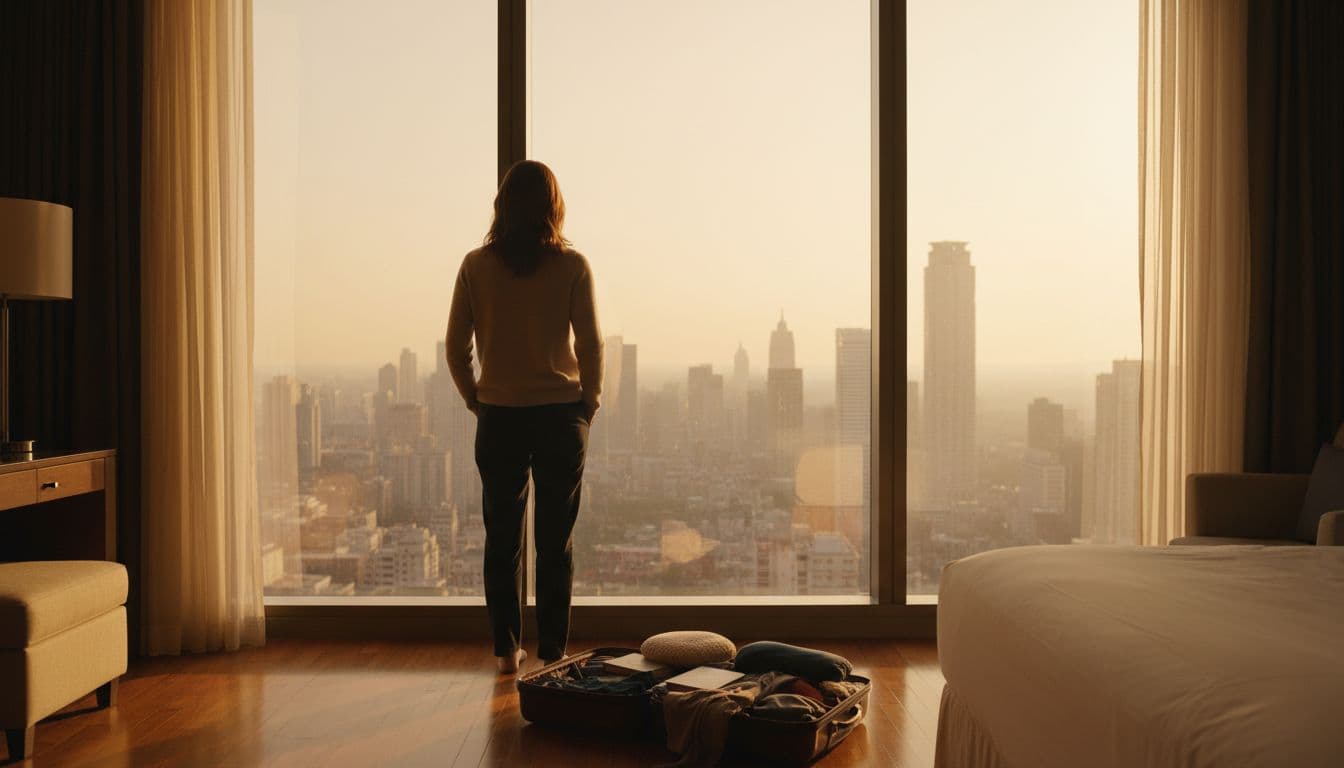
Light is the strongest cue for your circadian rhythm, regulated by the suprachiasmatic nucleus, your brain’s master clock and internal clock. Think of it like setting the time on a watch; meals and movement help, but light sets the actual clock.
Start with one simple rule: get bright outdoor light exposure at the time you want your body to feel “daytime”. For many travellers, that means stepping outside soon after waking on the first morning. Even 10 to 20 minutes helps, especially if the sky is bright. If weather is grim, stay out longer.
When you travel eastward, you usually need to fall asleep earlier in local time. In that case, morning light tends to help, and bright light late evening tends to hurt. When you travel westward, you often need to stay awake later. Then late afternoon light can be useful, and very early morning light can make mornings feel brutal.
Because timing can get fiddly across big time shifts, especially around your temperature minimum, keep it practical and adjust based on how you feel. If you’re wide awake at 03:00 local time, you’re probably getting light too early, too late, or both.
A common mistake is “hiding indoors” on day one and relying on artificial light. Your body clock can’t adjust to a new place if it never sees the place.
If you want a deeper explanation of light timing, light therapy, and circadian phase shift, see Huberman Lab’s overview in Defeat Jet Lag. You don’t need to copy it perfectly, but it’s helpful for understanding why timing matters.
Time Light Meals To Shift Appetite (And Sleep)
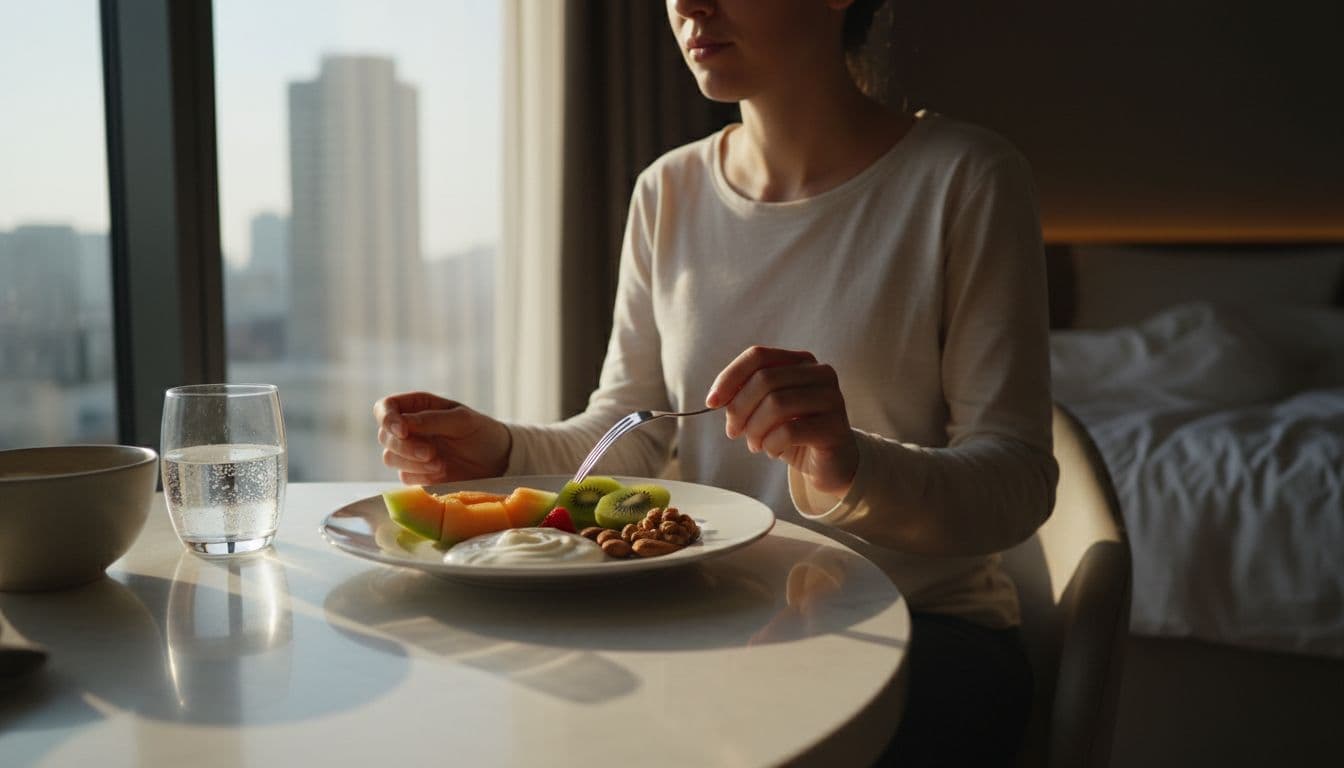
Your gut also keeps time. If you eat a huge dinner at what your body thinks is breakfast time, you’re basically telling your system, “keep running the old schedule”. That’s why light meals matter in a jet lag protocol.
On travel day and arrival day, aim for meals that are small, protein-forward, and easy to digest. For example, yoghurt with fruit, eggs with toast, soup, or a simple rice bowl with fish or tofu. Keep ultra-rich foods for later, because heavy fat and alcohol can worsen reflux, nausea, sleep disruption, and insomnia symptoms when you’re already stressed.
Meal timing matters as much as meal size. As soon as it’s reasonable, eat on destination time. If you arrive at 07:00 local time, eat a normal breakfast. If you arrive at 22:00, keep it light, then get ready for bed. While this protocol focuses on food, some travellers use melatonin supplements, though a local meal schedule is often more foundational.
Stay hydrated to support this whole process. Cabin air is dry, and dehydration can feel like jet lag. Sip water through the flight, then drink to thirst after landing. Add some salt with meals if you’ve had a long-haul flight and you’re lightheaded.
For a straightforward breakdown of jet lag symptoms and practical nutrition angles, Precision Nutrition’s guide, Eliminating jet lag strategies, is a solid reference.
Use Gentle Movement To Clear Brain Fog And Build Sleep Pressure
Photo by Andrea Piacquadio
That heavy, foggy feeling of travel fatigue and daytime sleepiness after a long flight can push you towards a nap spiral. Movement helps because it improves alertness now, then builds sleep pressure for later. It’s like shaking a snow globe, things settle better after you’ve moved it.

Keep it simple and repeatable. A 10 to 30 minute walk outdoors on arrival day does three jobs at once, you get light, movement, and a mental reset for your sleep-wake cycle. If you can, add a second short walk after lunch.
On the flight, stand up when you can. Do ankle circles, calf raises, and gentle hip stretches near your seat. Nothing heroic, just enough to stop your body stiffening into “sleepy statue mode”.
Be careful with late intense physical exercise. A hard session at 21:00 local time can push your nervous system into high gear. If you want the gym, go earlier in the day and finish with a calm cool-down.
If naps are unavoidable, cap them at about 20 minutes and keep them earlier in the local day. Longer naps often steal the sleep you need at night, worsening sleep deprivation.
For a travel-friendly overview that matches this low-effort approach, see Jet Lag Recovery Guide.
Conclusion
A good jet lag protocol doesn’t need to be perfect, it needs to be consistent. Prioritise timed light, keep meals lighter while you shift, and use short walks to stay awake until bedtime in the local time zone. Do those three well for effective bedtime adjustment, and most trips feel easier by day two. On your next flight across multiple time zones, plan your first daylight exposure and first light meal before you even board.
FAQ
What Is A Jet Lag Protocol?
It’s a simple routine that helps your body clock match the new time zone faster to combat time zone change syndrome, the technical name for jet lag. Most protocols focus on light timing first, then support it with meal timing, hydration, and gentle movement.
How Long Does Jet Lag Usually Last?
Jet lag symptoms vary by person and trip length, disrupting your sleep-wake cycle. In general, bigger time zone jumps take longer to feel normal. Your light exposure and sleep timing in the first two days often make the biggest difference.
Should I Skip Meals On The Flight?
Skipping isn’t required. Meal timing is helpful, but melatonin supplements serve as a common alternative. Instead, eat smaller portions and avoid heavy, greasy meals. If it’s nighttime at your destination, keep food light and aim to sleep.
When Should I Use Caffeine To Fight Jet Lag?
Manage caffeine intake early in the local day, not as an all-day drip. A morning coffee can help you stay on schedule. Caffeine intake late afternoon or evening can delay sleep and slow adjustment.
Can Movement Replace Light Exposure?
Movement helps, but it doesn’t replace light. Light is the strongest signal for your internal clock and circadian rhythm. Pair a walk outdoors with morning daylight for the best return.
What If I Land At Night Local Time?
Keep lights low and avoid blue light exposure, eat a small snack if you’re hungry, then go straight into a wind-down routine. Try to sleep on local time, even if it’s not perfect. Get outdoor light soon after waking.
Leave a Reply