

A routine blood test can show raised inflammation even when you feel fine. That’s part of what makes inflammaging so sneaky.
Think of it as a small fire that never fully goes out. You might not notice it day to day, yet it slowly wears the body down. In one line, inflammaging is chronic, low-grade inflammation that becomes more common with age.
It matters because this “always on” immune signal is linked with many age-related conditions, including heart disease and type 2 diabetes. This guide explains what inflammaging is, what drives it (from gut health to stress and sleep), how it harms tissues over time, and the most practical ways to cool it down.
Key Takeaways

- Inflammaging is long-term, low-level inflammation that can speed up biological ageing.
- It often feels “silent” because symptoms can be mild, vague, or missing.
- Common drivers include belly fat, ultra-processed diets, inactivity, poor sleep, chronic stress, smoking, and heavy alcohol use.
- Gut imbalance, long-term infections, and “old” damaged cells can also keep inflammatory signals switched on.
- Over years, chronic inflammation can damage arteries, joints, muscles, liver, and brain health.
- The strongest lifestyle levers are a Mediterranean-style eating pattern, regular movement (especially strength training), and steady sleep.
- Weight loss can help when excess body fat is present, but extreme dieting often backfires.
- Smoking is a major inflammation driver, stopping brings quick and lasting benefit.
- Speak to a clinician if symptoms persist, risk is high, or you want a medication and supplement review.
What Inflammaging Is, And Why It Feels So “Silent”
Inflammation isn’t bad by default. In the short term, it’s a repair tool. It helps you fight infections and heal injuries. The problem starts when the “on” switch gets stuck.
In inflammaging, the immune system releases small amounts of inflammatory messengers all the time. These messengers are often called cytokines, which is just the body’s way of sending “act now” signals. When the signals keep coming, tissues take repeated tiny hits.
Age plays a role because the immune system changes over time. Researchers often call this immunosenescence, meaning an ageing immune system that’s less sharp. It can become slower at clearing threats, yet quicker to create background noise. Still, immune ageing is only part of the story. Lifestyle, body composition, sleep, stress, and the gut can push the volume up or down.
If acute inflammation is your body calling the fire brigade, inflammaging is a faulty alarm that keeps beeping in the background.
Acute Vs Chronic Inflammation: The Difference Between A Helpful Alarm And A Stuck Smoke Detector
Acute inflammation is like a smoke detector that goes off when toast burns. It’s loud, obvious, and usually short-lived. You get redness, heat, swelling, pain, or a fever. Then the body clears the trigger and settles down.
Chronic low-grade inflammation is different. The smoke detector keeps chirping even when there’s no real fire. The signals are quieter, but they don’t stop. As a result, the body spends energy on constant “just in case” defence.
This ongoing state can exist even when you feel mostly well. You might still work, exercise, and get on with life. Meanwhile, tissues are exposed to ongoing stress that can affect blood vessels, metabolism, and repair processes.
Common Clues You Might Be Running “Hot” (Without Self-Diagnosing)
Inflammaging isn’t something you can confirm by symptoms alone. Many everyday issues overlap with other causes, including thyroid problems, anaemia, depression, perimenopause, or poor sleep.
Still, people often report patterns like low energy, slower recovery, more aches, poor sleep, brain fog, or gradual belly weight gain. Some also notice they catch colds more easily, or feel “puffy” after ultra-processed meals.
Treat these as non-specific clues, not a diagnosis. If symptoms persist, blood tests and clinical context matter. A clinician can also check for hidden drivers, including medication side effects or long-term infections.
Where The Slow Burn Comes From: The Main Drivers Of Inflammaging
Inflammaging usually comes from many small inputs, not one dramatic cause. Picture a bucket filling drop by drop. A poor night’s sleep adds a little. Sitting all day adds a bit more. Add regular ultra-processed snacks and chronic stress, and the bucket starts to overflow.
Excess body fat is one of the biggest contributors, especially fat stored around the middle. Fat tissue is not passive storage. It can act like an organ that sends inflammatory signals, particularly when it enlarges and becomes stressed.
Other drivers include smoking, heavy alcohol intake, long-term infections, gut dysbiosis (an imbalanced microbiome), and low fitness. On a cellular level, two ideas are getting more attention: mitochondrial stress and senescent cells. Mitochondria are your cells’ energy factories. When they struggle, they can release “danger” signals that provoke inflammation. Senescent cells are damaged cells that stop dividing but keep broadcasting inflammatory chemicals.
Research also points to feedback loops from the blood and immune system. For example, some people develop clonal expansions in blood cells with age (often discussed as clonal haematopoiesis). This can raise inflammatory tone and disease risk. It’s not destiny, but it’s one more reason to take the basics seriously.
Body Fat, Blood Sugar Swings, And Ultra-Processed Foods: How Modern Eating Can Keep Inflammation On
Modern eating patterns can push the immune system into a more reactive state. Frequent blood sugar spikes, especially alongside excess calories, can stress the body. Over time, this can promote insulin resistance, which links closely with chronic inflammation.
Ultra-processed foods can also matter because they’re often low in fibre and high in added sugars, refined starches, and certain fats. Many people also eat them quickly and often, which doesn’t help appetite control.
Balance is key. Some fats, like omega-3s from oily fish, tend to support healthier inflammatory signalling. In contrast, high intakes of saturated fat and added sugar can worsen inflammatory pathways for many people, especially when paired with low fibre.
None of this is about being perfect. It’s about shifting the pattern so your meals stop feeding the fire.
Gut, Stress, Sleep, And Smoke: The Less Obvious Triggers That Add Up
Your gut barrier should act like a fine sieve, letting nutrients through while keeping irritating compounds out. When the microbiome is out of balance, the gut lining can become more permeable. Then, inflammatory signals can “leak” into the bloodstream, sometimes discussed as metabolic endotoxaemia.
Chronic stress also matters. When stress stays high, stress hormones can disrupt immune regulation. You might feel wired, yet tired. Sleep suffers, cravings rise, and inflammation can creep up.
Sleep loss is a strong driver on its own. Poor sleep can increase appetite signals, worsen insulin control, and change immune behaviour. Even if you train hard, sleep debt can blunt recovery.
Smoking is one of the clearest causes of chronic inflammation. If inflammaging is a fire, smoking is fuel. Alcohol is more dose-dependent. In general, more and more often tends to mean more inflammation, poorer sleep, and worse metabolic health.
How Inflammaging Damages Tissues Over Time (And Which Systems Get Hit First)
Chronic inflammation harms the body through steady wear and tear. One pathway involves oxidative stress, which can damage cells and their membranes. Another involves mitochondria, which may produce less energy and more stress signals when inflamed.
Blood vessels often take an early hit. Inflammation can make arteries stiffer and less able to expand. It can also encourage plaque formation, which raises cardiovascular risk. At the same time, chronic inflammation can disrupt normal repair. Small injuries in tissues may heal more slowly.
Immune “misfiring” is another issue. The immune system may overreact to harmless triggers, yet respond poorly to real infections. That helps explain why inflammaging is linked with lower resilience as you get older.
Long-term, this low-grade state is associated with higher risk for cardiovascular disease, type 2 diabetes, fatty liver disease, arthritis, and some gut conditions. These links don’t mean inflammation is the only cause. However, it often acts like a multiplier that makes other risks more damaging.
From Arteries To Joints To Brain: What Chronic Inflammation Can Do In Real Life
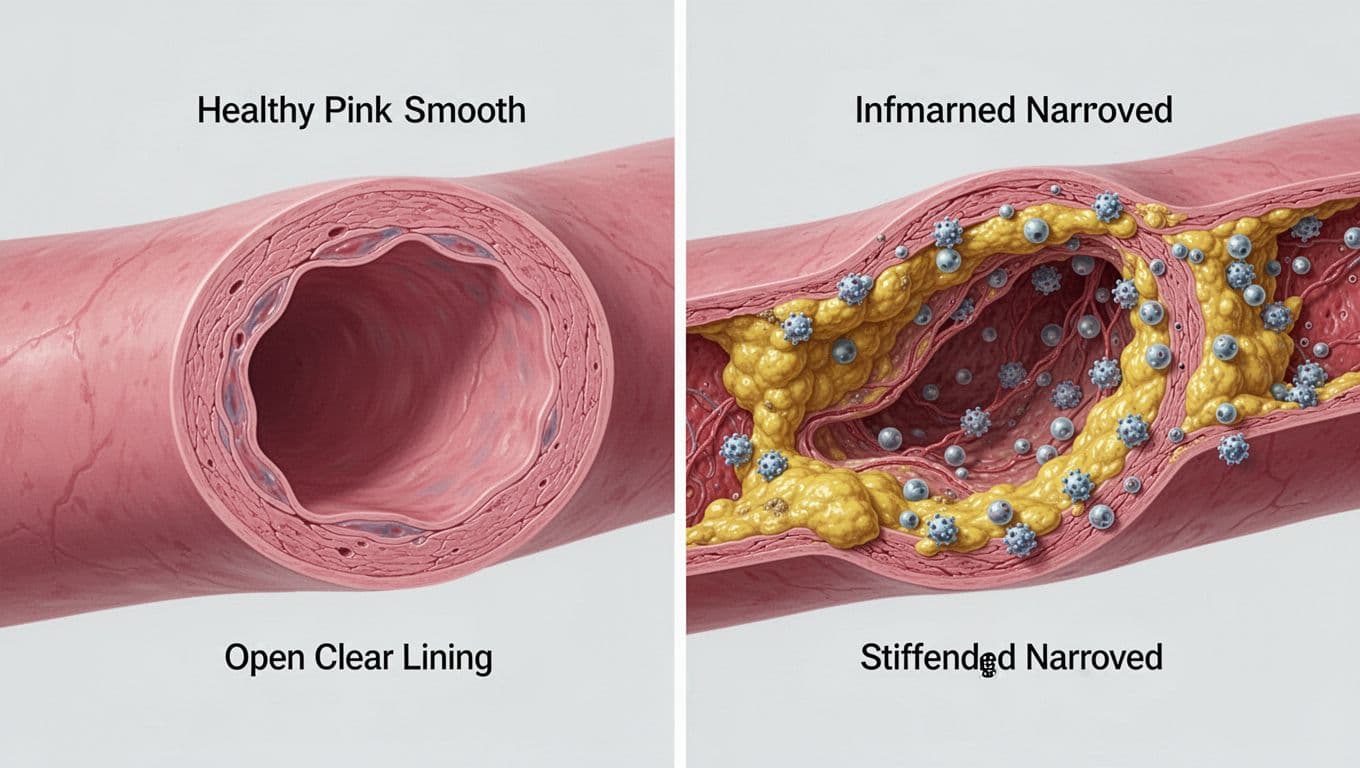
In arteries, chronic inflammation can promote plaque build-up and stiffness. You may not feel this happening. Still, it can raise blood pressure and strain the heart over years.
In muscles, persistent inflammation can slow recovery and reduce strength gains. A walk that used to feel easy might leave you sore for longer. That soreness can then discourage activity, which adds to the cycle.
In joints, inflammatory signalling can increase pain sensitivity and stiffness. For people with osteoarthritis, a higher inflammatory load can make flares more common.
In the brain, inflammation can affect mood and mental clarity. Some people describe it as a “fog” that comes and goes, often worse after poor sleep or heavy drinking.
Why It Can Turn Into A Vicious Cycle As You Age
Inflammaging often becomes self-reinforcing. Inflammation can worsen sleep. Poor sleep then increases appetite and reduces training drive. Less movement makes it easier to gain fat, and belly fat raises inflammation again.
Meanwhile, immune ageing can amplify the background noise. Senescent cells can also build up, sending more inflammatory signals into their surroundings. Add a stressful job or caring responsibilities, and the cycle can accelerate.
The hopeful part is that small changes can break the loop. Better sleep improves appetite control. Regular strength work supports blood sugar control. More fibre helps the gut. Each change is like removing one log from the fire.
How To Extinguish The Flame: Practical, Evidence-Based Ways To Lower Chronic Inflammation
Big results usually come from boring habits done consistently. Food, movement, sleep, and stress management interact. Improve one, and the others often get easier.
A Mediterranean-style eating pattern is a strong starting point because it’s rich in plants, fibre, and healthy fats. It also tends to reduce ultra-processed foods without strict rules. Aim for plenty of colourful vegetables, beans, wholegrains, nuts, seeds, olive oil, and fish if you eat it.
Protein matters too, especially as you age. Adequate protein supports muscle, which helps glucose control and reduces frailty risk. You don’t need extreme intakes, just a steady supply across meals.
Movement is another high-impact lever. Regular walking lowers baseline inflammation and improves circulation. Strength training adds muscle, supports joints, and improves insulin sensitivity. Breaking up sitting time also helps, because long sitting blocks can worsen blood sugar and vascular function.
Finally, treat sleep as a health behaviour, not a luxury. Your immune system uses sleep to reset.
A note on supplements and medicines: don’t self-prescribe. Some people may benefit from vitamin D or omega-3 supplements, but context matters. Long-term anti-inflammatory medicines can carry risks too, so discuss ongoing use with a clinician.
The “Boring” Basics That Work: Food, Movement, Sleep, And Stress
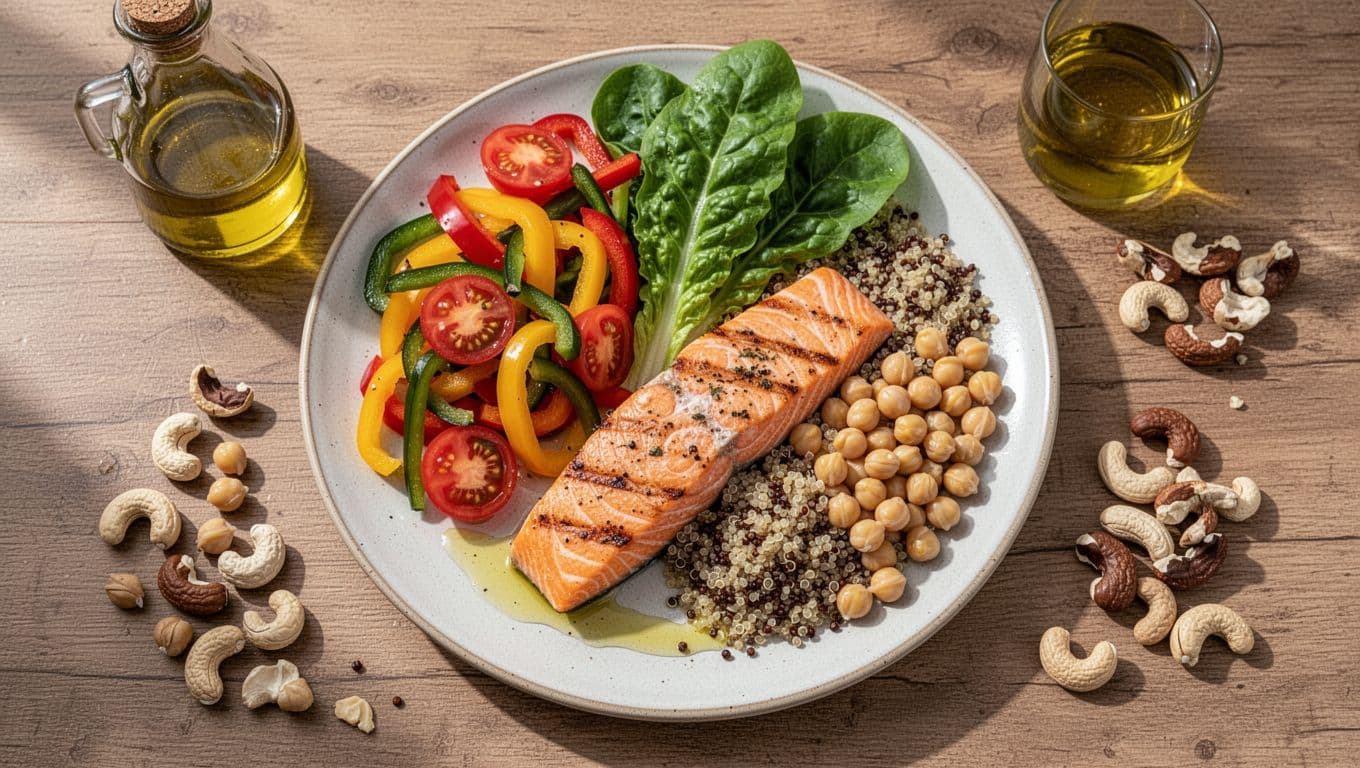
If you want a simple template, start with your plate. Make half vegetables most days. Add beans or wholegrains for fibre. Include a protein source, then finish with healthy fats like olive oil or nuts.
Try to reduce sugary drinks first. They’re an easy source of repeated sugar spikes. Next, cut back on ultra-processed snacks you eat mindlessly. Replace them with fruit, yoghurt, nuts, or toast with sardines.
For movement, aim for two to three strength sessions each week, plus regular brisk walking. You can start lighter than you think. Consistency matters more than soreness. Also, break up sitting with a short walk, even two minutes helps.
For sleep, keep a consistent wake time. Get outdoor light in the morning when you can. Limit caffeine late in the day, and keep the bedroom cool, dark, and quiet.
Stress skills don’t need to be complicated. A short breathing practice, a ten-minute walk outdoors, journalling, or a chat with a friend can reduce stress load. Social connection is a real anti-inflammatory input.
Don’t look for one perfect trick. Aim for a calmer average week.
A 14-Day “Cooling Plan” You Can Actually Stick To

Two weeks won’t “solve” inflammaging, yet it can start momentum. Keep the steps small enough that a busy day won’t derail you.
Week 1: Add one daily walk, even 10 to 20 minutes. Do one short strength session, using bodyweight or light dumbbells. Upgrade fibre once a day, for example add beans to lunch or oats at breakfast. Set a bedtime window you can keep most nights.
Week 2: Build to two strength sessions. Add an omega-3 food choice, such as salmon, sardines, or a plant option like chia and walnuts (not the same as fish, but still helpful). Aim for two extra servings of plants across the day. Pick one stress habit and do it daily for five minutes.
If you have heart disease, uncontrolled blood pressure, severe joint pain, or you’re pregnant, adjust the plan with professional guidance. Also, if you’re new to exercise, start gently and progress slowly.
FAQ
What Does “Inflammaging” Mean In Simple Terms?
It means long-term, low-level inflammation that becomes more common as we get older. It’s often quiet, but it can affect blood vessels, metabolism, and repair. Think of it as background heat that never fully cools.
How Is Inflammaging Different From An Autoimmune Disease?
Autoimmune disease involves the immune system attacking the body in a more targeted way, and it often causes clear symptoms. Inflammaging is more like a general rise in inflammatory tone. Some people can have both, but they’re not the same thing.
Can You Have Chronic Low-Grade Inflammation Without Symptoms?
Yes. Many people feel mostly fine while inflammation markers creep up. When symptoms do appear, they’re often vague, like fatigue or aches. That’s why risk factors and blood tests can help guide decisions.
Which Blood Tests Can Hint At Ongoing Inflammation?
CRP is a common one, and high-sensitivity CRP (hs-CRP) can detect smaller rises. Clinicians may also look at full blood count patterns and other markers, depending on symptoms. Results need medical interpretation alongside your history and risk factors.
How Long Does It Take To Lower Inflammation With Lifestyle Changes?
Some changes, like better sleep and reduced alcohol, can help within days. Measurable shifts in weight, fitness, or blood markers often take weeks to months. The timeline depends on starting health, consistency, and any underlying condition.
Is The Mediterranean Diet Really Anti-Inflammatory, Or Just A Buzzword?
It’s a food pattern, not a product. It’s rich in plants, fibre, olive oil, nuts, and minimally processed foods. That combination tends to support gut health, healthier blood fats, and steadier blood sugar.
Do Omega-3 Supplements Help, Or Is Food Enough?
Food first works well for many people, especially oily fish if you eat it. Supplements may help some, but doses, quality, and interactions matter. If you take blood thinners or have surgery planned, check with a clinician or pharmacist.
Does Exercise Increase Inflammation Because It Stresses The Body?
Hard sessions can raise inflammation briefly, because muscles repair and adapt. Regular training usually lowers baseline inflammation over time. If you’re often sore and exhausted, reduce intensity and build volume gradually.
When Should I Speak To A Clinician About Inflammation And Ageing?
Speak up if you have persistent unexplained fatigue or pain, frequent infections, unintentional weight loss, or new chest pain or breathlessness. Also book a review if you have a strong family history of heart disease or diabetes. A medication review can be useful if you rely on long-term anti-inflammatories.
Conclusion
Inflammaging is a slow, low-grade inflammatory state that can speed up ageing and raise disease risk. It’s also changeable, because many drivers sit in daily habits. Focus first on a plant-rich eating pattern, regular walking and strength training, steady sleep, stress support, smoking cessation, and sensible weight management.
For today, pick one calm action you can repeat, such as a 15-minute brisk walk after lunch. If you have health conditions or worrying symptoms, get personalised medical advice so you can target the right levers safely.
Leave a Reply